


⚡ TL;DR: This guide helps Savannah homeowners understand tile roof installation by covering material options, estimated costs, and essential maintenance practices required to protect properties within the coastal Georgia climate.
📋 What You’ll Learn
Planning a tile roof installation in Savannah requires local expertise to handle our coastal climate. This guide helps you navigate material choices, installation costs, and the steps for a successful project.
- Compare top tile materials by analyzing how clay, concrete, and modern composites perform against Savannah’s humidity and salt air to determine the best long-term investment for your property.
- Analyze actual installation costs through a detailed breakdown of labor, material shipping, and site-specific factors that influence the final price tag for your unique residential roofing project in Georgia.
- Master the installation process by understanding every phase from the initial structural inspection and permit acquisition to the final walk-through, ensuring your roof meets strict local building codes.
- Adopt effective maintenance habits designed to extend the lifespan of your roof, helping you prevent common moisture issues and debris buildup characteristic of the beautiful Savannah landscape.
📖 Reading time: 8 min
✍️ Author expertise: Savannah-based roofing contractor with fifteen years of experience installing custom tile systems locally.
Your roof is the only thing standing between your Savannah home and the relentless Southern sun, yet most homeowners ignore it until a leak ruins their ceiling. You want a roof that doesn't just survive the humidity but adds instant character to your property, and that is where tile shines.
Choosing the right material isn't just about aesthetics; it is about protecting your biggest investment against the unique coastal climate of Georgia. A cheap roof might save you a few bucks today, but it will cost you a fortune in repairs once the summer storms roll in.
Whether you are considering the classic look of Spanish clay or the durability of modern concrete, you need the cold, hard facts before signing a contract. Let’s break down the real costs and exactly what you should expect when upgrading your home with a tile roof.
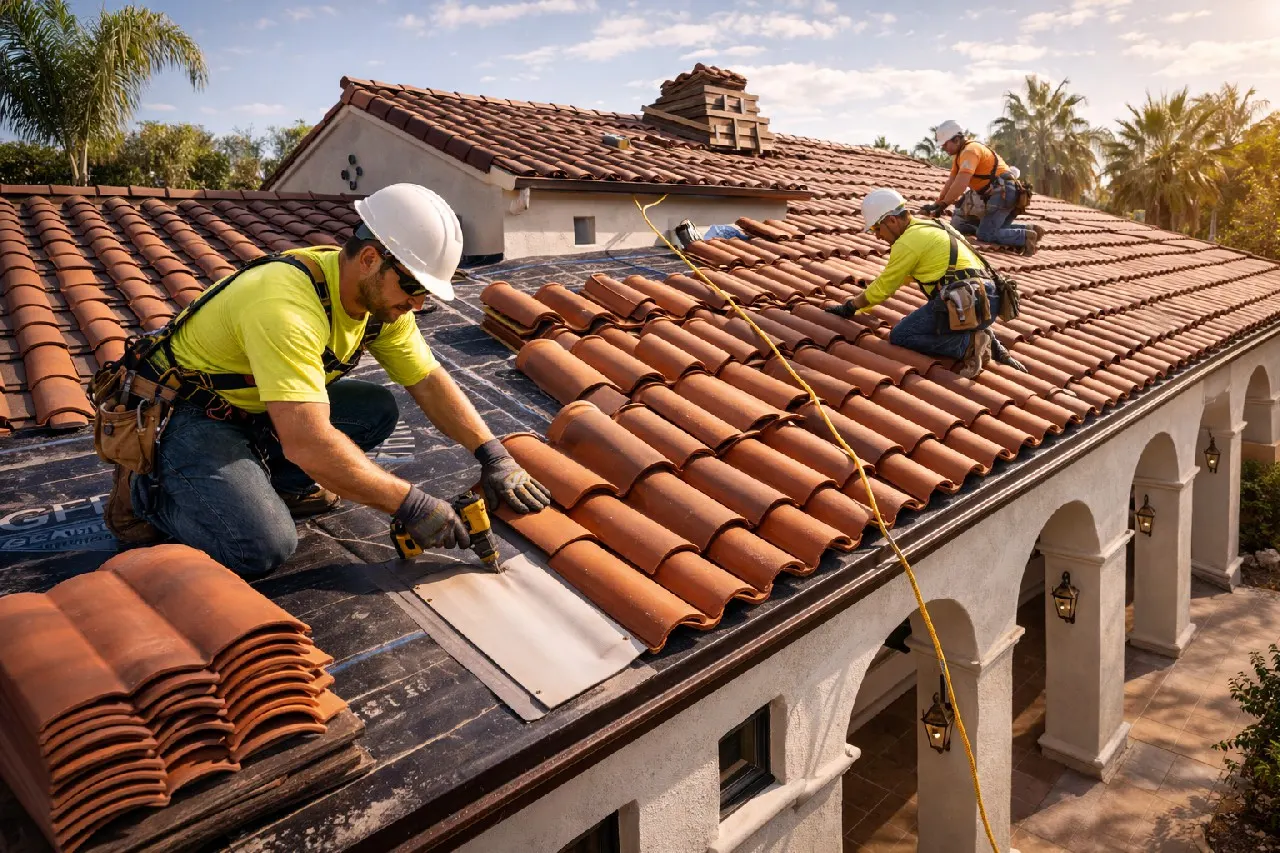
Why Tile Roofing is the Superior Choice for Savannah’s Coastal Climate
Savannah is beautiful, but our weather is brutal on standard roofing materials. Between the scorching summer heat and the salt-heavy air rolling off the Atlantic, your roof takes a constant beating.
Most shingles break down under this pressure, losing granules and curling long before their time. Tile roofing changes the game entirely because it is naturally immune to the decay that ruins lesser materials.
Here is why high-end homeowners in the Lowcountry are making the switch:
- Thermal Reflection: Clay and concrete tiles naturally reflect heat, keeping your attic cooler and lowering your monthly energy bills.
- Salt-Air Resistance: Unlike metal or asphalt, tile won't corrode or oxidize when exposed to the high salinity found in our coastal environment.
- Storm Endurance: Properly installed tile roofs act as a heavy, interlocking shield that stands firm against the high winds common during Georgia hurricane season.
Investing in tile is not just about curb appeal; it is a strategic move to stop the cycle of constant patching and repairs. You are installing a permanent solution that grows more valuable as your neighbors struggle with the predictable failure of cheaper roofing products.
Exploring Your Options: Clay, Concrete, and Composite Tile Varieties
When you commit to a tile roof, you aren't just buying shingles. You are choosing a lifetime armor for your Savannah home. Each material behaves differently under the intense Georgia heat and humidity, so pick your weapon wisely.
The Heavy Hitters
- Clay Tiles: These are the gold standard for that timeless, Mediterranean look. They are baked from natural earth, making them resistant to fire and the salt-heavy air of our coast.
- Concrete Tiles: If you want the aesthetic of clay but need to save on the upfront price, this is your best bet. They are molded from a mix of sand, cement, and water, providing a rock-solid defense against high winds.
- Composite Tiles: The modern underdog. These are engineered from recycled plastics and rubber, offering a lightweight profile that is almost indestructible.
Clay is legendary for its longevity, often lasting over 50 years with proper care. However, it is heavy, which means your home's structural framing must be sturdy enough to support the weight.
Concrete offers a fantastic compromise for Savannah homeowners. It provides excellent insulation against our swampy heat, keeping your AC from working overtime during those blistering July afternoons.
Composite tiles are the choice for those who love the classic slate look without the massive weight. Because they are flexible, they won't crack under the stress of shifting foundations or heavy debris falling during a storm.
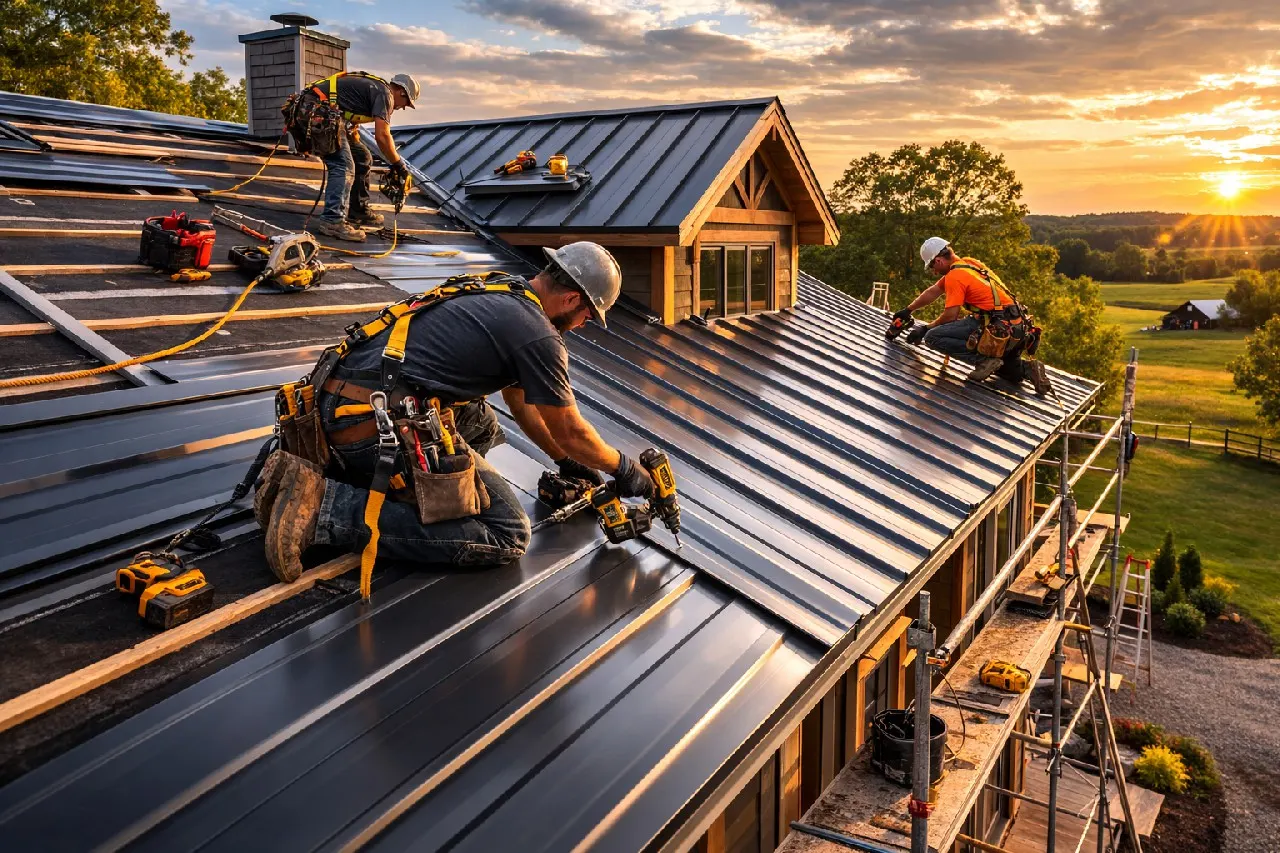
A Breakdown of Installation Costs and Budget Factors in Georgia
When you start pricing out a tile roof in Savannah, stop thinking about it as a simple expense. Think of it as a permanent upgrade to your home’s armor. You can generally expect to spend between $15 and $30 per square foot for a complete professional installation, depending on the material you choose.
That number isn't pulled out of thin air. It accounts for the heavy lifting required to get those tiles onto your rafters and the specialized labor needed to ensure they don't shift during a coastal gale.
Key Factors That Move the Price Needle
Don't fall for a low-ball estimate that leaves out the hidden realities of Georgia roofing. Here are the main drivers that dictate your final bill:
- Roof Pitch and Complexity: If your home has a steep slope or multiple dormers, the installation becomes more dangerous and labor-intensive. More time on the clock means more money out of your pocket.
- Structural Reinforcement: Tile is heavy. Before a single piece of clay hits your roof, an engineer may need to verify that your home’s framing can support the extra load. Upgrading your trusses is a non-negotiable cost if your home wasn't built for tile.
- Removal of Old Material: Stripping away an old asphalt roof and hauling it to the dump isn't free. This labor-intensive prep work is often the first place budget estimates go wrong.
- Underlayment Quality: The tile is just the skin. The real protection comes from the underlayment underneath. Investing in high-grade, heat-resistant membranes is mandatory to stop moisture from creeping into your attic during Savannah’s humid months.
Keep in mind that cheap is rarely good and good is rarely cheap when it comes to tile. If you find a contractor promising to install a tile roof for half the market rate, they are almost certainly cutting corners on the flashing or the underlayment. That is a recipe for a massive, expensive disaster once the next hurricane season hits our coast.
Navigating the Tile Installation Process: From Inspection to Final Inspection
Installing a tile roof in Savannah is not a weekend DIY project. It is a calculated, heavy-duty operation that requires a team of pros who know how to handle high-performance materials.
The process starts with a rigorous structural inspection. Tile is significantly heavier than asphalt shingles, so your contractor must verify that your roof decking and rafters can support the load. If your home isn't ready for the weight, they will need to reinforce the trusses before a single tile touches the surface.
The Critical Steps of a Professional Installation
Once the structure is prepped, the real work begins. You can expect the following sequence of events on your property:
- Tear-off and Decking Repair: Your old roofing system is completely removed to expose the wood deck. Any rot or water-damaged boards are replaced immediately to ensure a solid foundation.
- Underlayment Application: This is the most vital part of a Savannah roof. A high-grade, moisture-resistant underlayment is installed to act as the true secondary barrier against our heavy rain and salt-heavy air.
- Strategic Tile Layout: The team measures the roof planes to ensure the tiles align perfectly. This prevents "lipping" or gaps that would allow debris and moisture to gather under the tiles.
- Secure Fastening: Every single tile is either nailed or screwed into place according to local wind uplift codes. In our region, this step is non-negotiable for storm protection.
After the tiles are set, the final phase involves installing flashings around chimneys, vents, and valleys. This is where most cheap contractors cut corners, but a quality installation ensures these areas are sealed with premium metal flashings rather than temporary caulk.
Once everything is secured, the job concludes with a final walkthrough and inspection. We walk the roof with you to ensure that every tile is flush, every ridge cap is sealed, and your property is completely free of leftover construction debris.

Historic Savannah Renovation: A Tile Roof Case Study
Take a stroll through the Historic District, and you will see why tile is the gold standard for Savannah architecture. We recently worked on a classic 1920s residence that had suffered decades of water intrusion due to an outdated, failing shingle roof. The homeowners wanted to restore the authentic Spanish colonial aesthetic while ensuring the structure could handle our intense coastal heat.
The project came with specific challenges typical of older Georgia homes. We discovered that the original roof framing was not built to support the heavy weight of traditional clay tiles, so we had to get creative. Here is how we handled the restoration:
- We performed a structural load analysis to ensure the roof deck could handle the weight.
- Our team reinforced the rafters with modern lumber to create a rock-solid foundation for the new tile system.
- We chose lightweight composite tiles that mimic the look of aged clay, providing the aesthetic appeal without the crushing weight on the historic framing.
The result was a total transformation that honored the home’s history while giving it a 50-year lifeline. By respecting the original design intent and upgrading the materials, the property value increased significantly. If you own a historic property in Savannah, do not assume you are stuck with materials that fail every ten years. With the right engineering, you can have a roof that looks period-correct and performs like a fortress.
Maintenance Strategies to Extend the Lifespan of Your Tile Roof
A tile roof is a lifetime investment, but it is not a "set it and forget it" system. Even the toughest clay tiles need a little TLC to handle the salty Savannah air and heavy rain.
You should inspect your roof at least twice a year. Pay close attention to the following areas to prevent small issues from turning into major expenses:
- Debris Buildup: Clear away leaves and pine needles from your valleys and gutters. Trapped moisture under debris can encourage moss or algae growth.
- Cracked Tiles: Walk-through inspections are vital after severe storms. If you spot a cracked or slipped tile, have it swapped immediately to stop water from reaching the underlayment.
- The Underlayment: Remember that the tiles are just the armor. The real waterproofing happens underneath, so keep your vents clear to prevent heat and moisture buildup that can degrade the membrane.
Do not attempt to walk on the tiles yourself unless you have specific training. Clay and concrete are surprisingly fragile underfoot and can snap if stepped on incorrectly.
Always hire a professional for these inspections. They know exactly how to distribute their weight to keep your roof in pristine condition without causing incidental damage during the cleanup.
Final Words
Investing in a tile roof is a serious move for any Savannah property owner. It is not just a building material, but a permanent upgrade that secures your home against our intense coastal heat and unpredictable storm patterns.
If you are ready to stop patching your old asphalt shingles and start building long-term equity, exploring your Tile Roof Installation options is the next logical step. Remember, the quality of the installation matters as much as the tiles themselves.
Key Takeaways for Your Project
Before you commit to a contractor or a specific style, keep these non-negotiable points in mind:
- Ensure your current roof structure can support the substantial weight of clay or concrete tiles.
- Prioritize high-quality underlayment, as it acts as your primary defense against moisture.
- Always verify that your installer has specific experience with tile systems rather than just standard roofing.
Do not let the initial price tag cloud your judgment regarding the long-term value. A roof that lasts fifty years will always outshine a cheaper alternative that requires a full replacement in a decade.
People Also Ask
Is a tile roof good for the Savannah climate?
Yes, tile roofs are excellent for Savannah because they are naturally resistant to salt air corrosion and high humidity. Their thermal mass also helps keep your home cooler during Georgia's intense summer heat, leading to potential energy savings.How much does it cost to install a tile roof in Savannah?
The cost of a tile roof installation in Savannah typically ranges from $15 to $30 per square foot depending on the material type and roof complexity. Factors like structural reinforcement requirements and local labor costs will influence your final project estimate.How long do tile roofs last in Georgia?
With proper installation and routine maintenance, a high-quality tile roof can last 50 to 100 years. Clay tiles are particularly durable and are known to withstand Savannah’s weather cycles for several decades longer than traditional asphalt shingles.Do I need structural reinforcement for a tile roof?
Yes, because tile roofs are significantly heavier than other roofing materials, you often need to reinforce your roof decking or rafters. A professional inspection is essential to ensure your home’s structure can safely support the added weight of the tiles.Are tile roofs resistant to Savannah hurricanes?
Modern tile roofing systems are engineered to withstand high wind speeds when installed according to current building codes. Using advanced fastening techniques and underlayments provides a secure, wind-resistant barrier that protects your property during coastal storm events.Need Roofing Services?
We install and repair roofs across Savannah and nearby areas (31401, 31405, 31406, 31419, 31322) to deliver durable protection with efficient project timelines that minimize disruption.
Get Roofing Quote