


⚡ TL;DR: This guide highlights essential tips for your roof replacement in Savannah, helping you navigate coastal climate challenges, material quality, and contractor selection to ensure your roof lasts longer.
📋 What You’ll Learn
Replacing your roof in Savannah requires more than just shingles; it demands a strategy built for our unique coastal climate. Learn how to protect your investment and avoid costly, long-term damage.
- Mitigate coastal environmental damage by understanding how Savannah’s intense humidity and salt air rapidly degrade standard roofing materials if they are not specifically rated for our local climate.
- Prioritize long-term roof performance over initial price savings to avoid the recurring costs of structural rot and premature material failure caused by choosing subpar, budget-grade roofing components.
- Optimize your attic ventilation system to prevent the silent destruction caused by heat buildup, which leads to shingle curling and mold growth inside your Savannah home's roof deck.
- Verify essential contractor credentials by checking local licensing, comprehensive insurance, and verified Savannah-based references to ensure your installer has the specific experience required for our historic area.
- Evaluate critical installation components like high-quality underlayment and flashing, which are often overlooked but act as the primary defense against the heavy rains during our hurricane season.
📖 Reading time: 7 min
✍️ Author expertise: Savannah-based master roofer with two decades of experience repairing complex coastal roof systems.
Your roof is the only thing standing between your Savannah home and a sudden, humid downpour that could ruin your drywall and drain your savings. Most homeowners think a roof replacement is just about picking a shingle color, but one wrong move turns a solid investment into a three-year headache.
I have seen locals throw away thousands of dollars because they trusted the wrong crew or skipped a critical ventilation step. You do not want to be the person frantically calling for repairs six months after shelling out for a brand new system.
Before you sign a contract or let a stranger touch your shingles, look at the common traps that keep Savannah residents stuck in a cycle of constant maintenance.

Ignoring the Unique Impact of Savannah’s Coastal Humidity and Salt Air
Savannah isn't just another zip code. We live in a corrosive petri dish where the combination of relentless humidity and salt-laden air acts like a slow-moving wrecking ball for your shingles.
Most roofing contractors from outside the area don't understand that standard shingles aren't enough. They install "off-the-shelf" materials that look fine in Ohio, only to watch them rot and blister before your first homeowner’s insurance renewal.
If your roof isn't built to fight the salt and the moisture, you aren't just replacing shingles. You are paying for a future repair bill before the crew has even pulled their trucks out of your driveway.
Here is what you need to demand from your materials to survive the Lowcountry climate:
- Corrosion-resistant fasteners: Standard nails will rust and snap in the Savannah air, leaving your shingles loose during the next tropical storm.
- Algae-resistant shingles: That ugly black streaking you see on roofs across town isn't just dirt. It is Gloeocapsa magma feeding on the moisture trapped in your roof, and without copper-infused granules, your roof will look like a science experiment within months.
- High-performance sealants: Humidity prevents standard adhesives from bonding correctly. You need specialized products that actually stick in a 90% humidity environment.
Don't fall for the lie that a roof is a roof. If the materials aren't rated for coastal extremes, your bank account is about to take a hit.
Choosing Price Over Performance: The Dangers of Cutting Corners on Materials
When you see a quote that looks too good to be true, your internal alarm should be screaming. In the roofing business, you get exactly what you pay for, and cheap materials are a direct ticket to a premature roof failure.
Low-grade shingles might look fine on day one. However, they lack the UV inhibitors and algae-resistant granules necessary to survive the brutal Savannah sun.
Contractors who win bids by slashing material costs often skip the high-quality components that actually protect your home. Here is what you lose when you prioritize a low price tag:
- Impact resistance: Cheap shingles crack during minor Savannah thunderstorms.
- Granule adhesion: You will find your shingles balding after just two summers.
- Color fastness: Your roof will look faded and tired within a couple of years.
- Warranty security: Many manufacturers refuse to honor warranties if the base components don't meet their strict specifications.
Think about the cost of a full tear-off and replacement versus doing it right the first time. Using inferior materials turns a 30-year asset into a 5-year liability that forces you back into the repair cycle.
Don't be the homeowner who saves three thousand dollars today only to spend ten thousand fixing water damage tomorrow. Prioritize performance, stick to reputable brands, and demand high-tier materials that can withstand our specific coastal environment.
Why Improper Ventilation Is the Silent Killer of Savannah Roofs
Most Savannah homeowners treat ventilation as an afterthought, but in our humid coastal climate, it is the difference between a roof that lasts 30 years and one that rots in five. Without proper airflow, your attic becomes a sweltering oven during our brutal summers, trapping heat that effectively cooks your shingles from the underside.
This trapped heat does not just kill your shingles; it destroys your energy bills. When the air cannot escape, your HVAC system works twice as hard to fight off the rising temperatures, leading to a system burnout that costs more than the roof itself.
You need a balanced system that allows air to flow naturally from your eaves to your ridge. If you miss this step, you are inviting these disasters into your home:
- Premature Shingle Curling: Excess heat causes shingles to buckle and lose their protective granules.
- Mold and Mildew Growth: Stagnant, humid air creates the perfect breeding ground for toxic spores on your roof decking.
- Ice Damming and Moisture Traps: Even without snow, condensation buildup can saturate your insulation and cause interior ceiling stains.
Do not let a contractor tell you that "more shingles" will fix your problems. True professional roofing requires precise calculations for intake and exhaust vents based on the specific square footage of your attic space. If they are not measuring your current ventilation, they are not protecting your home; they are just slapping a bandage on a gaping wound.
Case Study: How a Subpar Installation Led to Costly Structural Rot in Ardsley Park
I recently walked a job site in Ardsley Park that serves as a cautionary tale for anyone looking to save a quick buck. A local homeowner hired a low-bid contractor to install a new roof on their historic craftsman home. The crew skipped the installation of proper drip edge and failed to seal the valley flashing correctly.
Because our Savannah air is constantly saturated with moisture, that oversight was catastrophic. Instead of shedding water away from the roof deck, the installation funneled it directly into the wooden rafters.
The damage was silent but deadly:
- Wood rot chewed through the sub-roofing in less than two years.
- Water seeped into the attic insulation, causing a massive mold bloom.
- The original, beautiful interior crown molding began to warp from the persistent dampness.
By the time the homeowner noticed a water stain on the ceiling, the repair bill had ballooned to double the cost of the original roof replacement. They didn't just pay for a new roof; they ended up footing the bill for structural carpentry, mold remediation, and interior finish work. It is a classic case of paying for the same job twice because the first crew didn't understand the physics of a coastal roof.
5. Failing to Verify Local Licensing, Insurance, and Savannah-Specific References
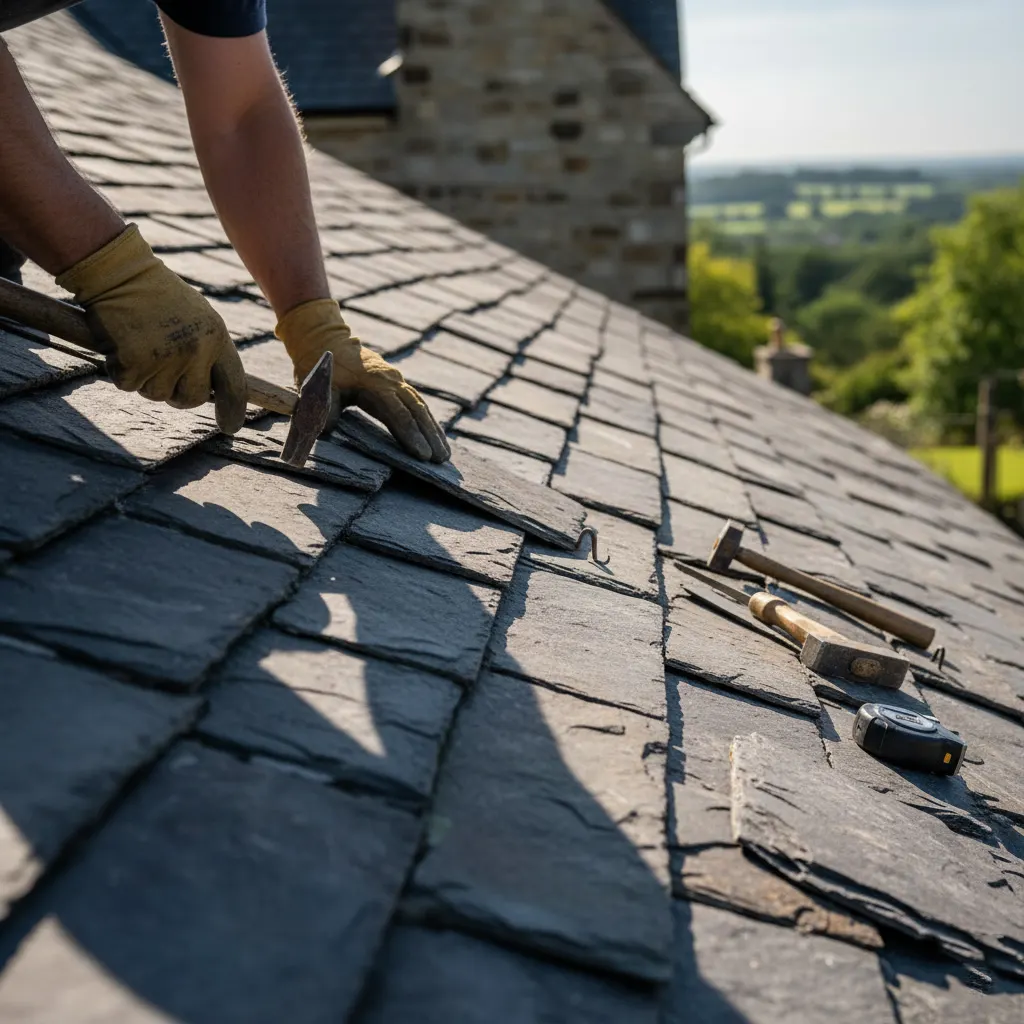
There is a massive difference between a guy with a truck and a licensed professional. In Savannah, anyone can claim they know roofing, but without the right paperwork, you are the one holding the bag when things go south.
If a worker falls off your roof or accidentally drops a tool through your ceiling, you need to know who is footing the bill. If they aren’t insured, you are the one getting sued or paying for the medical bills. That isn’t a risk worth taking for a minor price break.
Before you hand over a deposit, demand to see these three things:
- A valid Georgia state contractor license.
- Proof of comprehensive general liability and workers' compensation insurance.
- A list of at least three completed projects in Savannah from the last two years.
Don't just take their word for it, either. Call those past clients and ask the tough questions. Did they show up on time? Did they leave a pile of rusty nails in the driveway? Was the final bill exactly what they quoted in the beginning? If the contractor gets defensive when you ask for references, run away immediately.
A legitimate company will be proud to show off their local track record. They want you to see their work because they stand behind it. If they try to dodge your questions or blame "office policies" for not showing you a license, they aren't hiding a secret—they’re hiding a lack of credentials. Protect your assets by vetting every single person you allow on your property.
6. Overlooking Essential Roof Components Like Underlayment and Flashing
Many homeowners fixate on the shingles because that is the part they can actually see from the street. However, the true strength of a Savannah roof hides right underneath the surface.
Think of your shingles as the rain jacket, but your underlayment as the actual skin that keeps the water out. If a contractor tries to sell you on a cheap, thin felt paper, walk away immediately.
In our coastal climate, your roof needs high-quality, synthetic underlayment that resists tearing and moisture absorption. Skimping here is a direct invitation for rot to settle into your roof deck.
The Critical Role of Flashing
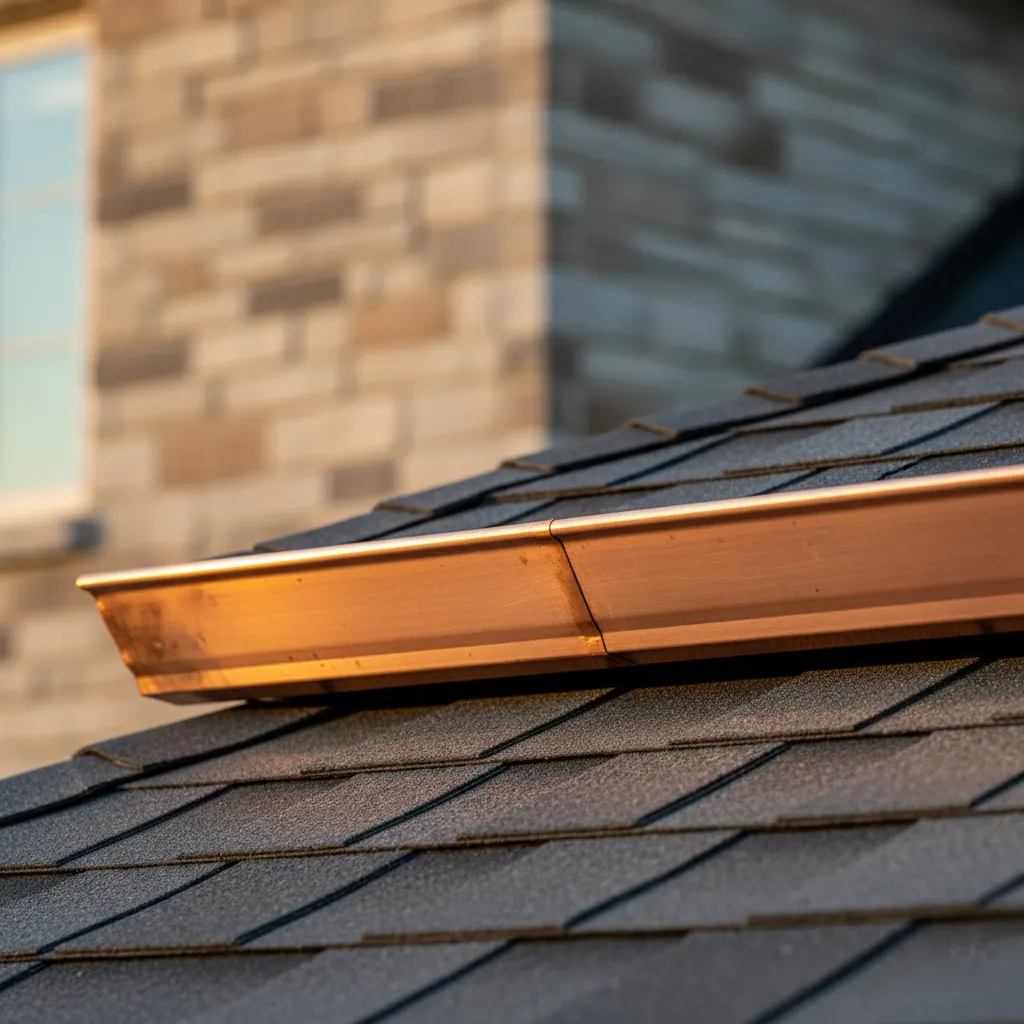
Flashing is the metal shielding installed around chimneys, vents, and valleys where two roof planes meet. When this is poorly installed or skipped altogether, your roof is essentially leaking from the jump.
Most leaks in Savannah homes do not happen in the middle of a flat shingle area. They happen at these specific junctions:
- Chimney intersections where the masonry meets the roof.
- Pipe boots around plumbing vents that crack under the Georgia sun.
- Valley areas where heavy rain channels converge.
If your installer tells you they can just reuse the old metal flashing to save a few bucks, call their bluff. You are paying for a new system, not a patch job that relies on rusted, compromised materials from a decade ago.
Final Words: Ensuring Your Roof Investment Lasts for Decades.
A new roof is not a weekend DIY project or a commodity you buy at the lowest price. It is the most critical infrastructure asset protecting your home from the punishing Savannah climate.
When you prioritize quality materials and professional installation, you are essentially buying peace of mind. Investing correctly the first time prevents the financial bleeding caused by premature leaks and structural decay.
If you are ready to stop worrying about your ceiling every time a storm rolls in off the Atlantic, explore our full range of Roof Replacement solutions. We build roofs designed to survive the salt, heat, and moisture that define our coastal environment.
To ensure your investment stands the test of time, keep these non-negotiables in mind:
- Always insist on high-grade synthetic underlayment rather than standard felt paper.
- Demand a documented ventilation plan that accounts for our specific local humidity levels.
- Verify that your contractor uses corrosion-resistant fasteners meant for coastal exposure.
- Ask for proof of local insurance coverage before a single ladder hits your siding.
Your home deserves a roof that works as hard as you do. Do not settle for shortcuts that cost you double in the long run.
People Also Ask
What is the best roofing material for Savannahs coastal climate?
Metal roofing is widely considered the best option for Savannah due to its superior resistance to salt air corrosion and high winds. Asphalt shingles can also work well, provided they are high-quality architectural shingles rated for high humidity and heat.How often should a roof be replaced in Savannah, Georgia?
While asphalt shingle roofs typically last 15 to 20 years, Savannahs intense sun and humidity can accelerate wear. It is recommended to have a professional inspection every few years to identify signs of granule loss or moisture damage before a full replacement is needed.Do I need a building permit to replace my roof in Savannah?
Yes, the City of Savannah requires building permits for most roof replacement projects to ensure the work meets local building codes. Your roofing contractor should handle the permitting process and ensure that all inspections are scheduled and passed.How does Savannahs humidity affect roof longevity?
High humidity promotes the growth of algae and moss, which can trap moisture against your roof surface and degrade shingles prematurely. Proper attic ventilation is critical in our climate to prevent this moisture buildup and extend the overall lifespan of your roofing system.Why is local experience important when choosing a Savannah roofer?
A local contractor understands the specific challenges of our coastal environment, including hurricane-force wind requirements and salt-air mitigation strategies. Hiring someone with local experience ensures they are familiar with regional building codes and the specific structural needs of Savannah homes.Need Roofing Services?
We install and repair roofs across Savannah and nearby areas (31401, 31405, 31406, 31419, 31322) to deliver durable protection with efficient project timelines that minimize disruption.
Get Roofing Quote