
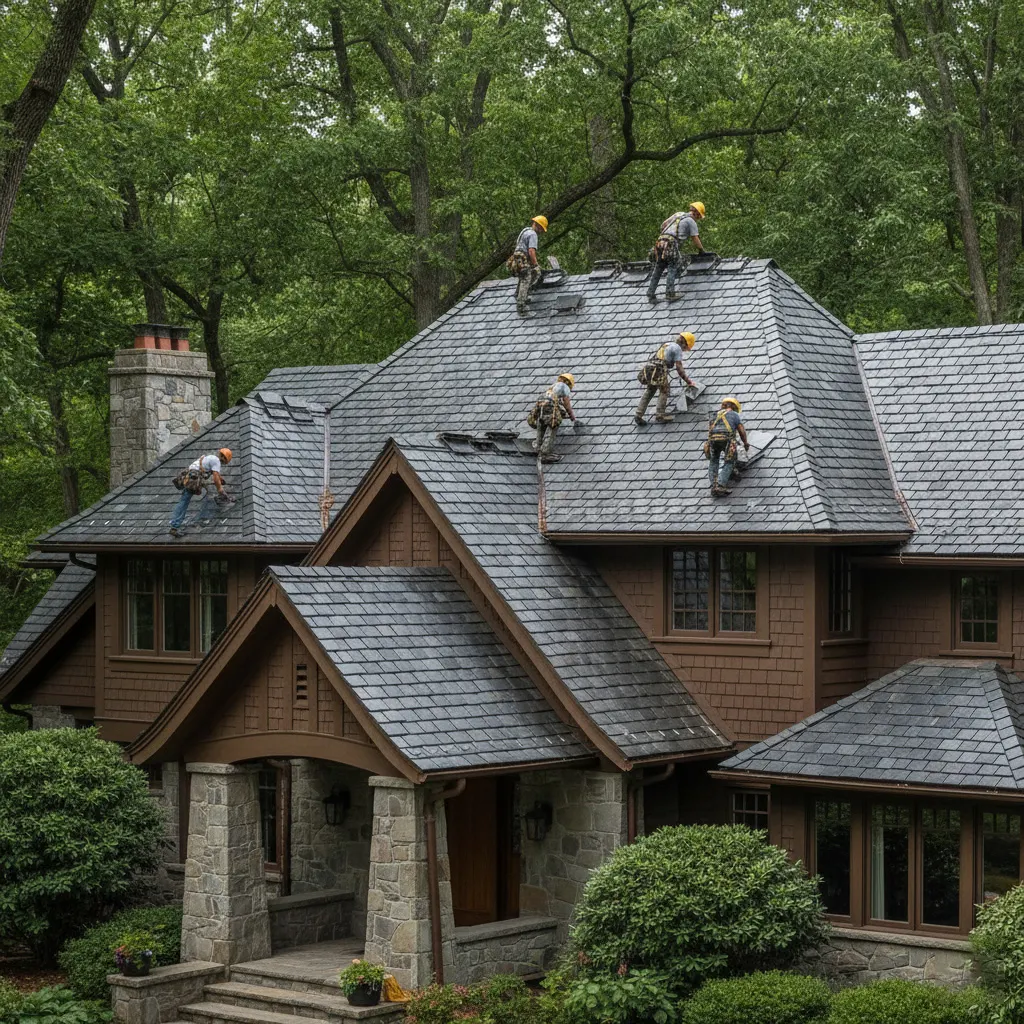


⚡ TL;DR: This guide details essential metal roof installation strategies for Savannah homeowners, focusing on preventing coastal corrosion, managing thermal expansion, and selecting qualified professionals to ensure long-term structural integrity.
📋 What You’ll Learn
In this guide, we dive deep into the specific challenges of installing metal roofs in Savannah, providing professional insights to help you avoid costly mistakes and ensure your roof survives coastal weather.
- Master local coastal defense strategies to prevent premature corrosion caused by our humid, salty air, ensuring your steel or aluminum roofing panels remain structurally sound for decades in Savannah.
- Optimize your attic ventilation systems to effectively combat extreme Georgia heat, preventing trapped moisture from damaging your roof deck or creating the perfect environment for hidden black mold growth.
- Select the right hurricane-rated underlayment to provide a critical secondary barrier against wind-driven rain, protecting your home’s interior during our unpredictable and often intense Atlantic hurricane season storms.
- Understand critical thermal expansion mechanics to prevent loose fasteners and oil-canning, ensuring your metal roof system can safely expand and contract without compromising its seal during temperature shifts.
- Vet your potential roofing contractor by asking specific technical questions about installation practices that expose whether they truly understand the unique demands of Savannah’s coastal climate conditions.
📖 Reading time: 8 min
✍️ Author expertise: Savannah-based master roofer with two decades of experience installing durable metal systems locally.
Your Savannah roof takes a brutal beating from 95-degree heat, relentless humidity, and the occasional hurricane-force gale. Most homeowners think a metal roof is just a hunk of steel they slap on, pay for, and forget about for thirty years.
That is exactly how you end up with a rusted, leaking mess that costs you a fortune to fix after just five seasons. There are specific, hidden traps in coastal Georgia climate control that your average contractor will conveniently leave out of the conversation.
I have spent years watching the wrong materials fail under the Lowcountry sun. Here is the truth about what actually happens on your roof when nobody is looking.
Keep reading to discover the critical mistakes that turn a lifetime investment into a massive financial headache.
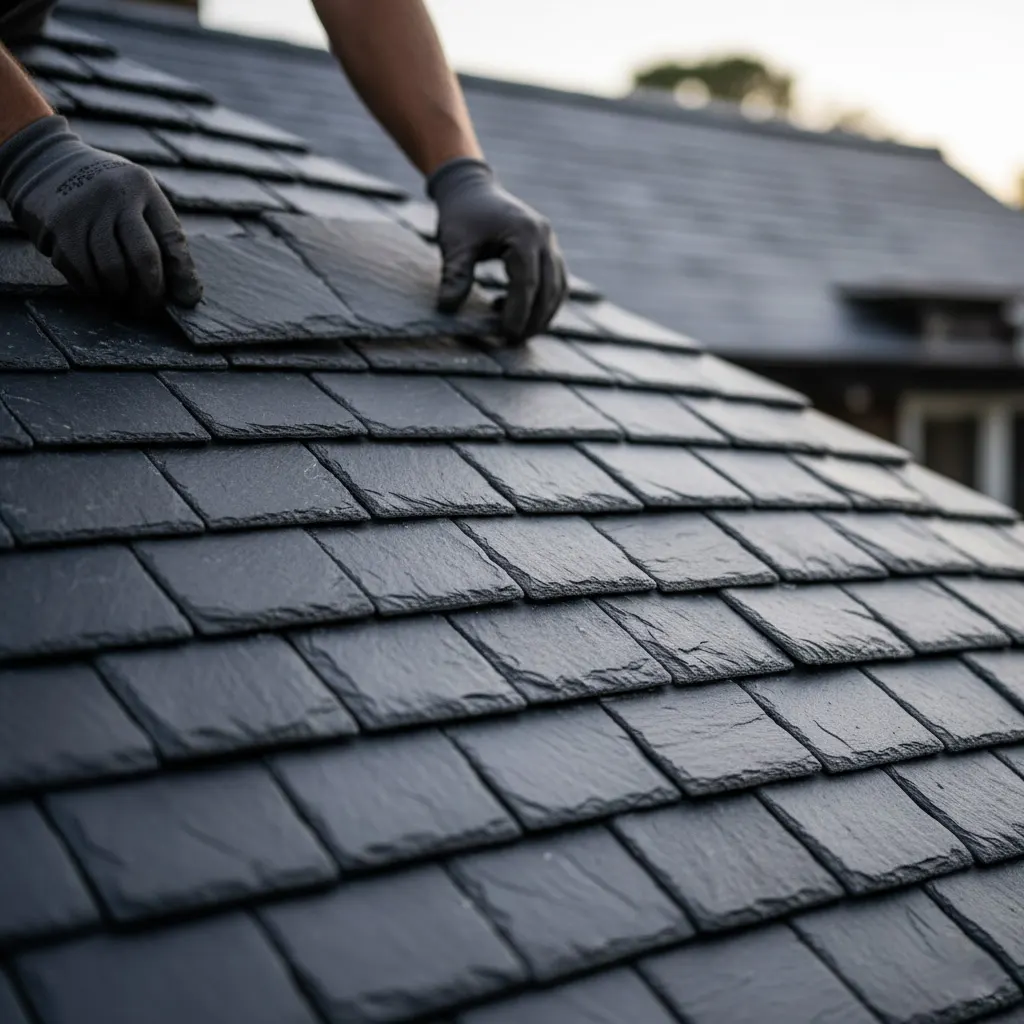
The Coastal Corrosion Trap: Why Standard Steel Isn’t Enough for Savannah
Most homeowners in Savannah assume that if a roof is made of metal, it is naturally invincible. They imagine a shiny shield that laughs at the rain and heat, but the salt-heavy air of the Lowcountry is a silent killer.
If your contractor installs basic galvanized steel, you are essentially installing a ticking time bomb. The salt mist that rolls off the Atlantic acts like acid, aggressively eating away at the protective zinc coating of standard metal panels.
Once that microscopic layer of protection is breached, corrosion spreads like wildfire. You won't just see a little rust; you will see structural decay that eats through your fasteners and compromises the entire deck of your home.
To avoid a premature roof replacement, you must demand materials designed for the coast. Here is what separates a long-term investment from a five-year mistake:
- Galvalume vs. Galvanized: Demand Galvalume steel. It uses a coating of zinc and aluminum that resists salt spray far better than standard galvanized metal.
- Kynar 500 Coatings: This is the gold standard for paint finishes. It prevents the chalking and fading that happens when the sun and salt team up to attack your property.
- The Aluminum Alternative: If you live within a few blocks of the water, skip steel entirely. High-grade aluminum does not rust. Period. It is a higher upfront cost, but it is the only way to ensure your roof won't dissolve in the Georgia humidity.
Your contractor might try to push the cheaper, "standard" stuff because it is easier to stock and yields higher margins for them. Do not fall for it. Standard steel is for the suburbs, not the shore.
Proper Ventilation Secrets: Preventing Attic Heat Traps and Mold Growth
Most Savannah homeowners treat their attic like a forgotten basement, but in our humid climate, it is actually the engine room of your home. When you install a metal roof, that metal acts like a giant radiator. If you do not have a robust ventilation system, that heat has nowhere to go but down into your living space, or worse, into your insulation.
Trapped heat is a disaster, but trapped moisture is a death sentence. When the warm, humid Georgia air meets a cool roof deck, you get condensation. That hidden water drip leads to two things: rotting roof decking and a black mold colony growing inside your rafters.
The "Invisible" Fixes Your Roofer Might Skip
You need a balanced intake and exhaust system to keep the air moving before it stagnates. If your contractor just slaps down metal panels without checking your soffit vents, they are setting you up for failure. Here is what separates a professional installation from a hack job:
- High-volume ridge vents: These must be matched to your attic square footage, not just thrown on to look pretty.
- Baffled soffit intake: If your insulation is blocking these, your roof cannot breathe, and your shingles—or metal—will fry from the underside.
- Power attic fans: In many Savannah historic homes, passive venting is not enough. You need mechanical help to push that moisture out before it settles.
Do not let a roofer tell you that metal is "self-ventilating." That is a lie designed to save them time during the install. A properly ventilated roof will actually drop your cooling bills and extend the life of your metal panels by decades. If they are not talking about your soffits and ridge vents, walk away.
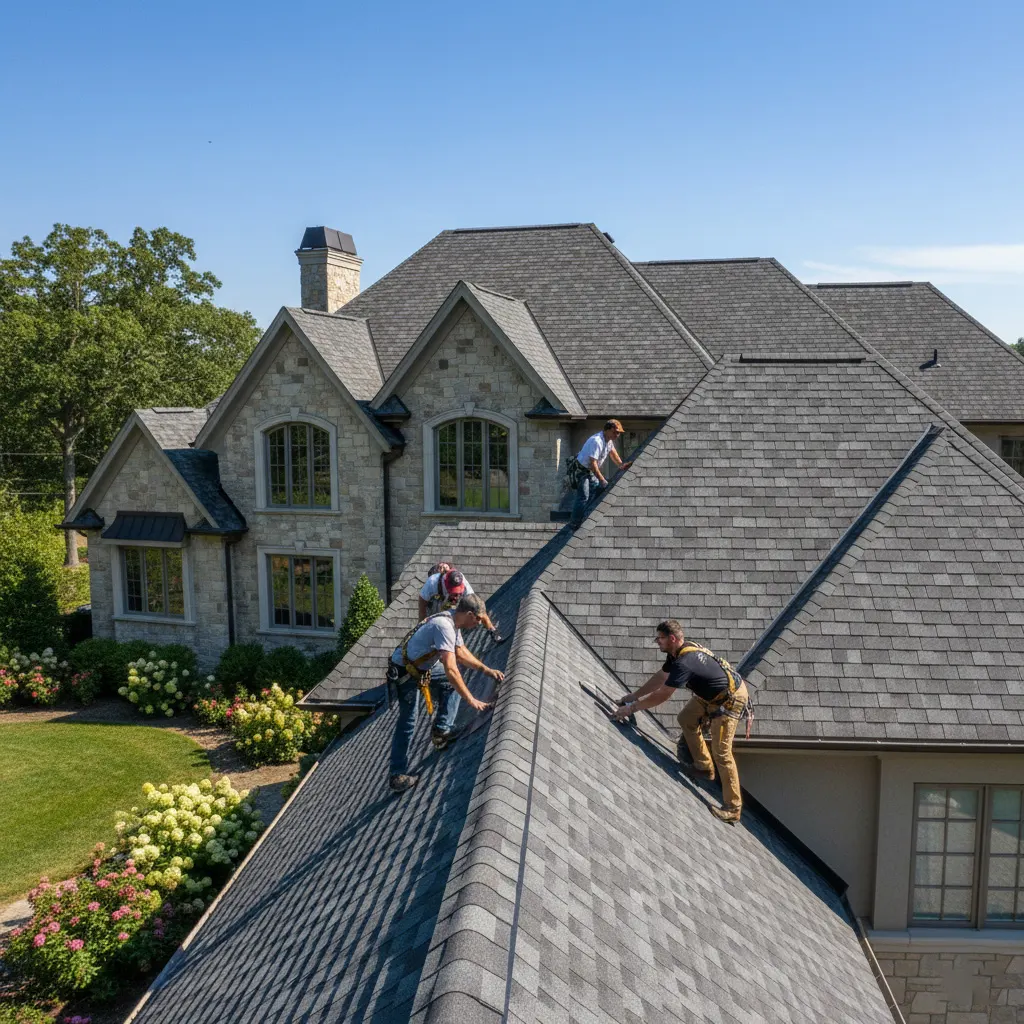
3. The Importance of Underlayment Quality in Hurricane-Prone Regions
Most homeowners assume the metal panels are the primary barrier against the elements. That is a dangerous misconception that leads to rot.
When a hurricane tears through Savannah, the high-pressure winds don't just push against the metal. They force moisture and debris into every microscopic gap beneath your roof panels.
If you have installed cheap, felt-based underlayment, you are essentially laying down a sponge. Once that felt gets wet, it stays wet, leading to mold and deck deterioration long before the metal itself begins to fail.
The "High-Temp" Synthetic Requirement
In our climate, the temperature under a metal roof can easily spike over 160 degrees. Standard synthetic underlayments will actually melt or lose their grip under these conditions.
You need a high-temperature rated, self-adhering membrane that provides a secondary seal. Think of it as your insurance policy when the outer metal layer eventually loses a battle with wind-blown debris.
- Waterproofing: A high-quality membrane seals around every single fastener penetration.
- Wind Uplift: A properly adhered underlayment keeps the structural deck intact even if a panel is lifted.
- Longevity: Unlike organic felt, these advanced materials do not rot or lose their structural integrity over time.
If your contractor is suggesting standard 15-pound felt, show them the door. You are paying for a premium metal roof, so don't let them compromise the system with bottom-tier paper that will fail in a single Savannah storm season.
4. The Hidden Impact of Thermal Expansion on Savannah’s Metal Roof Fasteners
Most folks don't realize that metal is a living, breathing material. In Savannah, the temperature difference between a scorching summer afternoon and a cool evening causes your roof to expand and contract by several inches across its entire span.
When your roofer uses cheap, standard screws, they create a ticking time bomb. As the metal moves, these rigid fasteners struggle to keep up, eventually wallowing out the holes in your roofing panels until they are nothing more than wide, leaky craters.
To stop this, you have to prioritize the physics of the installation. Here is how the pros prevent fastener failure:
- Use oversized or high-quality neoprene washers that maintain their seal despite constant movement.
- Install slotted holes or clips that allow the metal to slide naturally without putting stress on the screws.
- Upgrade to stainless steel fasteners that won't corrode and snap when the metal pulls against them during thermal shifts.
If your contractor is just driving standard screws straight through the panel, they are setting you up for failure. This isn't just a minor oversight. It is a structural flaw that will guarantee leaks the moment the seasons start to shift.
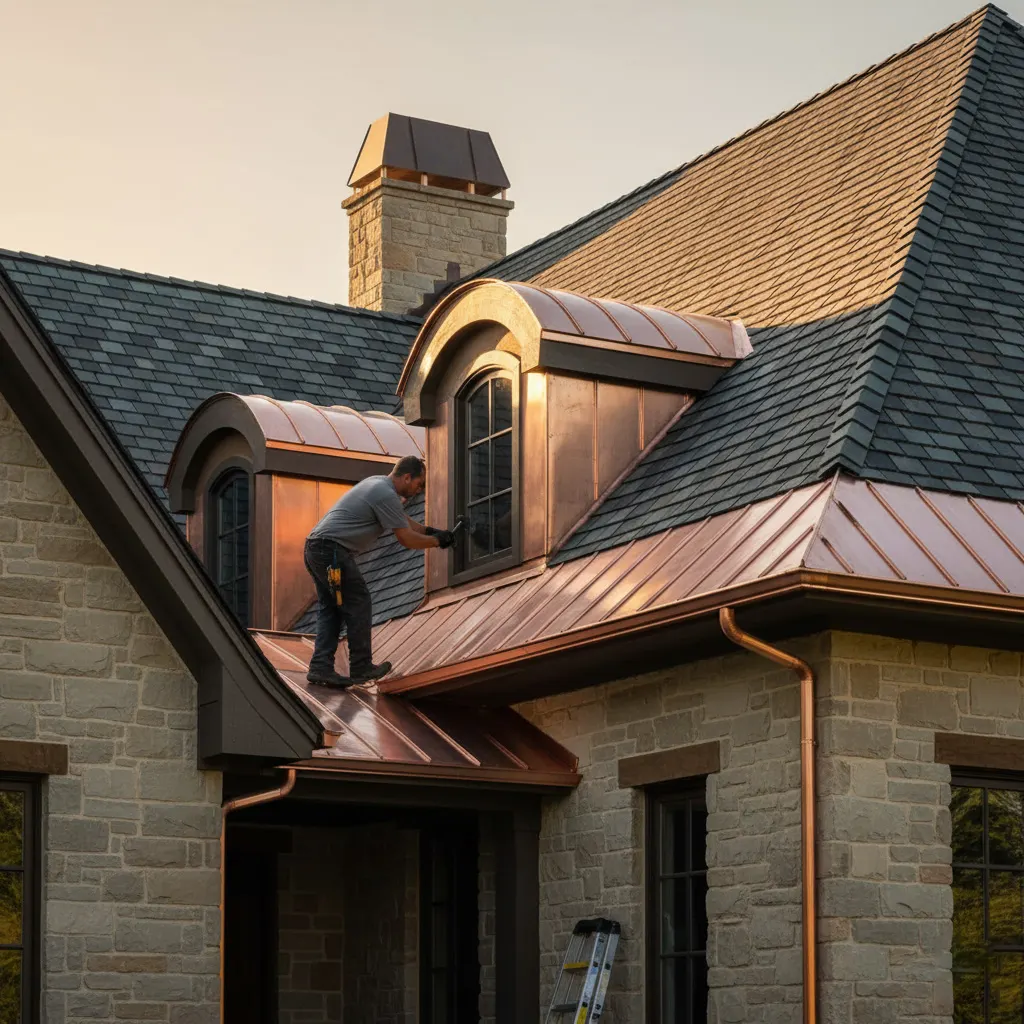
Case Study: Solving Persistent Leaks in a Historic Savannah Home
We recently took a call from a homeowner in the Historic District whose century-old residence had become a sieve. They had spent thousands on three different repair attempts, yet every time a heavy afternoon thunderstorm rolled through, water showed up in their hallway.
The previous contractors had installed a beautiful metal roof, but they made a rookie mistake. They treated a historic wood deck like a modern suburban build.
Here is what we discovered hidden under the panels:
- The old-school wood planking had shrunk over decades, creating uneven gaps that made standard screw-down fasteners lose their grip.
- The original installers ignored the moisture trapped underneath, assuming the metal would just dry out.
- The flashing at the chimney was sealed with cheap, hardware-store caulk that turned into a brittle, cracked mess within months.
We stripped the mess back to the rafters to fix the underlying structural rot. We then installed a high-temp self-adhering underlayment that seals around every single nail penetration.
By upgrading their system to a concealed fastener standing seam profile, we allowed the metal to move with the Savannah heat without popping the seals. The result was simple: a dry home, zero callbacks, and a roof that respects the architectural integrity of the past.
How to Vet a Savannah Roofer: Questions They Hope You Never Ask
Most roofing contractors in Savannah want you to ask about the price and the color of the metal. They hate it when you start asking about the technical integrity of the installation because it forces them to admit where they cut corners to stay cheap.
If you want to avoid a contractor who views your home as a quick payday, force them to answer these uncomfortable questions. If they squirm, start stuttering, or give you a generic sales pitch, walk away immediately.
The "Uncomfortable" Question Checklist
- Do you use stainless steel fasteners, or just standard coated screws that will corrode in a year?
- Can you show me a project where you accounted for thermal expansion on a long-run panel?
- What specific high-temp underlayment are you using to prevent the adhesive from melting into the metal in our heat?
- Are you installing a vented ridge system, or just capping the roof and hoping for the best?
- Can you provide a list of three local references from five years ago, not just last month?
A true professional knows that coastal installation is an engineering job, not a construction project. They should be able to explain the science of airflow and fastener tension without looking at a manual.
If they cannot explain the difference between exposed fastener systems and concealed clip systems in relation to Savannah’s wind loads, they aren't experts. They are just laborers. You are paying for a roof that stays put during a storm, so do not settle for a contractor who relies on luck rather than logic.
Final Words: Protecting Your Home’s Future with Smarter Installation Practices
Investing in a Metal Roof Installation is not just about picking a color or a profile. It is about choosing a system engineered to battle the specific atmospheric chemistry of coastal Georgia.
When you demand high-grade materials and proper installation techniques, you move from being a victim of the weather to a master of your home’s durability. You stop buying repairs and start buying peace of mind.
To ensure your roof stands the test of time, keep these non-negotiables in mind:
- Demand Galvalume finish instead of standard galvanized steel to prevent premature rust.
- Ensure your contractor installs high-temp synthetic underlayment to avoid moisture buildup.
- Verify that the fasteners have oversized holes or specific clips to allow for the metal to expand under our scorching Savannah sun.
- Check the ventilation math to make sure your attic can actually breathe.
Do not let a "quick and cheap" quote fool you into thinking you are getting a deal. A cheap roof is often the most expensive item you will ever buy because you end up paying for it twice.
Ask the hard questions today so you are not left scrambling when the next tropical system rolls through the Atlantic. Your home is your biggest asset, and the roof is the only thing standing between your family and the elements.
People Also Ask
Is metal roofing suitable for coastal areas like Savannah?
Yes, metal roofing is an excellent choice for Savannah, provided you select the right materials. To combat salt-air corrosion, experts recommend using marine-grade aluminum or specialized Kynar-coated steel rather than standard galvanized steel.How do you prevent rust on a metal roof near the ocean?
Preventing rust requires installing high-quality, corrosion-resistant metals and ensuring that all cut edges are properly sealed. Regular professional inspections and rinsing the roof with fresh water can also help remove salt buildup that accelerates oxidation.Does a metal roof make a house hotter in Georgia summers?
Actually, metal roofs are highly reflective and can significantly reduce cooling costs compared to traditional asphalt shingles. When installed with a proper ventilated air gap, they prevent heat from transferring into the attic, keeping your home much cooler during humid Georgia summers.Why is underlayment critical for metal roofs in hurricane zones?
The underlayment acts as the final line of defense against moisture intrusion during high-wind events. In hurricane-prone Savannah, using a high-temperature synthetic underlayment is essential to ensure a watertight seal even if shingles or panels are lifted by storm forces.How often should metal roof fasteners be checked in Savannah?
Because Savannah experiences extreme humidity and significant thermal expansion, fasteners can loosen over time. It is recommended to have a professional check your fasteners and gaskets every three to five years to ensure they remain tight and waterproof.Need Roofing Services?
We install and repair roofs across Savannah and nearby areas (31401, 31405, 31406, 31419, 31322) to deliver durable protection with efficient project timelines that minimize disruption.
Get Roofing Quote