


⚡ TL;DR: This guide reveals how Savannah’s unique coastal climate impacts your home, teaching you which critical details to prioritize during a professional roof inspection to prevent expensive structural damage.
📋 What You’ll Learn
Navigating the unique climate of the Lowcountry requires specialized knowledge. This guide reveals the hidden truths about Savannah roof inspections that most contractors overlook to ensure your home stays protected.
- Master the Savannah climate factor by understanding why standard national inspection checklists fail to address the specific moisture and humidity challenges common to coastal Georgia homes and buildings.
- Detect hidden structural decay early by learning how to identify salt-air corrosion and microscopic moisture buildup under your decking before it evolves into a costly, widespread mold infestation.
- Uncover ignored critical components during your next evaluation by focusing on flashing details and ventilation gaps that contractors frequently skip during quick, surface-level roof assessment walkthroughs.
- Ask the right expert questions to effectively vet your roofing contractor, ensuring you transition from reactive, temporary patch-jobs to a proactive, long-term strategy for total roof health.
📖 Reading time: 7 min
✍️ Author expertise: Savannah-based master roofer with twenty years of hands-on field experience repairing coastal roofs.
Most Savannah homeowners think a roof inspection is just a quick glance at some shingles and a thumbs up from a guy with a ladder. They believe that if the roof isn't actively leaking into their master bedroom, everything is perfectly fine.
That false sense of security is exactly how thousands of dollars in hidden damage take root right under your nose. The salt air and brutal humidity of the Lowcountry are silently eating away at your home, and your typical "free inspection" contractor is likely glossing over the very details that will cost you a fortune later.
There are specific, ugly truths about your roof’s health that most companies are terrified to tell you because they don't want to kill the sale or deal with the messy reality of a true repair. Here is what is actually happening above your head and why you need to know the difference between a real inspection and a sales pitch.
Let's pull back the curtain on the industry secrets that are keeping your roof in a state of slow decay.
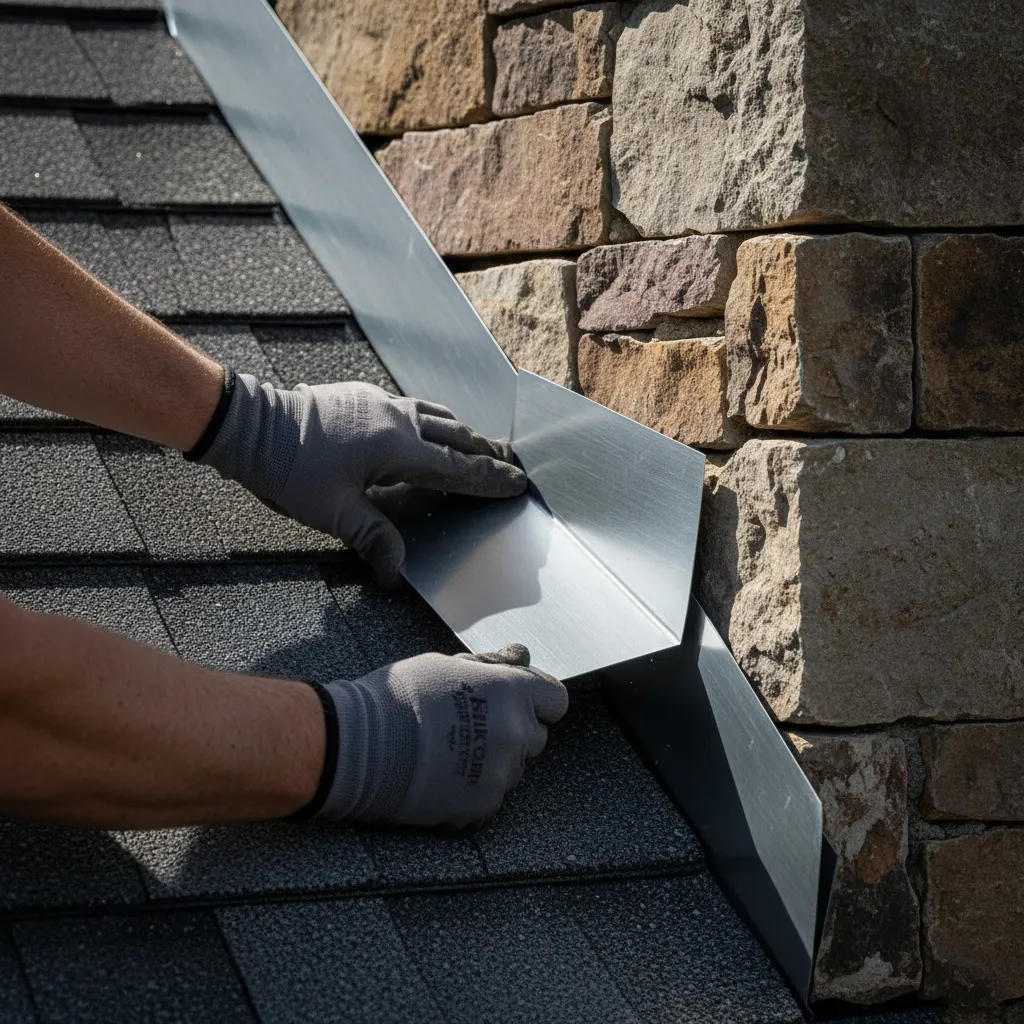
The Savannah Climate Factor: Why Standard Roof Inspections Fail in the Lowcountry
Most roof inspections in Savannah follow a generic checklist designed for the dry heat of Arizona or the mild suburbs of the Midwest. That approach is a death sentence for your Lowcountry home. Your roof isn't just fighting gravity; it is under constant biological and chemical assault from a climate that never truly sleeps.
The standard inspector ignores the micro-climate sitting right on your shingles. They look for missing tabs or loose nails, but they completely bypass the environmental stressors that make Savannah homes unique. Here is why a cookie-cutter inspection misses the mark:
- Thermal Shock: Our intense afternoon sun heats your shingles to 150 degrees, only for a torrential thunderstorm to drop that temperature by 40 degrees in minutes. This rapid expansion and contraction shatters the integrity of standard asphalt shingles.
- Algae Proliferation: High humidity levels provide the perfect petri dish for Gloeocapsa Magma. This isn't just an ugly stain; it is a living organism that feeds on the limestone filler in your shingles, effectively eating your roof from the outside in.
- Wind Uplift Pressure: Savannah is a high-wind zone. A quick peek at the surface won't tell you if your shingles have lost their adhesive bond, leaving them ready to peel off like a deck of cards during the next tropical storm.
If your inspector isn't checking the ventilation intake or the moisture levels of your roof decking, they are just guessing. They are looking at the skin while the skeleton of your home rots away. You don't need a surface-level glance, you need a forensic analysis of how the Savannah climate is specifically targeting your property.
Beyond the Shingles: The Critical Components Your Inspector is Probably Ignoring
Most roofing inspectors are trained to perform a "curb-side assessment." They look at the slope, check for a few missing shingles, and call it a day. But if you ignore the anatomy underneath the surface, you are just waiting for a disaster to strike.
Your roof is a complex integrated system, not just a sheet of asphalt. If the inspector doesn't crawl into your attic or look at the components supporting the structure, they are guessing at your roof's health.
Here are the hidden parts that dictate whether your roof lasts twenty years or fails in five:
- Attic Ventilation Baffles: Without these, moisture gets trapped, cooking your shingles from the inside out.
- Pipe Boot Collars: These rubber seals crack quickly in Savannah heat, creating a direct highway for water to enter your walls.
- Fascia and Soffit Integrity: Rot here is the first sign of water intrusion that will eventually compromise your entire roofline.
- Nail Pop Analysis: If the nails are backing out, it means your decking is moving or the fasteners were under-driven during the initial install.
Don't let a contractor play the "out of sight, out of mind" game with your home. If they haven't checked the internal flashing points and the state of your ventilation system, they haven't actually inspected anything at all.
They are simply taking a picture of your shingles and hoping for a commission. You need to demand a comprehensive review that covers these neglected zones before you sign any repair contract.

The "Salt-Air" Corrosion Trap: How Humidity and Coastal Exposure Accelerate Structural Decay
Living in Savannah means you are constantly fighting a silent, invisible enemy: salt-laden air. While you enjoy the coastal breeze, your roof is paying the price for that proximity to the Atlantic.
Most inspectors will check for missing shingles, but they completely ignore the chemical warfare happening on your metal components. Salt acts as an electrolyte, turning your roof into a giant battery that accelerates oxidation on anything metallic.
If your inspector isn't getting up close with the fasteners and flashing, they are missing the slow-motion destruction of your roof’s integrity. Over time, this corrosion leads to premature fastener failure, causing panels to lift during even moderate Savannah thunderstorms.
What the Corrosion Trap is Actually Doing to Your Home
It is not just about rust on the surface. When the metal fasteners that hold your roof together lose their grip due to salt corrosion, the entire system begins to move and chatter in the wind.
- Corroded Nail Heads: These lose their seal, creating perfect entry points for wind-driven rain.
- Degraded Flashing: Salt eats through the protective coatings on valleys and chimney caps, turning flexible metal into brittle, porous sheets.
- Gutter Rot: If your hangers are rusting out, your drainage system will eventually sag, causing water to back up directly under your eaves.
Ignoring this is a financial death wish for your home. You cannot see this type of damage from the ground, and a guy just walking the ridge line will never spot the pitting and structural weakening occurring at the fastener level.
If your roofing contractor doesn't pull a few fasteners to check for corrosion, they aren't inspecting your roof. They are merely performing a visual ritual that keeps you in the dark until a leak forces your hand.
Identifying Micro-Leaks: Detecting Moisture Trapped Under Your Decking Before Mold Sets In
Most leaks in Savannah don't start as a steady drip; they begin as micro-leaks. These are tiny breaches where humidity sneaks through compromised shingle underlayment, settling directly onto your roof decking.
Because our Lowcountry heat acts like a kiln, this trapped moisture creates a breeding ground for mold and wood rot. By the time you spot a water stain on your ceiling, the damage to your decking is already severe.
A true inspection goes beyond looking at the surface. Your contractor needs to hunt for the early warning signs of internal moisture:
- Dark, spongy spots on the underside of your decking visible from the attic.
- Unusual, musty odors lingering near your attic vents or crawl spaces.
- Rust stains appearing on your nails or fasteners, which indicate internal condensation.
If an inspector stays on the roof and never checks your attic, they aren't inspecting your roof—they are just checking your shingles. You need eyes inside the attic to catch these micro-leaks before they turn into a full-blown structural crisis.
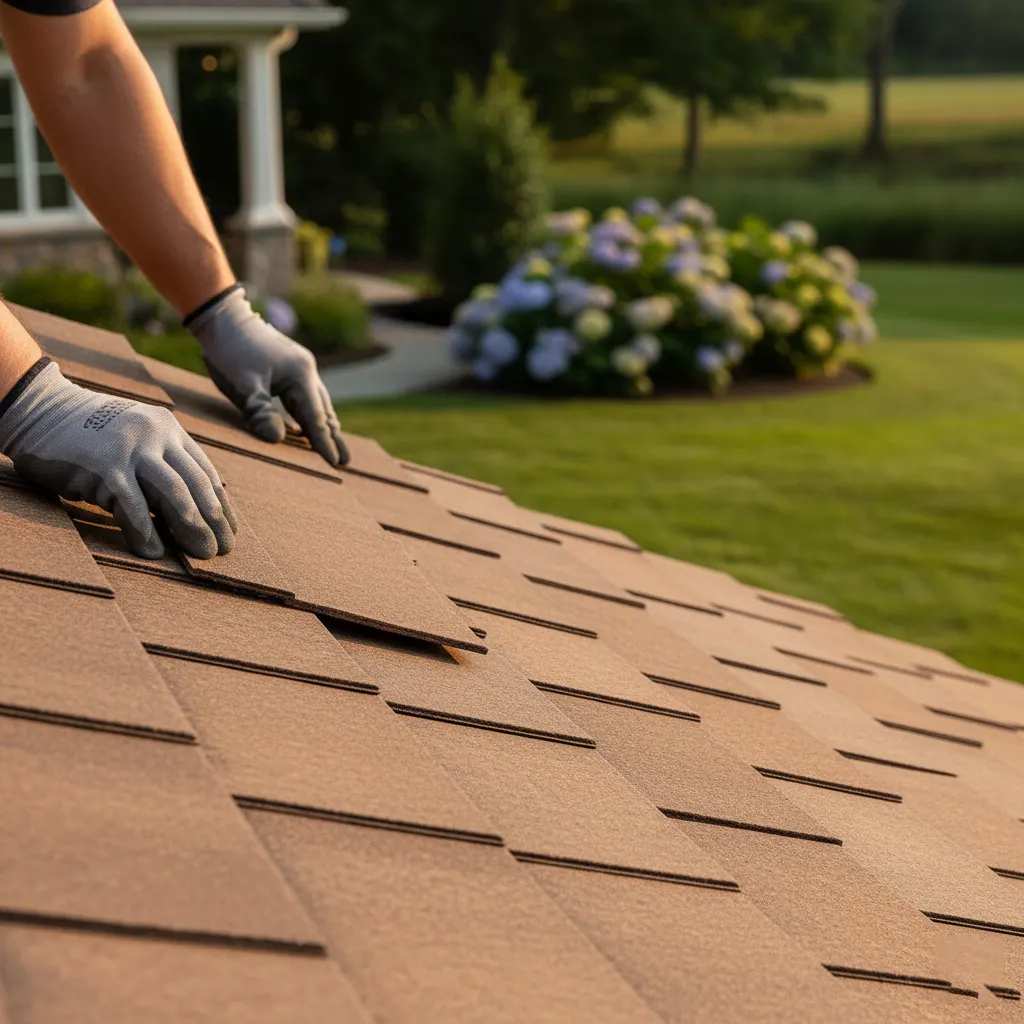
Case Study: How an Overlooked Flashing Detail Led to a $12,000 Interior Restoration
I recently visited a historic home in the Ardsley Park area where the homeowner thought they had a solid roof. A previous inspector gave them a clean bill of health because the shingles looked decent from the street.
However, the installer had improperly sealed the chimney flashing years ago. Because it wasn't visible from the ground, it was completely ignored.
By the time the homeowner noticed a small, yellowish watermark on their ceiling, the damage was already done. Here is what we found once we pulled back the layers:
- The wood decking around the chimney was completely rotted through.
- Water had been silently traveling down the rafters for two seasons.
- Black mold had colonized the insulation in the attic.
This simple, overlooked detail turned a routine $300 repair into a $12,000 disaster. The owner ended up paying for drywall replacement, interior painting, mold remediation, and structural wood repairs.
Most contractors skip the flashing inspection because it requires them to get their hands dirty or climb into a cramped attic. They prefer the easy money of a visual scan. Don't let your home become the next cautionary tale just because someone didn't want to break a sweat.
Empowering Your Inspection: The Questions You Must Ask Before Hiring a Roofing Contractor
Most contractors will rush through your property just to find a reason to sell you a full replacement. You need to flip the script and put them on the spot before they even step foot on your ladder.
If you want to avoid being sold a bill of goods, you have to grill them on the technical specifics. Ask these exact questions to separate the professionals from the "truck-and-ladder" amateurs:
- Will you perform a moisture scan on the decking, or are you just looking at the surface shingles?
- How exactly do you account for salt-air corrosion on my specific flashing materials?
- Can you provide a photographic log of my roof's underside and attic ventilation, or is this just a top-down view?
- Are you looking for micro-tears in the underlayment, or are you only checking for missing shingles?
If they look at you like you just asked them to speak another language, show them the door. A real expert will be thrilled that you know what to look for because it proves they can finally stop dumbing down their process.
Your goal is to force them to prove their competence. If they cannot explain how the local Savannah climate impacts your specific roof assembly, they are not qualified to touch your home. Don't pay for a sales pitch when you are looking for a structural assessment.
Final Words: Moving From Reactive Patch-Jobs to Proactive Roof Health
Stop waiting for a drip from your ceiling to dictate your home maintenance budget. Reactive repairs are the most expensive way to own a home in Savannah because they always include the cost of secondary damage like rotten plywood or ruined insulation.
You need to transition to a cycle of predictive care. This isn't just about looking at shingles, it is about monitoring the structural integrity of your home against the brutal Lowcountry environment.
A professional Roof Inspection should be treated like a physical check-up for your most valuable asset. If you are only calling a contractor after a storm passes or when a leak appears, you are already behind the curve.
The Proactive Checklist for Homeowners
To stay ahead of decay, you need to set a strict schedule for your home care. Here is how you take control of your roof health:
- Schedule an inspection every year before the peak of hurricane season.
- Ensure your contractor physically enters your attic space, not just the perimeter of your roof.
- Document every inspection with timestamped photos to track the speed of granular loss and metal corrosion.
- Demand a detailed report that highlights preventative maintenance, such as nail sealing and flashing checks, rather than just waiting for a full replacement quote.
The smartest homeowners in Savannah understand that a roof is a living system that needs constant attention. By shifting your mindset from patching holes to managing a lifecycle, you avoid the $12,000 restoration disasters that catch your neighbors off guard.
Stop giving your money to surprise repairs. Start holding your contractor to a higher standard of technical rigor today.
People Also Ask
How often should I get a roof inspection in Savannah, GA?
Given Savannah’s unique climate of high humidity, heavy rainfall, and salt-air exposure, we recommend an annual roof inspection. This frequency allows you to catch moisture buildup and corrosion before they escalate into costly structural failures.Does Savannah humidity affect the lifespan of my roof?
Yes, the constant humidity in the Lowcountry creates a breeding ground for algae, moss, and mildew that eat away at shingle granules. This moisture, combined with salt-air, significantly accelerates the decay of your roofing materials compared to inland environments.What is the most common cause of roof leaks in coastal Georgia?
The most common cause is failing flashing around chimneys, valleys, and vents, which often succumbs to rust due to salt air. Once the seal is broken, wind-driven rain from tropical storms easily penetrates the decking, leading to hidden wood rot.Can a standard roof inspection miss structural damage?
Many standard inspections focus only on visible shingle damage and ignore the attic ventilation and decking condition. An expert inspection must include moisture testing and an examination of the structural integrity beneath the shingles to prevent long-term mold growth.Why should I hire a local Savannah roofing contractor for an inspection?
A local contractor understands the specific challenges of the Lowcountry environment, including local building codes and hurricane-wind requirements. They are better equipped to identify signs of salt-air corrosion and improper installation techniques that non-local companies often overlook.Need Roofing Services?
We install and repair roofs across Savannah and nearby areas (31401, 31405, 31406, 31419, 31322) to deliver durable protection with efficient project timelines that minimize disruption.
Get Roofing Quote