


⚡ TL;DR: Proper roof ventilation installation in Syracuse prevents trapped moisture from damaging your home structure, offering a clear guide on selecting effective systems for our unique local climate.
📋 What You’ll Learn
Protecting your home from Syracuse’s harsh winters starts at the roofline. This guide explains how to combat moisture, prevent structural decay, and optimize your attic airflow for long-term home health.
- Understand the physics of attic airflow by learning how properly balanced intake and exhaust vents work together to keep your roof deck dry and temperatures stable year-round.
- Identify hidden signs of moisture damage including recurring frost, mold growth, or peeling paint, which indicate that your current ventilation system is failing to protect your property.
- Select the ideal ventilation configuration for your specific roof style by comparing the pros and cons of ridge vents, soffit intake systems, and gable options for Central New York.
- Avoid costly DIY ventilation mistakes that often lead to ice dam formation and structural wood rot by following professional installation standards suited for our unique regional climate.
📖 Reading time: 7 min
✍️ Author expertise: Syracuse roofing specialist with decades of field experience repairing local weather-damaged attic systems.
Most Syracuse homeowners think their roof is just a shield against our brutal winters, but beneath those shingles, a silent disaster is often brewing. If you notice damp spots on your ceiling or peeling paint in your attic, you aren't just dealing with a minor annoyance; you are looking at a ticking time bomb of structural rot.
Your roof is supposed to breathe, but when that airflow is cut off, moisture gets trapped and feeds the very mold that destroys your home equity from the inside out. It is a nasty cycle that worsens every time the temperature shifts across Central New York.
You can stop this decay before it compromises your entire support system, so let’s look at how proper ventilation acts as the ultimate insurance policy for your property.
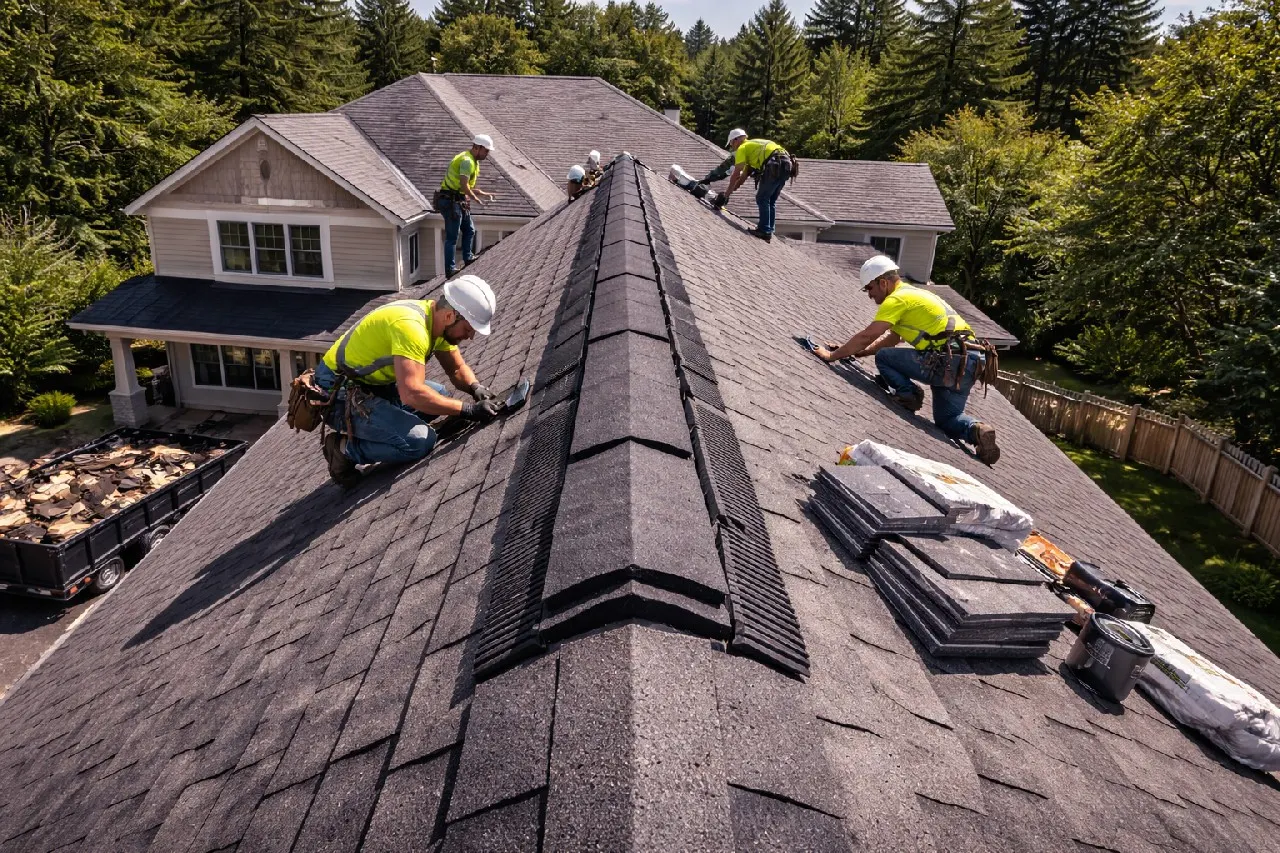
The Physics of Airflow: How Your Attic Should Actually Breathe
Think of your attic like a giant chimney that is constantly trying to exhaust stale air. In a perfectly functioning Syracuse home, cold air enters through intake vents located along the eaves, or soffits, at the bottom of your roofline.
As that air warms up, it naturally rises toward the peak of your roof. This continuous thermal cycle forces humid air out through your exhaust vents, keeping your attic space as close to the outside temperature as possible.
When this movement works correctly, your attic behaves like a controlled ventilation system rather than a stagnant sauna. You achieve this balance through two primary mechanics:
- Intake: Cool, dry air drawn in at the lowest point of your roof.
- Exhaust: Heated, moisture-laden air pushed out at the highest point.
If you disrupt this flow, you break the laws of physics. When the air stops moving, moisture has nowhere to go but directly into your wooden rafters and roof decking.
Without a consistent passive airflow system, your home becomes trapped in a cycle of condensation. It is not just about temperature; it is about managing the invisible vapor that ruins homes from the inside out.
Identifying the Red Flags: Common Signs of Poor Roof Ventilation in Syracuse
You do not need an engineering degree to spot the early warning signs of a suffocating roof. Your home will usually start screaming for help long before the rafters actually give way.
Keep your eyes peeled for these telltale symptoms during your next trip to the attic:
- Excessive frost buildup on the underside of your roof sheathing during a deep freeze.
- Rust appearing on metal components like nail heads or structural brackets.
- A musty, stale smell that hits you the moment you pop the attic hatch.
- Water stains that appear on the insulation, even when there is no active roof leak.
Many Syracuse homeowners mistakenly blame a roof leak when they see damp insulation, but the culprit is often internal condensation. When warm air from your living space hits a cold roof deck without a clear path to escape, it turns into liquid water.
If you see patches of dark, fuzzy growth on the wood framing, you have a mold problem. This is a flashing red light that your attic is holding onto moisture like a sponge instead of venting it out into the crisp New York air.
Do not wait for a spring thaw to reveal the damage. If your attic feels like a steam room in the winter or a furnace in the summer, your ventilation system is essentially dead on arrival.
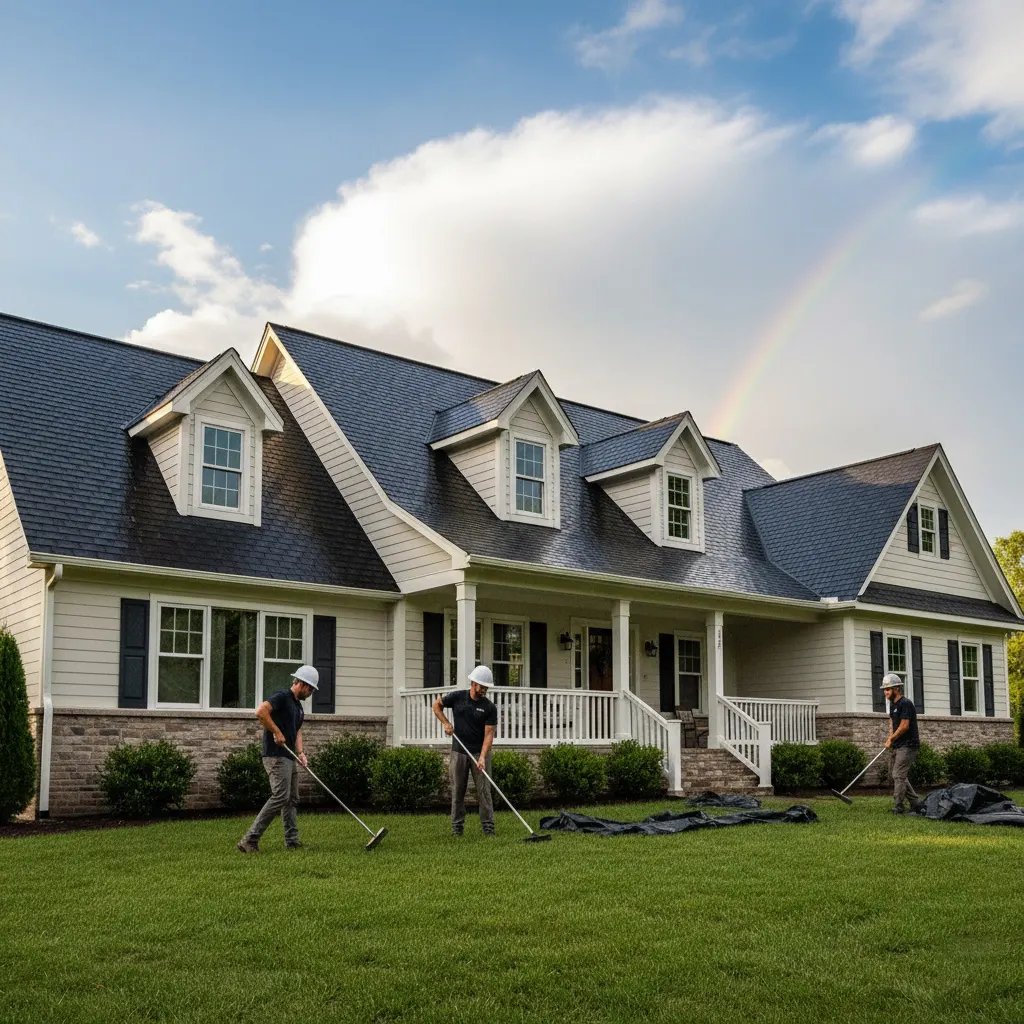
The Hidden Cost: Why Trapped Moisture is the Primary Enemy of Syracuse Roofs
In Central New York, the temperature swings are aggressive. When warm, humid air from your living space leaks into the attic and hits a freezing roof deck, it condenses instantly.
This isn't just a bit of morning dew. It is a constant, invisible drip that turns your attic into a breeding ground for disaster. If you ignore it, you are effectively paying to rot your own home from the top down.
Here is what happens when moisture stays trapped behind your shingles:
- Your roof decking begins to warp, creating those unsightly waves visible from the street.
- The moisture attacks your wooden trusses, softening the very skeleton that holds your roof up.
- Insulation becomes waterlogged and clumps together, losing every bit of its thermal resistance.
Most homeowners assume a roof lasts twenty or thirty years, but trapped moisture cuts that lifespan in half. You aren't just looking at a few water spots; you are looking at accelerated shingle deterioration caused by heat baking the moisture back up through the material.
When the wood rots, you aren't just replacing a few shingles anymore. You are looking at a full structural teardown that costs three times more than a simple ventilation upgrade. Fixing the airflow today is the smartest way to stop your property value from evaporating.
Choosing the Right System: Ridge Vents, Soffits, and Gable Options Explained
You cannot simply slap a vent on a roof and expect it to work. In Central New York, you need a balanced intake and exhaust system that mimics the natural flow of air through your house.
Think of your attic like a chimney. If you block the bottom, the smoke stays inside, and your house rots.
Here is how the main players in a ventilation system actually function:
- Soffit Vents: These are your intake points located under the eaves. They pull cool, dry air from outside into the attic space.
- Ridge Vents: Installed along the peak of your roof, these act as the exhaust. As warm, moist air rises, it exits here, creating a constant circulation cycle.
- Gable Vents: These are positioned on the exterior walls of the attic. While they help, they are often less effective in Syracuse because they don't promote the vertical flow required to clear the entire attic.
To keep your structure solid, you must ensure your intake matches your exhaust. If you install a powerful ridge vent but have clogged or missing soffit vents, your roof will pull conditioned air from your living space, spiking your energy bills.
Professional installation is non-negotiable here. A botched setup creates dead air zones where moisture sits stagnant. That is where the rot begins.
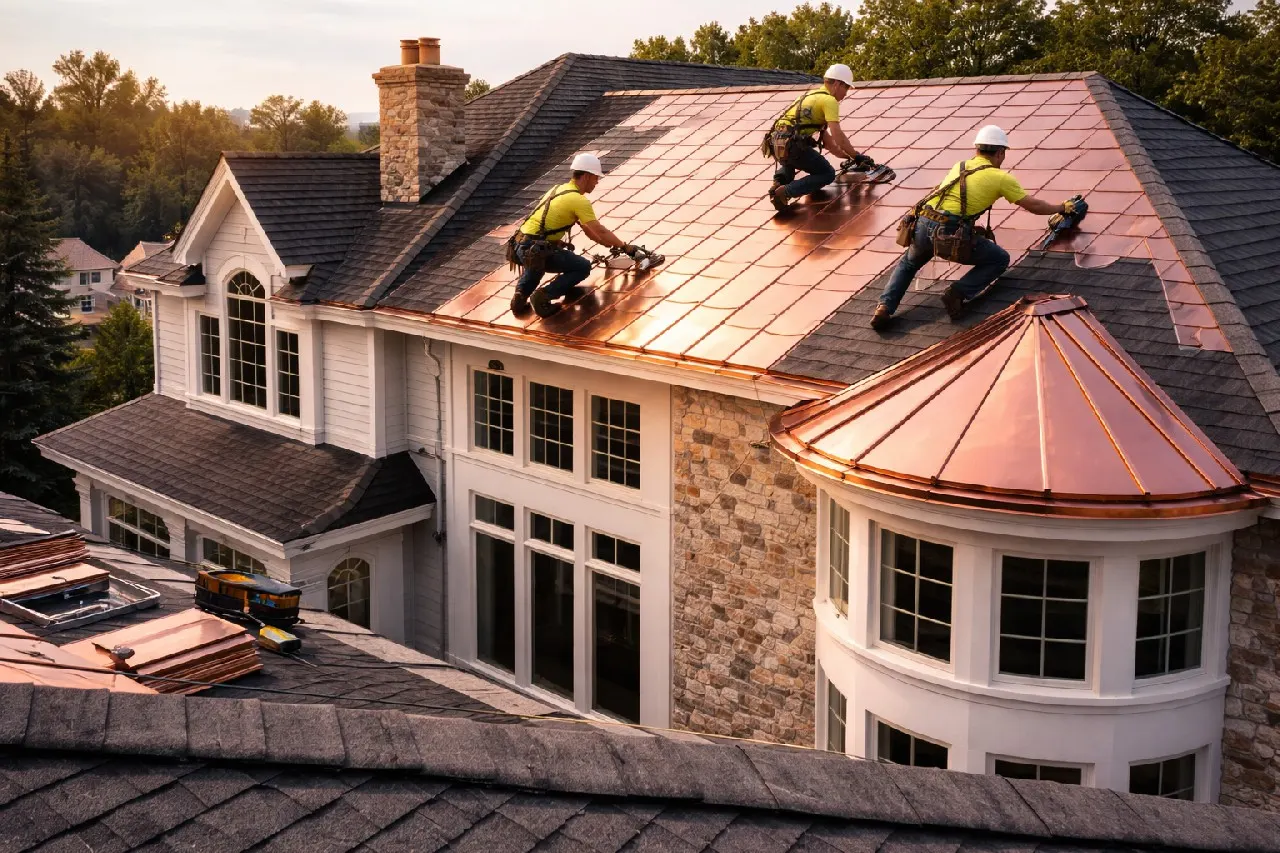
5. Anatomy of a Rescue: A Syracuse Attic Ventilation Transformation Case Study
Last winter, we stepped into a classic Syracuse bungalow that was literally crying from the inside. The owners saw frost buildup on the underside of their roof decking every time the thermometer dipped below zero.
They thought it was just a leaky roof, but the reality was far worse. Their attic was airtight, turning every shower and dishwasher cycle into a steam room that had nowhere to escape.
Here is what we discovered during our initial inspection of this moisture trap:
- Blocked soffit vents: Years of blown-in insulation had completely choked the intake airflow.
- Non-functional gable vents: They were rusted shut, preventing any cross-breeze from moving stagnant air.
- Black mold colonies: Dark, fuzzy patches were already beginning to migrate down the roof rafters.
We launched a full-scale rescue by clearing the soffits and installing a continuous ridge vent system. By creating an uninterrupted path for air, we turned their static attic into a wind tunnel.
The results were immediate. Within one week of our installation, the dampness vanished, and the frost stopped forming entirely. By balancing the intake and exhaust, we stopped the rot in its tracks and added years of life to their roof system.
Why DIY Attic Ventilation Often Fails in Central New York Climates
You might be tempted to head to the hardware store, grab some vents, and slap them onto your roof this weekend. It sounds like a simple way to save a few bucks, but Central New York winters are unforgiving. Most DIY attempts ignore the complex physics of pressure differentials required to move air effectively during a Syracuse blizzard.
When you install vents without professional calculations, you often create "short circuits" in your airflow. This happens when air enters and exits from the same side, leaving large pockets of stagnant, humid air trapped in your rafters. You end up with a roof that looks vented on the outside but remains a decaying greenhouse on the inside.
Common DIY Mistakes That Lead to Structural Failure
- Miscalculating the Net Free Vent Area (NFVA) needed for your specific attic volume.
- Installing mismatched exhaust and intake systems that work against each other.
- Blocking off critical soffit airflow paths with improper insulation placement.
- Failing to seal attic bypasses, which lets warm household air leak into the attic faster than the vents can remove it.
In this climate, precision is everything. If your intake vents are blocked by fiberglass batts or if your ridge vent isn't properly baffled, you invite ice dams to take hold of your eaves. These structures require an expert touch to ensure the ventilation system remains functional even when three feet of snow is sitting on your roof deck.
Final Words: Investing in Long-Term Structural Health
Think of your roof as an expensive asset that demands consistent maintenance to hold its value. When you ignore your attic’s airflow, you are essentially letting the elements slowly dismantle your investment from the inside.
Professional Roof Ventilation Installation is not just a repair; it is a financial strategy. You are paying a little now to prevent a massive renovation bill when your rafters eventually buckle under rot.
Smart Syracuse homeowners know that home equity isn't just about curb appeal. It is about the hidden structural integrity that keeps your family safe year after year.
The Real Price of Neglect
If you wait for a ceiling collapse or a mold outbreak, you have already lost the game. Proactive upgrades provide immediate benefits that go beyond simple peace of mind:
- Extended Shingle Life: Proper cooling prevents your shingles from baking and curling during hot Central New York summers.
- Lower Energy Bills: A house that breathes doesn't force your HVAC system to fight against trapped heat.
- Mold Prevention: You eliminate the damp breeding grounds that trigger health issues for your household.
Stop treating your roof like a static object and start treating it like a functioning machine. Once you clear the air, you stop the decay and keep your home standing strong for decades to come.
People Also Ask
Is roof ventilation necessary in Syracuse winters?
Yes, proper ventilation is essential during Syracuse winters to prevent ice dams. By maintaining a cold roof deck, ventilation prevents snow from melting on the roof and refreezing at the eaves, which protects your shingles and gutters.What are the signs that my attic needs better ventilation?
Common indicators include visible mold or mildew growth, rusted metal components in the attic, and damp insulation. If you notice a musty odor or frost buildup on the underside of your roof deck in winter, your ventilation system likely needs an upgrade.How do ridge vents compare to gable vents for CNY homes?
Ridge vents provide superior, balanced airflow by allowing hot air to escape continuously along the entire peak of the roof. While gable vents can be effective, they often leave "dead zones" in the attic that ridge vents and soffit intake systems are specifically designed to eliminate.Can poor attic ventilation void my roofing warranty?
Most shingle manufacturers require proper attic ventilation to maintain their limited lifetime warranties. If an inspection reveals that premature roof failure was caused by heat buildup or moisture trapped due to inadequate airflow, the manufacturer may deny your claim.How much does it cost to install roof ventilation in Syracuse?
The cost varies based on your home's square footage, the type of vents required, and the labor needed to retrofit existing structures. It is generally a cost-effective investment that significantly extends the lifespan of your roof and lowers your monthly energy bills.Need Roofing Services?
We install and repair roofs to deliver lasting protection for homes and businesses in Syracuse and nearby areas (13202, 13203, 13204, 13205, 13206), completing projects on schedule to minimize disruption.
Get Roofing Quote