
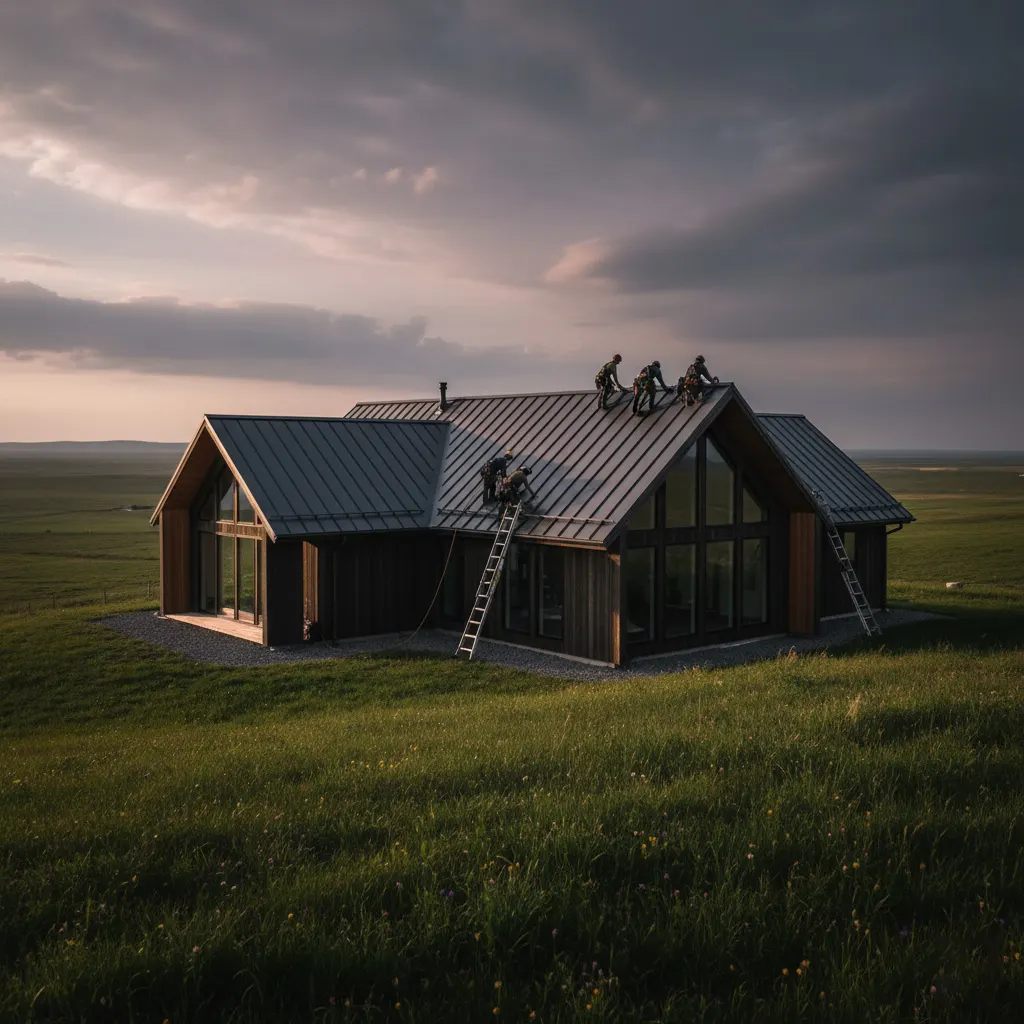


⚡ TL;DR: This guide highlights how Syracuse homeowners can protect their properties by addressing specific challenges like freeze-thaw cycles and heavy snowfall when planning a durable roof replacement project.
📋 What You’ll Learn
Navigating a roof replacement in Syracuse requires more than just picking a shingle color; it demands a strategic approach to combat our harsh CNY climate and unique lake-effect snow challenges.
- Master the freeze-thaw cycle by understanding how critical attic ventilation adjustments prevent moisture buildup, protect your insulation, and stop the long-term structural decay caused by fluctuating temperatures.
- Select high-performance roofing materials engineered to handle heavy lake-effect snow loads, ensuring your roof avoids common failures like shingle cracking or granule loss during our intense winters.
- Spot early warning signs of water intrusion or rot in your decking before they evolve into costly emergency repairs that compromise the safety and integrity of your home.
- Avoid warranty-voiding installation errors by learning the specific industry standards and local building codes that ensure your roof system remains fully protected by manufacturer coverage for decades.
📖 Reading time: 7 min
✍️ Author expertise: Syracuse roofing contractor with two decades of experience repairing complex CNY winter damage.
Your Syracuse roof handles more abuse in a single winter than most structures see in a decade. When the heavy lake-effect snow piles up and the freeze-thaw cycle begins, your home is fighting a battle you probably cannot see from the driveway.
Most homeowners wait for a leak to drip onto their kitchen floor before they call for help. By then, the damage is already rotting your rafters and draining your bank account.
Replacing a roof in Central New York is about more than just slapping down new shingles to look good for the neighbors. There are specific, hidden traps buried in the process that most local contractors hope you never ask about.
If you want to stop flushing money down the drain every time the temperature drops, keep reading to discover the mistakes that are quietly wrecking Syracuse homes.

The Hidden Cost of Syracuse’s Freeze-Thaw Cycle on Attic Ventilation
Most Syracuse homeowners think their roof is just a lid. In reality, it is a complex thermal engine that needs to breathe.
When the sun hits your roof during a cold CNY afternoon, the ice melts, only to refreeze once the sun dips behind the clouds. If your attic ventilation is clogged or poorly designed, that moisture stays trapped inside your roof deck.
This trapped air is the silent killer of roofing systems. It creates a perfect environment for structural decay that eats your home from the inside out.
Here is what happens when your ventilation fails to keep up with our extreme climate:
- Moisture condenses on the underside of your roof sheathing, turning sturdy plywood into mushy pulp.
- The freeze-thaw cycle forces trapped water into tiny gaps, expanding them until your rafters lose their structural integrity.
- Insulation gets soaked, losing its R-value and driving your heating bills through the roof.
Think of your attic like a lung. If you choke off the airflow with improper insulation or blocked soffit vents, the roof cannot regulate its own temperature. It stays too warm in the winter, which leads to the catastrophic ice damming that destroys gutters and ruins shingles before their time.
Don't just worry about the shingles you can see. If your attic isn't venting properly, you are essentially rotting your investment from the top down.
Why Standard Shingles Fail Under Heavy Lake-Effect Snow Loads
Most big-box store shingles are designed for mild climates where the sun does the heavy lifting. In Syracuse, we don't have that luxury. When lake-effect snow dumps three feet of powder on your roof, the weight becomes crushing. Standard shingles often lack the granular adhesion and thermal flexibility to hold their ground under this massive, shifting pressure.
As that heavy snow sits, it doesn't just sit still. It acts like a giant, abrasive sheet of sandpaper grinding against your roofline as gravity pulls it toward the gutters. If your shingles aren't rated for high-impact resistance and extreme wind-uplift, they will crack, curl, and eventually tear loose long before their expected lifespan.
Think about what actually happens on your roof during a February blizzard:
- The weight of saturated snow causes standard asphalt mats to become brittle.
- Thermal shock from the temperature swing causes the shingles to lose their bond.
- Wind-driven ice crystals blast away the protective granules that shield the asphalt from the sun.
This isn't just about shingles blowing off in a storm. It is about the slow, silent destruction of your roof's integrity. When you settle for budget materials, you are essentially betting that mother nature will be gentle this year. In Central New York, that is a losing bet every single time.

Identifying Subtle Warning Signs Before Structural Rot Sets In
Most Syracuse homeowners think a roof is fine as long as the shingles look intact from the street. The truth is, the silent killers of your home’s structural integrity start deep inside the attic or under the plywood decking.
If you wait for a ceiling stain to appear, you are already months or even years behind the problem. You need to play detective before the rot takes hold of your rafters.
The Red Flags You Can Spot Today
Start by heading into your attic during the next dry day. Take a flashlight and look for these specific indicators that your roof system is failing:
- Dark, discolored patches on the underside of your roof decking or rafters.
- A musty or damp odor that lingers in the attic space, indicating hidden moisture.
- Rust appearing on the nails protruding through the wood—this is a classic sign of moisture buildup.
- Attic insulation that looks matted, compressed, or stained, which means water is bypassing your shingles.
If you notice any of these, don't ignore them. Structural rot is like a cancer; it feeds on moisture and, if left unchecked, will eventually compromise the safety of your entire roof assembly.
Also, keep an eye on your exterior soffits. If you see peeling paint or mold growth near the eaves, it usually means your ventilation is choked, trapping heat and humidity directly against your roof structure.
Critical Installation Mistakes That Void Local Manufacturer Warranties
Manufacturers provide rock-solid warranties, but they are full of technical traps specifically designed to protect them, not your roof. In Syracuse, where the weather is aggressive, ignoring these manufacturer specs is the fastest way to turn a twenty-year investment into a five-year headache.
Most local installers skip the fine print to shave time off the job. If they don't follow the precise nailing pattern or use the manufacturer's specified high-temp ice barrier, you are on your own the moment a leak appears. Here are the most common ways your warranty gets shredded before the crew even leaves your driveway:
- Using mismatched components, like mixing brand A shingles with brand B starter strips or ridge vents.
- Failing to install the mandatory ice and water shield at least two feet inside the wall line of the heated living space.
- Improperly nailing shingles outside the designated "nail zone," which leaves your roof vulnerable to high winds blowing off pieces during a blizzard.
- Ignoring the manufacturer's specific requirements for intake ventilation, which effectively kills your attic’s ability to breathe.
You might think your roof looks fine, but if the shingles aren't applied exactly how the company dictates, the contract is void. Don't let a fast-talking contractor convince you that "all shingles are the same." If they aren't using the full system, they aren't protecting your home, and they are certainly not honoring the warranty you paid for.
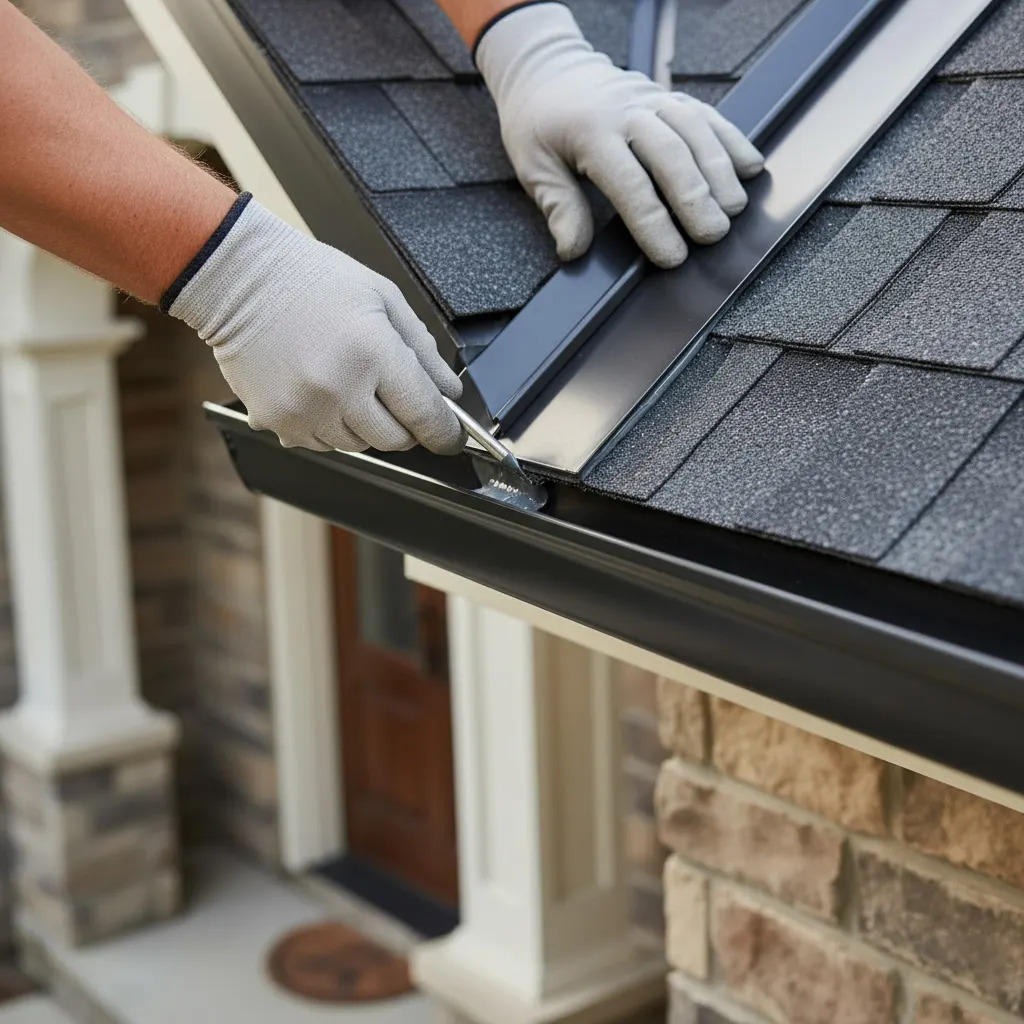
Case Study: Solving Persistent Ice Dam Issues in an Onondaga Hill Home
We recently took on a project in Onondaga Hill where the homeowner was convinced they had a roof defect. Every February, massive icicles draped over their gutters, and water would wick back under the shingles, staining their ceiling paint.
After inspecting the attic, the culprit wasn't just the roof shingles. It was a classic ventilation failure combined with heat leakage from recessed lighting fixtures.
The home was essentially heating the underside of the roof deck, melting the snow right where it sat above the eaves. When that water hit the freezing gutter, it turned back into a wall of ice, creating a dam that forced water inside the structure.
The Fix That Actually Lasted
We didn't just throw on new shingles and call it a day. We overhauled the entire thermal envelope of the roof system to ensure the surface temperature stayed consistent.
Here is what we implemented to stop the cycle for good:
- Installed a high-temperature self-adhering ice and water shield that extends six feet up the roof deck, well beyond the standard code requirements.
- Added baffles at the eaves to guarantee a continuous path for cold air to travel from the soffit to the ridge vent.
- Sealed every single penetration in the attic floor with spray foam to stop the warm interior air from escaping into the roof cavity.
The result was simple but effective. By keeping the roof deck cold, we prevented the melt-refreeze loop that had plagued that homeowner for years.
Most contractors will just tell you to heat tape your gutters. That is a temporary band-aid, not a solution. If you want to stop ice dams, you have to address how your house breathes from the inside out.
How Choosing the Right Underlayment Protects Your Home’s Lifespan
Most folks obsess over the color of their shingles, but the real hero of a Syracuse roof is what sits directly underneath them. Think of your underlayment as the final line of defense between the harsh CNY elements and your home’s wooden deck.
If you use cheap, traditional asphalt felt, you are inviting trouble. It gets brittle in our sub-zero temperatures and tears the moment it is nailed down, leaving gaps that invite moisture to settle into your rafters.
To survive our specific climate, you need high-performance synthetic underlayment. Unlike basic felt, these materials are engineered to remain flexible even when the wind chill hits twenty below.
Here is why upgrading your underlayment is the smartest investment you can make during a replacement:
- Enhanced Moisture Barrier: Synthetic layers repel water rather than absorbing it, preventing mold growth.
- Superior Tear Resistance: These products are built to withstand high-velocity winds that frequent the Onondaga County area.
- Better Sealing Properties: Many options act as a secondary weather-seal around nail penetrations, stopping wind-driven rain from creeping inside.
Do not let a contractor convince you that standard felt is enough for a Syracuse winter. You are paying for a roof meant to last decades, not just until the next thaw. Demand high-grade synthetic underlayment, or you are simply setting yourself up for an expensive repair job sooner than you think.
7. Final Words: Investing in Long-Term Peace of Mind for CNY Winters
Most people treat a roof replacement like a commodity, shopping strictly by the lowest price per square. This is exactly how you end up with a basement full of ice dam leaks three winters later.
When you view your roof as a critical shield against the brutal CNY climate, you stop looking for the cheapest quote and start looking for the highest ROI. You are not just paying for shingles; you are paying for a thermal system that keeps your rafters dry and your heating bills from going through the roof.
If you want to ensure your home survives another decade of lake-effect punishment, you need to demand better standards. Look for these specific indicators that a contractor is actually protecting your investment:
- Proper ice and water shield coverage that extends at least two feet inside your exterior wall line.
- High-quality intake and exhaust ventilation that actually matches your attic volume.
- An installer who guarantees their workmanship in writing, not just the manufacturer's limited warranty.
Don't fall for the trap of thinking a fresh layer of asphalt makes your home invincible. The difference between a roof that fails in five years and one that lasts for twenty is all in the details you can’t see.
When you are ready to stop guessing and get a system built for our specific Syracuse weather patterns, browse our professional Roof Replacement options. Build it right once, and you can sleep soundly while the snow stacks up outside.
People Also Ask
When is the best time of year for roof replacement in Syracuse?
The optimal time for roof replacement in Central New York is late spring through early autumn, typically between May and October. This window ensures warmer temperatures that allow asphalt shingles to seal properly and remain pliable during installation, avoiding the brittleness caused by extreme cold.How do I know if my Syracuse roof needs to be replaced or just repaired?
You likely need a full replacement if you notice recurring ice dams, significant granule loss, or visible sagging in the roof deck. While small patches can address localized leaks, widespread issues often indicate that the underlying ventilation or decking is compromised by years of harsh winter weather.Why is attic ventilation so critical for Syracuse homes?
Proper attic ventilation is essential to prevent heat buildup in the winter, which causes snow to melt and refreeze at the roof edge as ice dams. By keeping the attic temperature close to the outside air temperature, you protect your roof decking from moisture damage and extend the life of your shingle investment.Does homeowners insurance cover roof replacement due to snow damage in CNY?
Most insurance policies cover sudden damage, such as a roof collapse from excessive snow weight, but they rarely cover "wear and tear" or gradual damage from leaking ice dams. It is highly recommended to have your roof professionally inspected annually to document its condition and ensure you are meeting the maintenance requirements of your policy.What is the average lifespan of a roof in the Syracuse climate?
While standard asphalt shingles are often rated for 25 to 30 years, the severe freeze-thaw cycles and heavy lake-effect snow in Syracuse can reduce that lifespan to 15 to 20 years. Investing in high-performance impact-resistant materials and proper underlayment is the best way to ensure your roof reaches or exceeds its maximum expected lifespan.Need Roofing Services?
We install and repair roofs to deliver lasting protection for homes and businesses in Syracuse and nearby areas (13202, 13203, 13204, 13205, 13206), completing projects on schedule to minimize disruption.
Get Roofing Quote