
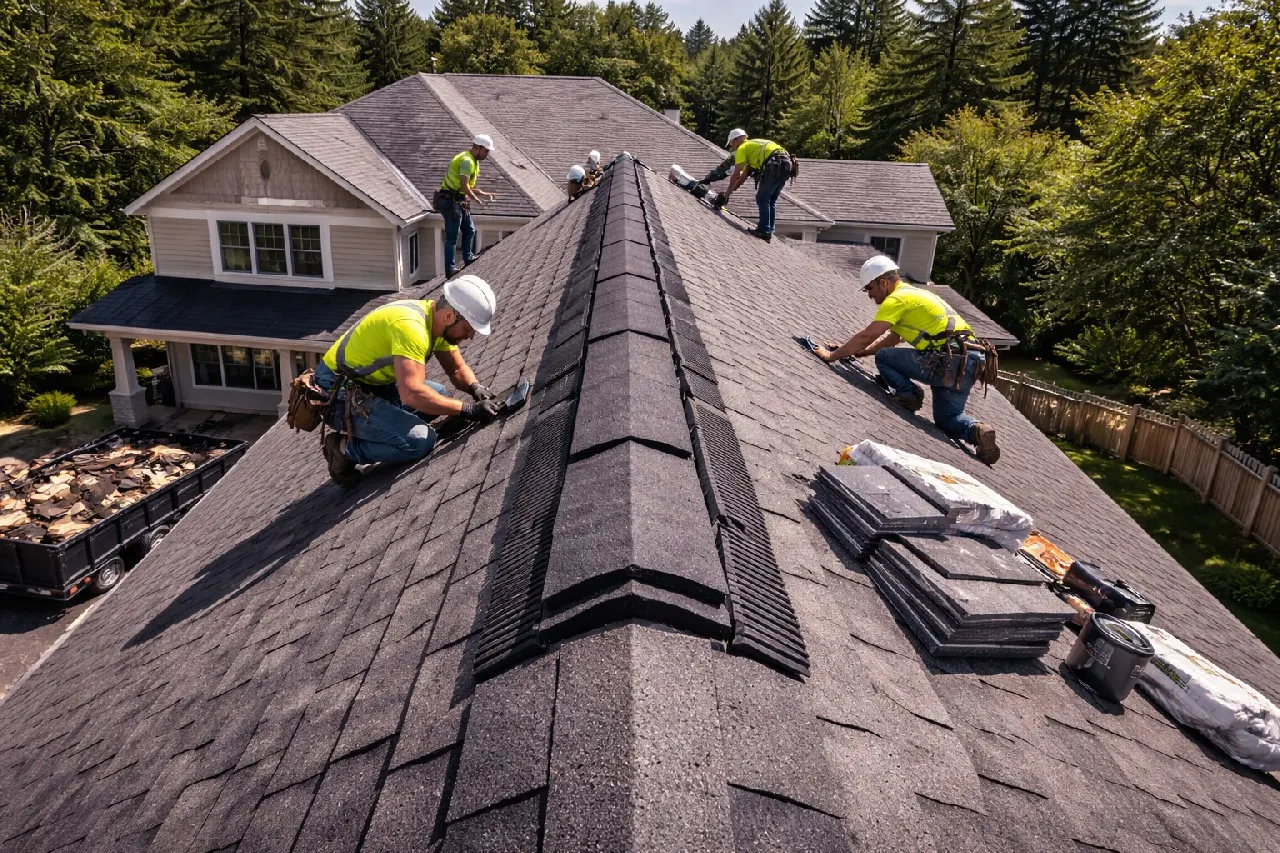


⚡ TL;DR: Proper roof ventilation is essential for Surprise homeowners to reduce trapped attic heat, protect structural integrity, prevent insulation decay, and improve overall energy efficiency throughout the year.
📋 What You’ll Learn
In this guide, we explore why proper roof ventilation is critical for homes in Surprise, AZ, where extreme heat creates unique challenges for your attic space, energy efficiency, and overall structure.
- Understand the physics of desert heat by learning how superheated attic air traps moisture and slowly compromises the integrity of your roofing materials during long, sweltering Arizona summers.
- Identify hidden signs of attic suffocation to help you spot early warning markers like warped shingles, damaged insulation, or skyrocketing cooling costs before they become major, expensive home repairs.
- Analyze the link to energy efficiency by discovering how a balanced airflow system keeps your home cooler, reduces strain on your HVAC unit, and significantly lowers your monthly utility bills.
- Explore modern ventilation solutions through a real-world case study showing how proper intake and exhaust upgrades transform a heat-trapping Surprise residence into a comfortable and durable sanctuary.
📖 Reading time: 7 min
✍️ Author expertise: Local Surprise roofing specialist with twenty years of hands-on attic ventilation installation experience.
Your air conditioner is working overtime, your energy bills are creeping into the stratosphere, and yet, your Surprise home still feels like a pizza oven by noon. Most homeowners assume the sun is the only culprit, but the real enemy is trapped right above your head.
Your attic is currently banking massive amounts of heat that has nowhere to go. This superheated air pushes down into your living space, forcing your cooling system to fight a losing battle while cooking your shingles from the inside out.
If you want to stop throwing money away on cooling costs and prevent a premature roof replacement, you need to fix your ventilation setup immediately. Here is exactly why your roof is starving for airflow and how proper venting saves your home from the brutal Arizona heat.
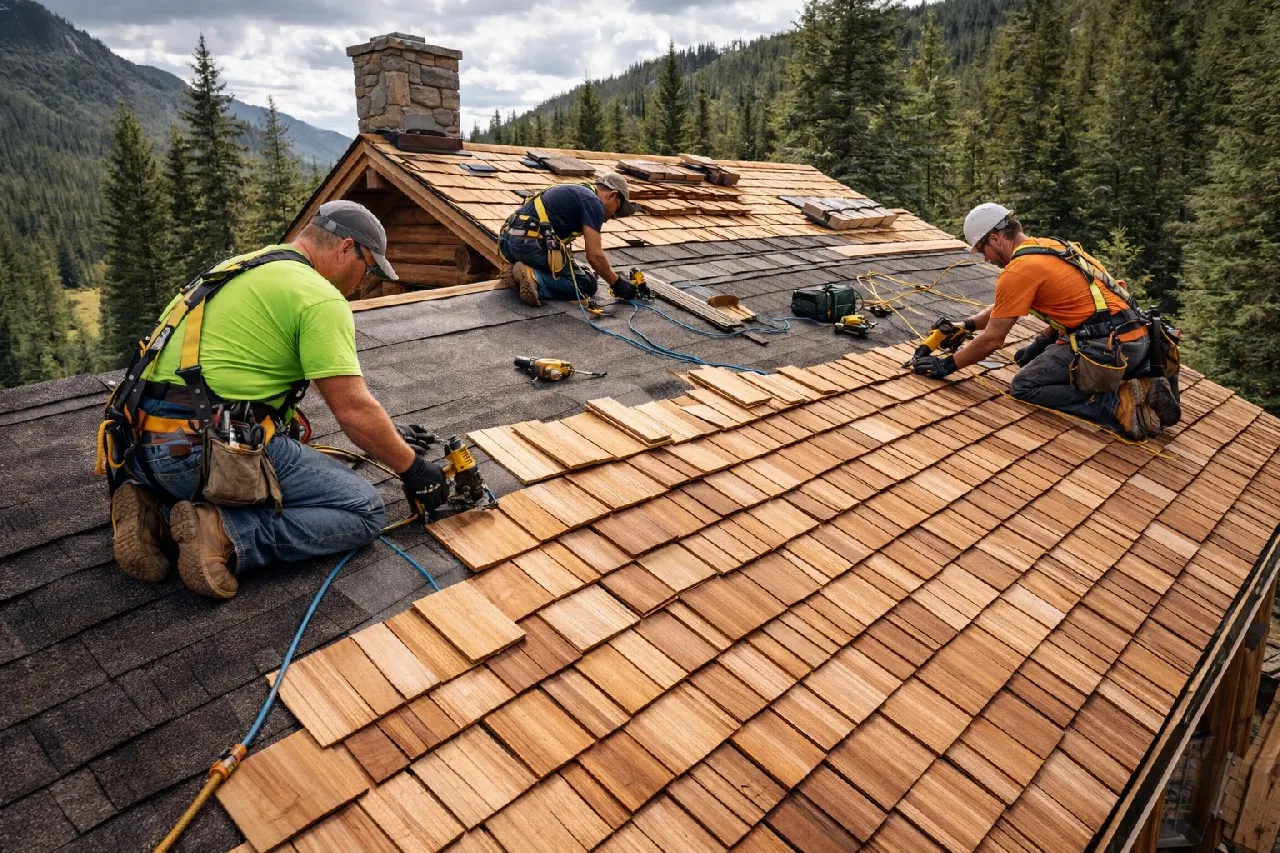
The Physics of the Arizona Attic: How Superheated Air Damages Your Roof Structure
In Surprise, the sun doesn't just hit your roof; it beats it into submission. When your attic lacks a clear path for air movement, it turns into a massive, pressurized oven where temperatures can easily soar past 150 degrees Fahrenheit.
This trapped heat acts like a thermal anchor, radiating downward through your ceiling drywall and into your bedrooms. But the real destruction happens where you cannot see it, right underneath those expensive shingles.
Because the air has nowhere to escape, the heat begins to bake your roofing materials from the underside. This creates a destructive cycle that compromises your home in several ways:
- The intense heat causes your asphalt shingles to become brittle and lose their protective granules prematurely.
- The expansion and contraction of wood decking accelerates, leading to warped plywood and sagging roof lines.
- Structural fasteners like nails begin to back out as the wood framing expands and shifts under the constant thermal stress.
Think of it as cooking your roof from both sides. The sun hits the top, and your own attic traps the heat against the bottom, effectively "baking" your roofing system until it cracks, curls, or outright fails years before its time.
If you don't release that trapped air, you are essentially paying for a new roof decades earlier than necessary. Stop letting your attic act as a heat-trapping furnace that silently destroys your home's most important defense against the desert sun.
Recognizing the Warning Signs: Is Your Attic Suffocating Your Home?
You don't need a thermal camera to know your attic is in trouble. Most Surprise homeowners ignore the early warning signs until a minor problem turns into a costly structural disaster.
Your roof is practically screaming for help if you notice these specific red flags:
- Curled, buckled, or blistering shingles caused by excessive heat baking them from the underside.
- Unexplained spikes in your monthly utility costs that keep climbing every summer.
- A stuffy, humid feeling inside your home that even the AC cannot touch.
- Visible rust on metal fasteners or nails poking through your roof decking.
Take a quick look at your ceiling during the day. If you see dark stains, mold growth, or peeling paint near your vents, you are dealing with trapped moisture that has nowhere to go.
This happens because hot air carries water vapor. When that air hits your roof deck and gets stuck, it creates a mini-rainforest inside your home, slowly rotting your plywood and insulation from the inside out.
Don't wait for your ceiling to sag before taking action. If your attic feels like a sauna the second you pop the hatch, your home is literally suffocating under its own roof.
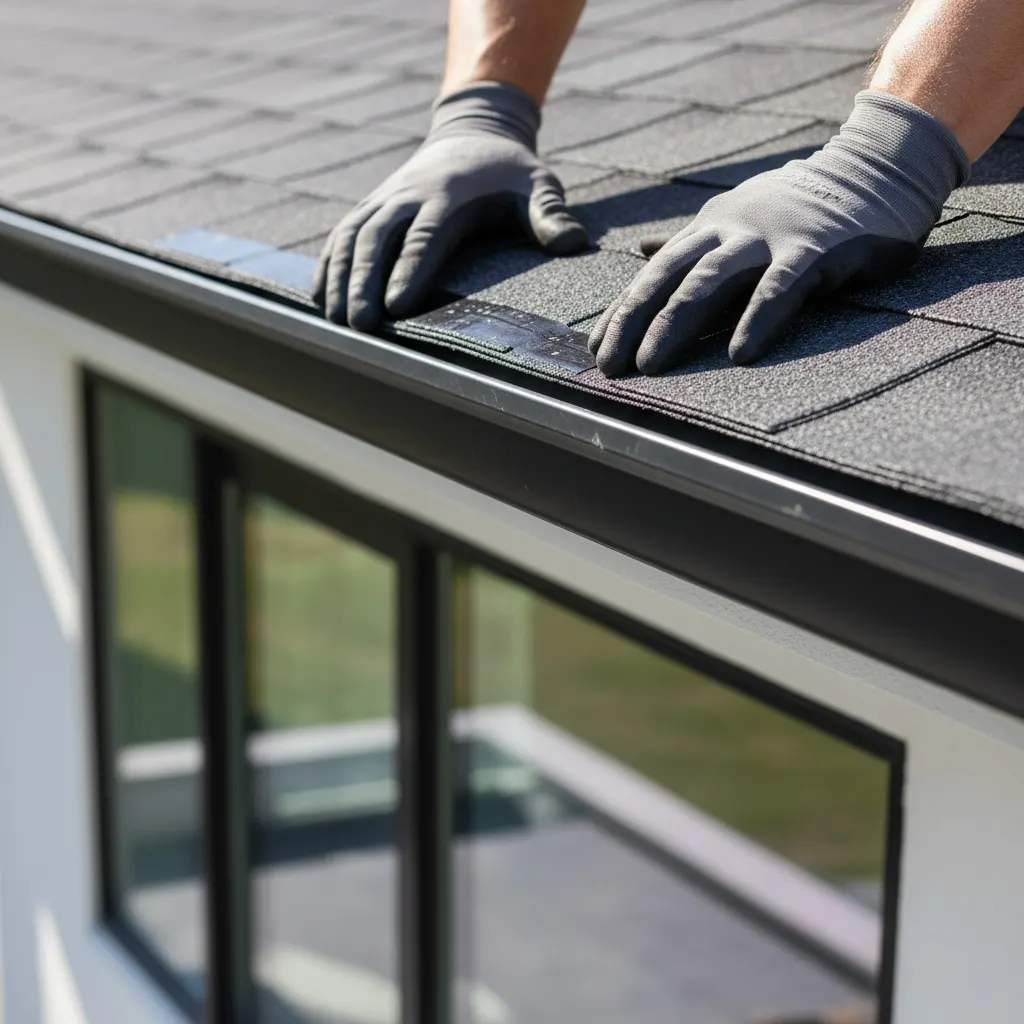
The Efficiency Gap: How Poor Ventilation Skyrockets Your Energy Bills
Most Surprise residents treat their AC unit like a magic box that keeps the house chilly, but they forget one basic rule of physics. Your cooling system isn't just fighting the ambient Arizona heat; it is constantly wrestling with an attic that acts like a giant thermal radiator.
When hot air gets trapped in your roof space, it migrates directly through your ceiling drywall into your living areas. This creates a relentless cycle of heat gain that forces your HVAC unit to run double-time just to reach a baseline comfort level.
Think about the cost of that cycle. You are essentially paying to air condition your insulation while your wallet takes a direct hit every time the SRP bill arrives. It is a simple equation: hotter attic equals higher demand on your equipment.
If your ventilation is failing, here is exactly how your money is vanishing:
- Your AC runs longer cycles to compensate for the "heat soak" coming from above.
- The extra load causes premature mechanical wear on your compressor and blower motor.
- You end up paying for expensive repairs or a total system replacement years earlier than expected.
Proper airflow acts as a release valve for this building pressure. By swapping out stagnant, scorching air for fresh outside air, you lower the attic temperature by significant margins. This stops the heat migration at the source, allowing your AC to rest and your bank account to breathe.
Beyond the Shingles: Preventing Interior Moisture and Insulation Decay
Most Surprise homeowners think attic trouble starts and ends with external heat. The truth is much messier. When your ventilation system fails, moisture gets trapped inside the dark, humid corners of your roof deck.
Think about your morning shower, dishwasher cycles, and even the simple act of breathing. That moisture rises, hits the underside of your roof, and begins to feast on your home’s infrastructure.
This is where the real damage starts:
- Mold growth begins to spread across your wooden rafters and plywood sheathing.
- Your attic insulation, which should be fluffy and dry, gets clumped and sodden with condensation.
- Once insulation gets wet, it loses its thermal resistance entirely.
When insulation decays, it stops acting like a barrier. It turns into a giant, damp sponge that holds onto heat instead of reflecting it away. You aren't just paying to cool your air; you are paying to cool down a wet, decaying blanket sitting right above your ceiling.
Ignoring this moisture is a fast track to costly structural repairs. By the time you notice water stains on your drywall, the wood framing underneath your shingles might already be soft, warped, or infested with rot. Proper airflow acts as a dryer for your attic, flushing out the humidity before it ever has a chance to settle into your rafters.
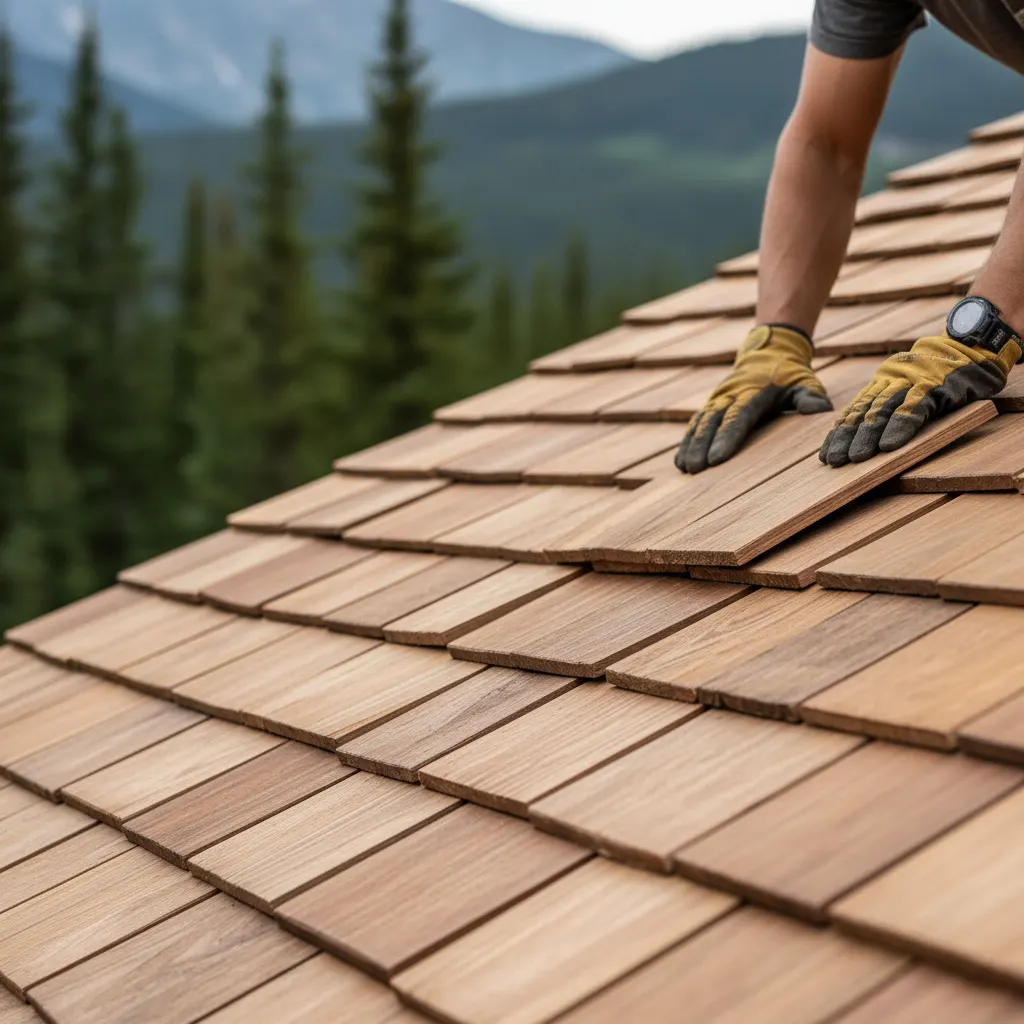
Case Study: Transforming a Heat-Trapping Surprise Residence into a Cool Sanctuary
Last summer, we visited a standard two-story home in the Greer Ranch neighborhood. The homeowners were staring down a massive electric bill and a master bedroom that felt like a sauna, even with the AC cranked to 68 degrees.
When we crawled into their attic, the heat was so intense it felt like opening a blast furnace. We discovered a classic problem: they had plenty of soffit vents, but they were completely blocked by old, compacted fiberglass insulation. There was zero path for the air to actually move.
Here is what we did to flip the script on their cooling costs:
- Stripped away the debris blocking the intake vents to allow fresh air to enter.
- Installed a set of high-capacity ridge vents across the entire peak of the roof.
- Added a solar-powered attic fan to force the hot air out when the desert sun hits its peak.
The results were immediate and measurable. By sundown, the attic temperature dropped by nearly 30 degrees compared to the previous week. Because the house wasn't absorbing that "heat soak" from above, the air conditioner started cycling off for the first time in months. The owners saved over 20% on their next energy statement, and they finally stopped sleeping with a floor fan pointed at their faces.
Modern Ventilation Solutions: Balancing Intake and Exhaust for Maximum Airflow
Most Surprise homes suffer because the airflow equation is lopsided. You cannot simply blast heat out of the top of your roof if you do not provide a steady stream of fresh, cooler air to replace it.
Think of your attic like a lung. If you only exhale, you eventually suffocate. To fix this, we look at a balanced ventilation system that pairs high-capacity exhaust vents with strategically placed intake points at your soffits.
The Winning Formula for Air Circulation
We use specific mechanical and passive components to keep your roof from baking. Here is how we build a system that actually works:
- Continuous Soffit Vents: These allow cool air to enter at the lowest point of your roofline, creating a natural pressure drop.
- Ridge Vents: Installed at the peak of the roof, these act as the exit point for the superheated air rising from your living space.
- Solar-Powered Attic Fans: In some cases, we add a motor to force air movement when the Arizona sun is at its fiercest.
The goal is a constant, invisible cycle of air. By keeping the attic temperature close to the outside ambient temperature, you stop the heat soak that ruins your shingles and drives your utility company to send you those high bills every month.
Stop relying on outdated, static vents that do little more than sit there. A modern, calculated setup turns your stagnant attic into a ventilated buffer zone that protects your roof structure for years to come.
Final Words
Fixing your attic airflow is not just some minor home improvement project. It is a critical investment that protects your biggest asset from the unforgiving Surprise sun.
When you take action today, you stop the silent damage to your rafters and prevent your shingles from curling before their time. Ignoring this issue only guarantees a much larger bill from your roofer down the road.
If you are ready to take control of your home climate, take a look at our Roof Ventilation solutions. We specialize in identifying the exact balance of intake and exhaust your home needs to breathe properly.
Three steps to a cooler home:
- Schedule a professional attic inspection to measure current heat levels.
- Clear existing vents of debris or blockages that restrict natural airflow.
- Install modern intake and exhaust systems tailored to your roof pitch and square footage.
Don't wait for the next heatwave to realize your attic is a pressure cooker. A properly ventilated home is cheaper to cool, lasts longer, and stays actually comfortable when the mercury climbs.
People Also Ask
Is roof ventilation necessary in the hot climate of Surprise, Arizona?
Yes, roof ventilation is crucial in Surprise because it prevents superheated air from becoming trapped in your attic. Proper airflow helps dissipate heat, which protects your shingles from premature thermal degradation and lowers your cooling costs.How do I know if my Surprise home has poor attic ventilation?
Common warning signs include unusually high energy bills, a roof deck that feels hot to the touch inside the attic, or visible signs of warped shingles. You may also notice heavy dust buildup or premature curling of shingle edges caused by excessive heat exposure.Can poor attic ventilation lead to moisture problems in the desert?
Even in a dry climate like Arizona, poor ventilation can trap interior humidity from showers and cooking within the attic space. This trapped moisture can lead to wood rot, mold growth, and the rapid degradation of your attic insulation’s R-value.Does proper attic ventilation really save money on air conditioning?
Yes, an efficient ventilation system acts as a relief valve, preventing the attic from reaching extreme temperatures. By reducing the thermal load on your HVAC system, you can significantly lower your monthly energy consumption and extend the lifespan of your cooling equipment.What is the ideal ratio for intake and exhaust ventilation?
A balanced ventilation system typically follows a 50/50 rule, where half of the vent area is for intake at the soffits and half is for exhaust at the ridge or roof peaks. This equilibrium ensures a continuous flow of air that pushes hot, stagnant air out of your home.Need Roofing Services?
We provide rapid roof repairs and full replacements to restore your home’s protection in Surprise and the surrounding communities (85374, 85379, 85387, 85383). Our team delivers swift, reliable roofing solutions to secure your property against the elements.
Request Roofing Estimate