


⚡ TL;DR: To protect your home from harsh desert conditions, residents in Surprise should implement proactive roof maintenance strategies that address unique thermal stress and seasonal monsoon weather patterns effectively.
📋 What You’ll Learn
Maintaining a roof in the harsh desert environment of Surprise requires specific strategies. This guide reveals how local homeowners effectively combat extreme heat and monsoon damage to extend their roof's lifespan.
- Master the Arizona effect by understanding how record-breaking UV exposure and intense thermal cycling accelerate material degradation, and learn the specific signs that your roof is nearing its limit.
- Adopt seasonal care cycles to ensure your roofing materials are prepped for the brutal summer heat and the unpredictable, high-pressure impact of our annual late-season monsoon storm systems.
- Utilize proactive inspection techniques to spot hidden moisture damage and thermal stress fractures early, preventing minor issues from ballooning into expensive interior leaks or complete structural failure later.
- Select superior desert materials that offer maximum solar reflectivity and durability, ensuring your investment stands up to the extreme temperatures found uniquely in the West Valley region.
📖 Reading time: 7 min
✍️ Author expertise: Master roofer with two decades of experience protecting homes across Surprise, Arizona.
Most Surprise homeowners wait for a monsoon leak or a blistering July heatwave to think about their roof. By then, you are already looking at a massive repair bill instead of a simple checkup.
The desert is brutal, and your shingles are taking a permanent beating from the sun. If you want your roof to actually last through another decade of Arizona intensity, you need to stop playing catch-up and start acting like the locals who never stress about water damage.
Here is exactly how the smart money in Surprise protects their home from the elements, starting with these proactive maintenance secrets.

The Arizona Effect: Why Surprise Roofs Fail Faster Than Anywhere Else
Living in Surprise means living under a constant, scorching spotlight. While our dramatic desert sunsets are beautiful, they are systematically cooking your roof materials from dawn until dusk.
Most roofing systems are designed to expand and contract. In Arizona, the extreme temperature swings between our triple-digit days and cooling desert nights cause materials to stretch and snap like a rubber band left in the sun too long.
This process, known as thermal shock, accelerates the aging of your roof in ways homeowners in milder climates never experience. It creates tiny cracks and micro-fissures that act as an open invitation for moisture.
Why do Surprise roofs lose their structural integrity so quickly? It comes down to a few relentless factors:
- Intense UV radiation that breaks down the chemical bonds in asphalt shingles, causing them to lose their protective granules.
- Persistent dry heat that sucks the essential oils out of roofing membranes, leading to premature brittleness and cracking.
- Thermal cycling that creates constant tension on fasteners and flashings, eventually pulling them loose or creating gaps.
If you aren't accounting for these harsh conditions, you are essentially letting the weather dictate the lifespan of your investment. Ignoring these variables is exactly how a twenty-year roof turns into a five-year headache.
2. Seasonal Maintenance Cycles: Adapting Your Roof Care to the Valley Climate
You cannot treat an Arizona roof like one in the Pacific Northwest. While others worry about snow loads, your biggest enemies are thermal shock and long-term dehydration of roofing materials.
Smart Surprise homeowners follow a rigid, two-phase maintenance calendar. By shifting your focus based on the specific threats of our season, you avoid the common trap of letting small issues fester until they become catastrophes.
The Pre-Summer Heat Check
Before the June triple-digit temperatures arrive, schedule your first inspection. This is the moment to look for brittle tiles or cracked underlayment that will expand and contract violently once the mercury hits 115 degrees.
- Check for loose ridge caps that might fly off during high-wind dust storms.
- Clear away debris in valleys where organic matter holds heat against your roof surface.
- Inspect flashings around vents; high heat causes sealants to pull away, leaving tiny gaps for dust and water.
The Post-Monsoon Audit
The monsoon season is not just about rain; it is about high-velocity wind and debris impact. Once the storms subside, perform a targeted assessment to ensure the integrity of your roof hasn't been compromised.
Look specifically for:
- Displaced tiles or shingles caused by sudden, intense gusts.
- Scratches or punctures from flying branches or palm fronds.
- Pooling water near AC units, which often indicates clogged scuppers or drainage issues after a heavy deluge.

Proactive Inspection Techniques: Identifying Hidden UV and Thermal Stress
The relentless Arizona sun does more than just heat your attic; it actively cooks the life out of your roofing materials. Over time, that constant thermal cycling causes shingles to become brittle, lose their protective granules, and eventually crack.
You cannot simply look at your roof from the sidewalk and hope for the best. Smart Surprise homeowners know that the real damage is often microscopic until it is far too late to fix cheaply.
What to look for during your next check:
- Granule loss: If you see piles of sand-like grit in your rain gutters, your shingles are shedding their primary defense against UV radiation.
- Curling edges: Look for shingles that are cupping or clawing upward, which creates a perfect entry point for wind-driven rain.
- Sealant decay: The rubber boots around your vent pipes are the first things to dry rot in this heat.
- Hairline cracks: Even small fissures in tile roofs can allow moisture to penetrate the underlayment, leading to rot underneath the surface.
To keep your home protected, you need to look past the surface level. Checking your attic is just as important as walking the roof. During the heat of the day, head into the attic and look for light bleeding through the decking or signs of moisture staining on the insulation.
If you see even a pin-sized spot of daylight, you have a structural vulnerability that will expand the moment our monsoon rains hit. Catching these issues early is the difference between paying for a quick caulk job or a complete roof tear-off.
4. Monsoon Readiness: Protecting Your Home Before the First Storm Hits
The monsoon season in Surprise isn't just rain; it's a violent assault on your home's integrity. When those haboobs roll in, they bring high-velocity dust and driving rain that finds every weak spot in your roof system.
Smart homeowners don't wait for the clouds to turn black. They treat May as the deadline for total roof hardening.
You need to check these specific vulnerabilities before the first drop hits the pavement:
- Clear your scuppers and downspouts of all desert debris. Even a small buildup can cause water to back up and seep under your tiles.
- Check your roof flashing for separation. If the sealant is cracked, the monsoon winds will force water directly into your attic.
- Inspect for loose or cracked tiles. One missing piece is an open invitation for a major roof leak.
Focus your attention on the seams and penetrations where pipes or vents meet the roof deck. These are the classic failure points where wind-driven rain sneaks inside.
If you see even a hairline crack in your roofing mastic, do not ignore it. A five-dollar tube of sealant now saves you a five-thousand-dollar water restoration project in August.
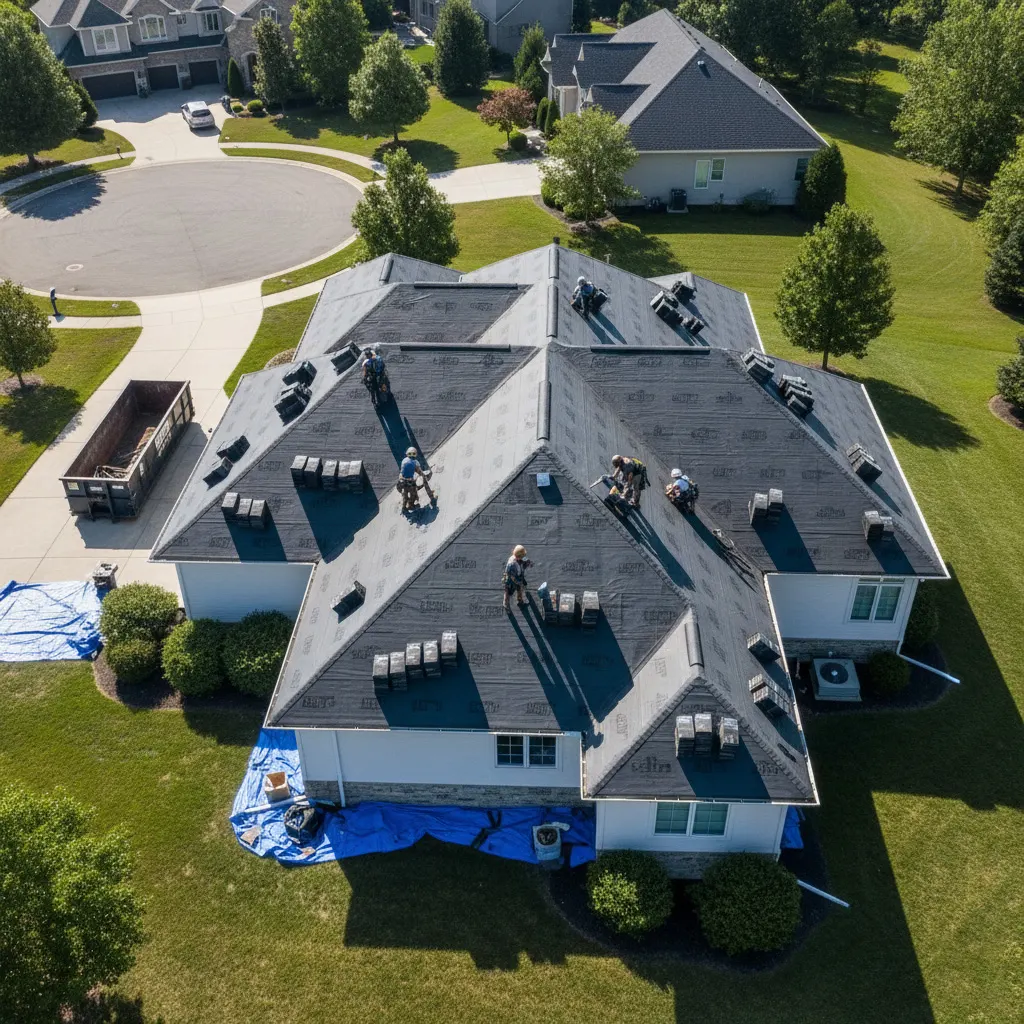
Case Study: How a Routine Inspection Saved One Surprise Homeowner Thousands
A homeowner in the Orchards neighborhood recently invited us out for a standard preventative checkup. Their roof looked fine from the street, and they had no active leaks inside their living room.
Our technician climbed up and spotted a hidden vulnerability near a chimney flashing that wasn't visible from the ground. The intense heat had caused the sealant to crack and pull away, creating a tiny channel for water.
Here is what the inspection uncovered before the damage spread:
- Loose tiles that were ready to slide during high winds.
- Deteriorated rubber gaskets around pipe boots, a classic Arizona leak culprit.
- Early signs of thermal degradation on the western exposure of the roof.
If they had waited for the monsoon, that small gap would have funneled gallons of water directly into their drywall. Instead of a massive emergency restoration bill, they spent a few hundred dollars on minor maintenance.
They secured their home, saved their ceiling, and gained total peace of mind for the next few years. That is the smarter way to manage property in the desert.
Choosing the Right Materials for Long-Term Desert Performance
If your current roof is constantly curling or cracking, the problem might not be the installer—it might be the material choice. Arizona heat doesn't just age a roof; it bakes the life out of inferior products. Most homeowners make the mistake of choosing standard shingles that aren't rated for high-UV exposure.
Smart Surprise homeowners pivot toward high-reflectivity materials designed to fight back against the Sonoran sun. These aren't just aesthetic upgrades; they are high-performance shields for your largest investment.
The Desert Performance Checklist
- Cool Roof Technology: Look for specialized granules that reflect solar energy rather than absorbing it. This single change can drop your attic temperature by double digits.
- Impact Resistance: Ensure your materials carry a Class 4 rating. This protects you from the freak hail events that occasionally tear through the Valley.
- Underlayment Quality: The top layer is only as good as what is underneath. Always demand synthetic underlayment that won't bake and crack like traditional felt paper.
Think of your roof material as a long-term hedge against inflation. A cheap roof costs you every three years in repairs, while a properly specified desert roof pays for itself in lowered cooling bills and sheer peace of mind. Stop picking shingles for the color and start picking them for their ability to survive the brutal Surprise summer.
Final Words: Investing in Peace of Mind for Your Arizona Home
Your roof is the only thing standing between your family and the raw, punishing heat of the Sonoran Desert. Most people treat their home like an expense, but smart homeowners know that proactive care is the ultimate insurance policy.
By scheduling your regular Roof Maintenance, you stop minor thermal cracks from turning into structural disasters. It is the difference between writing a small check today or a mortgage-sized check after the next big storm.
Stop waiting for the ceiling to drip before you take action. Here is how to keep your home safe for the long haul:
- Schedule your roof checkup before the peak heat of June.
- Look for loose tiles or discolored shingles after every high-wind event.
- Trust local experts who understand the unique thermal stress of our specific zip code.
When you stay ahead of the curve, you stop worrying about the weather report. You build real equity in your property and keep your living space cool, dry, and secure. That isn't just maintenance; that is financial intelligence applied to your biggest asset.
People Also Ask
How often should I have my roof inspected in Surprise, AZ?
Because of the intense desert heat and monsoon activity, we recommend a professional inspection at least twice a year. Scheduling these checks in the spring and late summer ensures your roof is prepared for both extreme thermal stress and sudden heavy rains.What are the signs of roof damage caused by the Arizona sun?
Look for curling, cracking, or blistering shingles, as well as granules collecting in your gutters or downspouts. These are clear indicators that the extreme UV radiation is breaking down the protective layers of your roofing material.Do I really need roof maintenance before monsoon season?
Yes, monsoon season brings intense winds and torrential downpours that can exploit even the smallest existing cracks or loose tiles. Proactive maintenance allows you to seal potential leaks before they turn into expensive water damage repairs.Which roofing materials last the longest in the Surprise climate?
Concrete tiles and high-quality metal roofing are generally considered the best options for our local climate. These materials reflect heat effectively and are designed to withstand long-term exposure to intense UV rays and desert wind storms.Can I perform my own roof inspections in Surprise?
While you can perform visual checks from the ground with binoculars, climbing on the roof is dangerous and can cause damage to older tiles. It is best to hire a professional who can safely walk the roof and identify subtle issues like thermal stress or underlayment decay.Need Roofing Services?
We provide rapid roof repairs and full replacements to restore your home’s protection in Surprise and the surrounding communities (85374, 85379, 85387, 85383). Our team delivers swift, reliable roofing solutions to secure your property against the elements.
Request Roofing Estimate