
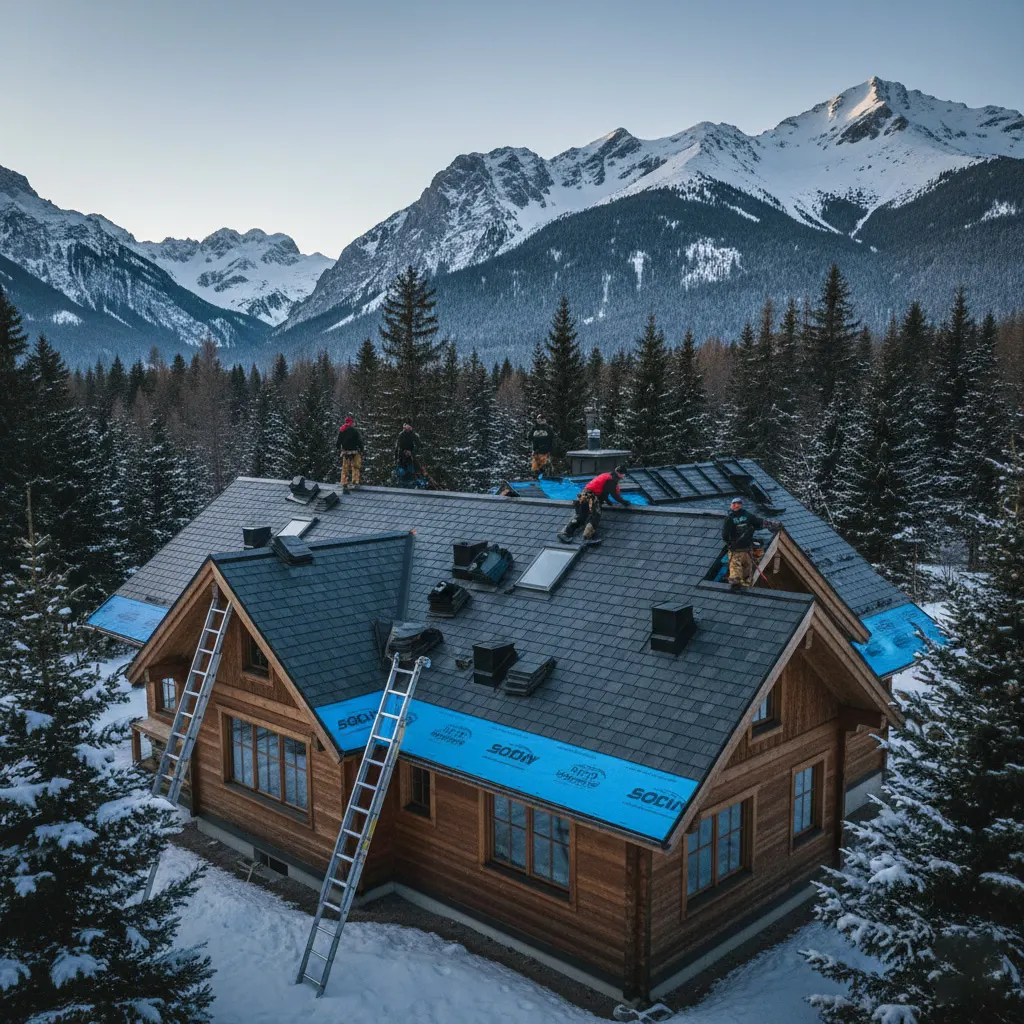


⚡ TL;DR: This comprehensive guide explores how tile roofing provides durable, code-compliant solutions for New York City homeowners, covering essential installation, structural load requirements, and long-term urban maintenance practices.
📋 What You’ll Learn
Considering a tile roof for your New York City property? This guide explores local building regulations, structural requirements, and material advantages to help you make an informed decision for your urban home.
- Navigate NYC building regulations by understanding how Landmark Preservation Commission rules and local building codes impact your ability to choose, install, and modify specific roofing materials on historic structures.
- Evaluate tile durability versus asphalt by learning how clay and concrete tiles withstand New York’s harsh micro-climate, heavy winds, and extreme temperature fluctuations throughout the changing city seasons.
- Assess your home’s structural capacity to determine if your brownstone can support the weight of premium tile roofing without requiring expensive internal framing reinforcements or complex foundation upgrades.
- Master long-term maintenance strategies by identifying professional techniques for leak prevention, debris management, and periodic inspections required to keep your urban roof functioning perfectly for several decades.
📖 Reading time: 8 min
✍️ Author expertise: NYC roofing contractor with two decades of field experience restoring historic brownstone roofs.
Your brownstone or colonial home is the most significant investment you will ever make, yet most New York City homeowners treat their roof like an afterthought. That is until the first major leak turns a minor repair into a nightmare of ruined ceilings and water-damaged floorboards.
You want a roof that stops traffic and stands up to the brutal Northeast winters without failing in five years. Tile roofing offers that rare combination of classic architectural beauty and bulletproof longevity, but only if you know exactly what you are doing before the first tile is placed.
Most contractors will try to push you toward cheaper, faster options that just do not belong on a historic city structure. Here is how you can choose a tile system that protects your property for decades while keeping your curb appeal at an all-time high.
Let’s look at the specific realities of installing tile roofing in the city and how you can avoid the costly mistakes that trap most homeowners.
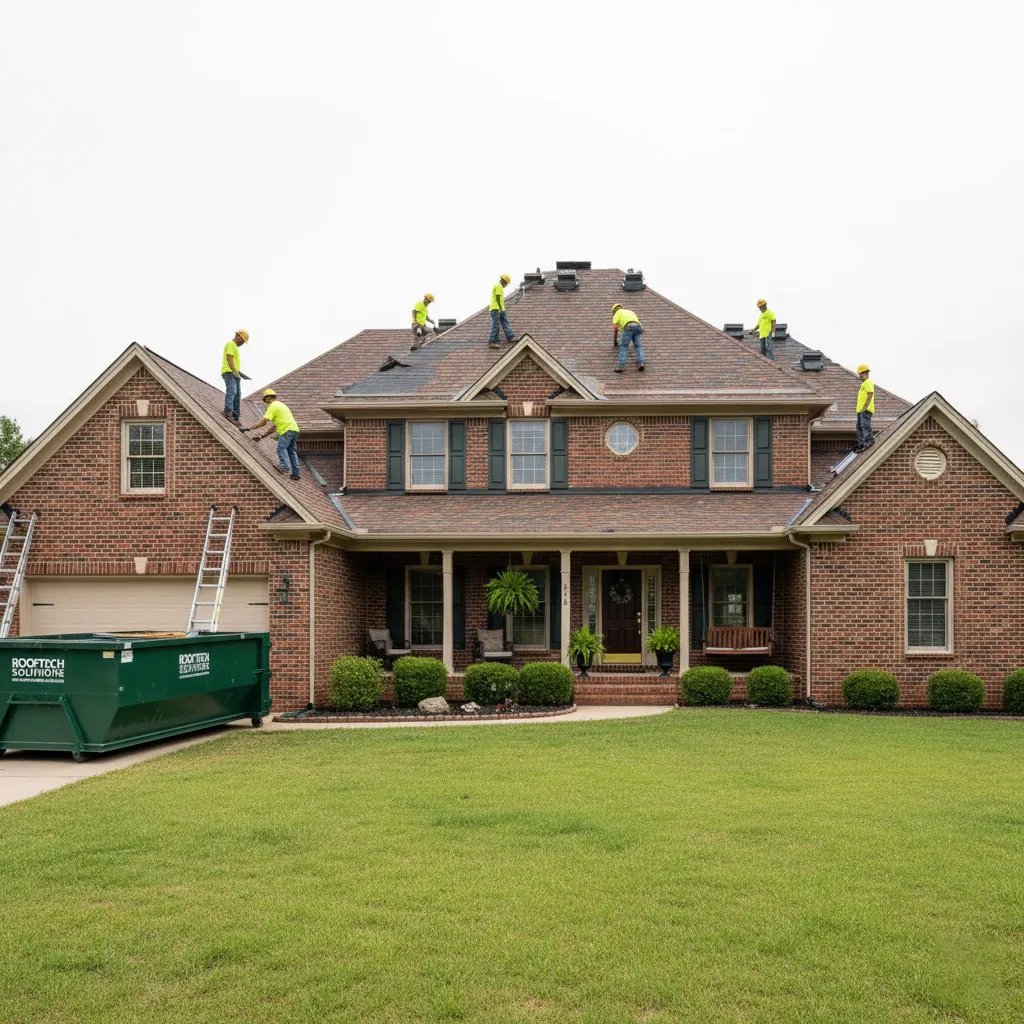
1. Understanding NYC Building Codes and Landmark Preservation Requirements
Before you even pick out a tile color, you need to contend with the New York City Department of Buildings (DOB). Installing a tile roof is a structural modification, not just a cosmetic upgrade, which means you must secure proper permits to keep your project legal.
If your property sits within a Landmark District or is designated as an individual landmark, the rules get even stricter. You cannot simply swap out materials because you like the look. You must gain approval from the Landmarks Preservation Commission (LPC) before a single hammer hits a nail.
To keep your project moving, keep these critical compliance factors in mind:
- Material Authenticity: Landmarks inspectors demand that replacement tiles match the original historical profile, color, and texture of your home’s era.
- Weight Certification: Because tile is heavy, the DOB will likely require a signed report from a licensed structural engineer confirming your joists can handle the load.
- Fire Rating: NYC building codes mandate a Class A fire-rated roof system for almost all residential buildings.
Don't try to fly under the radar. Attempting a major roofing job without the correct LPC sign-off often leads to massive stop-work orders and heavy fines. When you work with pros who understand the NYC administrative machine, you avoid these expensive legal traps and ensure your roof stays compliant for the long haul.
Why Tile Roofing Outperforms Asphalt in New York’s Micro-Climate
Most NYC roofs are stuck in a cycle of decay. Asphalt shingles are the industry standard for one reason only: they are cheap for contractors to install and fast to replace when they inevitably fail after a few harsh winters.
In our city, your roof faces a brutal mix of extreme freeze-thaw cycles, scorching summer heat trapped by skyscrapers, and high-velocity wind gusts. Asphalt absorbs this heat, becomes brittle in the cold, and loses its mineral granules, leading to premature leaks.
Tile roofing changes the game entirely. It provides a natural thermal barrier that keeps your top-floor living spaces cooler in July and saves you a fortune on heating during January. Unlike asphalt, tiles do not curl, crack, or degrade when hit by the heavy, slushy snow typical of a New York winter.
The Advantages of Tile Over Asphalt in NYC
If you want to stop the cycle of constant roof repairs, consider the long-term physics of tile:
- Fire Resistance: Tiles are non-combustible, a massive safety upgrade for tightly packed city brownstones.
- Wind Defiance: Properly installed clay and concrete tiles are heavy enough to withstand wind gusts that would rip standard asphalt shingles right off your deck.
- Color Stability: Asphalt fades into a dull gray within a few years, while high-quality tiles maintain their rich color and architectural character for decades.
- Longevity: You are likely installing this roof once. While asphalt lasts 15 to 20 years, a high-quality tile system can easily exceed 50 years of service.
It comes down to simple math. When you stop paying for frequent emergency repairs and the inevitable full replacement every two decades, the total cost of ownership for tile roofing is significantly lower than asphalt.
You aren't just buying material; you are buying the peace of mind that comes with a roof that refuses to quit. Stop treating your home like a temporary rental and start protecting it with a material designed to handle the real-world pressures of the NYC climate.
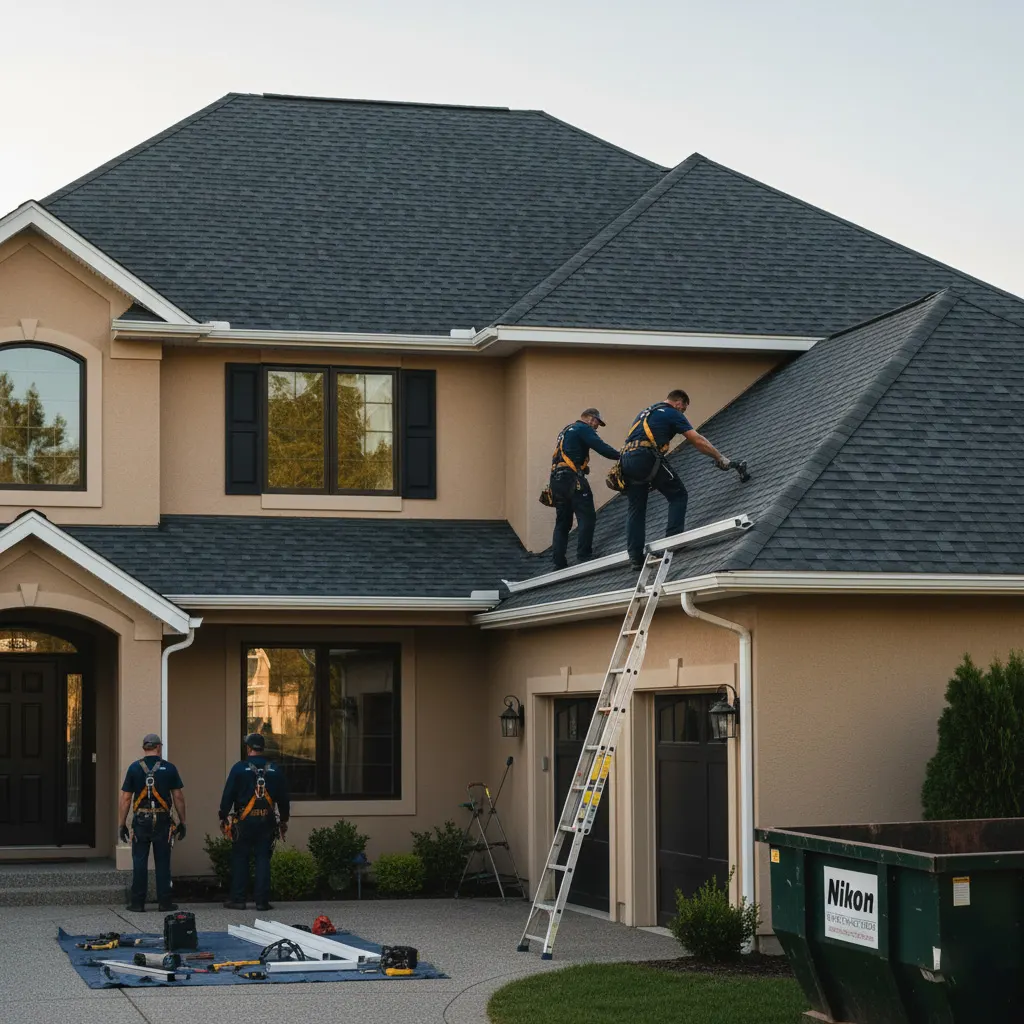
Comparing Clay vs. Concrete Tiles: Durability and Aesthetics for City Homes
When you commit to a tile roof in NYC, you are choosing between two heavyweights: natural clay and engineered concrete. Clay tiles are the gold standard for historic aesthetics, offering those rich, earthy tones that define high-end architecture from the Upper East Side to Brooklyn Heights.
These tiles are baked at intense temperatures, making them virtually impervious to fire and rot. They hold their color for generations because the pigment is part of the material, not just a thin layer of paint.
However, concrete tiles are the rugged, modern cousin of clay. They are molded from a mixture of sand, cement, and water, then cured to create a tough-as-nails shell that can mimic the look of slate, wood shake, or traditional Spanish clay.
Consider these critical differences before you sign a contract:
- Weight: Both materials are heavy, but clay is generally more uniform in density.
- Price: Concrete tiles usually cost less upfront than authentic clay, which often requires importing.
- Maintenance: Clay is fragile underfoot, meaning you need a pro who knows how to walk on a roof without cracking your investment.
- Weathering: Concrete tiles tend to lose their surface color over time, eventually requiring a professional cleaning or re-coating to look fresh.
If you own a protected landmark building, the local board will almost certainly mandate authentic clay to maintain historical integrity. If you are renovating a newer structure or a townhouse where strict aesthetic regulations are not in play, concrete offers a budget-conscious way to gain that premium tile look without the massive shipping costs associated with imported kiln-fired products.
Structural Load Considerations for Historic NYC Brownstones
Before you get excited about the look of Spanish clay or heavy-duty concrete tiles, you must confront the math. Historic brownstones in Brooklyn and Manhattan were not designed to carry the weight of a modern stone roof.
Most of these iconic structures were built with timber framing that has served faithfully for over a century. Adding thousands of pounds of tile to an aging roof deck without reinforcement is a recipe for sagging rafters or worse.
The Reality of Dead Loads
Every roofing material exerts a dead load on the structure. While asphalt shingles are lightweight, clay tiles can weigh three to four times as much.
You need a licensed structural engineer to sign off on your project. They will check for two critical factors:
- The current condition of your existing roof joists.
- The total weight capacity of the building footprint.
If your home cannot support the weight, all is not lost. Modern lightweight clay composites now offer the classic, high-end appearance of traditional tile without the massive weight penalty.
These engineered systems allow owners of older city homes to achieve that Mediterranean or historic aesthetic. You get the curb appeal of a heavy material while keeping your building inspector happy and your floors perfectly level.
Do not let a contractor convince you that your building can take the weight just by looking at it. Always insist on a certified load calculation before you sign a contract. Skipping this step is the fastest way to turn your historic gem into a long-term liability.

5. Professional Tile Installation: A Look Inside a Recent Brooklyn Brownstone Restoration
We recently took on a project in Park Slope where the original century-old timber structure was sagging under the weight of decades of improper asphalt repairs. The homeowner wanted the timeless look of Spanish clay tiles, but the roof deck was not prepared for that kind of dead load.
Our team had to strip the roof down to the rafters to perform a full structural reinforcement before a single tile arrived on site. We installed a custom engineered plywood deck with high-temp synthetic underlayment to ensure that water would never touch the wood, even if a tile cracked during a heavy storm.
The installation process for a historic brownstone requires precision that standard roofing crews simply do not possess. Here is how we managed the transition from a failing flat roof to a high-performance tile system:
- Precision Flashing: We fabricated custom copper flashing for every chimney and parapet wall to prevent the common leaks that plague old city buildings.
- Ventilation Balancing: Since tile roofs trap heat, we installed specialized intake and exhaust vents to keep the attic cool and prevent ice dams in the winter.
- Staggered Fastening: Each tile was mechanically fastened using corrosion-resistant stainless steel screws to ensure they survive the high winds that tunnel through Brooklyn streets.
The result was a roof that looks like it belongs in a period magazine while functioning like a modern fortress. When you hire a professional for this level of work, you aren't just buying shingles. You are paying for the engineering expertise required to ensure your property remains standing for another hundred years.
Long-Term Maintenance and Leak Prevention Strategies for Urban Roofs
Think of your tile roof as a high-performance engine. It can run for 50 or even 100 years, but only if you give it the right care at the right intervals.
In NYC, the biggest enemy is not just the rain; it is the freeze-thaw cycle that expands and contracts materials, slowly loosening mortar and flashing. You should inspect your roof every spring after the snow melts and again in the fall before the first heavy freeze.
Critical maintenance checklist for city tile roofs:
- Clear all debris from gutters and downspouts to prevent water backup, which can force moisture underneath the tile courses.
- Check for slipped or cracked tiles caused by heavy ice accumulation or stray foot traffic during chimney repairs.
- Examine the metal flashings around chimneys, vents, and skylights for any signs of surface rust or failing seals.
Most leaks in urban tile installations do not happen because a tile broke. They happen because the underlayment—the waterproof membrane beneath the tiles—has reached the end of its life.
If you see a leak, do not just patch the surface. Hire a contractor who understands historical roof assemblies to ensure the flashing is integrated into the masonry correctly. Fixing the problem at the source is the only way to protect your brownstone’s interior from the brutal city elements.
7. Final Words
Investing in tile roofing is not just about buying materials; it is about securing the structural integrity of your NYC property against a relentless climate. When you move away from temporary, mass-market solutions, you are choosing a system that respects the history of your home while outlasting every other roof on the block.
Keep in mind that the caliber of the installer matters more than the brand of the tile. A high-end clay product will fail in months if the underlying deck is not prepped for the weight or if the flashing is amateurish.
Before you commit to a contract, verify these three non-negotiables to protect your capital:
- Ensure your contractor has specific experience with NYC Landmarks Preservation Commission filings.
- Demand a detailed structural load analysis report signed by a licensed engineer.
- Look for a track record of historical restoration projects, not just new construction.
If you are ready to stop patching your roof every two years, it is time to look at the long-term performance data for Tile Roofing. A proper installation is a permanent asset that saves you from the cycle of constant repairs, water damage, and interior restoration. Treat your roof as the primary defender of your investment, and it will serve you faithfully for the next half-century.
People Also Ask
Are tile roofs allowed on historic buildings in NYC?
Yes, but they are subject to strict oversight by the Landmarks Preservation Commission (LPC). You must obtain specific approvals to ensure the new tile materials and colors match the original architectural character of your historic brownstone.How heavy is a tile roof compared to asphalt shingles?
Tile roofing is significantly heavier than asphalt, often weighing between 800 to 1,200 pounds per square roof, whereas asphalt is typically under 300 pounds. Because of this, a licensed engineer must verify that your building's structural framework can support the additional weight before installation.Do tile roofs last longer than asphalt in New York weather?
Yes, tile roofs are exceptionally durable in NYC's micro-climate and can last 50 to 100 years with proper care. Unlike asphalt shingles, which degrade rapidly due to UV exposure and freeze-thaw cycles, high-quality clay or concrete tiles resist fire, rot, and wind uplift.Is it expensive to maintain a tile roof in Brooklyn?
Routine maintenance is generally affordable, focusing on clearing debris from valleys and replacing individual cracked tiles. While the upfront installation cost is higher than asphalt, the longevity and reduced frequency of full roof replacements make it a cost-effective investment for urban homeowners.Can I install clay tiles on a flat NYC roof?
Standard clay tiles are designed for sloped roofs and are not suitable for flat urban roofing surfaces. For flat roofs in NYC, you should utilize specialized roofing membranes, though decorative tile accents can sometimes be incorporated if the structure allows.Need Roofing Services?
We deliver rapid, high-quality roofing installations and repairs across New York City and surrounding regions. Our team ensures your property remains protected with efficient project completion and durable results (10001, 11201, 10451, 11101).
Request Roofing Estimate