
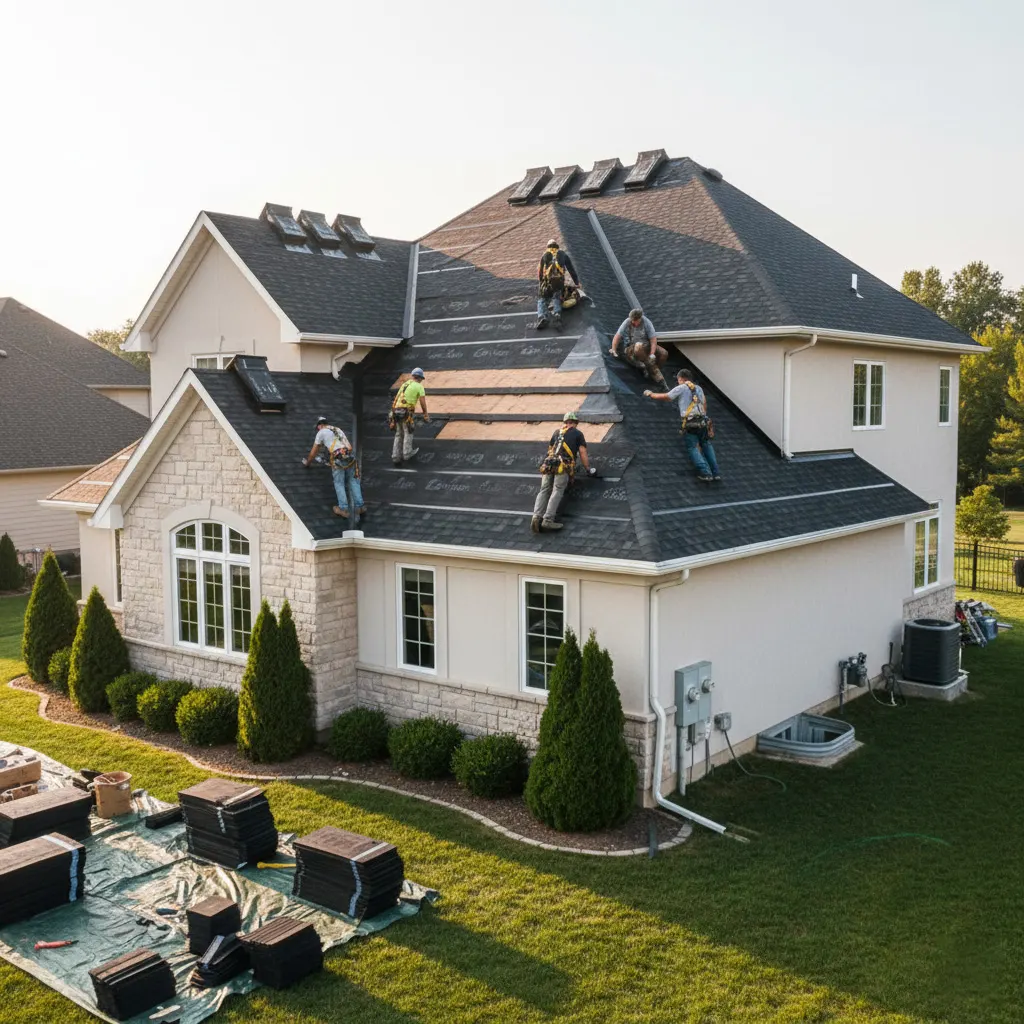


⚡ TL;DR: This guide helps NYC homeowners navigate roof replacement by revealing hidden contractor tactics, building code requirements, and essential strategies to ensure long-term protection for their valuable urban properties.
📋 What You’ll Learn
Navigating NYC roof replacements requires insider knowledge to avoid costly pitfalls. This guide exposes industry secrets, equipping you with the tools to demand quality, transparency, and longevity for your property.
- Master complex NYC building regulations by learning how to verify necessary permits and code compliance, ensuring your investment remains legal and protected against future municipal fines or violations.
- Detect deceptive bait-and-switch estimates through our deep dive into hidden line items, teaching you how to spot predatory pricing tactics before you sign a binding contractor agreement.
- Expose concealed structural damage by understanding what might be lurking under your current membrane, preventing contractors from cutting corners on vital substrate repairs that compromise your building's integrity.
- Identify professional red flags early by analyzing the warning signs that indicate a subpar contractor, ultimately shielding your home from long-term litigation risks, recurring leaks, and premature failure.
- Protect your long-term investment value by recognizing why temporary patches are often illusions, allowing you to prioritize permanent, high-quality roofing solutions that withstand the harsh New York climate.
📖 Reading time: 8 min
✍️ Author expertise: NYC-based master roofer with two decades of experience managing complex brownstone restoration projects.
Your NYC roof is likely a ticking time bomb, and the contractor you just invited over for a quote is probably hiding the most expensive parts of the bill until the work has already started. Most homeowners in the city treat their roof like an out of sight, out of mind appliance until water starts dripping onto their hardwood floors or ruining a pricey paint job.
There is a dirty game played behind the scenes of Manhattan and Brooklyn roof replacements, and if you don’t know the rules, you are going to pay a heavy price for someone else's vacation home. Most of the guys selling you on a "quick fix" are just looking to cover up systemic issues that will bleed your bank account dry within three years.
I have spent enough time on city rooftops to know exactly where the hidden traps lie and why your neighbors end up paying double for the same square footage. Stop letting yourself get played and look at the real numbers before you sign a single contract.
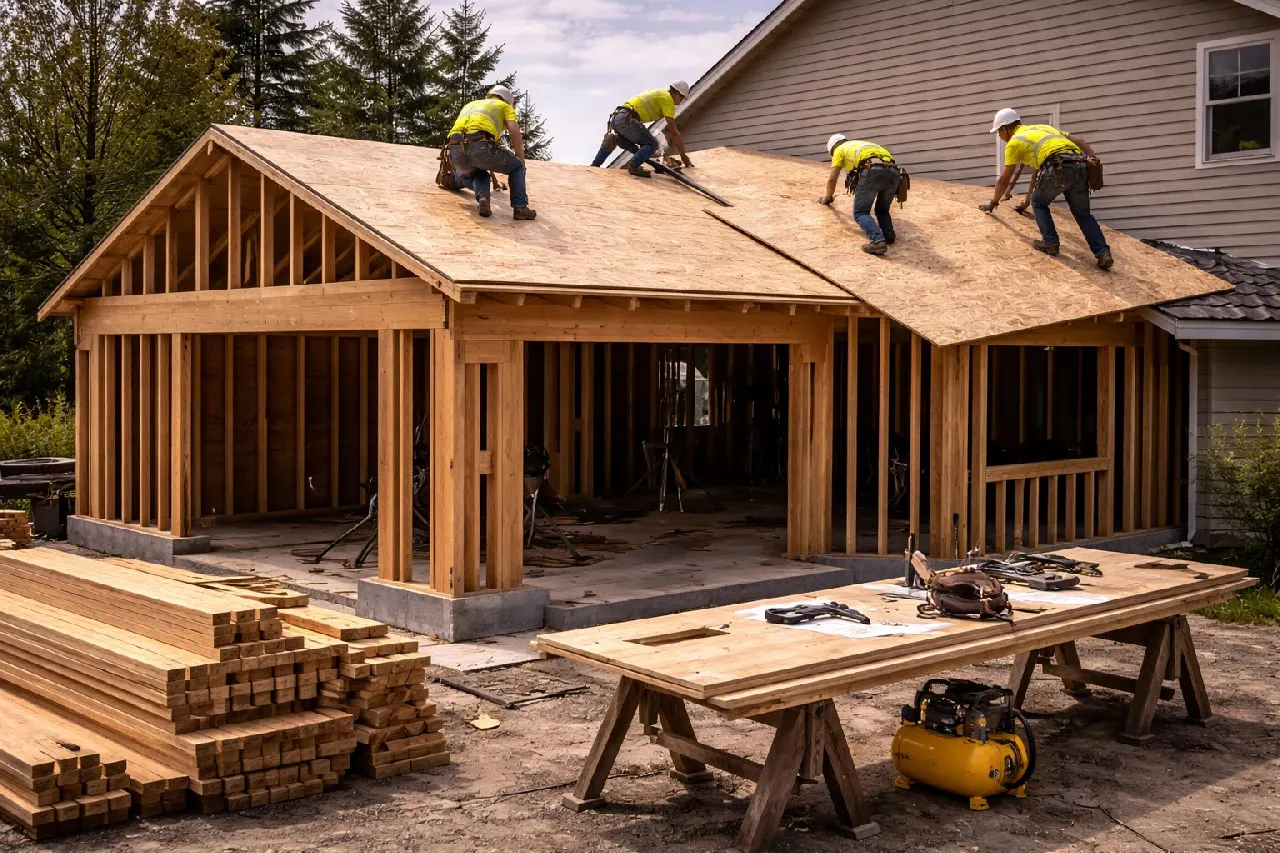
Why NYC Building Codes and Permits Are Your First Line of Defense
If your contractor suggests skipping the permit process to save you a few bucks, run. In New York City, the Department of Buildings (DOB) isn't just there to collect fees; those codes act as the only legal barrier between you and a structural nightmare.
When a roof is replaced without the proper paperwork, you lose the safety net of city inspections. You have no recourse if the job is botched, and you can bet your bottom dollar that the insurance company will deny your claim the moment that first leak causes damage.
Ignoring the rules creates a paper trail of disaster that comes back to haunt you during a property sale. Savvy buyers will pull your DOB history, and a missing permit for a roof replacement is an instant deal-killer or a massive bargaining chip for them to drop the price.
To keep your project above board and your home protected, ensure your contract explicitly accounts for the following requirements:
- Filing Fees: Check if the DOB filing costs are itemized clearly in the estimate.
- Work Permits: A physical copy of the permit must be posted on your property for the duration of the job.
- Safety Compliance: NYC requires specific sidewalk sheds or safety netting if your building exceeds a certain height or proximity to a public walkway.
- Final Sign-off: Never release the final 10% of payment until a city inspector has verified the work and closed the permit.
Never take a contractor's word that their work is up to code. If they aren't willing to put it on paper and open it up to a city inspector's eyes, they are likely cutting corners on insulation, flashing, or drainage requirements that are mandatory under current standards.
The Anatomy of a Bait-and-Switch Estimate: Identifying Hidden Line Items
The "lowball" quote is the oldest trick in the NYC contracting playbook. A shady operator will hand you a bottom-dollar price just to get their foot in the door, knowing full well that the final invoice will balloon by thirty percent once they have your roof ripped open.
They intentionally leave out critical line items to make their bid look attractive compared to honest companies. Once the old roof is torn off and your home is exposed to the elements, they suddenly "discover" issues that require immediate, expensive upgrades.
Keep your eyes peeled for these common omissions designed to trap you:
- Dunnage and debris removal fees: Getting construction waste down from a Brooklyn brownstone is expensive. If this isn't itemized, they will stick you with a "disposal surcharge" later.
- Ventilation and insulation adjustments: Proper airflow is required by code. Cheap contractors skip it to save time, then charge you a premium to "correct" the lack of airflow after the insulation fails.
- Flashing replacement: They might promise to "re-use" your existing metal flashing to save money. In NYC, re-using old flashing is a recipe for a leak within the first season.
If you see a contract that doesn't explicitly list the exact materials, the exact quantity of plywood boards, and the disposal method, you are asking for trouble. A professional contractor gives you an "all-in" price that includes the unforeseen variables common to city architecture.
Do not let them play the game of adding extras while your roof is currently open to the rain. If they cannot explain why a line item is absent, throw that estimate in the trash and find someone who isn't afraid to show you the full cost upfront.
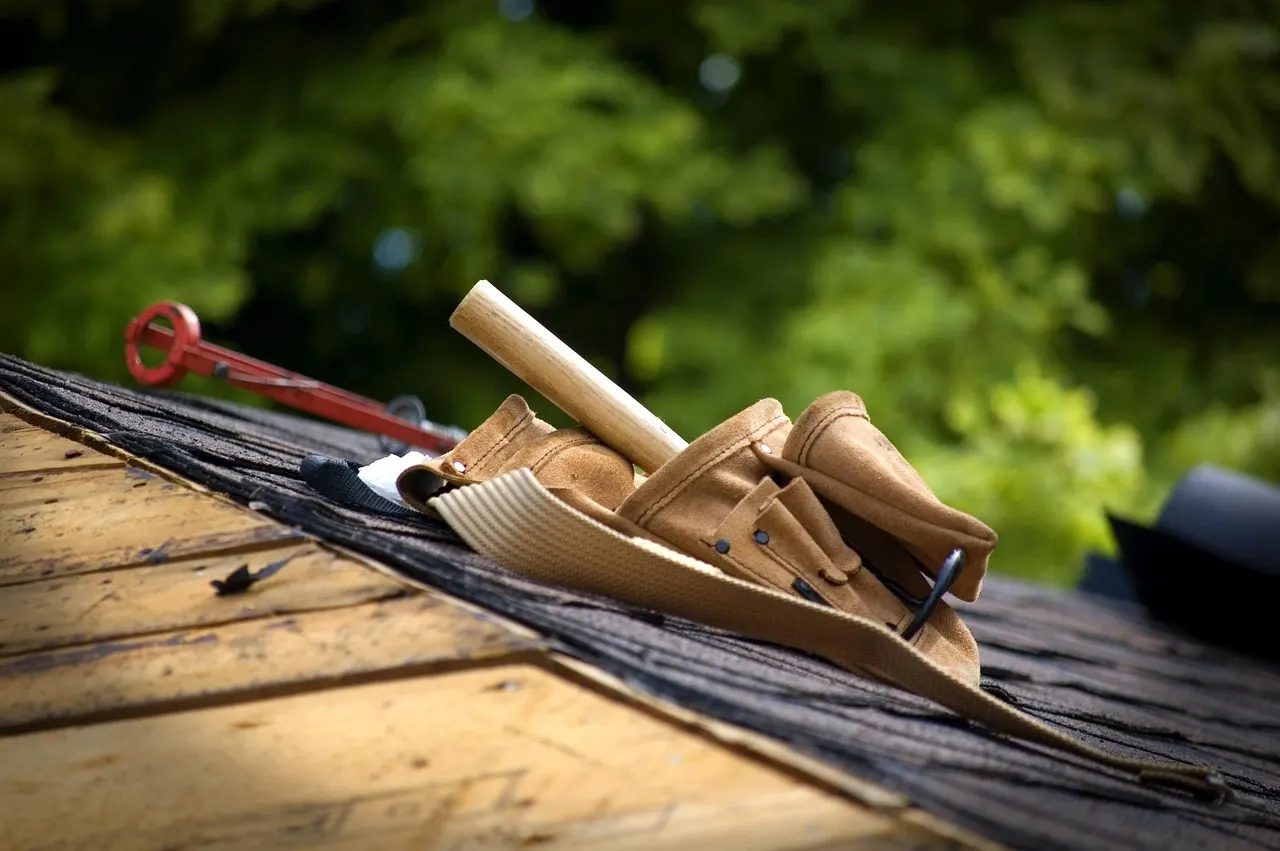
Substrate Secrets: What Your Contractor Might Be Hiding Under the Membrane
Most roofing scams don't happen on the surface; they happen in the dark, rotting spaces underneath. When a contractor gives you a lowball bid, they are often betting that the plywood or insulation beneath your existing membrane is still structurally sound. If it isn't, they will hit you with a massive "change order" mid-project once the old roof is peeled back.
By the time they show you the rotten decking, your home is literally open to the elements. You are trapped in a corner and forced to pay whatever extortionate price they demand to finish the job. This is not an accident. It is a predatory business model designed to lure you in with a low number and squeeze you once your protection is stripped away.
Common Substrate Traps to Watch For:
- Water-logged insulation: If they don't replace saturated board, your new roof will bubble and fail within two seasons.
- Delaminated plywood: Soft or crumbling decking cannot hold nails properly, making your roof vulnerable to high NYC wind gusts.
- Rusted steel decking: In many industrial or commercial buildings, the metal structure below the membrane often hides corrosion that requires specialized structural repair.
Before you sign a contract, demand that the quote includes a fixed price per sheet for wood replacement. If a contractor refuses to give you a per-unit cost for the substrate, run for the exits. You need a clear, itemized breakdown that protects your wallet before the first hammer hits your roof deck.
Case Study: How an Upper West Side Brownstone Saved $25k by Avoiding Shortcuts
I walked onto a century-old brownstone on the Upper West Side that had already been quoted by three different roofing outfits. The previous estimates were dirt cheap, but they all conveniently ignored the structural integrity of the underlying deck. They planned to slap new membrane right over the rotting wood, which would have collapsed under the weight of the next major snowstorm.
My inspection revealed severe water infiltration that had compromised the joists. Instead of ignoring it, we tore the roof down to the rafters. By addressing the rot before laying the new system, the owner saved a fortune in the long run. Here is why that $25,000 savings wasn't just a number, but a survival tactic:
- We replaced the compromised plywood deck, ensuring the new installation wouldn't sag or warp within two seasons.
- We properly installed tapered insulation, which forced water toward the drains rather than letting it pool in the center of the roof.
- We integrated custom flashing at the parapet walls that met current NYC building codes, something the low-ballers claimed was optional.
If the homeowner had gone with the "quick fix" companies, the trapped moisture would have rotted the entire roof assembly from the inside out. They would have paid for a brand new roof, only to tear it off entirely three years later due to mold and structural failure. Avoiding the shortcut meant doing the work correctly once, rather than paying for a disaster twice.
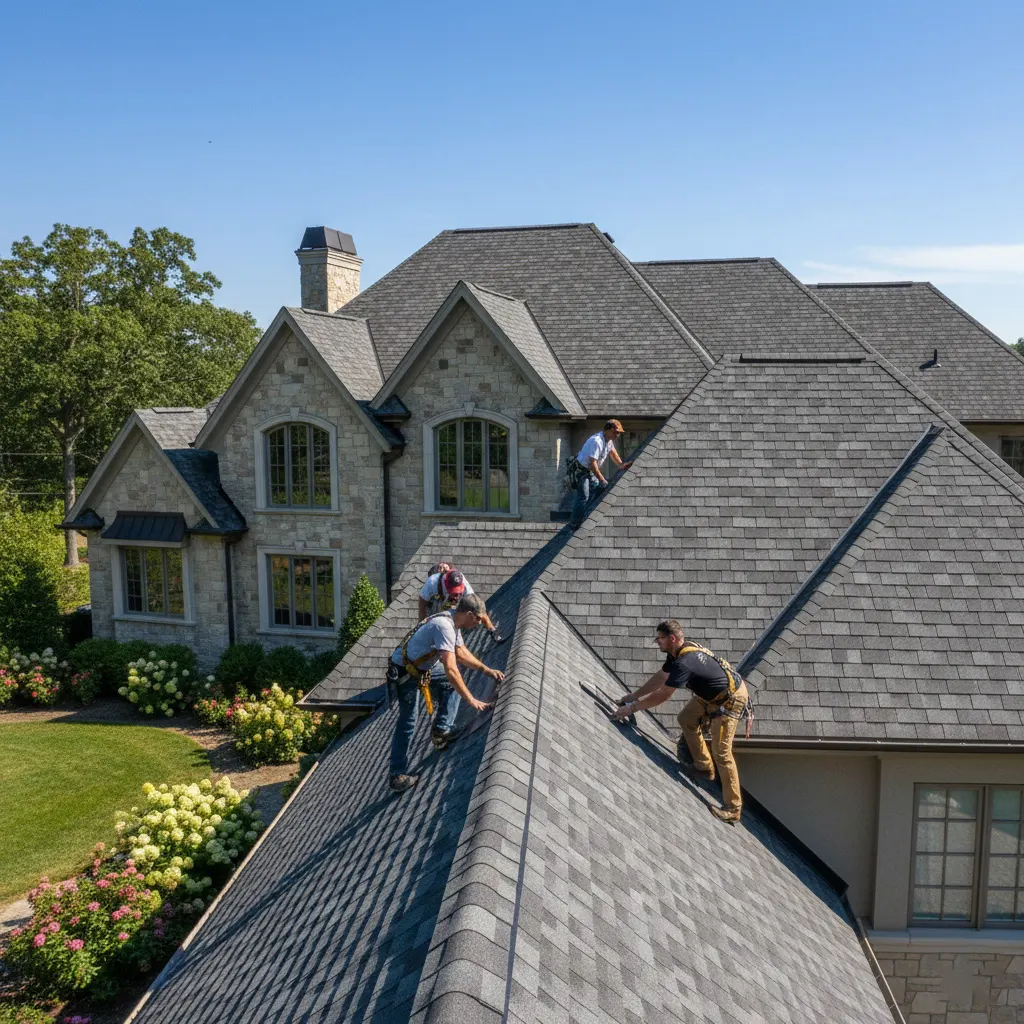
Why "Patching" a NYC Roof is Often a Costly Illusion
In the world of Manhattan masonry and Brooklyn row houses, a patch job is rarely a solution. It is a temporary band-aid on a gangrenous wound. When you see water staining your ceiling, that moisture has already traveled through layers of insulation, rotting your roof deck long before it ever hit your drywall.
Most contractors will gladly take your check for a quick patch. They know that in six months, when the leak reappears three feet away, you will have to call them back. It is a predatory cycle designed to keep their cash flow steady at the expense of your property value.
The Real Risks of Patching:
- Systemic Failure: If one seam is failing, the adhesive or membrane chemistry across the entire roof is likely past its shelf life.
- Hidden Rot: You cannot see what is happening underneath the surface. Trapped moisture turns your roof deck into a sponge, leading to expensive structural repairs later.
- Voided Warranties: Many manufacturers refuse to honor warranties on roofs that have been compromised by improper, mismatched patches.
Think about the physics of a NYC winter. Between the freeze-thaw cycles and the extreme thermal expansion of our city buildings, a patch simply cannot flex with the rest of your roof. It becomes a rigid weak point that creates new stress fractures in the surrounding membrane.
You aren't saving money by opting for a patch. You are effectively pre-paying for a full replacement while simultaneously damaging the remaining integrity of your current system. Do not let a contractor convince you that a bucket of tar and a prayer is a legitimate long-term strategy for a building in this climate.
Evaluating Contractors: The Red Flags That Signal Future Litigation or Leaks
Finding a reliable roofer in the five boroughs is like trying to find a quiet apartment on a Saturday night. Most contractors rely on aggressive sales tactics to secure a deposit, but their lack of transparency is a flashing neon sign that you should run the other way.
If your contractor refuses to provide a detailed, itemized breakdown of costs, they are likely hiding a margin that covers their poor workmanship. Never sign a vague contract that lists a single lump sum for labor and materials; that is how they trap you once the demo begins.
Watch out for these specific warning signs before you commit a dime to the project:
- The contractor pressures you to sign immediately with a fake "today only" discount.
- They do not have a physical office address or a legitimate NYC business license on file with the Department of Buildings.
- The estimate is significantly lower than three other reputable bids you have received.
- They suggest skipping the permit process to "save you money" or avoid city bureaucracy.
If a contractor suggests avoiding permits, they are putting your property at risk of massive fines and mandatory teardowns. Professional roofers know that city inspections protect your investment, not hinder it. If they are scared of the inspector, it is because they have no intention of following the building code.
Check their insurance certificates meticulously by calling the provider directly. Many fly-by-night operators carry expired or inadequate coverage, which means you are personally liable if a worker falls or drops a tool onto a pedestrian below. If they get defensive when you ask for proof of insurance, show them the door.
Final Words: Protecting Your Investment for the Next Thirty Years
A roof in New York City is not just a collection of shingles or rubber; it is a structural armor designed to handle our brutal freeze-thaw cycles. When you commit to a proper, professional Roof Replacement, you are buying peace of mind, not just labor hours.
Most homeowners lose money because they look for the cheapest bid today instead of the lowest cost of ownership over time. True value comes from high-quality materials and installers who refuse to cut corners on the flashing or the ventilation.
The Checklist for Long-Term Roof Health
- Demand a written warranty that covers both materials and workmanship. If they won't put it on paper, they won't honor it when the first leak appears.
- Prioritize annual inspections. Finding a small crack before it becomes a structural nightmare will save you thousands of dollars in interior repairs.
- Keep a file of your permits and receipts. Documentation is your best friend if you ever decide to list your property or file an insurance claim.
Don't be the person who gets caught up in a cycle of patches and repairs that never actually solve the problem. Your home is your biggest asset, and the roof is the only thing standing between your equity and the elements.
Choose your contractor based on their track record of transparency, not the flashiness of their website or the speed of their initial quote. Do the heavy lifting during the hiring phase, and you will enjoy a dry, secure home for the next three decades.
People Also Ask
How much does a full roof replacement cost in NYC?
The cost of a roof replacement in New York City typically ranges from $15,000 to over $50,000 depending on the building size, accessibility, and roofing material chosen. Because of complex logistics and strict city building codes, it is essential to get a detailed, transparent estimate to avoid unexpected surcharges.Do I really need a permit for roof work in NYC?
Yes, almost all roofing work in New York City requires a permit from the Department of Buildings to ensure the structure meets safety and fire codes. Skipping the permit process can result in heavy fines, stop-work orders, and significant legal hurdles when you eventually try to sell your property.How do I know if I need a roof replacement or just a repair?
If you have persistent leaks, widespread blistering, or structural sagging, a full replacement is often more cost-effective than constant patching. Small localized repairs are temporary fixes, whereas a total replacement offers a long-term warranty and peace of mind against the harsh NYC climate.What are the most common roofing materials used in New York City?
Flat roofs on NYC brownstones and buildings typically use TPO, EPDM rubber membranes, or modified bitumen. These materials are preferred for their durability, heat-reflective properties, and ability to withstand the unique challenges of urban drainage and rooftop activity.How can I verify if a NYC roofing contractor is legitimate?
Always verify that your contractor holds a valid NYC Home Improvement Contractor license and carries comprehensive liability and workers' compensation insurance. Requesting a list of recent local projects and checking their standing with the Better Business Bureau are also essential steps to protect your investment.Need Roofing Services?
We deliver rapid, high-quality roofing installations and repairs across New York City and surrounding regions. Our team ensures your property remains protected with efficient project completion and durable results (10001, 11201, 10451, 11101).
Request Roofing Estimate