
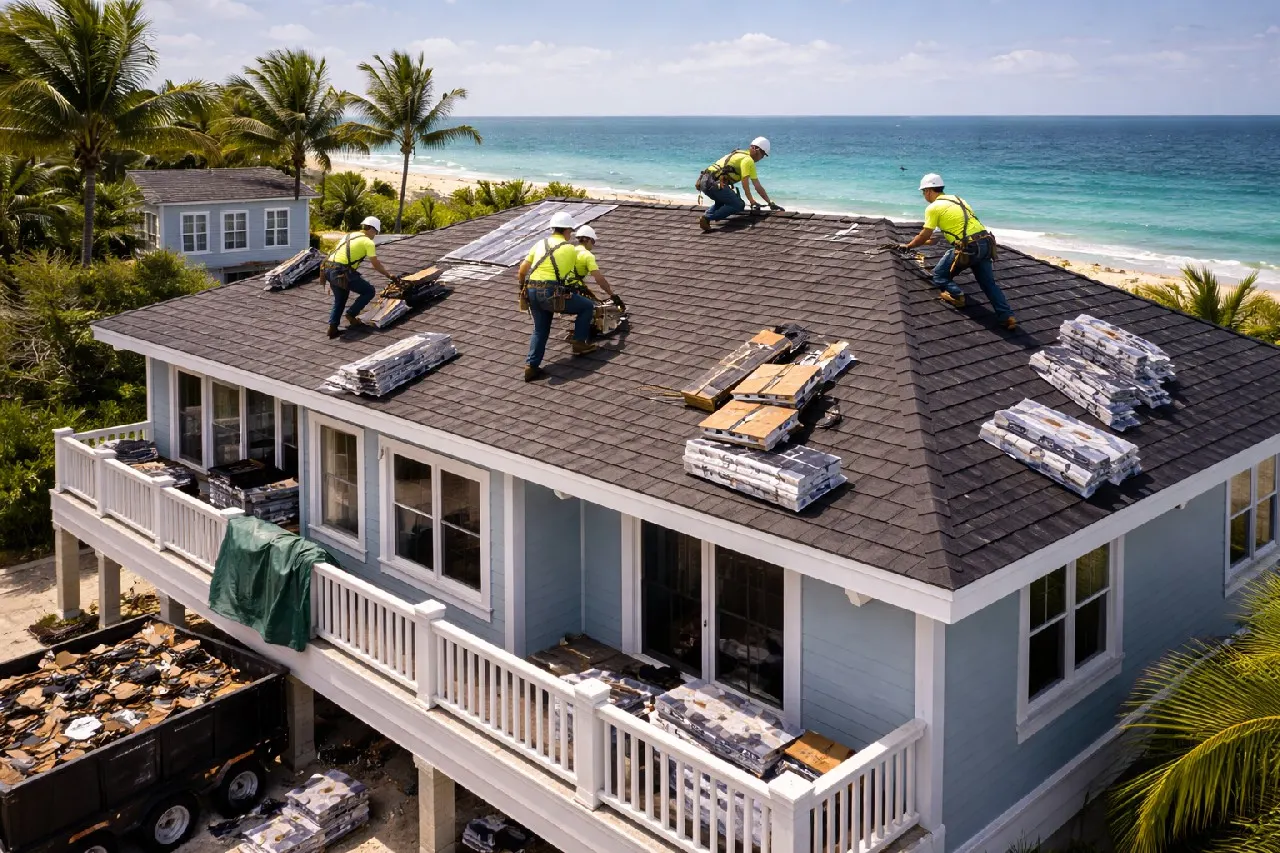


⚡ TL;DR: To protect your property, this guide offers seven practical strategies for roof maintenance in New York City to help building owners identify wear and extend their roof lifespan.
📋 What You’ll Learn
Navigating New York City’s unique climate requires specialized knowledge to keep your building dry. This guide provides essential maintenance strategies to protect your roof investment against urban environmental stressors and decay.
- Establish a seasonal inspection routine tailored to NYC’s extreme temperature swings, helping you catch thermal expansion cracks and weather-related damage before they escalate into costly, major structural roof leaks.
- Master effective debris management techniques specific to high-rise environments, ensuring that your drainage systems remain unobstructed to prevent standing water from compromising the integrity of your roof membrane.
- Detect early warning signs of wear by learning to identify subtle degradation in flashing and roofing materials, allowing for timely, minor repairs that significantly extend your roof's lifespan.
- Evaluate DIY versus professional care by understanding which routine tasks you can safely manage yourself and when NYC building codes necessitate hiring a licensed, experienced roofing contractor.
📖 Reading time: 8 min
✍️ Author expertise: NYC roofing specialist with two decades of experience repairing diverse urban building structures.
A single hidden leak in your Manhattan brownstone can turn a manageable repair bill into a five-figure nightmare before you even notice the water damage on your ceiling. In a city where weather patterns shift from punishing heat to brutal ice in the blink of an eye, your roof is taking a constant beating.
Most building owners wait until they see a wet spot before they pay any attention to what is happening above their heads. That mistake is exactly how small, inexpensive maintenance issues grow into catastrophic structural failures.
You do not need to be a professional contractor to keep your building secure and dry throughout the changing seasons. Follow these seven essential maintenance steps to protect your property value and ensure your roof lasts for decades instead of years.
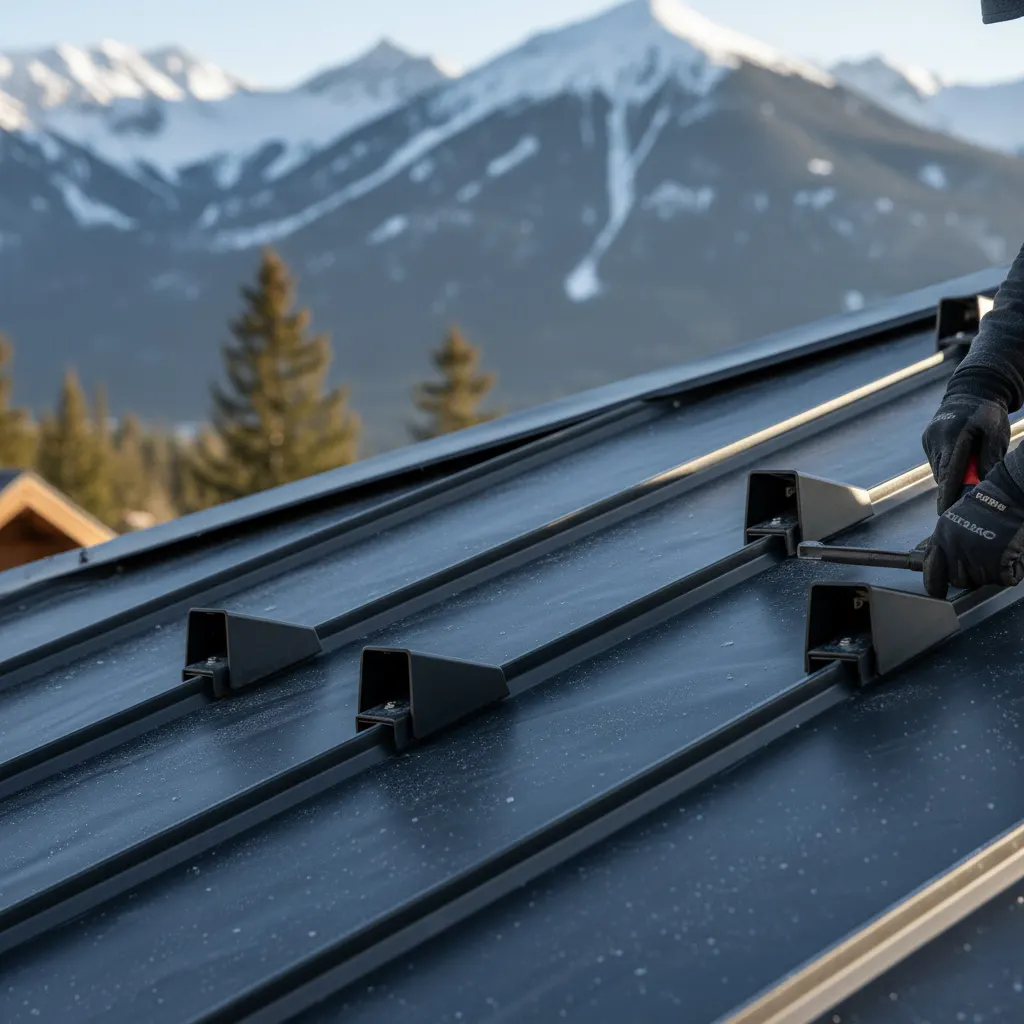
1. Seasonal Inspection Checklists for NYC’s Harsh Climate
New York weather is relentless. One month your roof is baking under a blistering sun, and the next, it is battling freeze-thaw cycles that expand and contract building materials until they snap.
You cannot afford a "set it and forget it" mentality. If you want to keep your building dry, you must conduct a formal inspection every spring and autumn.
Here is your essential checklist to catch damage before the weather turns:
- Spring Cleaning: Look for cracked sealants, split seams, and blisters caused by winter frost heaves. Clear away any organic growth or moss that can trap moisture against the membrane.
- Autumn Prep: Inspect for puncture marks from falling branches or heavy rooftop equipment. Ensure all flashing is tight and secure before the first snow accumulates.
Focus your eyes on the high-stress zones. These include rooftop perimeters, vents, skylights, and areas where chimneys meet the roof deck.
If you see a gap wider than a credit card, water is already finding a way in. Don't wait for a rainy day to find out; a proactive scan today prevents a massive repair bill tomorrow.
Clearing Debris and Managing Drainage Systems in High-Rise Environments
If you own a high-rise or a multi-unit building in NYC, your roof is a giant magnet for urban filth. Airborne grit, leaves from nearby trees, and discarded trash from upper-floor windows quickly accumulate in roof corners and around drains.
When this debris piles up, it acts like a sponge. It traps moisture against your roofing membrane, creating the perfect breeding ground for rot and ponding water.
Neglecting these simple blockages is the fastest way to invite a disastrous backup during our unpredictable NYC rainstorms. Follow these steps to keep your drainage system flowing:
- Remove all leaves, sticks, and heavy grit from your roof surface at least twice per year.
- Check that every drain strainer is securely in place so that debris cannot enter your downspouts.
- Clear any obstructions from the actual downspout openings to prevent internal clogs that are incredibly difficult to clear once hardened.
Water that cannot escape is a silent killer for flat roofs. If your drains are clogged, that standing water adds thousands of pounds of pressure to your roof deck.
Over time, this extra weight causes sagging, which creates even deeper pools of water. Do not wait for a heavy storm to discover that your drainage system is compromised.
Clear it out while the sky is blue. Regular maintenance here is the cheapest insurance policy you will ever buy for your building.

Identifying and Addressing Early Signs of Membrane and Flashing Wear
The roof membrane is your building’s primary line of defense against the NYC elements. In our dense urban environment, UV exposure and chemical pollutants can turn a sturdy membrane brittle far faster than manufacturers anticipate.
You need to get up there—or hire someone who can—to look for subtle warning signs before they become structural disasters. Keep a sharp eye out for these specific red flags:
- Blistering or bubbling: This usually means moisture is trapped underneath the surface.
- Cracking or alligatoring: If the membrane looks like dry, scaly skin, it has lost its elasticity and will soon split.
- Ponding water: If water stands in a spot for more than 48 hours, your drainage is failing and the membrane is degrading rapidly.
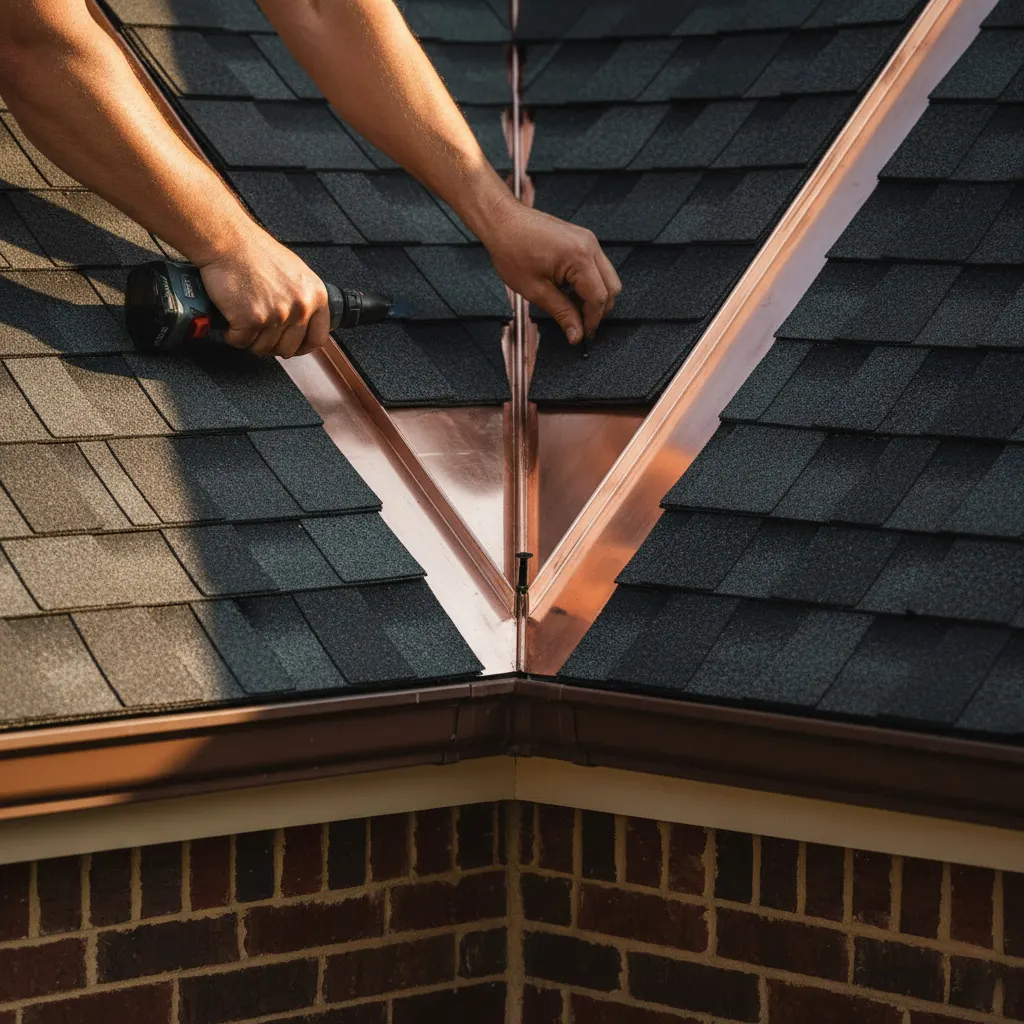
Flashings are the vulnerable joints of your roof. These are the metal or rubber strips that seal the areas around chimneys, vents, and parapet walls.
If you see even a hairline crack in the sealant or a piece of metal that has pulled away from the wall, you are looking at an open door for rain. Do not wait for a storm to test these weak points. A simple tube of high-grade roofing mastic can stop a disaster today, but once water gets behind that flashing, you are looking at expensive interior restoration work.
The Critical Role of Proper Attic Ventilation and Insulation
Most NYC building owners obsess over the exterior membrane, but the real damage often starts from the inside out. Without proper airflow, your attic or crawl space becomes a pressure cooker for trapped moisture.
When hot air meets a cold roof deck, it creates condensation. That trapped moisture leads to rotting rafters, rusted fasteners, and ruined insulation long before you spot a drip on your ceiling.
How to identify a ventilation failure:
- You notice frost or ice dam buildup near the roof edge during winter.
- The attic space feels stiflingly hot or damp during a summer heatwave.
- Your energy bills skyrocket because the HVAC system is fighting the ambient temperature in the attic.
- You see dark spots or mold growth on the underside of your roof sheathing.
A balanced ventilation system works by drawing cool, dry air in through the soffit vents and pushing humid air out through ridge or gable vents. If your insulation is blocking these intakes, you are essentially suffocating your roof.
Adding more insulation is smart, but only if it does not choke off your intake vents. Ensure your attic insulation is evenly distributed and that vent baffles are installed to keep those air channels wide open.
Lessons from the Field: Restoring a Historic Brooklyn Townhouse Roof
Working on a century-old brownstone in Brooklyn isn't like fixing a suburban home. We recently took on a project where the original copper flashing had degraded into literal lace, allowing decades of moisture to rot the underlying timber.
The owner thought they had a minor ceiling stain, but the hidden structural decay told a much darker story. We had to carefully strip back layers of failing tar and gravel to reach the structural decking, which felt more like papier-mâché than wood.
Here is what we learned from that specific Brooklyn restoration:
- Match the materials: Modern sealants often fail on historic brick because they don't allow for natural thermal expansion.
- Respect the pitch: Those charming, shallow-slope rooflines were never designed for modern NYC snow loads.
- Document everything: You must keep a photo record of the structural skeleton before sealing it back up for the next inspector.
The lesson here is simple: don't ignore the history of your building. If you own a historic property, assume the previous repairs were done with whatever was lying around in the garage at the time. A proactive tear-down inspection can reveal these "time bomb" repairs before they cost you the entire roof deck.
When to Hire a Licensed Professional vs. Simple DIY Maintenance
There is a fine line between keeping your gutters clear and risking a trip to the emergency room. You can handle basic visual upkeep, but once you step onto a slick, multi-story roof in a gusty NYC corridor, the stakes change instantly.
Simple tasks like removing loose leaves or snapping photos of your flashing are fine for a handy building owner. However, never attempt to walk a steep roof or perform structural repairs without the right safety gear and insurance coverage.
Know when to put the ladder away and call in the pros:
- You spot visible cracks in the membrane or bubbling areas on a flat roof.
- The flashing around your chimney or vent pipes is peeling away from the brick.
- You lack a professional-grade fall protection harness or experience working at heights.
- The source of a leak is impossible to locate from your attic or ceiling.
- You are unsure if your roof is still under a manufacturer or contractor warranty.
Hiring a licensed NYC roofing contractor isn't just about labor; it is about compliance and liability. We carry specific insurance that protects you if something goes wrong, and we know exactly how to document repairs to keep your property value high.
If you find yourself guessing how to fix a flashing detail or how to patch a seam, stop immediately. Improper repairs usually trap water underneath, which creates hidden rot that you won't discover until the floorboards start to sag.
Final Words: Investing in Proactive Care for Long-Term Roof Integrity
Treating your roof like a disposable asset is the fastest way to lose money in the NYC real estate market. When you prioritize consistent Roof Maintenance, you aren't just fixing shingles or patching seams; you are protecting your total equity.
Most property owners treat their roof as an out of sight, out of mind component. That is a dangerous game to play when you consider the cost of interior restoration after a major breach.
Think of proactive care as an insurance policy you pay to yourself. A few hours of monitoring each year prevents the kind of structural rot that forces people out of their homes.
The Math of Smart Ownership
Consider the difference between these two scenarios for a typical New York building owner:
- Reactive Repair: Ignoring minor wear until a major storm causes a ceiling collapse, leading to emergency labor costs, mold remediation, and ruined floors.
- Proactive Care: Scheduling annual inspections to catch small membrane cracks before moisture ever reaches the insulation, keeping your roof in top shape for its full 20 to 30-year lifespan.
The choice is simple. Stop waiting for the drip to appear on your wallpaper before you act. Your roof is your first line of defense against the city elements, so give it the attention it deserves today.
People Also Ask
How often should I have my roof inspected in NYC?
In New York City, you should schedule professional roof inspections at least twice a year, ideally in the spring and late autumn. This ensures your roof is prepared for the harsh winter freeze-thaw cycles and can recover from any damage sustained during heavy storms.What is the most common cause of roof damage in NYC high-rises?
The most common cause of damage is trapped moisture resulting from clogged drainage systems and blocked roof drains. In high-rise environments, debris like leaves and urban pollutants accumulate quickly, preventing water from flowing off the roof and leading to structural leaks.Can I perform roof maintenance on my NYC brownstone myself?
While you can handle basic tasks like clearing accessible gutters of debris, most NYC roofing work requires a licensed professional. Due to strict building codes, safety regulations, and the complexity of historic architecture, hiring a professional ensures your repairs are code-compliant and safely executed.Why is attic ventilation important for NYC roofs?
Proper attic ventilation is critical to prevent ice damming during the winter and excessive heat buildup in the summer. By maintaining a balanced temperature, you prevent condensation from damaging the roof deck and extend the lifespan of your shingles or roofing membrane.What are the first signs that my roof needs repair?
Look for visible signs such as bubbling or blistering in the roofing membrane, cracked flashing around chimneys, and shingles that are curling or missing. If you notice persistent water stains on your interior ceilings, it is an urgent indicator that your roofing system has already been compromised.Need Roofing Services?
We deliver rapid, high-quality roofing installations and repairs across New York City and surrounding regions. Our team ensures your property remains protected with efficient project completion and durable results (10001, 11201, 10451, 11101).
Request Roofing Estimate