


⚡ TL;DR: Successful asphalt shingle installation in New York City requires navigating local building codes, managing complex urban logistics, and selecting contractors familiar with the unique demands of city roofs.
📋 What You’ll Learn
Navigating the complexities of roofing in New York City requires more than just standard installation techniques. Discover the specialized knowledge needed to ensure your home remains protected against our unique urban climate.
- Master NYC climate requirements by choosing asphalt shingles engineered to withstand the extreme temperature swings, heavy winds, and intense humidity common across all five boroughs throughout the year.
- Navigate building code compliance by understanding the strict NYC Department of Buildings permit processes, safety regulations, and fire-rating requirements necessary for legal roofing projects in our dense city.
- Manage complex urban logistics by planning for the specific challenges of city site access, scaffolding restrictions, and the efficient removal of debris from narrow streets and crowded alleyways.
- Vet local roofing experts by identifying the key credentials and field experience required to handle unique city rooflines, including brownstones and complicated low-slope systems found in residential neighborhoods.
📖 Reading time: 8 min
✍️ Author expertise: Licensed NYC roofing contractor with two decades of experience installing roofs across Manhattan.
Most New York City homeowners assume a roof is just a roof until the ceiling starts leaking during a Tuesday night downpour. By then, the damage to your drywall is already done, and you are staring at a massive repair bill that could have been avoided.
Replacing your roof in the five boroughs isn't like fixing a suburban ranch house. Between strict building codes, unforgiving weather patterns, and the logistics of getting materials to a high-rise or a crowded brownstone, you need to know exactly how the game is played before you sign a contract.
Smart locals understand that asphalt shingles are the industry standard for a reason, but only if they are installed with the right techniques for our specific urban climate. If you want to stop patching leaks and finally get a roof that survives the next decade of city storms, keep reading to see what the pros don't always tell you.
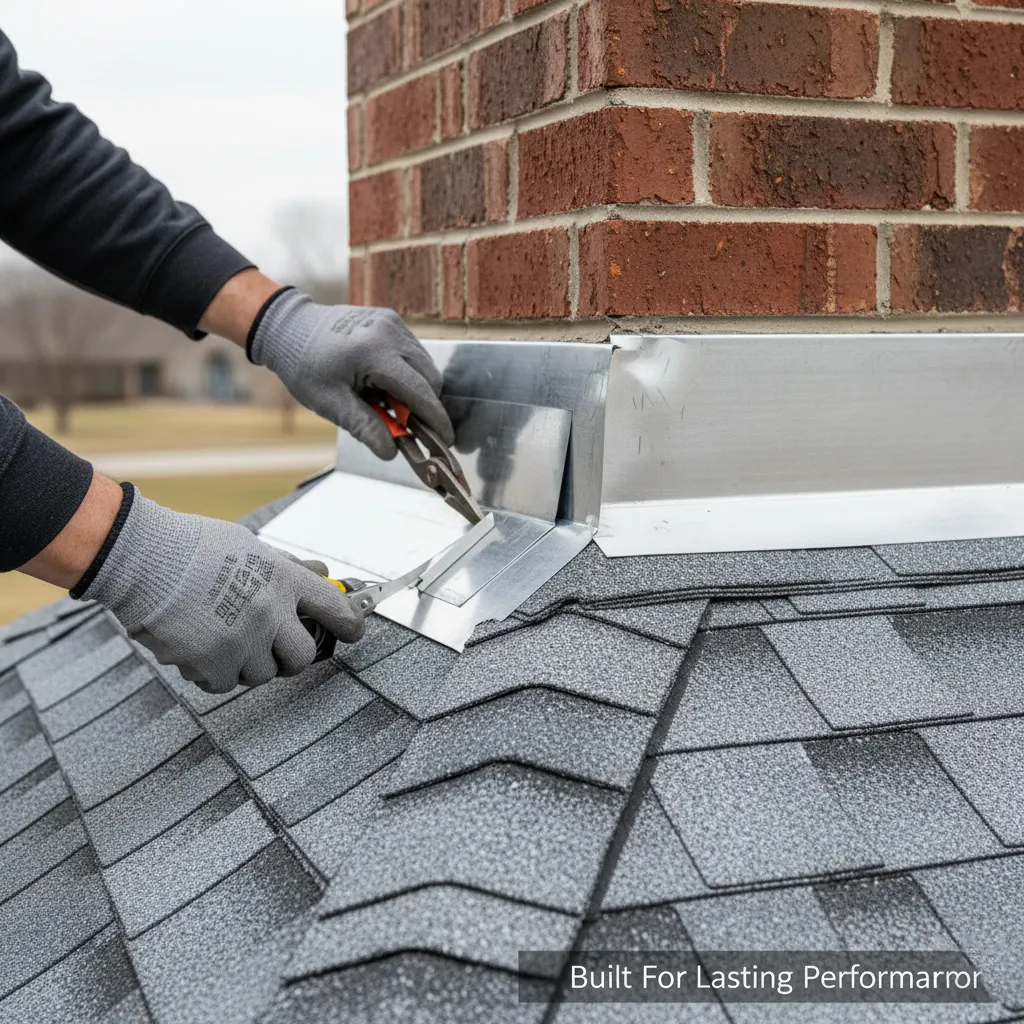
Why NYC’s Unique Microclimate Demands Specific Shingle Performance
Most people think shingles are just waterproof tiles, but in New York City, your roof is fighting a war against extreme temperature swings. One week you are dealing with a humid, sweltering summer that bakes your roof, and by winter, you are facing freezing winds that cause materials to contract and turn brittle.
Standard residential shingles will crack under this pressure. You need high-impact resistance and thermal stability to stop your roof from curling up like a potato chip after just a few seasons.
Consider these NYC-specific weather threats that standard shingle manufacturers often overlook:
- The Heat Island Effect: Concrete and asphalt hold heat, meaning your roof stays warmer for longer, accelerating the breakdown of asphalt granules.
- High Wind Tunnels: Streets lined with skyscrapers create wind channels that can lift shingles right off the deck if they aren't fastened with precision nailing patterns.
- Freeze-Thaw Cycles: Trapped moisture in the crevices of a city roof turns to ice, expanding and causing structural strain that rips standard shingles apart.
Smart building owners prioritize architectural-grade shingles with superior adhesive strips. These are heavier, thicker, and designed to lock together to withstand the persistent gusts that whip through our urban canyons.
Navigating NYC Department of Buildings Codes and Permit Requirements
The NYC Department of Buildings (DOB) doesn't care about your weekend plans. If you pull up to your brownstone with a truckload of shingles without the proper paperwork, you are begging for a costly stop-work order that will drain your wallet faster than a leak in your living room.
Before any nail touches your roof deck, you must understand the legal reality of Title 28 of the NYC Administrative Code. You aren't just slapping down felt; you are performing a major building alteration that requires a licensed professional to sign off on the safety protocols.
Key Compliance Checkpoints
- Filing Requirements: You typically need a professional engineer or a registered architect to file plans if the work involves structural changes.
- Work Permits: You must display your DOB-issued permit in a visible location on the job site at all times.
- Safety Regulations: NYC enforces strict fall protection rules, requiring specialized scaffolding or safety netting that meets OSHA and DOB standards.
- Fire Ratings: Asphalt shingles used in the city must carry a Class A fire rating to comply with urban density safety requirements.
Don't fall for the "we don't need a permit" sales pitch. Contractors who suggest cutting corners on filings are usually uninsured amateurs trying to dodge the system. If the city shuts down your project, it is your property that stays exposed to the elements while you wait for the red tape to clear.
Always verify your contractor’s NYC Home Improvement Contractor (HIC) license before they file a single document. A reputable firm handles the entire filing process for you, ensuring that every detail, from the flashing specifications to the roof drainage plans, meets local codes.
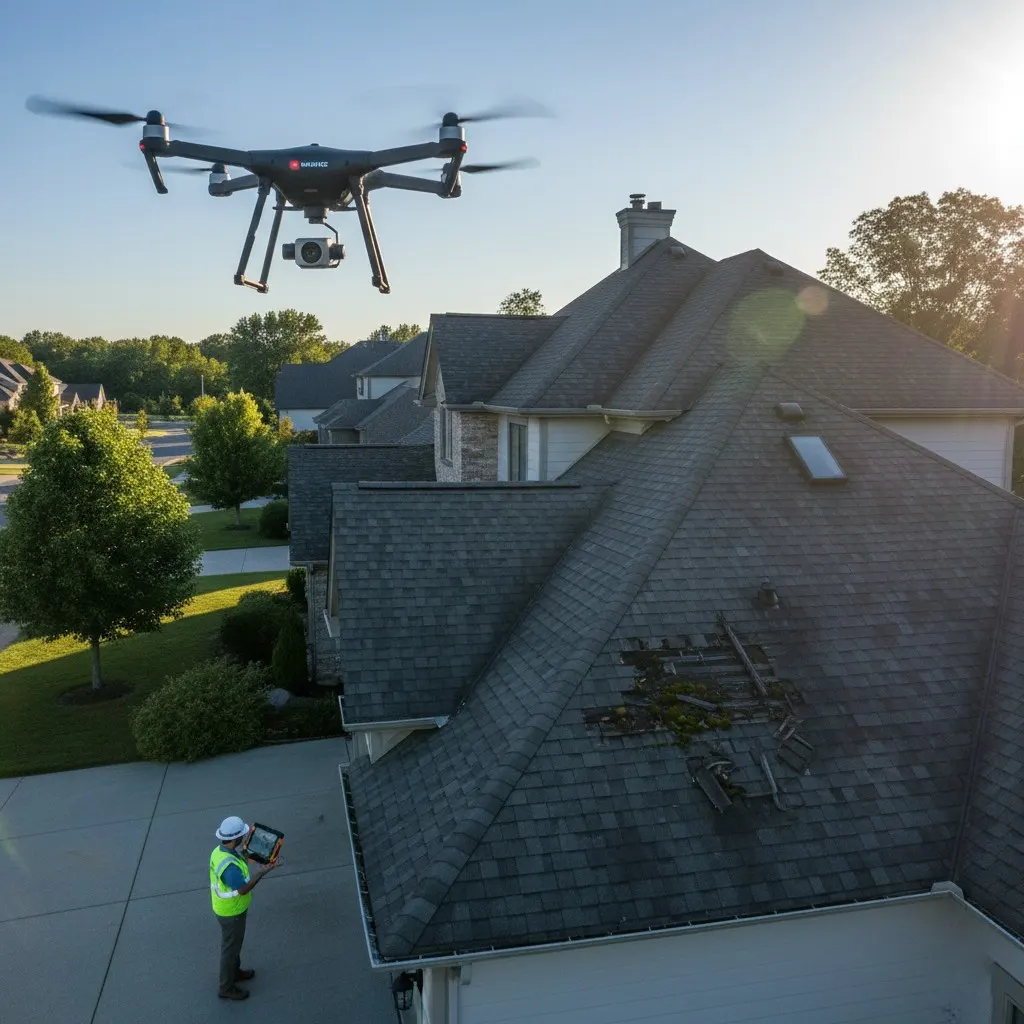
The Logistics of Urban Roofing: Access, Scaffolding, and Debris Removal
In the city, your roof isn't just a surface; it is a logistical nightmare waiting to happen. You cannot simply pull a truck up to the curb, unload a pallet of shingles, and start nailing.
Most NYC streets are narrow, congested, and governed by strict Department of Transportation (DOT) regulations. If your contractor does not have a professional plan for material delivery, your project will grind to a halt before the first shingle is even laid.
Here is what you need to demand from your team before work begins:
- Sidewalk Shed Permits: If your building is high enough, you are legally required to protect pedestrians from falling debris.
- Strategic Staging: Experienced crews schedule deliveries for off-peak hours to avoid massive fines and neighborhood traffic jams.
- Chute Systems: You do not want heavy roofing tear-off debris flying off your roof into the street. A professional company uses enclosed chutes to dump waste directly into a waiting dumpster.
Accessing the roof is often the biggest cost driver in an urban environment. Whether it involves crane hoists for brownstones or specialized scaffolding for high-rises, the physical reach is everything.
Avoid any contractor who suggests throwing material off the side or blocking an entire lane of traffic without the proper permits. You are liable for their shortcuts, and in this city, the fines are astronomical. Make sure your estimate includes the hidden costs of city logistics, or you will be writing a much larger check halfway through the job.
High-Performance Installation Techniques for Flat and Low-Slope City Roofs
Many NYC roofs feature low-slope or nearly flat pitches that demand more than just standard shingle application. If your contractor treats your roof like a suburban house with a 4/12 pitch, you are setting yourself up for an interior flood.
On low-slope surfaces, water does not shed as quickly. It pools, lingers, and eventually finds a way under your shingles if the installation is standard. You need waterproofing underlayments that act as a redundant barrier, not just a thin sheet of felt paper.
The "Low-Slope" Survival Checklist:
- Ice and Water Shield: Always insist on a full-coverage membrane, not just a strip at the eaves.
- Double-Layering: In spots prone to pooling, high-performance crews use extra layers of synthetic underlayment to seal fastener holes.
- Sealed Edges: Every edge must be capped with specialized metal flashing to prevent wind-driven rain from blowing back under the shingle tabs.
When you have a flat roof, the thermal movement of your building is amplified. NYC buildings shift and settle constantly, which cracks rigid materials.
We use architectural asphalt shingles specifically rated for these tighter slopes, often applying high-temp roofing cement on every single tab. This creates a monolithic, wind-resistant surface that stays put when the wind gusts between the skyscrapers.
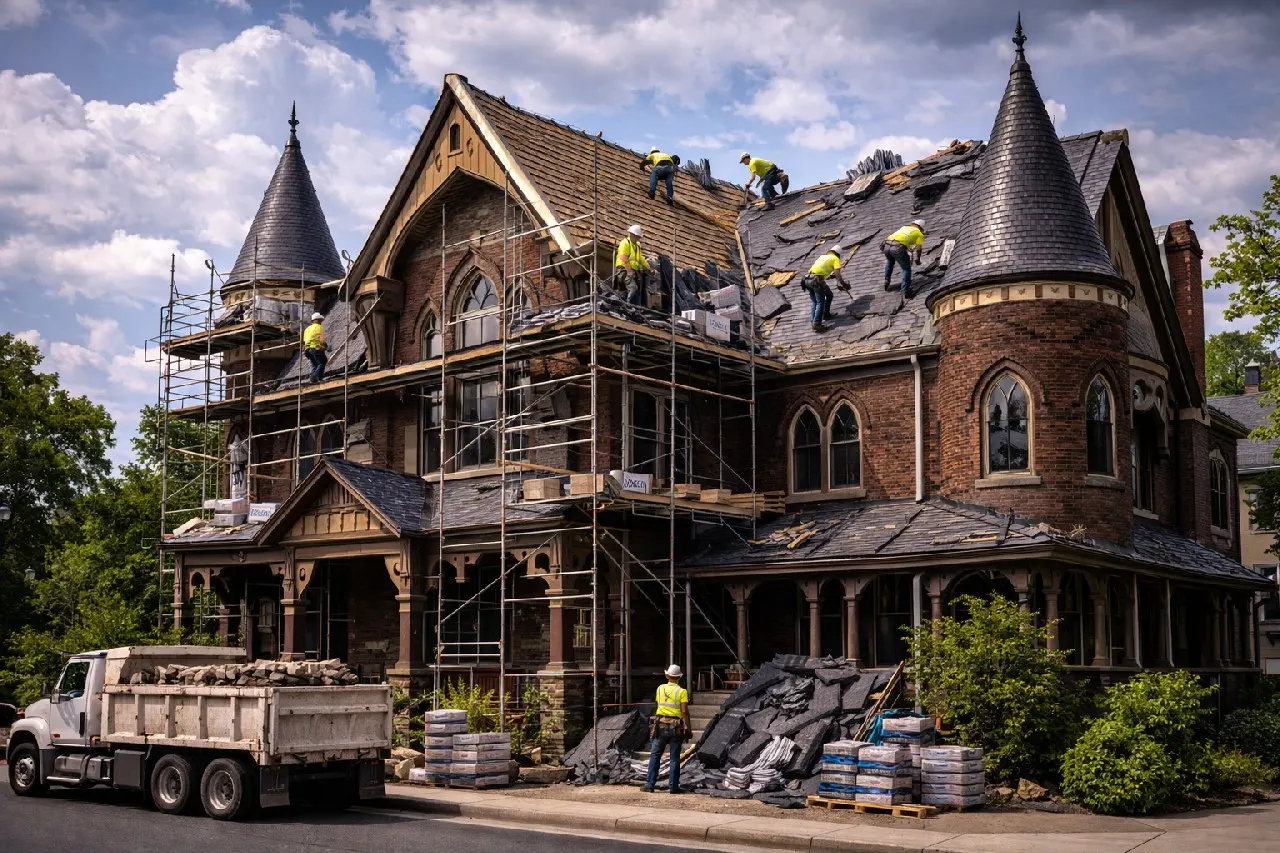
Protecting Your Investment: A Case Study of a Brownstone Roof Replacement
Consider the classic Brooklyn brownstone. When we recently handled a complete tear-off and replacement on a classic row house, the client initially wanted to cut costs by installing shingles directly over the existing layer. We had to explain why that was a recipe for disaster.
Old NYC roofs are often hiding years of trapped moisture and rotted decking. By stripping the roof down to the original wooden slats, we discovered structural decay that would have led to a catastrophic ceiling collapse within two winters.
The "Brownstone Blueprint" for Longevity
When you replace a roof in a dense urban row, you are not just buying shingles. You are buying a systematic defense against NYC's freeze-thaw cycle. Here is what we prioritize during a high-stakes brownstone installation:
- Ice and Water Shield: We extend this membrane at least six feet up from the eaves to prevent ice damming from backing up under your shingles.
- High-Wind Fastening: NYC gusts whip between buildings like a wind tunnel. We use six nails per shingle rather than the standard four to ensure your roof stays attached during hurricane-force gusts.
- Proper Ventilation: Most brownstones suffer from "attic starvation." We install precision-cut intake and exhaust vents to stop heat buildup, which is the #1 cause of shingles curling prematurely.
The result of this meticulous approach is a roof that doesn't just look good from the street level. It adds a tangible boost to your property resale value while keeping your heating bills from going through the roof—literally.
How to Vet a Roofing Contractor for NYC-Specific Challenges
Most contractors will promise you the world, but few actually understand the nightmare of parking a dumpster on a tight street in Brooklyn or maneuvering materials into a crowded Manhattan alleyway. You are not just hiring a guy with a hammer; you are hiring a logistics coordinator who happens to be a roofer.
Before you even ask for a quote, demand to see proof of NYC Department of Buildings (DOB) licensing and insurance that specifically covers high-risk urban environments. If they cannot show you a certificate of liability that explicitly names your building type, show them the door.
The Red Flags to Watch For
- They do not have a dedicated plan for sidewalk bridging or pedestrian safety during the job.
- The estimate is suspiciously low, which almost always means they plan to cut corners on flashing or ice-and-water shield membranes.
- They avoid giving you a direct answer about how they handle debris removal in your specific neighborhood.
Ask for a list of three local references within a five-block radius of your home. If a contractor is worth their salt, they will be proud to show off a project they completed on a similar structure nearby.
Pay close attention to how they talk about ventilation. A pro knows that NYC brownstones often have complex roof geometries that trap heat; if they do not explain how your new shingles will breathe to prevent premature curling, they are setting you up for failure.
Final Words
Your roof is the most expensive piece of equipment protecting your biggest asset. Treating it like a commodity you can pick up at a hardware store is a recipe for a financial disaster.
When you prioritize quality installation over the lowest bidder, you stop the cycle of constant repairs. Real longevity comes from choosing the right materials and ensuring the crew understands the specific stressors of a New York City environment.
Before you commit to your next project, remember these non-negotiables for high-end Asphalt Shingle Installation:
- Always verify that your contractor is licensed and bonded specifically for work within the five boroughs.
- Ensure the quote includes a detailed plan for debris removal and street-level safety protocols.
- Ask for proof of roof-specific insurance that covers potential property damage during the tear-off.
Don't wait for a storm to tell you your roof is failing. Take control of your property's integrity today by demanding the standard of work your building actually requires.
People Also Ask
Is it legal to install asphalt shingles on all NYC roof types?
While asphalt shingles are common, NYC building codes often mandate specific fire-rating requirements for residential roofing. You must ensure your materials meet Class A fire resistance standards and comply with local zoning laws before beginning installation.Do I need a permit for shingle roof replacement in NYC?
Yes, most roof replacements in NYC require a permit from the Department of Buildings, especially if you are altering the roof structure or replacing more than a small percentage of the total area. Working with a licensed contractor is essential to ensure all filings are submitted correctly to avoid heavy fines.How do NYC wind gusts affect asphalt shingle longevity?
New York City experiences high-velocity winds due to the urban canyon effect created by skyscrapers and dense architecture. Smart homeowners opt for high-wind-rated architectural shingles and enhanced nailing patterns to prevent blow-offs during intense coastal storms.How do roofers manage debris removal in crowded NYC neighborhoods?
Professional roofing companies in the city utilize specialized logistics, such as lift trucks, chutes, and overnight dumpster permits to keep sidewalks clear. They must adhere to strict Department of Transportation rules to ensure that construction waste does not impede pedestrian traffic or block emergency access.Why is ventilation critical for asphalt shingles in NYC?
Proper ventilation prevents heat buildup in the attic during hot summers and minimizes moisture accumulation during humid winters. Without adequate airflow, the asphalt shingles will bake from underneath, leading to premature curling, cracking, and a significantly shortened roof lifespan.Need Roofing Services?
We deliver rapid, high-quality roofing installations and repairs across New York City and surrounding regions. Our team ensures your property remains protected with efficient project completion and durable results (10001, 11201, 10451, 11101).
Request Roofing Estimate