


⚡ TL;DR: To protect your home from moisture damage and rising energy costs, this article identifies common roof ventilation mistakes while providing practical guidance for maintaining airflow in NYC.
📋 What You’ll Learn
Proper ventilation is critical for maintaining NYC roof longevity. In this article, you will learn how to optimize your attic airflow while avoiding the costly structural damage common in our urban climate.
- Master the balance of intake and exhaust to ensure your attic effectively expels heat and moisture, which is essential for protecting your shingles and roof deck from premature seasonal wear.
- Identify ventilation pitfalls specific to NYC homes like brownstones and row houses, where unique architectural designs often block airflow and create trapped pockets of damaging condensation and high humidity.
- Calculate the hidden costs of poor airflow by understanding how trapped attic heat forces your HVAC system to work overtime, significantly spiking your monthly utility bills during extreme weather.
- Implement professional solutions for your property by following our expert case study analysis, which provides actionable steps to stabilize your attic microclimate and extend the lifespan of your roof.
📖 Reading time: 7 min
✍️ Author expertise: Master roofing contractor with two decades of experience repairing historic New York City roofs.
Most New York City homeowners assume their roof is just a shield against the rain, but beneath those shingles, a silent war is being waged against trapped heat and moisture. If your attic feels like a sauna in July or turns into an icebox during a blizzard, you are likely paying for your roof to destroy itself from the inside out.
I have walked onto hundreds of NYC rooftops only to find the same amateur errors causing thousands of dollars in premature repairs. These small oversights don't just shorten the life of your materials, they turn your home into a breeding ground for mold and structural rot.
You shouldn't have to guess if your home is breathing correctly or if your energy bills are spiking because of poor airflow. Let’s break down the specific ventilation mistakes that are currently costing you money and find out how to fix them before the next storm hits.

The Anatomy of Proper NYC Attic Airflow: Intake vs. Exhaust
Think of your attic as the lungs of your house. To keep it healthy, you need a constant, balanced exchange of air that mimics the way you breathe: cool air comes in, and stale, hot air goes out.
This is achieved through a specific system of intake and exhaust. If one side of this equation is missing or blocked, your roof is effectively holding its breath, trapping damaging moisture and heat exactly where you don't want it.
Here is how the cycle actually works:
- Intake Vents: These are typically located at the eaves or soffits of your home. They act as the entryway for fresh, cool air to enter the attic space.
- Exhaust Vents: Positioned near the peak of your roof, these allow the warm, buoyant air—which naturally rises—to escape into the atmosphere.
The goal is to maintain a consistent microclimate under your shingles. When you have a clear path from the bottom to the top, the air moves naturally, preventing the temperature spikes that ruin your materials.
Most NYC homeowners make the mistake of focusing only on one side of the system. You might have plenty of roof vents, but if your soffits are clogged with debris or painted shut, there is no fresh air to push the heat out. Without intake, your exhaust vents are essentially useless.
Why NYC’s Unique Urban Architecture Complicates Ventilation
Most roofing manuals are written for suburban tract houses with generous, uniform eaves. New York City is a different beast entirely. Our dense urban fabric, featuring rowhouses, brownstones, and tight alleyways, creates a massive conflict for natural airflow.
When your home is sandwiched between two neighbors, you lose the ability to place vents on the sides of your building. This forced isolation limits your options for intake, often leaving you with nothing but a few stubborn roof vents to do all the heavy lifting.
The "Urban Canyon" Effect
The layout of our city streets significantly impacts how wind moves across your property. High-rise construction and narrow streets can create wind tunnels that disrupt the pressure balance your roof needs to stay healthy.
This creates specific challenges for your attic space:
- Blocked Intake paths: Parapet walls and adjoining masonry often block the lower airflow zones.
- Roof Pitch Variations: Many historic NYC buildings have very low-slope roofs that naturally resist ventilation.
- Fire Code Conflicts: Local safety regulations often mandate fire-rated materials that can accidentally seal off critical air gaps.
Without an open path for air to move from the soffit to the ridge, your roof effectively chokes. You aren't just dealing with a simple attic; you are dealing with a sealed box that traps heat against your roof deck.
Top 3 Ventilation Mistakes Ruining Your Shingles and Sheathing
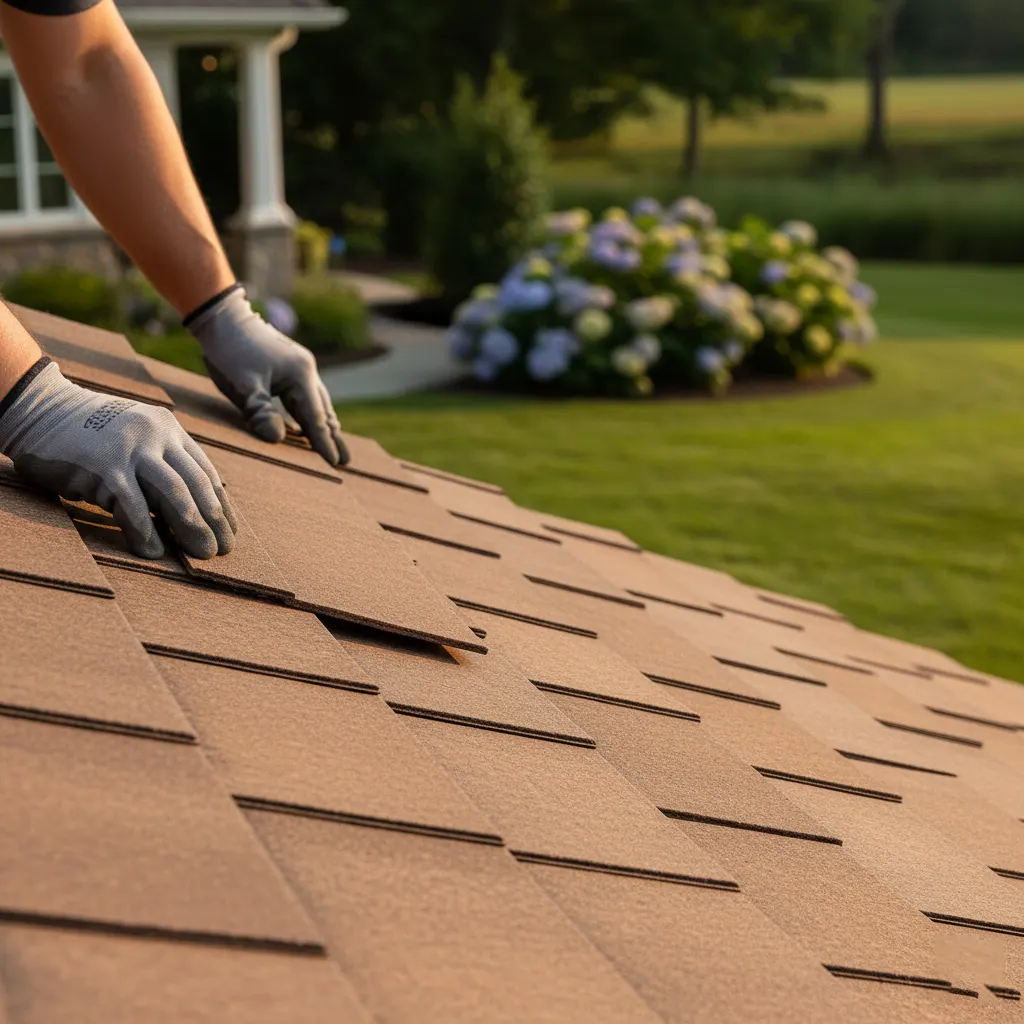
Most NYC homeowners treat their attic like a storage closet, but ignoring the mechanical balance of your roof is a recipe for disaster. When your intake and exhaust vents don't work in harmony, you are essentially cooking your shingles from the back side.
Here are the three most common mistakes that turn a perfectly good roof into a pile of expensive trash:
- Blocking Intake Vents: Many residents shove boxes or insulation right up against the eaves. This chokes off the cool air supply, forcing your roof to trap scorching summer heat.
- Mixing Vent Types: Never combine power fans with passive ridge vents. The fan will actually pull air through your ridge vents instead of drawing it from the eaves, creating a dead zone of stagnant, hot air.
- Ignoring Undersized Openings: Even if you have vents, they might not be enough for your square footage. A roof that cannot breathe will see its sheathing buckle and warp in less than a decade.
When you restrict airflow, the shingles bake in extreme temperatures that exceed their design limits. This causes the asphalt to lose its oils, leading to cracking, curling, and premature granule loss that voids your manufacturer warranty.
Worse yet, that trapped humidity has nowhere to go but into your wood decking. Over time, this creates a slow-motion disaster of rot and mold that eats your structural support from the inside out.
The Hidden Financial Toll: How Trapped Moisture Spikes Your Energy Bills
You might think your roof’s health is just a structural issue, but it is actually a massive hole in your wallet. When your attic lacks proper airflow, heat gets trapped during our humid NYC summers. This superheated air acts like a radiant heater, pushing through your ceiling and forcing your air conditioning to work double time.
Your HVAC system is not designed to fight the sun trapped inside your roof deck. When the internal attic temperature reaches 150 degrees or higher, your insulation loses its effectiveness and your cooling costs skyrocket. You are essentially paying to air condition your attic, a space nobody even uses.
The Real Cost of Poor Airflow
- Your utility bills increase significantly as your AC unit struggles against attic heat.
- The moisture that settles in your insulation causes it to clump, destroying its R-value.
- Water vapor creates a breeding ground for mold that can spread into your living quarters.
- Ice dams form during winter, causing leaks that require emergency professional repairs.
Think about the hidden drain on your bank account every month. A poorly ventilated roof is like leaving a window open with the heat running in January. You are flushing money away while your home’s structural components rot silently under your feet.
5. Case Study: Solving Premature Roof Failure in a Historic Brooklyn Brownstone
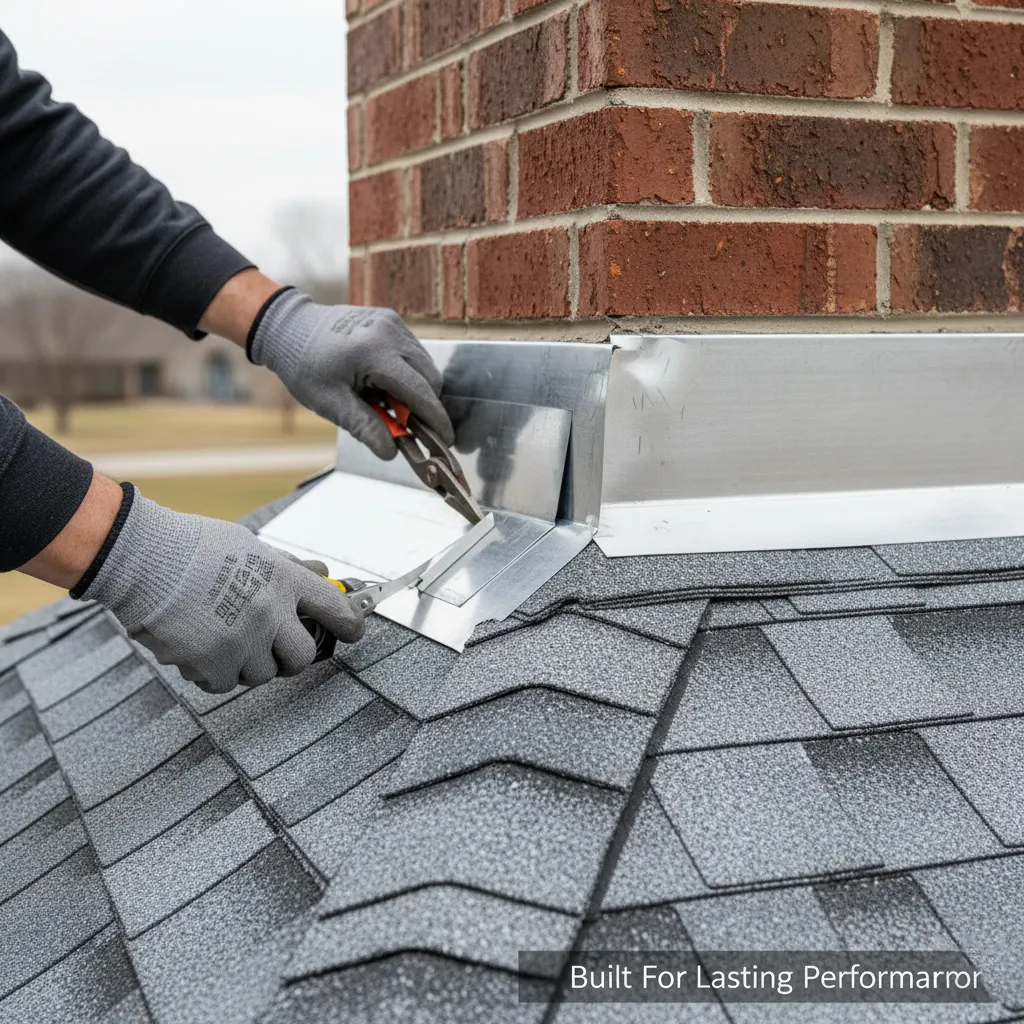
I recently inspected a beautiful brownstone in Bed-Stuy that looked stunning from the sidewalk but was a disaster waiting to happen inside. The owner noticed curling shingles and peeling paint on the top floor ceilings, assuming it was just typical wear from the harsh city winters.
When I crawled into the cramped attic, the air was stagnant and thick with the scent of mildew. The previous contractor had sealed the soffits during a exterior renovation, effectively choking the roof’s ability to take in fresh, cool air.
Here is what we discovered during our diagnostic check:
- The roof deck was damp to the touch despite no active leaks.
- Rust was already forming on the nail heads holding the plywood down.
- Excessive heat had caused the asphalt shingles to lose their protective granules years ahead of schedule.
We solved this by retrofitting a custom smart-venting system that respected the historic architecture of the building. By restoring the natural flow of air from the eaves to the ridge, we dropped the attic temperature by 25 degrees on a hot afternoon. This simple fix stopped the structural rot cold and prevented a potential five-figure deck replacement bill for the homeowner.
Professional Solutions for Balancing Your Attic’s Microclimate
You cannot simply slap a few extra vents on a roof and hope for the best. NYC architecture is far too complex for generic, one-size-fits-all fixes.
Professional ventilation relies on a calculated ratio between intake and exhaust. If your intake at the soffits is blocked by insulation, your ridge vents are essentially just holes letting in the weather without actually moving any air.
We solve this by performing a static pressure test to see exactly where your attic is gasping for air. Here is how we typically restore the balance:
- Installing baffles to ensure insulation doesn't choke off critical airflow at the eaves.
- Upgrading to high-capacity ridge vents that are specifically rated for the wind loads we see in the five boroughs.
- Integrating solar-powered attic fans to pull stagnant air out when the city heat becomes trapped during summer afternoons.
Do not let a handyman guess at your airflow needs. Getting the balance wrong can actually pull moisture into your home rather than pushing it out.
Our goal is to create a passive, continuous flow that works year-round without constant monitoring. When we get the math right, your roof stays cool in the summer and dry in the winter, which is the only way to make your shingles reach their maximum lifespan.
Final Words
Your roof is the most expensive piece of equipment your home owns. Treating it like an afterthought is a fast track to costly structural repairs that no NYC homeowner wants to pay for.
Whether you live in a pre-war classic or a modern build, the physics of air movement remain the same. If your system is compromised, the damage starts silently and grows expensive by the day.
Before you commit to a full replacement or sink money into temporary patches, get a professional assessment of your Roof Ventilation system. Catching these mistakes now is the difference between a roof that lasts thirty years and one that fails in ten.
Checklist for Immediate Action
- Inspect your soffit vents for blocked air paths caused by old insulation or debris.
- Ensure your ridge vents haven't been sealed over by previous, sloppy roofing jobs.
- Check for dampness or suspicious odors in your attic during the next big temperature shift.
- Look for daylight peaking through your rafters—if you see it, you might have vents, but are they actually doing their job?
Stop paying to heat or cool an attic that is working against you. Take control of your home's health today and stop the rot before it forces a total teardown.
People Also Ask
Is roof ventilation necessary for NYC homes?
Yes, proper ventilation is essential in NYC to prevent ice dams during harsh winters and overheating during humid summers. Without adequate airflow, moisture builds up in your attic, leading to mold growth and long-term structural damage.How do I know if my roof has poor ventilation?
Common signs include visible mold in the attic, peeling exterior paint, or ice dams forming along your roofline in winter. If your home feels excessively hot in the summer or your energy bills are unusually high, poor attic airflow is likely the culprit.Does attic ventilation help with energy efficiency?
Proper ventilation helps regulate your attic's temperature, which reduces the workload on your HVAC system. By keeping your attic cooler in the summer and preventing heat loss in the winter, you can significantly lower your monthly energy costs.Can I add more vents to an existing roof?
Yes, a professional roofing contractor can install additional intake or exhaust vents to improve your roof's ventilation balance. It is important to have an expert perform a calculation to ensure the ratio of intake to exhaust meets building codes and manufacturer requirements.What are the dangers of improper attic ventilation?
Improper ventilation traps moisture, which leads to wood rot, rusted fasteners, and premature deterioration of your shingles. Over time, this trapped heat and humidity can cause your roofing materials to fail years before their expected lifespan.Need Roofing Services?
We deliver rapid, high-quality roofing installations and repairs across New York City and surrounding regions. Our team ensures your property remains protected with efficient project completion and durable results (10001, 11201, 10451, 11101).
Request Roofing Estimate