


⚡ TL;DR: Proper roof ventilation installation is essential for Gainesville homeowners to manage intense attic heat and humidity, protect shingle integrity, and ensure the long-term energy efficiency of their houses.
📋 What You’ll Learn
In this comprehensive guide, Gainesville homeowners will discover how strategic roof ventilation combats Florida’s intense heat and humidity, preserving structural integrity and significantly lowering monthly energy costs throughout the year.
- Master the science of airflow to understand how trapped attic heat and moisture specifically impact Gainesville residential roofing systems and shorten the lifespan of your expensive shingles.
- Identify hidden ventilation warnings by learning to spot common signs of poor air circulation, such as premature shingle deterioration, mold growth, and unusually high cooling utility bills.
- Evaluate modern ventilation solutions through a detailed comparison of high-efficiency ridge vents and solar-powered attic fans, helping you select the best airflow technology for your unique roof.
- Implement professional installation standards by following industry-leading best practices that ensure your ventilation system provides maximum efficiency and long-term protection against our region’s harsh, humid climate.
📖 Reading time: 7 min
✍️ Author expertise: Master roofer with two decades of experience repairing and installing Gainesville area roofs.
Your Gainesville attic is currently cooking at temperatures that would make a desert lizard sweat. While you run your AC at full blast, that trapped, superheated air is rotting your shingles from the inside out and turning your energy bills into a nightmare.
Most homeowners believe their roof is fine until they see the warped decking or premature mold growth. By then, the damage is already costing a fortune in repairs that could have been prevented with a simple change in airflow.
You do not have to let the Florida heat dictate the lifespan of your investment. Here is exactly why proper ventilation is the missing piece of your home maintenance strategy and how to fix it before the next heatwave hits.
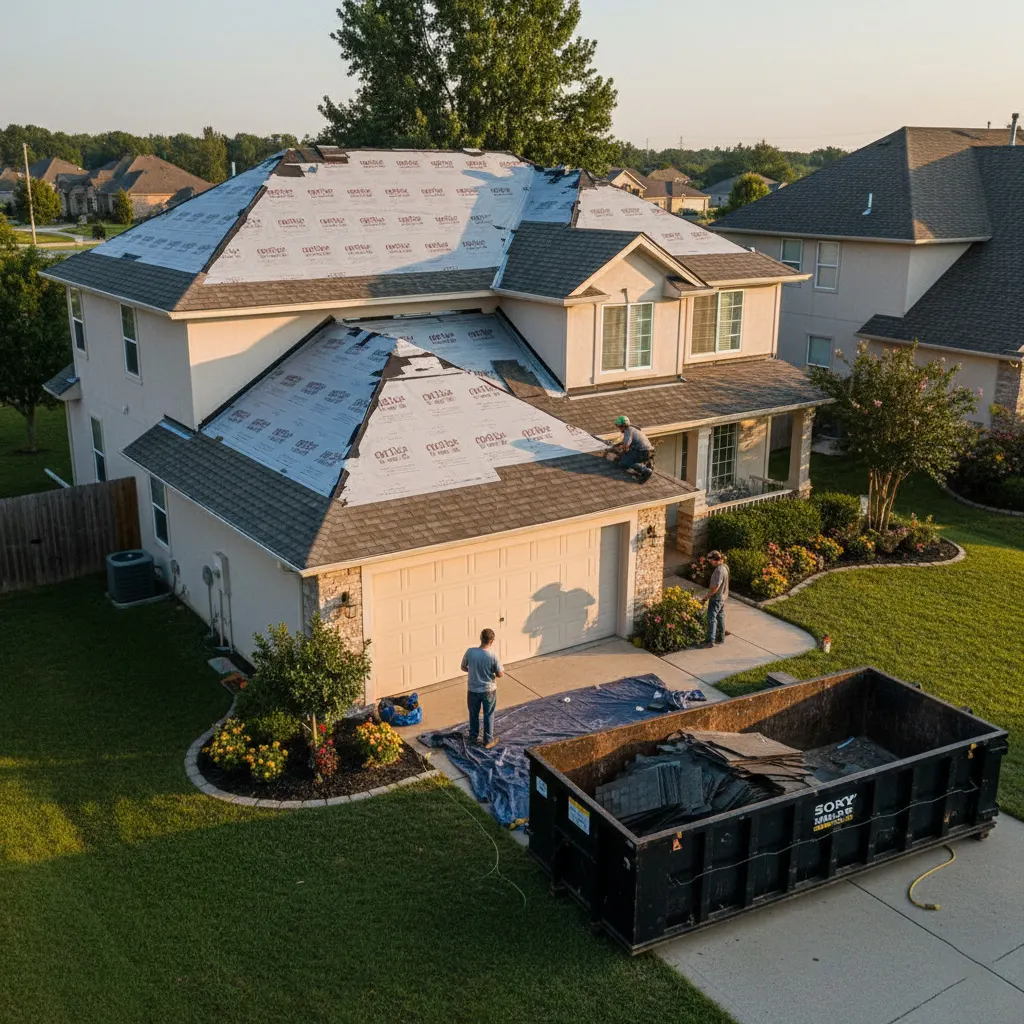
1. Understanding the Science of Attic Heat and Florida Humidity
In Gainesville, the sun doesn't just hit your roof; it beats it into submission. When your attic lacks a way to breathe, the temperature up there can easily climb past 150 degrees on a typical summer afternoon.
This trapped heat creates a thermal sponge. It pushes down through your ceiling insulation, forcing your air conditioning unit to run cycles that never end just to keep your living room tolerable.
But the real villain isn't just the temperature; it is the Florida moisture cycle. As the sun sets and the air cools, the trapped vapor inside your attic condenses on the wooden structural components of your home.
This constant cycle of heating and cooling creates several hidden problems:
- Moisture saturation in roof decking, leading to wood rot.
- The growth of mold and mildew that can infiltrate your home's air quality.
- The breakdown of insulation fibers, which makes your attic even less effective at blocking heat.
Without an active escape route, your attic acts like a steam room. You are essentially cooking your own roof structure from the inside, significantly shortening the expected lifespan of your shingles and the decking beneath them.
Signs Your Gainesville Home Suffers from Poor Roof Ventilation
You might think your roof is solid just because you don't see any leaks during a summer thunderstorm. However, the real destruction happens in silence, hidden underneath your shingles.
If your home is trapping heat, it is effectively cooking your roof components from the underside. Look for these telltale red flags that your attic is gasping for air:
- Your upstairs rooms stay noticeably hotter than the rest of the house, even with the AC running all day.
- You spot dark, streaky mold or mildew on the underside of your roof decking when you peak into the attic.
- Energy bills that spike during the hottest months, signaling your cooling system is working twice as hard to fight attic heat.
- Shingles that appear curled, cupped, or blistered, which is a classic sign of thermal stress.
Don't ignore that musty, damp odor when you climb into your attic space. That smell is a direct result of trapped moisture that has nowhere to go.
When moist air gets stuck against your roof deck, it turns into a breeding ground for rot. If you see signs of rust on nail heads or damp insulation, your ventilation system has already failed.

The Hidden Cost: How Trapped Heat Destroys Shingle Integrity
Most Gainesville homeowners view their roof as a solid shield, but it is actually a complex system that needs to breathe. When heat becomes trapped in your attic, your shingles effectively face a double-sided assault.
The sun beats down on the exterior, while the superheated stagnant air inside your attic bakes the shingles from below. This thermal stress causes the asphalt to lose its oils and elasticity much faster than the manufacturer intended.
Once those oils evaporate, you are left with brittle, weak shingles. This process triggers a chain reaction of damage that hits your wallet hard:
- Granule loss: The protective outer layer of your shingles washes away during Florida rainstorms.
- Thermal cracking: Shingles become so dry and stiff that they snap under minor wind pressure.
- Premature aging: A 25-year roof warranty can effectively become a 10-year lifespan when ventilation is ignored.
You aren't just paying for higher AC bills; you are paying for an early roof replacement. When shingles lose their structural integrity, they stop repelling water effectively. This leads to hidden rot in your roof decking, which turns a simple shingle swap into an expensive structural repair.
Think of it as slow-motion cooking. Your roof is literally dehydrating itself into a state of failure, and no amount of shingle quality can stop the physics of trapped heat.
Exploring Ventilation Options: From Ridge Vents to Solar-Powered Fans
Not every roof in Gainesville needs the same setup. The goal is simple: passive exhaust coupled with active intake to keep air moving constantly.
If your roofline allows it, ridge vents are the gold standard. These sit at the highest point of your roof, letting hot air escape naturally as it rises.
When ridge vents aren't enough, we look at mechanical options. Here is how you can boost your airflow:
- Solar-Powered Attic Fans: These are absolute game-changers for Florida homes. They only run when the sun is out, meaning they pull the most heat exactly when your AC is working the hardest.
- Gable Vents: Placed on the sides of your home, these work well if you have a cross-breeze. They are best paired with a power fan to ensure the air doesn't just sit there.
- Soffit Vents: These are the intake ports located under your eaves. Without these, your exhaust vents are just trying to pull air through a vacuum.
Smart design matters more than raw power. You don't want to mix different types of exhaust vents, as that can actually cause air to short-circuit and trap pockets of moisture.
We see too many DIY attempts where homeowners seal off their soffits while installing a massive exhaust fan. That mistake creates negative pressure that sucks moisture directly from your living space into the attic.
Talk to a local pro who understands Florida building codes. We match the vent capacity to your specific square footage to ensure you aren't paying to cool your attic for no reason.

Case Study: Solving Persistent Attic Moisture Issues in a Gainesville Suburb
Last summer, we visited a home in Haile Plantation that had a persistent moisture problem despite having a relatively new roof. The owner complained about a damp, musty smell in the master bedroom and dark spots appearing on the ceiling drywall.
When we opened the attic hatch, the air was stagnant and thick with humidity. Even though the roof had basic intake vents, the previous contractor had installed insulation that blocked the soffits, effectively choking the house of any natural airflow.
The moisture was trapped, condensing on the underside of the roof deck during the cool Gainesville nights. This created a perfect breeding ground for mold and started to delaminate the plywood sheathing.
The Fix: Restoring the Breathability
To solve this, we implemented a three-step intervention to force air movement:
- Installed baffles between the rafters to keep the insulation from blocking the soffit vents.
- Upgraded the static box vents to a continuous ridge vent system to allow hot, humid air to escape at the highest point of the roof.
- Added a solar-powered attic fan to force circulation on the calmest, hottest afternoons.
Within two weeks, the musty odor vanished completely. The internal temperature of the attic dropped by nearly 20 degrees during peak sun hours.
This homeowner saved thousands of dollars in potential mold remediation and premature roof replacement. They stopped paying to cool the attic space, which resulted in an immediate 15 percent drop in their monthly electric bill.
Professional Installation Standards for Maximum Airflow Efficiency
You might think slapping a few vents on your roof is a simple afternoon project. Think again. Improperly installed vents can actually create negative pressure that sucks rain directly into your attic during those intense Gainesville summer thunderstorms.
Professional installation isn't just about cutting holes in your roof deck. It is a precise calculation of Net Free Vent Area (NFVA) to ensure that the intake air at your soffits perfectly matches the exhaust at your ridge or gable ends.
When our team installs a ventilation system, we follow strict building science protocols to ensure you get the maximum return on your investment:
- Balanced Intake and Exhaust: We calculate the exact ratio needed for your specific roof square footage. If your intake is blocked by insulation, your exhaust vents are just decorations.
- Weather-Shielding: We use high-grade, wind-driven rain filters to stop moisture intrusion, a common failure point for DIY setups.
- Soffit Clearing: We check that your insulation baffles aren't squashed, ensuring air actually travels from the eaves up to the peak.
If you don't get these basics right, you are essentially paying for a system that does nothing. We measure, we calculate, and we seal every penetration point so your roof performs as a breathable system, not a stagnant heat trap.
Final Words
Waiting for a leak or a massive repair bill to address your home's breathing issues is a losing game. By the time you notice sagging plywood or dark streaks on your ceiling, the damage has already accelerated behind the scenes.
Taking action today protects your wallet and keeps your home cool when the Gainesville sun is at its peak. Proper Roof Ventilation Installation is not just an upgrade; it is the most effective shield your roof has against the Florida climate.
If you are ready to stop throwing money at high energy bills, prioritize your attic airflow immediately. Your shingles will last longer, your air conditioner will stop struggling, and your peace of mind will finally return.
Three steps to ensure your roof survives the next heatwave:
- Inspect your soffit vents to ensure they are not blocked by insulation or debris.
- Check for signs of moisture or musty odors in your attic space during the damp mornings.
- Consult a local specialist to calculate the exact amount of intake and exhaust ventilation your specific roof geometry requires.
The difference between a failing roof and a long-lasting one is often found in the unseen airflow beneath the surface. Do not let the heat turn your attic into a destruction zone. Contact a professional today to assess your current setup and put an end to the trapped heat cycle once and for all.
People Also Ask
Is roof ventilation necessary in Gainesville, FL?
Yes, roof ventilation is critical in Gainesville due to our extreme heat and high humidity levels. Proper airflow prevents trapped heat from damaging your roof shingles and stops moisture buildup that can lead to mold and structural rot.How do I know if my attic has poor ventilation?
Common signs include unusually high energy bills, excessive heat in your living space, or finding signs of moisture or mold in your attic. You may also notice your roof shingles curling or blistering prematurely, which indicates the attic is cooking them from the inside out.Will solar-powered attic fans work in Florida?
Solar-powered fans are highly effective in Gainesville because they run at peak capacity when the sun is brightest and the attic is hottest. They reduce the burden on your HVAC system by actively exhausting trapped heat, helping to maintain a more consistent roof deck temperature.Can poor ventilation void my roof warranty?
Most shingle manufacturers require specific ventilation standards to keep their warranties valid. If your attic lacks sufficient intake and exhaust airflow, the resulting heat damage is often considered a ventilation failure rather than a manufacturing defect, which can lead to denied claims.What is the best type of roof ventilation for Gainesville homes?
A balanced system is best, typically combining continuous ridge vents for exhaust with soffit vents for intake. Depending on your home's design, adding mechanical options like solar-powered attic fans can further improve efficiency during our intense summer months.Need Roofing Services?
We install and repair roofs with speed to deliver lasting weather protection for homes in Gainesville and nearby areas (32601, 32605, 32608, 32609, 32610).
Get Roofing Quote