


⚡ TL;DR: This guide helps Gainesville homeowners navigate metal roof installation by detailing cost factors, material options, and strategies for selecting qualified contractors to ensure a durable, energy-efficient home investment.
📋 What You’ll Learn
Considering a roof upgrade in North Florida? This comprehensive guide explains the unique advantages of metal roofing, helping Gainesville homeowners make informed investment decisions that protect their property from extreme weather.
- Analyze local climate resilience by exploring why metal materials are specifically engineered to withstand Gainesville’s intense humidity, heavy summer thunderstorms, and harsh UV exposure for decades of protection.
- Evaluate cost versus performance as we break down the financial nuances between materials, labor, and complex roof configurations to ensure you stay within budget during your installation project.
- Compare metal roofing profiles to determine if a premium standing seam system or a more budget-friendly exposed fastener installation best suits your specific architectural style and long-term needs.
- Identify potential insurance savings by understanding how installing a durable, wind-rated metal roof can help reduce your annual homeowners insurance premiums while simultaneously lowering your monthly energy bills.
- Vet reliable local contractors by learning the essential questions to ask, helping you avoid common installation pitfalls and ensure your new roof is installed to strict code standards.
📖 Reading time: 8 min
✍️ Author expertise: Licensed roofing contractor serving Gainesville with over fifteen years of local field experience.
Florida heat doesn't just make you sweat; it actively hunts for weaknesses in your roof, baking your shingles until they curl, crack, and fail long before their time. If you are tired of throwing money at constant repairs while your energy bills climb, you are likely looking for a final answer to the Sunshine State's brutal weather.
Metal roofing is no longer just for industrial warehouses or high-end architectural magazines. It is quickly becoming the smartest investment for Gainesville homeowners who want to stop the cycle of constant maintenance once and for all.
Before you commit to a major project, you need to understand the real numbers behind these installations and how to avoid the common traps that drain your bank account. Let’s break down exactly what you need to know to get a durable, long-lasting roof without getting ripped off.
Why Gainesville’s Climate Makes Metal Roofing the Superior Choice
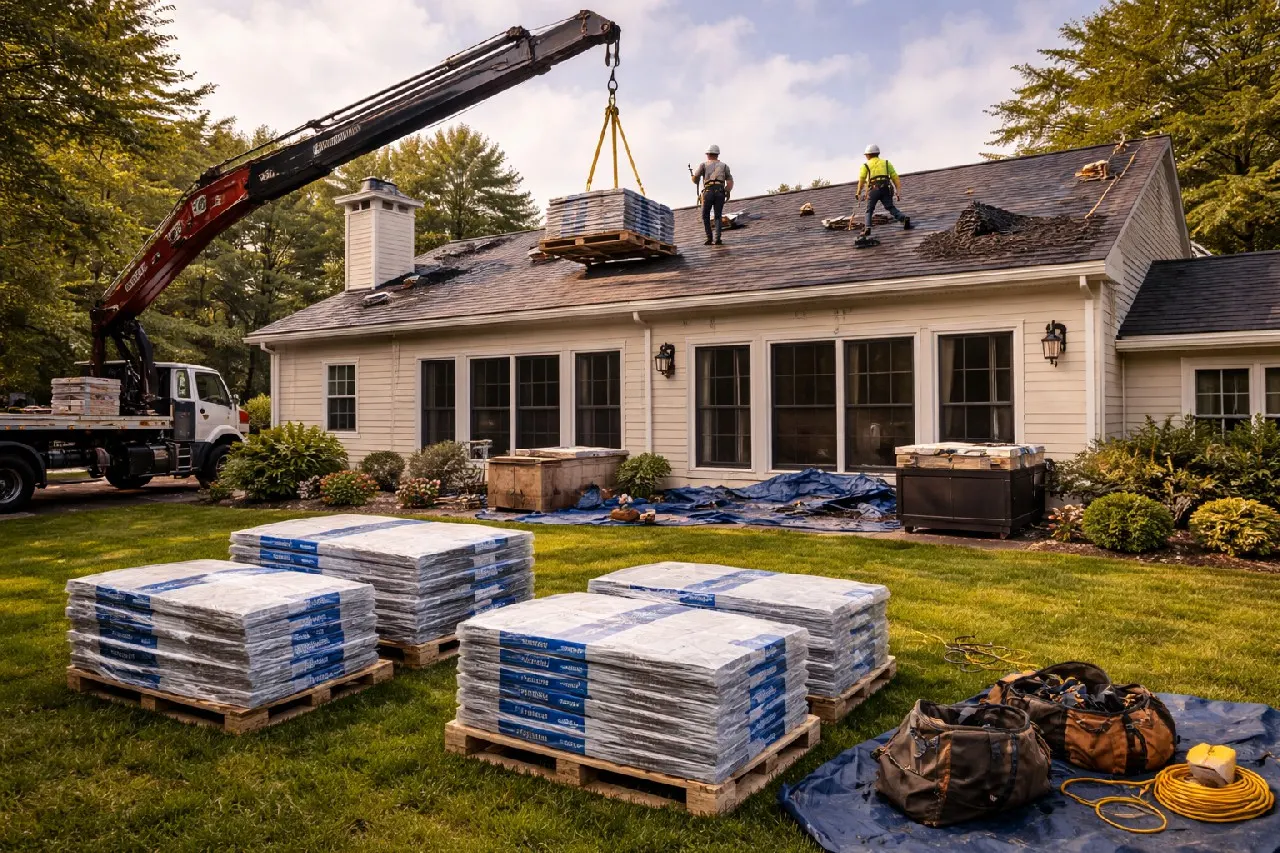
Gainesville weather is a relentless test for any building material. Between the blistering 95-degree summer days that bake organic shingles and the sudden, violent thunderstorms that whip through Alachua County, your roof takes a pounding year-round.
Asphalt shingles simply aren't built for this environment. They absorb heat, trap moisture, and start breaking down the moment they are installed. Once the granules begin to shed, your roof is basically a ticking time bomb for leaks and wood rot.
Metal roofing flips the script on these environmental stressors. Instead of soaking up the sun, it reflects it, keeping your attic cooler and your air conditioner from working double-time.
The Benefits of Metal in North Florida
- Wind Resistance: High-quality metal systems are engineered to withstand hurricane-force gusts that would strip shingles right off your plywood decking.
- Fire Protection: Metal is non-combustible, giving you a vital layer of defense against accidental fires or embers from nearby brush burning.
- Moisture Shedding: With sleek surfaces and interlocking panels, water doesn't pool or soak in; it rolls off instantly, preventing the mold growth common in our humid climate.
Think of it as armoring your home. While your neighbors are dragging out ladders to patch leaks after every tropical depression, you will have the peace of mind that comes with a roof designed to last 50 years or more.
Understanding the Cost Breakdown: Materials, Labor, and Complexity
If you have been shopping around for a new roof, you probably already noticed that metal is not the cheapest option on the shelf. You are paying for longevity and peace of mind, not a quick fix that will peel off during a summer thunderstorm.
The total price tag for your installation generally splits into three major buckets. Understanding these will stop you from being blind-sided by a final invoice.
- Material Quality: The gauge of the steel and the type of finish (like Kynar 500) directly dictate the price and the lifespan of the metal.
- Labor Expertise: Installing metal requires specialized tools and trade skills that your average shingle-layer simply does not possess.
- Project Complexity: A flat, simple roof is cheaper to install than a house with multiple valleys, skylights, chimneys, or steep pitches that require extra safety gear.
Do not be fooled by contractors who quote you a bargain price without checking your roof deck. If your existing plywood or wood decking is rotten from Gainesville humidity, that wood *must* be replaced before the metal goes down.
You might think you are saving money by cutting corners on the underlayment or the flashing, but you are actually just setting your wallet on fire. Invest in high-temp synthetic underlayment and proper ventilation, or you will find yourself dealing with hidden moisture damage in just a few years.
Remember, the upfront cost of metal roofing is higher than asphalt shingles, but you are essentially buying a roof for the next 40 to 50 years. When you spread that cost out over the lifetime of your home, the math starts to look incredibly attractive compared to replacing shingles two or three times.
Comparing Metal Profiles: Standing Seam vs. Exposed Fastener Systems
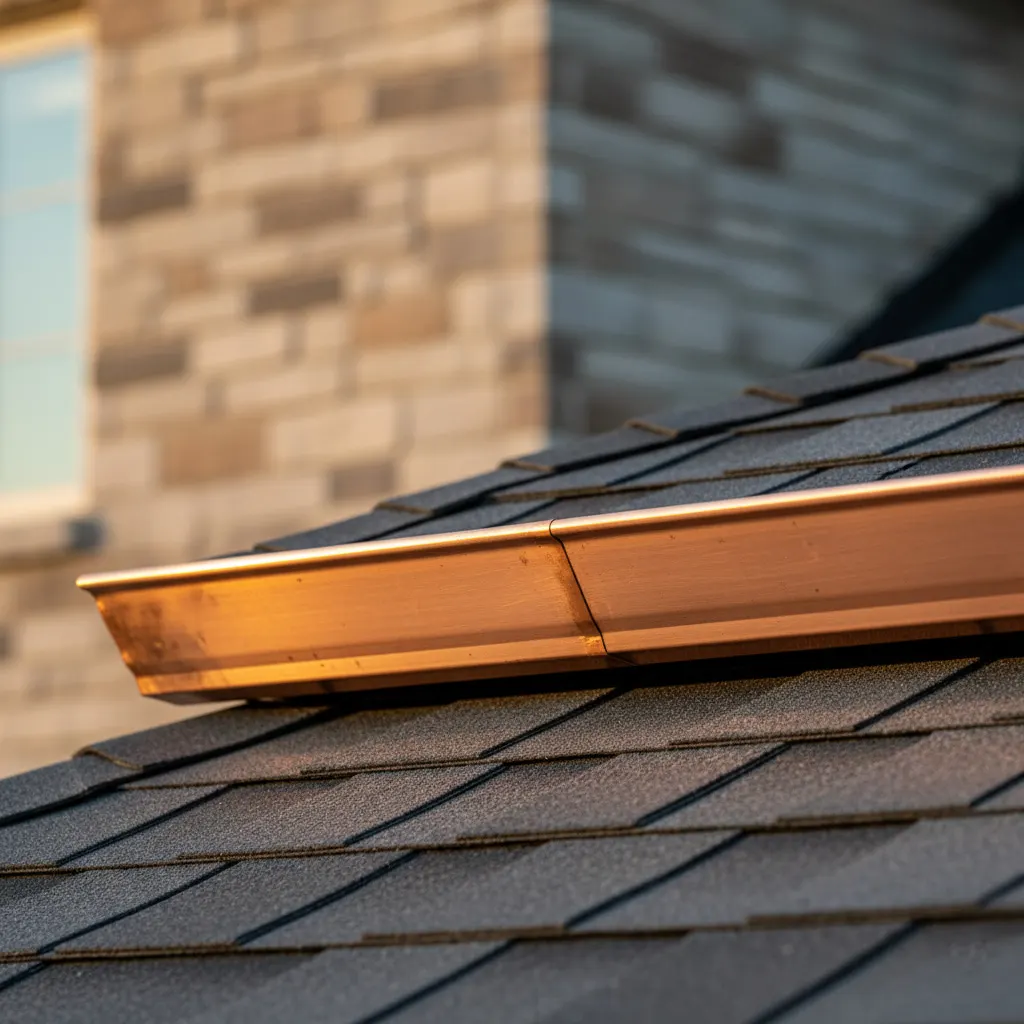
When you start pricing out your roof, you will quickly find two main contenders: Standing Seam and Exposed Fastener systems. Think of it like buying a suit. One is a custom-tailored masterpiece, while the other is an off-the-rack solution that gets the job done at a lower price point.
Standing seam metal roofing features hidden fasteners that are locked underneath the panels. Because there are no holes punched through the metal for screws, you don't have to worry about rubber washers drying out, cracking in the Gainesville heat, or leaking years down the road.
Why Standing Seam Wins on Longevity
- It allows the metal to expand and contract naturally as Florida temperatures shift.
- The sleek, uninterrupted lines offer a premium look that boosts your home's curb appeal.
- It is essentially a maintenance-free armor for your roof deck.
On the flip side, exposed fastener systems—often called screw-down roofs—are cheaper upfront. These panels overlap, and the installer drives screws directly through the metal into the roof deck with a rubber gasket to create a seal.
The Reality of Exposed Fasteners
While the initial cost is significantly lower, you are trading long-term peace of mind for immediate savings. Those rubber gaskets will eventually degrade under the intense UV rays of our climate. When the seals fail, you end up with water intrusion and a potential repair bill that could have been avoided by choosing a better system from day one.
Energy Efficiency and Insurance Savings: The Long-Term ROI
Most Gainesville homeowners view a roof as a simple shelter, but if you install metal, you are actually building a thermal shield. Traditional shingles soak up the Florida sun like a sponge, radiating that heat directly into your attic and forcing your AC unit to run non-stop.
Metal roofs, specifically those with reflective coatings, bounce the sun's rays away from your home. This change can drop your monthly cooling costs by as much as 25 percent during those brutal summer months.
The math is simple: you stop bleeding cash on electricity, and your HVAC system stops working overtime. That adds up to thousands of dollars in savings over the lifespan of the roof.
Insurance Incentives You Should Know
Insurance companies in Florida know that metal is tougher than asphalt. Because these roofs are fire-resistant and built to withstand hurricane-force winds, many providers offer significant discounts on your annual premiums.
Before you finalize your project, talk to your insurance agent. Here is how you can maximize your financial return:
- Ask for a reduction in your wind mitigation premium.
- Ensure your contractor provides the necessary certifications that meet current Florida Building Code wind resistance standards.
- Look for impact-rated panels, which can further lower your liability risk.
Think of the insurance discount as a monthly rebate. When you combine those lower premiums with your reduced cooling bills, the roof eventually pays for itself.

Real-World Results: A Case Study of a Gainesville Metal Roof Replacement
Consider the recent transformation of a 1980s ranch-style home in the Haile Plantation area. The owners were fed up with their asphalt shingles losing granules after every summer storm and decided to transition to a standing seam metal roof.
The original shingle roof had developed multiple soft spots due to Florida’s humidity. Our team stripped the old layers, inspected the decking for moisture rot, and installed a high-temp synthetic underlayment to act as an extra moisture barrier.
The results were immediate and measurable:
- Energy Costs: The homeowner reported a 22% drop in cooling bills during the first two months. The reflective coating of the metal panels effectively bounced the Gainesville sun away from the attic.
- Insurance Impact: Because the new installation met strict Florida building codes for high-wind resistance, their annual homeowners insurance premium dropped by nearly $800.
- Aesthetic Appeal: The property value jumped noticeably, with neighbors frequently stopping to ask about the sleek, modern appearance of the charcoal-colored finish.
This project wasn't just about a new look; it was a financial upgrade. By opting for a premium metal system, the owners essentially locked in a 50-year solution that stops them from paying for another roof replacement in their lifetime.
How to Vet Local Contractors and Avoid Installation Pitfalls
Most roofing disasters in Gainesville don't happen because of the metal itself; they happen because of the guy holding the drill. A high-end metal roof is only as good as the crew installing it, and unfortunately, Florida is crawling with storm chasers looking for a quick payday.
Before you sign a contract, you need to verify their credentials. If they cannot show you a Florida State Certified Roofing Contractor license, walk away immediately. It is also smart to ask for references from projects completed in Gainesville over five years ago, not just last month.
Check for these specific red flags before you hand over a deposit:
- They demand full payment before the materials even hit your driveway.
- They offer a quote that is significantly cheaper than every other licensed professional in town.
- They avoid answering questions about the specific underlayment or flashing details they plan to use.
- They lack a physical office location or a local insurance certificate.
Installation mistakes often happen at the perimeter and around the chimney. Ensure your contractor uses proper high-temperature synthetic underlayment, which is non-negotiable for Florida heat. If they try to convince you that they can install metal directly over existing shingles without a tear-off, be extremely cautious. This often traps moisture and voids the manufacturer warranty, leaving you with a major headache down the road.
7. Final Words
Choosing to upgrade your home is a major decision that demands a clear head and the right data. When you prioritize high-quality metal roof installation, you aren't just buying metal sheets; you are buying peace of mind for the next four decades.
The smartest move you can make is to stop focusing on the upfront price tag and start looking at the lifetime cost. A cheap roof installed poorly is the most expensive thing you will ever buy.
Before you sign a contract, verify these three non-negotiables to keep your investment safe:
- Ensure the contractor holds a valid Florida State Roofing License and carries active liability insurance.
- Ask to see previous projects in Gainesville that have weathered at least five hurricane seasons.
- Demand a detailed scope of work that includes specific flashing details and underlayment specifications.
If you rush the selection process, you leave your home vulnerable to the exact Florida elements you are trying to defeat. Take your time to interview your roofer, review their track record, and confirm they understand the nuances of thermal expansion in our humid climate.
A properly installed metal roof serves as a fortress against the sun and storms. By getting the installation right the first time, you lock in decades of protection and avoid the constant headaches of traditional shingle maintenance.
People Also Ask
Is a metal roof worth the cost in Gainesville, Florida?
Yes, a metal roof is a smart long-term investment in Gainesville due to its exceptional durability against high winds and severe thunderstorms. While the upfront cost is higher than asphalt shingles, the extended lifespan of 50+ years and potential insurance discounts make it highly cost-effective.How much does a metal roof cost in Gainesville?
On average, a professional metal roof installation in Gainesville ranges from $8 to $16 per square foot, depending on the material quality and complexity of your roof. Factors like tear-off costs, roof pitch, and chosen metal profile will ultimately dictate the final project price.Does a metal roof lower homeowner insurance in Florida?
Many Florida insurance providers offer premium discounts for metal roofs because they are classified as impact-resistant and fire-retardant. You should contact your insurance agent to confirm if your specific metal roofing system qualifies for a wind mitigation credit.Which is better for Gainesville: standing seam or exposed fastener?
For Gainesville’s climate, standing seam metal roofing is superior because it features concealed fasteners that eliminate potential leak points caused by screw-head degradation. While more expensive, standing seam systems offer better weatherproofing and a cleaner aesthetic that holds up longer in humid, rainy environments.How long does a metal roof last in Gainesville?
A properly installed metal roof in Gainesville can last 50 years or longer with minimal maintenance. By choosing high-quality galvalume or aluminum materials, you ensure your home is protected from the region’s intense UV exposure and heavy seasonal rainfall for decades.Need Roofing Services?
We install and repair roofs with speed to deliver lasting weather protection for homes in Gainesville and nearby areas (32601, 32605, 32608, 32609, 32610).
Get Roofing Quote