


⚡ TL;DR: This comprehensive guide explains how Gainesville homeowners can perform effective roof maintenance to protect their properties against the local climate and extend the longevity of their roofing systems.
📋 What You’ll Learn
Maintaining a roof in Gainesville requires specific knowledge of our humid climate and frequent storms. This guide provides actionable steps to protect your home and extend the lifespan of your shingles.
- Understand local climate impacts on your roofing materials by learning how Gainesville’s intense humidity, heavy seasonal rainfall, and high temperatures contribute to premature wear and structural degradation over time.
- Master seasonal inspection techniques that allow you to spot early warning signs like cracked shingles or flashing leaks before they transform into costly interior water damage for your household.
- Manage algae and debris buildup using professional cleaning strategies designed to protect your roof’s integrity while removing the unsightly moss and dark streaks common in our local Florida environment.
- Implement preventative maintenance strategies that significantly extend the lifespan of your roof, helping you avoid premature replacement costs while keeping your home safe during our unpredictable hurricane seasons.
- Decide between DIY and professional help by identifying which minor maintenance tasks you can handle safely and when it is essential to hire a licensed local Gainesville roofing contractor.
📖 Reading time: 7 min
✍️ Author expertise: Licensed Gainesville roofing contractor with fifteen years of experience repairing local storm damage.
Most Gainesville homeowners don't think about their roof until a sudden Florida downpour leaves them with a bucket on the living room floor. By the time you notice that first drip, the repair bill has already tripled.
Our humid climate and brutal sun act like a slow-motion wrecking ball on your home’s first line of defense. Ignoring those minor shingles signs today is a fast track to a complete roof replacement tomorrow.
You can stop the rot and protect your biggest investment before the next storm hits by following a few simple steps. Here is how you can keep your roof rock solid all year long.

1. Understanding the Gainesville Climate: Why Florida Roofs Require Unique Care
Living in Gainesville means dealing with a climate that is essentially a year-round endurance test for your home. We deal with blistering UV radiation that bakes shingles until they become brittle, followed by intense, localized afternoon thunderstorms that dump inches of water in minutes.
This cycle of extreme heat and sudden moisture expansion is exactly why standard roofing advice often fails in North Central Florida. If you treat your roof like a homeowner in a cooler state, you are essentially asking for premature failure.
Here is what makes our local weather so aggressive:
- High Humidity: Our thick, swampy air creates the perfect breeding ground for organic growth that eats away at roofing materials.
- Thermal Shock: Rapid cooling during heavy rain after a day of 95-degree heat causes materials to contract and expand, cracking your protective sealants.
- High Wind Exposure: Even without a direct hurricane hit, gusty tropical storms can pry up loose shingles and turn them into projectiles.
Your roof is constantly fighting for its life. When you combine high heat with heavy moisture, you aren't just dealing with wear and tear; you are dealing with a relentless chemical and physical assault on your home's structure.
Taking a proactive stance isn't just about maintenance. It is about protecting your equity from the aggressive Florida environment that wants to break your shingles down into dust.
Seasonal Inspection Checklist: Identifying Early Warning Signs of Damage
You don't need to climb onto your roof to catch problems before they turn into expensive nightmares. Grab a pair of binoculars and walk the perimeter of your Gainesville home twice a year—ideally before hurricane season peaks and right after the winter chill fades.
Look for these telltale signs of trouble from the safety of the ground:
- Missing or cracked shingles that leave your underlayment exposed to the Florida sun.
- Granules gathering in your gutters, which indicates your shingles are losing their protective coating.
- Visible sagging or dips in the roof deck that point to underlying moisture damage.
- Flashing around chimneys or vents that appears lifted, rusted, or bent.
The "Inside-Out" Inspection Method
Sometimes your roof whispers its problems to you from the inside of your house. Take a flashlight into your attic during the next dry spell to check the underside of the roof decking.
Look for dark water stains or light shining through the wood. If you see spots, you have already developed a leak that needs immediate professional intervention. Do not wait for the next storm to see if it gets worse; moisture trapped in your attic turns into rot and mold faster than you think.
The Hidden Dangers: Managing Algae, Moss, and Debris Buildup
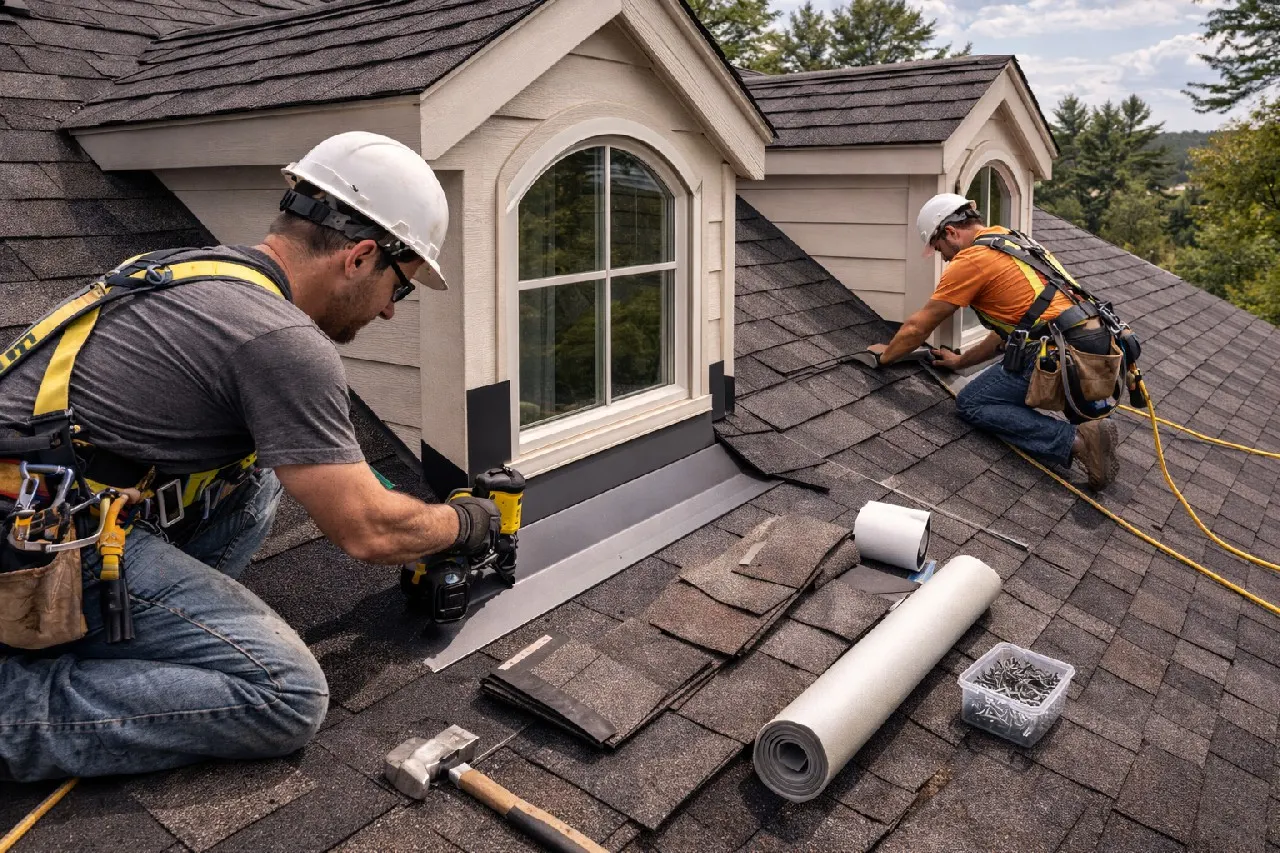
If you see dark, streaky stains on your shingles, don't assume it is just dirt. That ugly discoloration is usually Gloeocapsa magma, a type of algae that feeds on the limestone filler in asphalt shingles.
In our muggy Gainesville environment, this stuff spreads like wildfire. It doesn't just look bad; it keeps your roof damp, which leads to premature shingle decay and heat absorption that drives your cooling bills through the roof.
Why Debris is a Silent Roof Killer
Tree limbs are common in our local neighborhoods, but they bring trouble. When leaves, pine needles, and twigs pile up in your valleys, they act like a sponge.
This trapped moisture creates the perfect breeding ground for moss and mold. If left unchecked, this debris blocks your drainage paths, forcing water to back up under your shingles.
Watch out for these specific threats to your roof integrity:
- Debris dams: Piles of organic matter in valleys that trap water against your underlayment.
- Overhanging branches: They don't just drop leaves; they scrape off the protective granules that shield your shingles from the sun.
- Moss clusters: Thick patches that retain water and push shingles upward, breaking the seal that keeps wind and rain out.
You should clear these areas at least twice a year to stop the rot before it starts. A gentle cleaning or a professional soft wash is often all it takes to stop the biological growth and add years to your roof's life.
4. Extending Your Roof’s Lifespan: Preventative Maintenance Strategies
You do not need a degree in engineering to stop your roof from self-destructing. The secret isn't some expensive, high-tech coating; it is consistent, proactive action that prevents small issues from turning into bank-breaking disasters.
If you want to squeeze every last drop of value out of your roofing materials, you have to treat it like a car. You wouldn't drive 100,000 miles without an oil change, so why ignore the most expensive component of your house?
Routine Habits for a Longer Life
Here are the non-negotiable habits that keep your roof functional for years beyond the expected average:
- Trim back overhanging branches: Tree limbs act like sandpaper on your shingles during a breeze. They also create a bridge for squirrels and rats to chew through your attic vents.
- Clear those gutters religiously: If water can't exit, it sits. Standing water creates a petri dish for rot and eventual deck failure.
- Ventilation check: Ensure your soffit vents are clear of insulation or debris. A house that can't breathe traps heat, which cooks your shingles from the underside.
You should also schedule a professional inspection once a year, preferably before the summer hurricane season kicks into high gear. A trained eye can spot hairline cracks or loose flashing that you would never see from the sidewalk.
Catching one loose shingle today saves you from an interior ceiling collapse tomorrow. It is cheap insurance for your biggest asset.
5. Restoring a Historic Gainesville Home: A Case Study in Durable Roofing Solutions
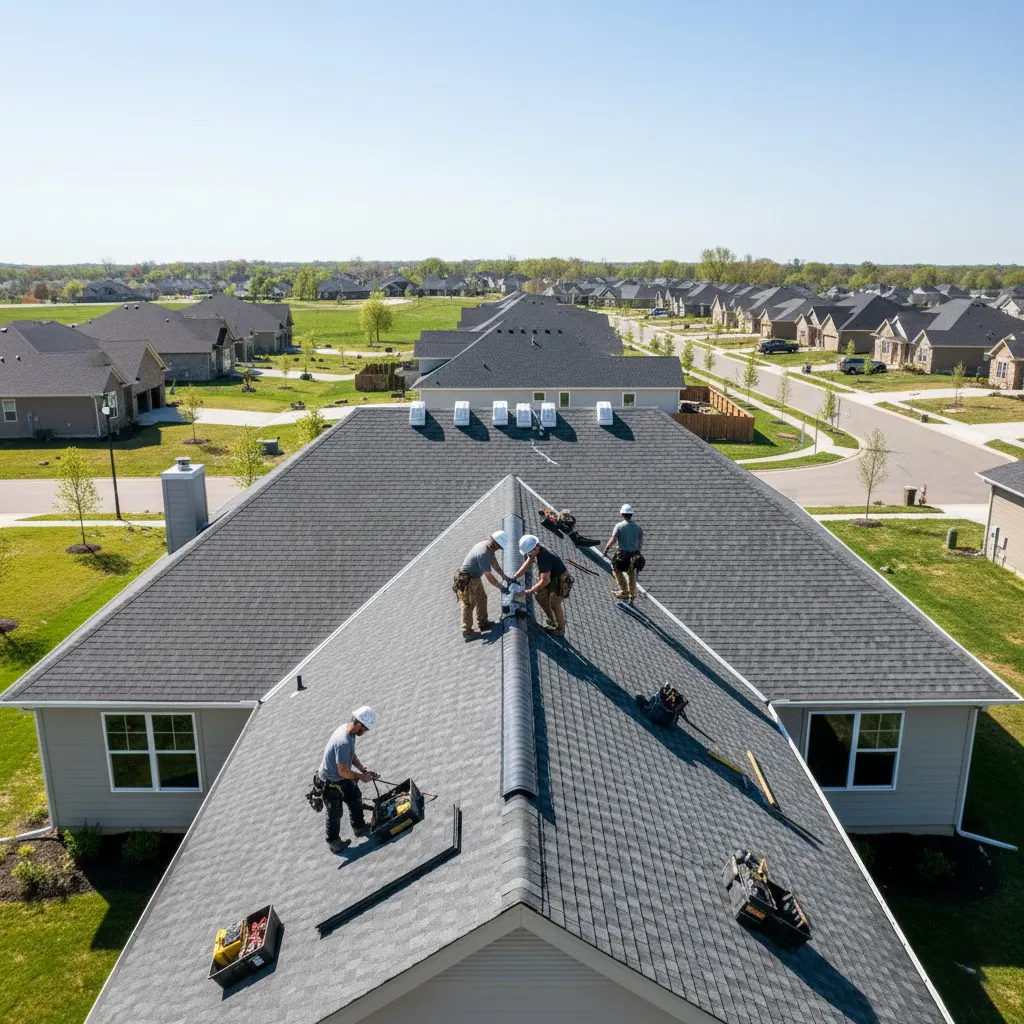
Old Gainesville homes in districts like Duckpond possess undeniable charm, but they also hide structural secrets that can bite back. We recently worked on a 1920s bungalow where the rafters were original heart pine, but the roof deck had become a soggy mess due to decades of subpar repairs.
Restoring a historic roof requires more than just slapping down new shingles. You have to respect the architecture while applying modern moisture barriers that prevent the wood from rotting under the Florida sun.
Key Lessons from Historic Restorations
When you tackle an older home, you aren't just fixing a leak; you are preserving history. Here are the steps we took to ensure this home could handle another century in North Florida:
- We stripped the roof to the bare deck to inspect for hidden termite damage and dry rot.
- Instead of standard felt, we installed a synthetic underlayment that acts as a secondary water barrier even if a shingle rips off during a storm.
- We upgraded the ventilation system to allow heat to escape, which significantly slows down the wear and tear on the new shingles.
The result was a roof that looks period-appropriate from the street but performs like a modern fortress. If you own a historic property, do not cut corners by choosing the cheapest contractor who quotes you over the phone. You need a team that understands how to breathe life into aging structures without compromising their character.
When to DIY vs. When to Call a Licensed Gainesville Roofing Professional
Tinkering around the house feels great until you are staring down a two-story drop. You can handle basic visual inspections from the ground using a pair of high-quality binoculars or a camera-equipped pole.
Clearing a few stray leaves from your gutters or blowing off light debris with a leaf blower is safe enough for most homeowners. However, stay off the ladder if you lack the proper safety gear or experience.
Leave the heavy lifting to the pros when you notice these red flags:
- Missing or significantly curled shingles.
- Granule loss exposing the asphalt base of your shingles.
- Any signs of water staining or mold on your attic rafters.
- Soft spots or sagging areas that indicate structural rot.
Climbing onto a Florida roof during the heat of the day is a recipe for disaster. Professional roofers in Gainesville have the specialized insurance, OSHA-compliant fall protection, and the precise tools to spot microscopic leaks that your eyes will likely miss.
A botched DIY repair often leads to voided manufacturer warranties. Spending a few hundred dollars on a professional assessment is dirt cheap compared to the cost of a full roof replacement caused by poor installation or improper sealant application.
Final Words
Your roof is the heavy lifter of your Gainesville home, but it cannot defend your property alone. By staying proactive with your Roof Maintenance, you save thousands in preventable water damage and structural repairs.
Think of these inspections as a health checkup for your house. If you catch a problem while it is small, you pay pennies on the dollar compared to a full-scale emergency replacement.
Stay sharp and keep these three golden rules of roof ownership in mind:
- Inspect your shingles after every major storm.
- Clear away debris before it traps moisture and rots your decking.
- Call a pro the second you see a missing shingle or signs of granules in your gutters.
Do not wait for the next heavy rain to find out if your roof is holding up. A solid, well-maintained top gives you the peace of mind you deserve while keeping your family dry, safe, and comfortable throughout the year.
People Also Ask
How often should I have my roof inspected in Gainesville, FL?
Due to the intense Florida sun and frequent storm activity, we recommend a professional roof inspection at least once a year. Additionally, it is wise to schedule an inspection immediately after any major tropical storm or hurricane event to ensure no hidden damage occurred. Authoritative guidance: moisture control.Does homeowners insurance cover roof repairs in Gainesville?
Coverage depends heavily on the cause of the damage and your specific policy terms. While insurance typically covers sudden, accidental damage like wind or hail, it rarely covers routine maintenance or issues stemming from natural wear and tear.Why do Gainesville roofs get black streaks so quickly?
Those unsightly black streaks are typically caused by Gloeocapsa magma, a type of algae that thrives in Florida's humid, warm climate. This algae feeds on the limestone filler in asphalt shingles and can spread rapidly if not treated with professional cleaning solutions.What is the average lifespan of a roof in Gainesville?
An asphalt shingle roof in Gainesville typically lasts between 15 to 20 years, though the extreme heat can shorten this timeframe compared to northern states. Proper ventilation and regular maintenance are the key factors in helping your roof reach or exceed its expected lifespan.Can I pressure wash my own roof to remove debris?
We strongly advise against using a high-pressure washer on your roof, as the force can strip away protective granules and damage shingle integrity. It is much safer to hire a licensed professional who uses soft-wash techniques to clean your roof without causing structural harm.Need Roofing Services?
We install and repair roofs with speed to deliver lasting weather protection for homes in Gainesville and nearby areas (32601, 32605, 32608, 32609, 32610).
Get Roofing Quote