


⚡ TL;DR: Before replacing your roof in Gainesville, learn how to identify structural decay, meet local building codes, and select a qualified contractor to ensure your home remains safe.
📋 What You’ll Learn
Considering a roof deck replacement in Gainesville? This essential guide helps homeowners navigate the complexities of Florida’s climate, building codes, and structural integrity to ensure a long-lasting, safe roofing system.
- Identify hidden structural decay early by recognizing the subtle warning signs of moisture damage and wood rot that often lurk beneath your shingles during the humid Florida summer months.
- Master Florida’s strict building codes as we break down the specific plywood thickness and fastening requirements necessary to keep your home compliant and protected during intense hurricane wind events.
- Understand the risks of deferred repairs so you can avoid the costly consequences of ignoring substrate failure when it is time to install a new shingle system on your property.
- Vet local roofing contractors effectively by learning the key questions to ask regarding decking material quality, sub-roof ventilation, and their specific experience with historic Gainesville home architectural styles.
📖 Reading time: 8 min
✍️ Author expertise: Gainesville roofing specialist with fifteen years of hands-on structural repair and deck restoration.
You might think your roof is solid just because the shingles look fine from the street. But if your roof deck is rotting away underneath, you are essentially living under a ticking time bomb that could collapse during the next Florida storm.
Most homeowners in Gainesville ignore the foundation of their roof until they see water dripping onto their kitchen table. By then, a simple repair has morphed into a massive financial headache that could have been stopped early.
Before you sign a contract or pull a permit for a total replacement, you need to know exactly what is happening to the wood structure of your home. Here is what you must check before anyone touches your rafters.
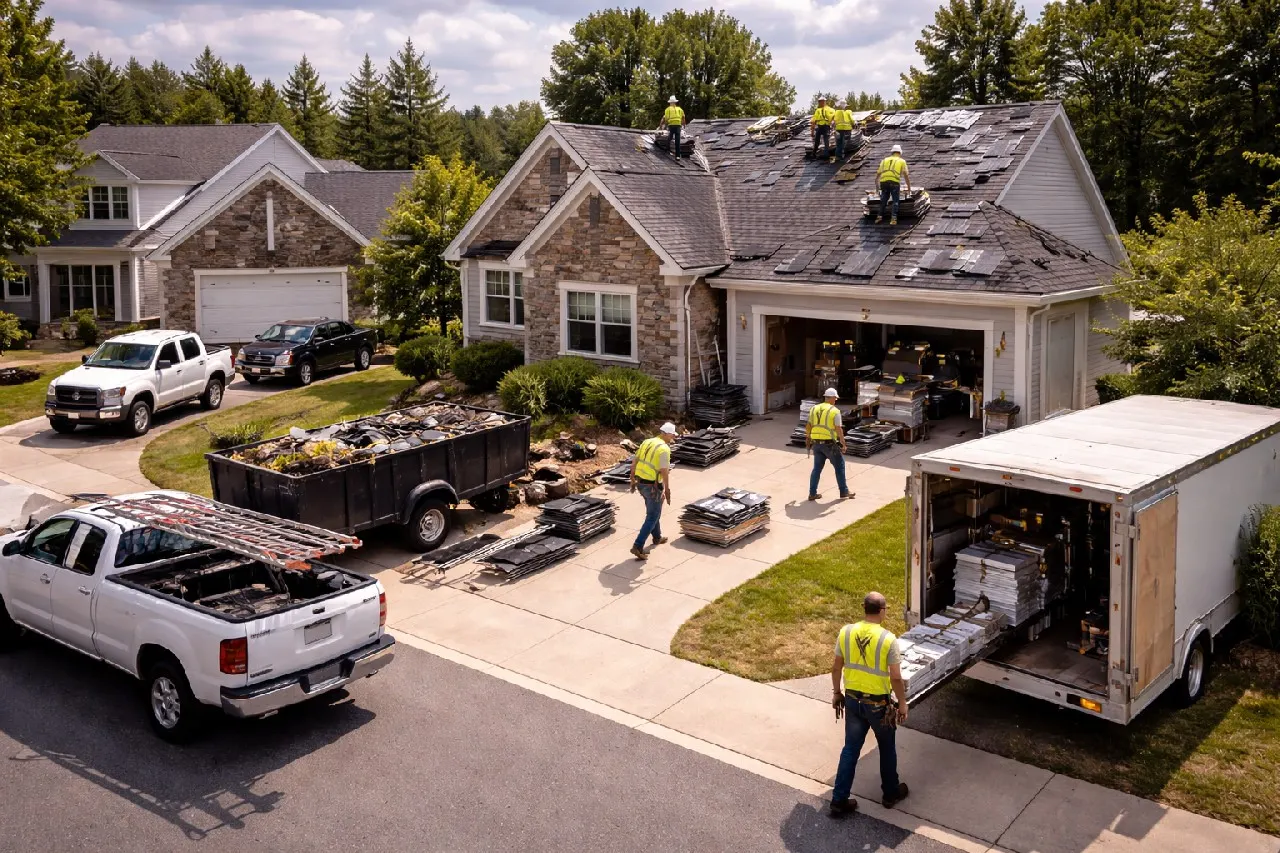
Understanding the Role of Your Roof Deck in Gainesville’s Humid Climate
Think of your roof deck as the skeleton of your home's protection. It is the plywood or oriented strand board (OSB) layer that sits directly on your rafters, providing the base for every shingle and underlayment you pay for.
In Gainesville, this layer is constantly under siege. Our high humidity levels create a perfect environment for moisture to get trapped, turning your deck into a sponge during the summer months.
When moisture takes hold, your roof deck stops being a shield and starts becoming a liability. Here is what happens when that structure weakens under the weight of a heavy Florida storm:
- Thermal expansion and contraction cycles loosen the fasteners holding your deck down.
- Consistent humidity prevents the wood from drying out, leading to spongy spots that warp over time.
- Mold and fungal growth eat away at the wood fibers, compromising the structural integrity of the entire roof system.
If your decking is compromised, your new shingles are essentially being nailed into rotting wood. That is a recipe for disaster. No matter how much you spend on top-tier materials, your roof will fail if the surface underneath is falling apart.
Critical Warning Signs of Structural Decay and Substrate Failure
You do not need an engineering degree to spot the red flags of a failing roof deck. If you notice sagging or dipping between your rafters when looking up from your attic, that is a clear signal that the wood substrate has lost its structural rigidity.
Moisture in Gainesville is relentless. When that humidity penetrates your shingles, it softens the plywood, leading to what pros call spongy decking.
Keep a sharp eye out for these telltale signs of failure:
- Dark, discolored patches on the underside of the roof sheathing.
- Visible daylight peeking through cracks or gaps in the decking.
- Nails that appear to be backing out or lifting away from the wood.
- A musty, damp odor in your attic that persists after a rainstorm.
If you see evidence of delamination—where the layers of plywood start to peel apart like a bad piece of furniture—your deck is essentially toast. This isn't a cosmetic issue you can paint over. It is a fundamental loss of integrity that makes your home vulnerable to uplift during high winds.
Do not wait for a heavy thunderstorm to find out if your deck can hold. If the surface feels soft or looks bowed, you are already past the point of minor repairs. Ignoring these warnings is a gamble with your home's structural safety that you are destined to lose.
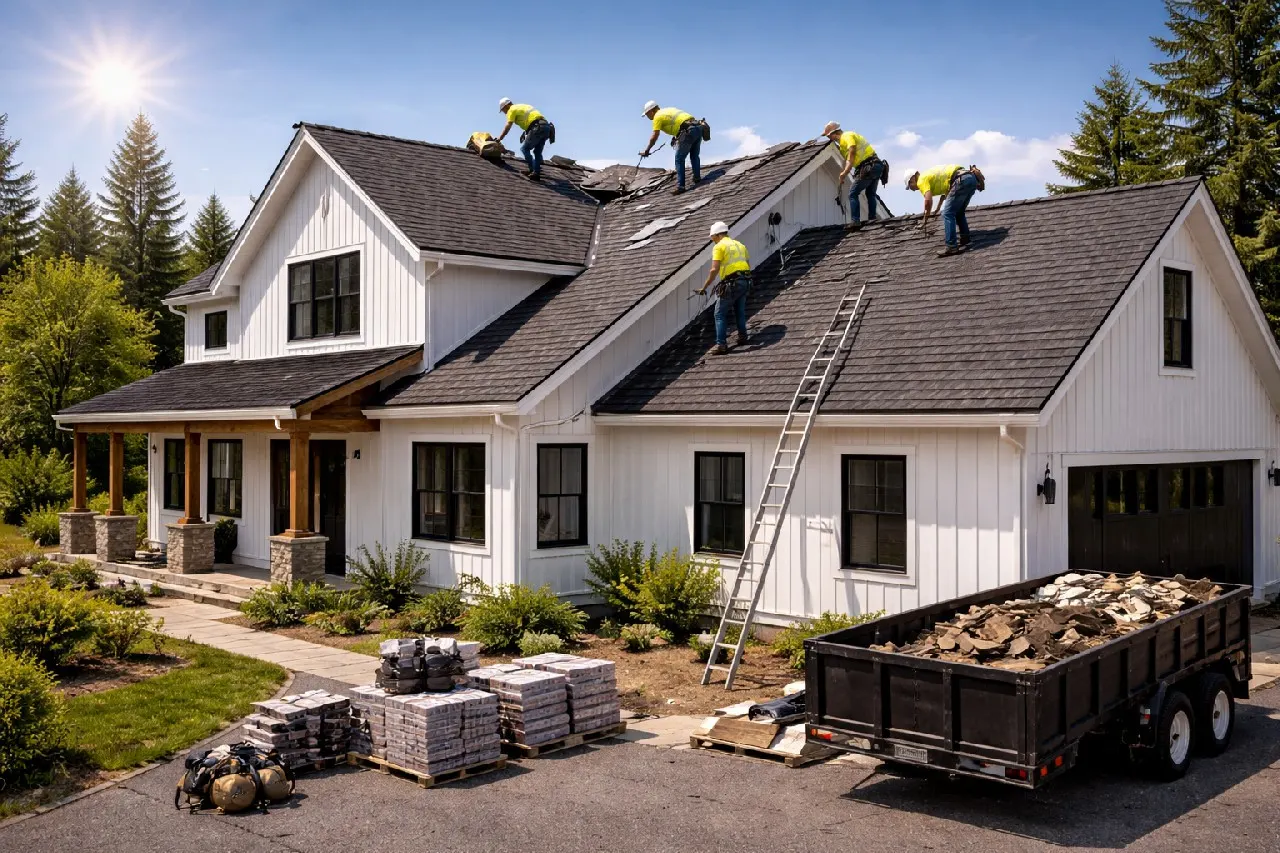
The Hidden Dangers of Ignoring Wood Rot During Shingle Replacements
Most roofing contractors in Gainesville will happily slap new shingles onto your home just to get paid and leave. But if they install those shingles over rotting wood, they are literally building your new roof on a foundation of mush.
Think about it. Shingles are just the skin of your roof; the roof deck is the skeleton. If that skeleton is compromised by moisture or termites, your brand-new shingles have nowhere to anchor.
Ignoring this rot isn't just a minor oversight. It creates several immediate threats to your home and your bank account:
- Nails will pull out of soft, rotted plywood, leaving your shingles vulnerable to the first gust of wind.
- Water will continue to seep into the rotted areas, turning a small patch of decay into a structural nightmare that threatens your rafters.
- You lose your manufacturer warranty immediately because the shingles were installed on an unstable substrate.
When the rotted wood eventually gives way, you will be forced to pay for the entire roof to be ripped off and replaced a second time. You end up paying for labor and materials twice for the same spot.
Do not let a roofer convince you that a quick patch is enough. If the wood is soft, crumbly, or discolored, it needs to be replaced entirely to ensure your home remains safe during hurricane season.
Florida Building Codes and Plywood Upgrades You Need to Know
In Gainesville, the Florida Building Code is not just a suggestion; it is the line of defense between your living room and a catastrophic failure during a hurricane. Many older homes in our area were built with thinner decking materials that simply do not hold up to modern wind-uplift requirements.
When you replace your roof, inspectors look closely at your substrate. If your current plywood is damaged or fails to meet current nailing patterns, you are legally required to bring it up to code.
Here are the non-negotiables regarding your deck structure:
- Nail Spacing: Local codes require specific nail patterns, often 6 inches on center along the edges and 12 inches in the field.
- Plywood Thickness: Standard 1/2-inch plywood is the baseline, but many professional installers now recommend 5/8-inch OSB or plywood for superior rigidity and resistance to warping.
- Fastener Type: You must use 8d ring-shank nails. Smooth nails can easily pull through the wood during high-pressure wind events, leaving your roof vulnerable.
Do not let a contractor convince you that you can skip the re-nailing process to save a few dollars. If they refuse to bring your decking up to the latest Florida Building Code standards, they are cutting corners with your family’s safety. A proper upgrade isn't just about passing an inspection; it’s about making sure your home can actually withstand the next big storm that rolls through Alachua County.

5. Case Study: Restoring Structural Integrity for a Historic Gainesville Home
Last year, we took on a century-old bungalow near the University of Florida that looked perfect from the curb. The owner planned a quick shingle swap, but our inspection revealed the original tongue-and-groove decking had turned into a sponge.
Years of moisture trapped under outdated felt paper had turned the wood into a soft, crumbling mess. We had to strip the entire roof down to the rafters to prevent a full-scale ceiling collapse.
Here is what we discovered during the teardown:
- Decaying wood around the chimney flashing that was hidden for decades.
- Termite damage that had compromised the load-bearing capacity of the ridge boards.
- Widespread mold spores that were venting directly into the attic crawl space.
By replacing the failing substrate with CDX plywood that met modern wind-mitigation standards, we saved the structure. If the owner had skipped the inspection and simply nailed new shingles over that rot, the entire assembly would have ripped off during the next tropical storm.
The lesson here is simple: historic charm hides modern risks. You cannot attach a new, heavy roofing system to a skeleton that is already giving up the ghost.
How to Vet a Local Roofing Contractor for Quality Decking Installation
Most homeowners assume that if a contractor is licensed, they are automatically qualified to handle structural decking. That is a dangerous gamble in North Florida. You need a pro who understands that the deck is the bones of your roof, not just an afterthought to hide under shingles.
Start by asking specifically how they handle substrate inspection during the tear-off. If they tell you they only replace wood that looks "obviously damaged" from the outside, run away. You want a team that documents the condition of every square foot of plywood once the old roof is stripped.
Checklist for Vetting Your Roofer
- Nail Pattern Verification: Do they follow current Florida Building Code for hurricane-grade nailing patterns? Ask them to show you the fastener schedule they use for plywood attachment.
- Material Transparency: Are they using 1/2 inch or 5/8 inch OSB/plywood? Ensure they are not substituting cheaper, thinner materials to cut costs.
- Evidence of Prior Work: Ask for photos of previous decking repairs, not just finished shingle jobs. You want to see the foundation, not the siding.
If a contractor refuses to give you a clear estimate for "per sheet" wood replacement costs, stop the conversation. Reputable companies in Gainesville know exactly what a sheet of plywood costs and should provide a clear, flat rate for replacing rot-damaged sections. Transparency is your best defense against hidden upcharges once the roof is open.
Finally, confirm that your contractor is familiar with local building department requirements for your specific neighborhood. Gainesville inspectors are strict regarding deck attachment and secondary water barriers. A contractor who skips the permit or misses an inspection is setting you up for a nightmare when it comes time to sell your home.
Final Words
Your roof is the most expensive component of your home, and the deck is the literal backbone holding it all together. Do not let a contractor convince you that a "quick shingle overlay" is enough if the wood beneath is compromised.
If you suspect your structural integrity is failing, head over to our Roof Deck Replacement page to see exactly what a proper, code-compliant install looks like. It is the difference between a roof that lasts thirty years and one that fails when the wind hits sixty miles per hour.
The Checklist for Your Next Move
Before you commit to a single nail being driven, ensure you are holding your roofer to these standards:
- Demand a transparent photo inspection of the decking once the old shingles are stripped.
- Verify that the contractor uses proper fastener patterns according to the latest Florida high-wind codes.
- Ask specifically if they are using CDX plywood or OSB, and confirm it matches the structural requirements for Gainesville homes.
Ignoring the wood substrate is a gamble that rarely pays off in the long run. By taking the time to inspect the deck properly, you are protecting your family, your insurance premiums, and your property value for years to come.
People Also Ask
How do I know if my roof deck needs to be replaced in Gainesville?
If your roof shows signs of sagging, water stains on the underside of the decking in your attic, or spongy areas when walked upon, your deck likely needs replacement. In Gainesville's humid climate, moisture trapped under shingles can cause rapid wood rot that compromises the entire structure.Does Florida building code require plywood roof decking?
Yes, Florida Building Code has strict requirements regarding roof deck attachment and material standards to withstand high wind events. Modern installations often require specific plywood thickness and enhanced nailing patterns to ensure your roof remains secure during severe Florida storms.Can I just replace my shingles if the roof deck is damaged?
No, installing new shingles over a damaged or rotting roof deck is a major mistake that will lead to premature failure of the new roofing system. A solid substrate is essential for proper shingle adhesion, and leaving rotted wood will allow moisture to continue spreading into your home.How much does it cost to replace a roof deck in Gainesville?
The cost of roof deck replacement typically depends on the square footage of the roof and the extent of the water damage found during the tear-off process. While it adds to your initial project budget, replacing damaged decking is a necessary investment to ensure the long-term safety and warranty of your new roof.Does homeowners insurance cover roof deck rot?
Standard homeowners insurance policies typically do not cover wear and tear or rot caused by long-term neglect or improper maintenance. Coverage usually applies only if the damage is the direct result of a sudden, covered peril like a windstorm or fire, rather than gradual moisture intrusion.Need Roofing Services?
We install and repair roofs with speed to deliver lasting weather protection for homes in Gainesville and nearby areas (32601, 32605, 32608, 32609, 32610).
Get Roofing Quote