


⚡ TL;DR: This guide maps out roof insulation installation for Anchorage homes, covering R-value needs, materials for cold climates, assessment, installation options, and tips for energy savings.
📋 What You’ll Learn
In this Roof Insulation Roadmap for Anchorage, you’ll learn essential strategies to combat Alaska’s extreme cold, slash heating costs, choose optimal materials, and ensure proper installation for maximum energy savings.
- Understand why high R-value insulation is crucial for Anchorage homes facing brutal winters, preventing heat loss, ice dams, and skyrocketing energy bills through superior thermal resistance.
- Explore top insulation materials for Alaska like spray foam, rigid boards, and cellulose, comparing R-values, moisture resistance, and longevity suited to our subzero conditions.
- Master assessing your roof’s insulation needs by calculating current R-value gaps, measuring attic space, and factoring in local climate data for precise, cost-effective upgrades.
- Weigh DIY versus professional installation to avoid Anchorage-specific pitfalls like ventilation errors, weighing safety, warranties, and long-term performance against pro expertise.
- Unlock extra savings with ventilation tips including sealing air leaks, proper soffit intake, and ridge venting to boost efficiency and prevent moisture buildup in cold climates.
📖 Reading time: 7 min
✍️ Author expertise: Anchorage roofing pro with 20 years of hands-on insulation installs in Alaska winters.
Ever stare at your January heating bill in Anchorage and wonder where all that cash vanished? Those brutal -20°F nights don't forgive leaky roofs, sucking heat out faster than a black hole.
But flip the script with smart roof insulation. It locks in warmth, slashes your energy bills by up to 20%, and keeps your home cozy without breaking the bank.
We've mapped a no-nonsense roadmap tailored for Anchorage homes, from picking the right materials to pro installation tips. Dive in to start saving big this winter.
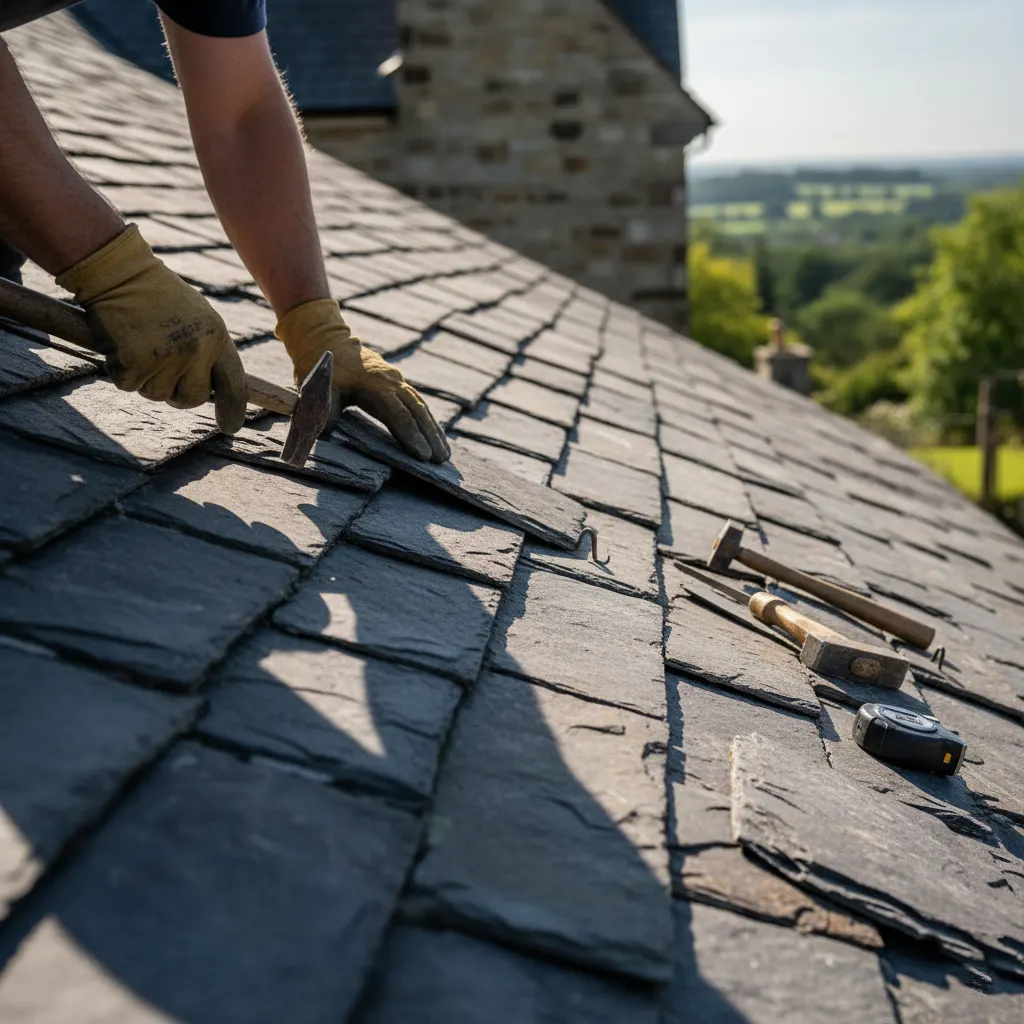
Why Anchorage Homes Need High R-Value Roof Insulation
Anchorage winters hit hard. Temps plummet to -20°F or lower, winds howl off Cook Inlet, and heavy snow piles up. Your roof takes the brunt, letting precious heat escape through thin or worn insulation.
Heat rises. In Alaska, that means up to 25% of your heating dollars vanish through the roof alone. Low R-value insulation? It crumbles under the cold, forcing your furnace to work overtime.
R-value measures how well insulation fights heat loss. Higher numbers win in our climate. Here's why you need at least R-49:
- Blocks extreme cold: Stops frost from creeping into your attic.
- Slashes bills: Expect 15-30% lower heating costs.
- Prevents ice dams: Melted snow refreezes at edges, causing leaks.
- Boosts comfort: No more freezing upstairs bedrooms.
Top Roof Insulation Materials for Alaska's Extreme Cold
Alaska's winters hit like a freight train. You need insulation that punches back with sky-high R-values, tight air seals, and zero moisture drama. Think materials built for -40°F blasts, not mild mainland chills.
Spray foam rules the roost here. Closed-cell polyurethane expands to fill every crack, delivering R-6 to R-7 per inch while blocking moisture cold.
Quick Breakdown of Anchorage Winners
- Closed-Cell Spray Foam: Tops at R-7/inch. Seals air leaks perfectly. Pricey upfront, but payback in two winters via bill cuts.
- Rigid Polyiso Boards: R-6/inch. Tough against compression. Stack 'em under rafters for vented attics.
- Mineral Wool Batts: R-4/inch, fire-resistant, mold-proof. Breathable for humid Anchorage roofs.
- Blown-In Cellulose: R-3.5/inch. Cheap, eco-friendly recycled newsprint. Packs dense for even coverage.
Skip fiberglass in unvented spaces; it soaks up damp like a sponge. Match material to your roof setup, and watch heat stay put.
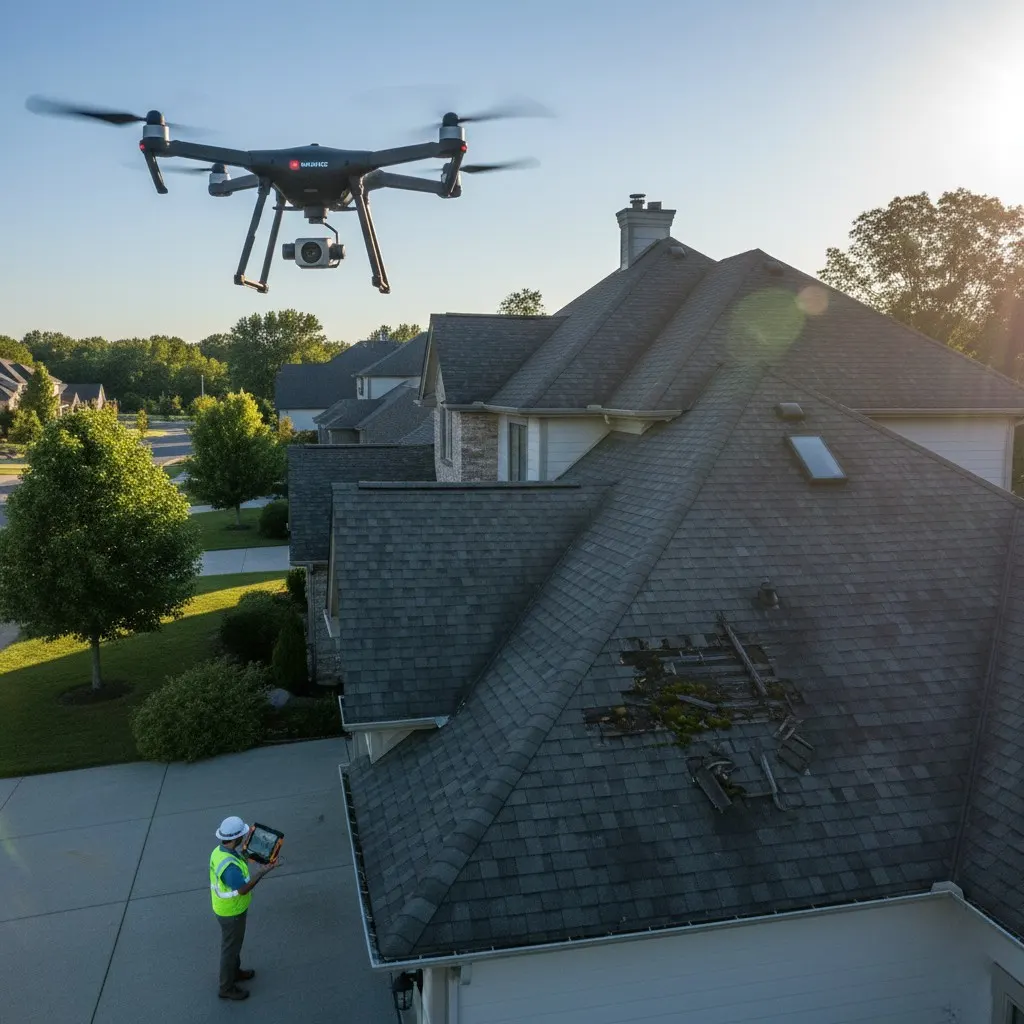
Assessing Your Roof: How to Calculate Insulation Needs
Before you buy a single bag of insulation, get real about your roof's current setup. Peek into your attic with a flashlight. Spot thin, patchy coverage? That's your heat escaping right now.
Step 1: Measure Your Current R-Value
Grab a tape measure and check the depth of existing insulation. Fiberglass batts? About 3.2 inches per R-10. Loose-fill cellulose? Roughly 3.5 inches per R-10.
- Less than R-38 total? You're losing big in Anchorage winters.
- Aim for R-49 to R-60 here. That's code minimum, but pros push higher for real savings.
Step 2: Factor in Your Roof Type and Climate Zone
Anchorage sits in Climate Zone 7. Sloped roofs need different calcs than flat ones. Use the free REScheck tool from energy.gov to plug in your home's square footage and roof pitch.
It spits out exact R-value targets. Add 10-20% extra for our wind-whipped, subzero blasts. No guesswork. Just numbers that pay off.
Found gaps or moisture? Call in an energy audit first. Pros use infrared cameras to pinpoint leaks you can't see. Skip this, and your new insulation fights an uphill battle.
DIY vs. Professional Installation: Best Practices for Anchorage
Thinking about grabbing a ladder and some batts to save cash? Hold up. Anchorage roofs demand precision, especially with ice dams lurking and extreme temps testing every seal.
DIY: Quick Wins or Costly Mistakes?
DIY shines for spot-fixing thin spots in accessible attics. Grab R-49 fiberglass batts, wear a respirator, and cut to fit snugly. But skip it if your roof's steep or attic's cramped. One wrong move, and you're dealing with moisture traps or fire hazards.
- Measure twice. Gaps kill R-value.
- Check local codes. Anchorage requires 49 minimum R-value for ceilings.
- Use knee pads. Slippery attics mean falls.
Pro Installation: Your Smart Bet for Big Payoffs
Hand it to certified pros like us for full jobs. We handle blown-in cellulose or spray foam, hitting every nook without shortcuts. Expect a 10-year warranty, plus rebates from Alaska utilities that shave thousands off upfront costs.
Pros spot issues DIYers miss: poor ventilation, critter entry points, structural weak spots. In Anchorage's freeze-thaw cycles, botched installs lead to rot fast. Call in the cavalry, sleep easy, and watch bills drop.
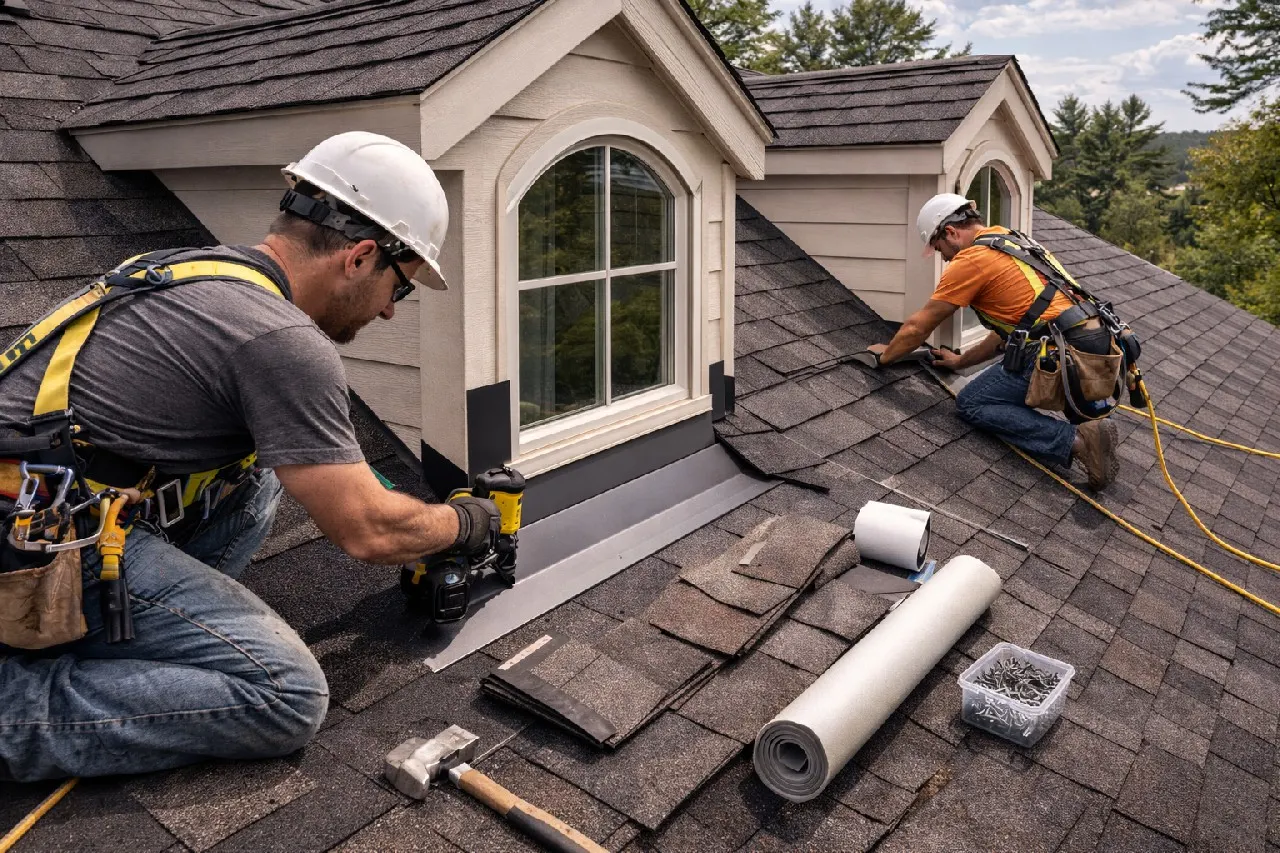
Maximizing Energy Savings with Ventilation and Sealing Tips
Insulation alone won't cut it in Anchorage winters. Poor ventilation traps moisture, leading to ice dams and mold. Pair it right with airflow, and you slash heat loss even more.
Ventilation That Actually Works
- Install ridge and soffit vents for steady airflow. This pulls cold air in low and hot, moist air out high.
- Aim for 1 square foot of vent area per 150 square feet of attic space. Too little? Your insulation fights uphill.
- Check for blockages like leaves or snow. Clear them yearly to keep the system humming.
Now seal those sneaky air leaks. Gaps around wires, pipes, or recessed lights let warm air escape fast.
Grab spray foam or caulk for edges. Focus on the attic floor and hatch. One family here sealed theirs and saw an extra 10% drop in bills.
Quick Sealing Checklist
- Weatherstrip the attic access door tight.
- Tape seams in rigid foam boards.
- Inspect chimneys and vents for drafts. Use metal flashing to lock them down.
Case Study: Anchorage Family Cuts Heating Bills by 25%
Meet the Johnsons, a family of four in South Anchorage. Last winter, their 1,800 sq ft home guzzled natural gas like a V8 engine. Heating bills hit $450 a month during peak cold snaps.
The Problem Exposed
Attic inspection revealed a mess. R-19 fiberglass batts from the '90s had settled and gaps everywhere. Heat escaped through the roof like steam from a kettle.
They called us for a free audit. We spotted ice dams forming last season too. Classic sign of poor insulation and zero airflow.
The Fix That Delivered
We ripped out the old stuff and installed 8 inches of closed-cell spray foam. Hit R-49 value, perfect for Alaska code. Sealed every nook, added ridge vent for killer airflow.
- Cost: $7,200 total, rebate-covered half.
- Time: Two days, no disruption.
- Pro crew: Certified for cold-weather installs.
Results That Stuck
January bill? Dropped to $337. That's 25% savings right off the bat. No more ice dams, attic stayed dry at 35°F even when outside plunged to -15°F.
Family slept better. Kids played upstairs without coats. ROI hit in under three years, and it'll pay forever.
Final Words
Don't let another Anchorage winter bleed your wallet dry. Smart roof insulation isn't just a fix—it's your ticket to slashing bills and staying toasty.
Grab these steps now:
- Inspect your attic today. Spot thin spots or gaps?
- Pick high R-value materials like spray foam for max hold on heat.
- Call pros for install—DIY risks voids that kill savings.
Ready to cut costs like that family who dropped 25%? Dive into our Roof Insulation Installation services or hit us up for a free quote. Your warm home starts here.
People Also Ask
What is the ideal R-value for roof insulation in Anchorage homes?
In Anchorage's harsh winters, aim for an R-value of 49 or higher in attics to combat extreme cold and meet Alaska's energy codes. Higher R-values like R-60 provide superior thermal resistance, reducing heat loss by up to 30%. Consult a local roofing expert to ensure your insulation matches your home's specific needs.
How much does roof insulation installation cost in Anchorage, AK?
Costs typically range from $1.50 to $4 per square foot, depending on material type like spray foam or fiberglass batts, averaging $2,500–$7,000 for a standard home. Factors such as roof access and existing insulation removal influence the final price. Professional installation in Anchorage ensures code compliance and long-term savings, often offsetting costs through energy rebates.
Is DIY roof insulation feasible for Anchorage homeowners?
DIY is possible for simple attic fiberglass installs but risky in Alaska's climate due to moisture issues and code requirements. Professionals handle vapor barriers and ventilation critical for preventing ice dams. Hiring experts saves time and avoids costly mistakes, maximizing your energy savings.
What are the best roof insulation materials for Alaska's cold weather?
Spray foam and rigid foam board offer the highest R-values and air sealing for Anchorage's subzero temps, outperforming fiberglass. Cellulose provides eco-friendly density but needs proper installation to avoid settling. Choose materials with high moisture resistance to prevent mold in humid, cold conditions.
How can roof insulation reduce heating bills in Anchorage?
Proper insulation minimizes heat escape through the roof, which accounts for 25% of home heat loss in cold climates. Anchorage homeowners often see 20-30% reductions in heating bills after upgrades, especially with R-49 or better. Pairing insulation with sealing and ventilation amplifies savings year-round.
Need Roofing Services?
Fast roof repairs and replacements in Anchorage, AK and nearby areas keep homes dry and secure with swift service. (99501, 99502, 99503, 99504, 99507)
Get Roof Quote