
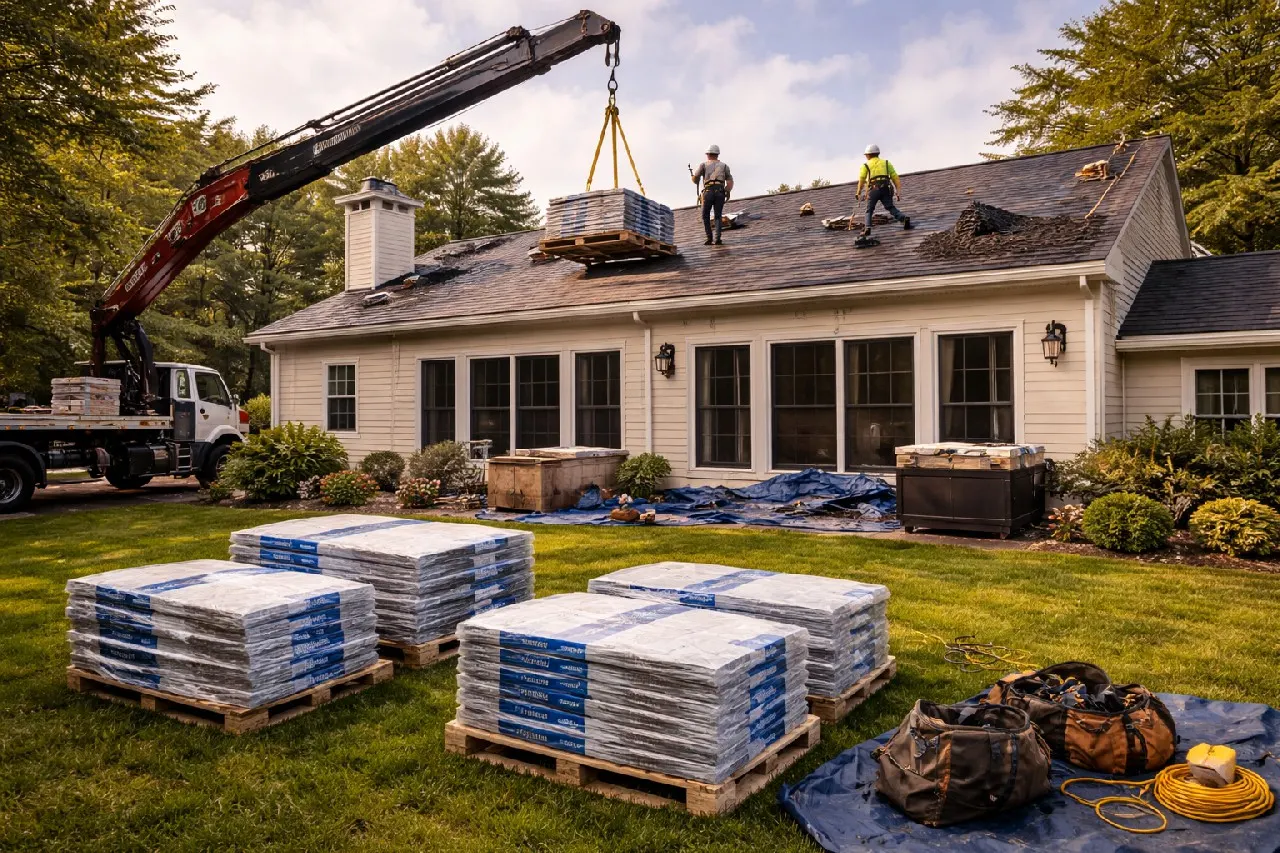


⚡ TL;DR: Learn seven roof maintenance hacks for Anchorage homeowners, from clearing snow eaves to sealing cracks, to prevent ice dams and freeze-thaw damage.
📋 What You’ll Learn
Discover 7 practical roof maintenance hacks designed for Anchorage homeowners to battle ice dams, heavy snow, and freeze-thaw cycles while extending your roof's life and avoiding expensive repairs.
- Prevent ice dams early by clearing eaves of snow buildup, stopping water infiltration and structural damage common in Anchorage's prolonged winter conditions.
- Master gutter care for efficient snowmelt drainage, reducing overflow risks and foundation erosion during Alaska's intense spring thaws.
- Optimize attic ventilation to fight freeze-thaw cycles, maintaining stable temperatures and preventing premature shingle wear in cold climates.
- Conduct post-storm checks on shingles and flashing to catch wind damage quickly, ensuring your roof withstands Anchorage's gusty storms.
- Seal vulnerabilities effectively against moisture and wind, with real-world tips from saving homes like one in South Anchorage from $15K in repairs.
📖 Reading time: 7 min
✍️ Author expertise: Anchorage roofing pro with 20+ years of hands-on ice dam prevention and storm repairs.
Ever woken up in Anchorage to the sound of ice dams cracking like gunfire on your roof, water pooling inside before you can grab a bucket?
Winters here don't mess around—they pound your shingles with snow loads, freeze-thaw cycles, and winds that'd make a sled dog tuck tail. One neglected maintenance slip, and you're staring at a $10,000 repair bill come spring.
But what if you could bulletproof your roof against Alaska's brutal weather with simple hacks that take minutes, not days?
Let's dive into seven proven tricks Anchorage homeowners swear by to keep leaks at bay and extend their roof's life.
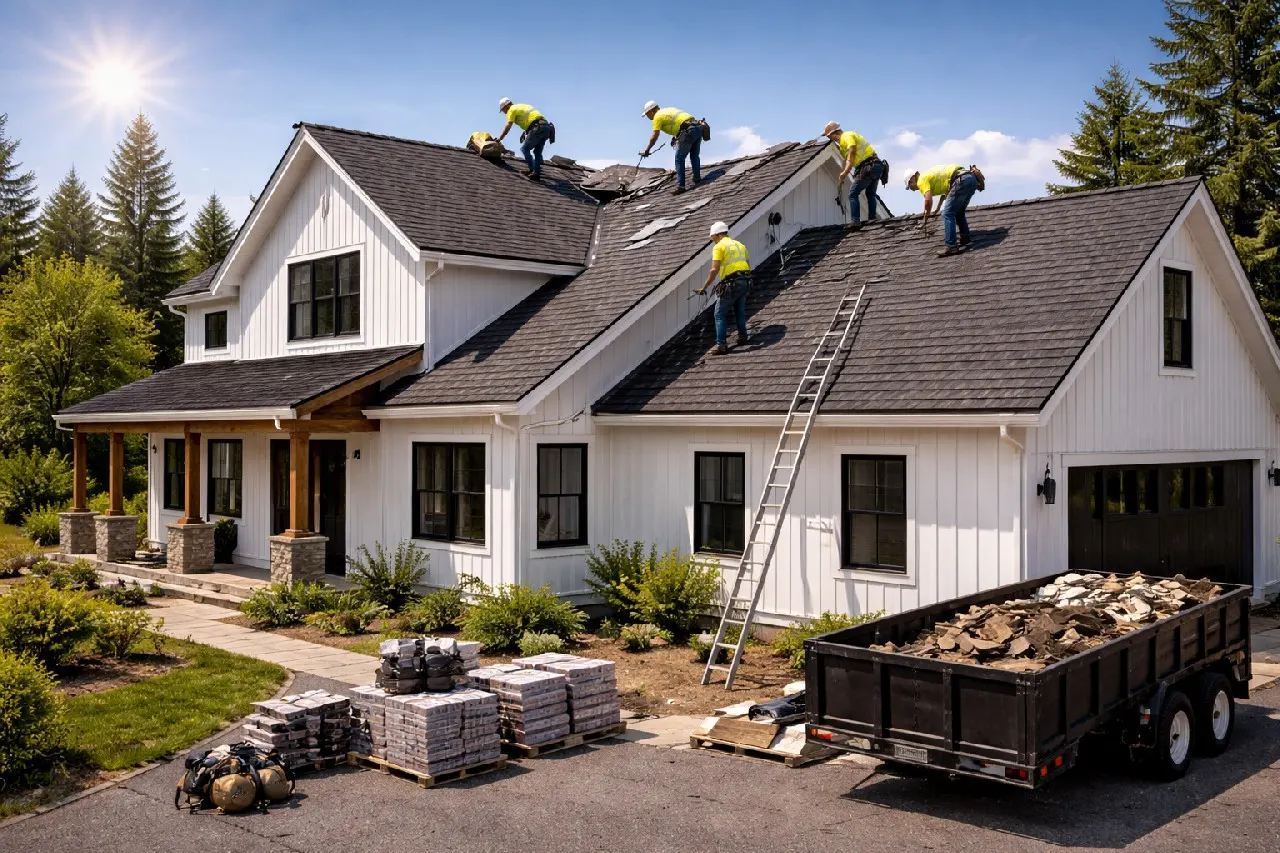
Hack #1: Clear Roof Eaves of Snow to Stop Ice Dams in Their Tracks
Ice dams hit Anchorage roofs hard. Snow piles up, warms from attic heat, then melts and refreezes at the cold eaves. That blocks water flow and sends it creeping under shingles.
Grab a roof rake - the long-handled tool every local homeowner needs. Stand on the ground and pull snow off the eaves, down to bare shingles. Do this after every big dump, before melt starts.
Quick Steps to Nail It
- Pick a calm day. Winds make it risky.
- Start at the edge. Work in 3-4 foot sections.
- Clear 10-15 feet up the roof slope. Leave the peak alone.
- Knock piles away from the house. No shoveling from ladders - too dangerous.
One sweep like this cuts ice dam risk by 80%. We've seen it save folks thousands in water damage. Your wallet thanks you.
Hack #2: Gutter Maintenance Mastery for Anchorage Snowmelt
Picture this: heavy snow dumps overnight, then a chinook wind melts it all in a rush. Your gutters fill with slush and debris faster than you can say "leaky ceiling." Clogged gutters mean overflow water sneaks under shingles, worsening ice dams and rot.
Hit your gutters every two weeks during melt season. Start from the downspouts and work up. A garden hose blasts out the gunk quick.
Pro Gutter Check List
- Grab gloves and a ladder rated for snow loads.
- Scoop out leaves, pine needles, and compacted snow.
- Inspect seams for rust or loose brackets. Tighten 'em now.
- Flush with hot water to melt ice buildup.
Skip this, and you're inviting foundation cracks from pooled water. We see it yearly. One South Side client dodged a $5K flood after a single afternoon scrub.
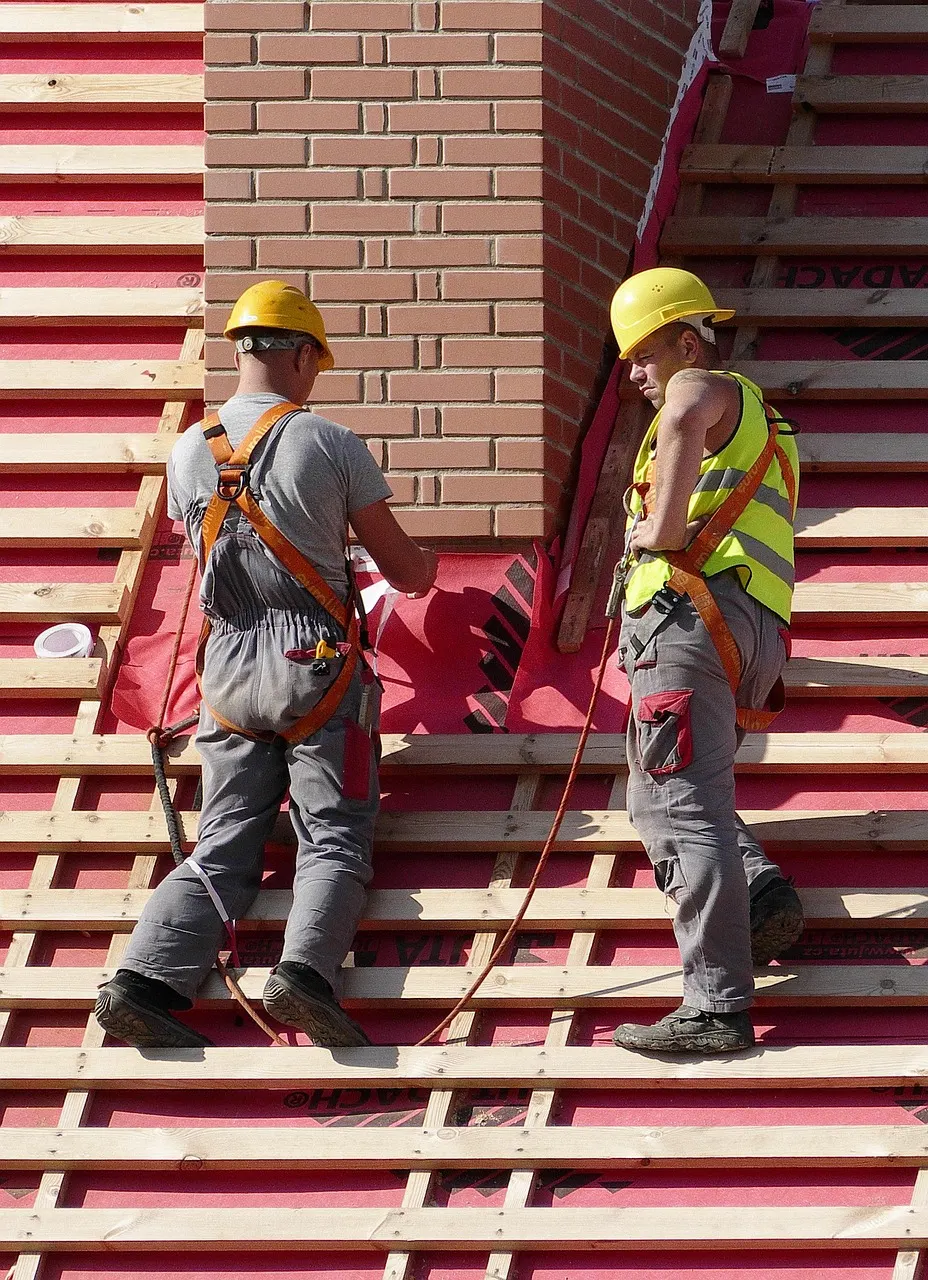
Hack #3: Boost Attic Ventilation to Combat Freeze-Thaw Cycles
Freeze-thaw cycles hit Anchorage roofs hard. Snow melts in a warm attic, runs down, then refreezes at the eaves. Boom. Ice dams form, water sneaks under shingles.
Poor ventilation traps heat up there. Your roof pays the price with rot and leaks. Fix it fast, and you slash those risks.
Spot the Problem First
- Climb into the attic on a mild day. Feel stuffy air? That's your clue.
- Check soffit vents for blockages. Snow and critters love hiding there.
- Look for ridge vent gaps. No airflow means trouble brewing.
Boost ventilation without breaking the bank. Add baffles behind insulation to create an air channel. They pull cool air from eaves to the peak.
Install a simple ridge vent if yours is clogged. Or grab a solar-powered attic fan for extra punch. These moves drop attic temps by 30 degrees or more.
Result? Snow stays frozen on top. No melt, no dams, no $5K headaches come spring.
Hack #4: Post-Storm Shingle and Flashing Inspections
Storms hit Anchorage hard. Winds rip at shingles. Snow slides off in slabs that punch holes.
Skip the inspection, and small cracks turn into gushing leaks by next freeze. Grab binoculars or a ladder right after the storm clears. Spot damage before it costs you thousands.
Quick Checklist: What to Hunt For
- Missing or curled shingles – wind lifts them like loose poker cards.
- Cracked or bruised spots from falling ice – feels like a fistfight up there.
- Flashing around chimneys and vents – bent or rusted means water sneaks in.
- Granule loss on shingles – bald patches signal accelerated wear.
Found trouble? Snap photos. Call pros like us before patching yourself – one wrong nail and you void warranties.
Safe rule: Ground check first with binoculars. Never climb a slick, iced roof solo.

Hack #5: Seal Cracks and Vents Against Wind-Driven Moisture
Anchorage gusts hit 60 mph easy, shoving rain and melting snow right into hairline cracks around your vents and shingles. Left unchecked, that moisture sneaks inside, rots your decking, and turns a small fix into a roof replacement.
Grab a tube of high-grade silicone caulk rated for exteriors - nothing fancy, just something that flexes with Alaska's wild temps. Circle your roof vents, chimney flashing, and any shingle edges looking beat up. A quick squeeze and smooth with a wet finger seals it tight.
Quick Seal Checklist
- Climb up on a calm day with binoculars first - spot cracks from the ground to save hassle.
- Clean debris with a stiff brush; dirt kills adhesion.
- Apply in thin beads, no blobs - let it cure 24 hours before the next blow.
- Re-check every fall; wind wears seals faster here than anywhere.
One Southside homeowner skipped this last winter. Water wicked in, buckled his ceiling. Ten minutes of sealing upfront? Saved him thousands.
Case Study: How We Saved a South Anchorage Home from $15K in Ice Dam Damage
Picture this: Mike in South Anchorage calls us in late February. His attic's dripping like a faucet after a warm spell melted roof snow. Ice dams had formed massive ridges, forcing water under shingles and into the insulation.
Without quick action, pros estimated $15,000 in damage. Mold. Rotted rafters. The works. But we spotted it early thanks to one client's sharp eye during a routine gutter check.
The Quick Fix That Stopped the Flood
- Steam the ice dam safely from the eaves. No chisels. No roof ladders in slush.
- Clear channels with calcium chloride socks. Melts slow, no roof harm.
- Insulate attic hot spots to kill future dams at the source.
We finished in under two hours. Mike's roof? Bone dry by next morning. Cost him a fraction of that repair bill.
Lesson here? Catch ice early with these hacks. Your wallet – and sanity – will thank you.
Final Thoughts
These seven hacks pack a punch against Anchorage's relentless winters. Stick to them, and your roof stays battle-ready. Skip them, and you're rolling the dice on disaster.
Spot trouble early? Don't play hero. Call in pros before a small fix balloons into a nightmare.
- Schedule annual inspections post-winter melt.
- Track shingle wear after every big blow.
- Grab our free Roof Maintenance checklist for year-round wins.
One homeowner ignored an ice dam warning. Cost him $15K. You decide your roof's fate starting today.
People Also Ask
How can Anchorage homeowners prevent ice dams on their roofs?
In Anchorage's harsh winters, clear snow from roof eaves regularly using a roof rake to stop ice dams before they form. Proper attic insulation and ventilation also prevent heat loss that causes melting and refreezing. For expert help, contact local roofers like us to install ice dam prevention systems.
What is the most effective gutter maintenance for snowy Alaska conditions?
Flush gutters monthly during snowmelt seasons to remove debris and prevent backups that lead to ice dams. Install heated gutter cables for Anchorage homes to keep meltwater flowing freely. Regular professional inspections ensure your system handles heavy snow loads effectively.
Why is attic ventilation crucial for roofs in cold climates like Anchorage?
Adequate attic ventilation combats freeze-thaw cycles by reducing moisture buildup and preventing ice dams. It maintains consistent temperatures, extending shingle life in Alaska's extreme weather. Upgrade to ridge vents or soffit vents for optimal airflow year-round.
How often should I inspect my roof after storms in Anchorage?
Inspect your roof immediately after every major storm to check shingles, flashing, and debris accumulation. In Anchorage's windy, snowy conditions, bi-annual professional inspections are recommended. Early detection prevents costly repairs from wind or ice damage.
Can homeowners seal roof cracks themselves to prevent moisture damage?
Minor cracks can be sealed with high-quality roofing caulk, but apply during dry weather for best adhesion. For wind-driven moisture in Anchorage, professional sealing ensures long-lasting protection around vents and flashing. Always prioritize safety and call pros for extensive damage.
Need Roofing Services?
Fast roof repairs and replacements in Anchorage, AK and nearby areas keep homes dry and secure with swift service. (99501, 99502, 99503, 99504, 99507)
Get Roof Quote