
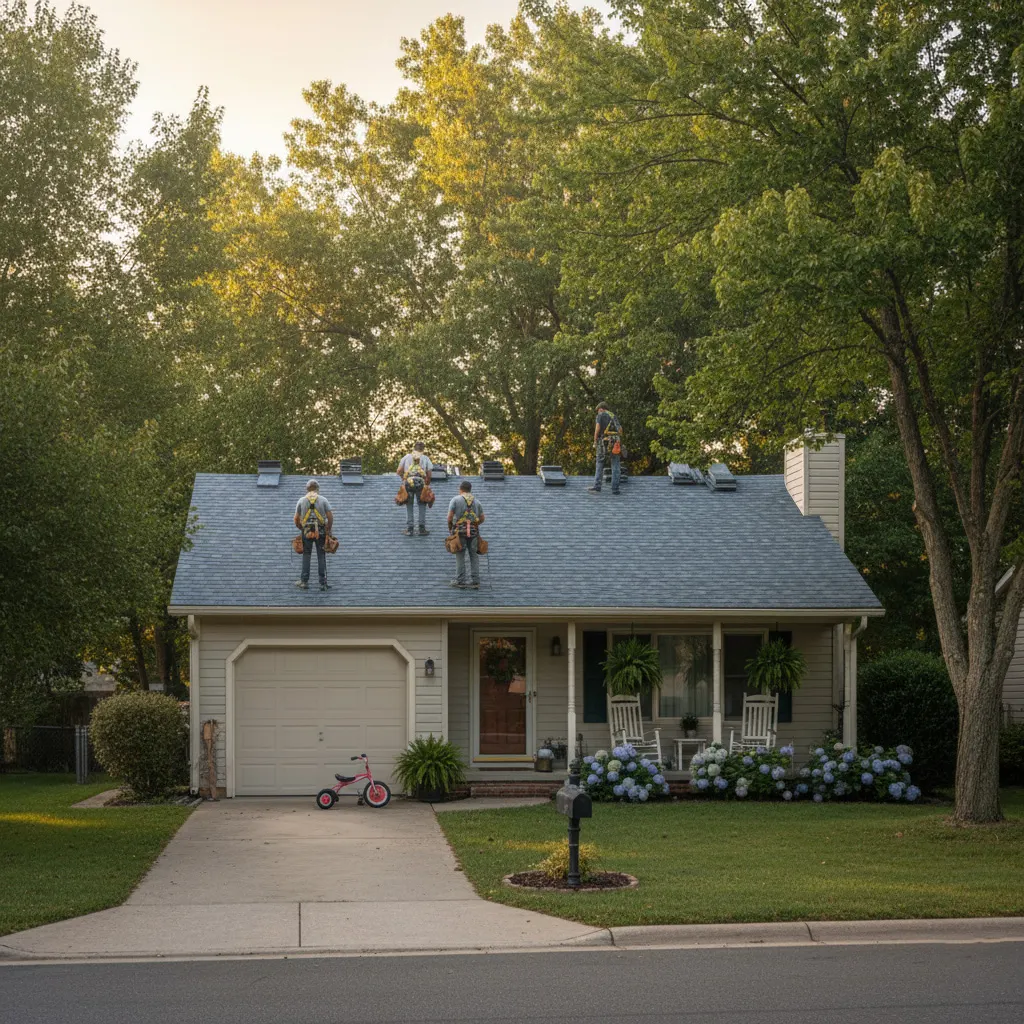


⚡ TL;DR: Learn five roof inspection secrets from Anchorage pros to spot ice dams, check ventilation, and protect against Alaska's snow loads and meltwater.
📋 What You’ll Learn
In this guide to Anchorage roof inspections, you'll discover pro secrets for spotting ice dams, ventilation issues, snow damage, flashing problems, and drainage failures before they cause major harm.
- Spot ice dams before disaster by learning key signs and prevention tactics that Anchorage pros use to safeguard roofs from winter meltwater leaks and structural weakening.
- Assess attic ventilation effectively to combat harsh Alaskan winters, ensuring proper airflow prevents moisture buildup, mold, and premature shingle deterioration in cold climates.
- Inspect shingles for snow loads identifying cracks, lifts, or wear from heavy accumulations that could lead to leaks and costly repairs in Anchorage homes.
- Examine flashing around chimneys and vents for corrosion or gaps, a critical step pros take to stop water intrusion during frequent freeze-thaw cycles.
- Test gutters for meltwater issues to avoid overflow damage, with tips on clearing clogs and verifying slopes for optimal drainage in snowy conditions.
📖 Reading time: 7 min
✍️ Author expertise: Anchorage roofing pro with 18 years of hands-on inspections battling Alaska's extreme weather.
Ever wake up to a drip-drip-drip from your ceiling after Anchorage's latest snowstorm dumps two feet overnight?
That nagging worry hits hard because one hidden flaw in your roof can turn into thousands in repairs, and most folks miss the warning signs until it's too late.
Local pros have five dead-simple inspection tricks that spot trouble before it strikes—let's dive into them right now.
Secret #1: Spot Ice Dams Before They Wreck Your Anchorage Roof
Picture this: heavy snow piles up on your roof after that brutal Anchorage blizzard. Warmth from your attic melts the bottom layer, but it refreezes at the cold eaves into a rock-hard ridge called an ice dam.
Water backs up under shingles, seeps into your home, and boom. Leaks rot rafters or flood ceilings.
Dead-Giveaway Signs to Hunt For
- Icicles dangling longer than a foot from your gutters. That's your first red flag.
- Bulges or ridges of ice creeping up under shingles along the roof edge.
- Water stains on eaves or soffits, even if it's not raining.
- Granular bits from shingles collecting in gutters. Erosion's underway.
Climb a ladder on a sunny day when snow's softening. Poke around edges with a long pole from the ground if heights scare you.
Spot trouble? Call pros fast. We steam off dams safely before they punch holes in your roof.
Secret #2: Check Attic Ventilation to Beat Harsh Alaskan Winters
Poor attic ventilation traps heat and moisture up top. That combo breeds ice dams and wood rot faster than you can say "cabin fever." In Anchorage, where winters hit negative temps for weeks, this secret saves roofs from total meltdown.
Spot the Red Flags First
- Frost buildup on the underside of your roof deck? Big trouble brewing.
- Energy bills spiking even with the thermostat low? Heat's escaping wrong.
- Moldy smells or damp insulation? Moisture's your enemy number one.
Climb up there with a flashlight. Feel for warm spots near the ridge. If air isn't flowing free, your roof's fighting a losing battle.
Fix it simple: Clear soffit and ridge vents of debris. Add baffles if insulation's crowding the flow. Pros swear this one tweak drops ice dam risks by half, keeping your home dry through the longest nights.

Secret #3: Inspect Shingles for Snow Load Damage
Heavy snow piles up fast here in Anchorage. Those loads can crack shingles or make them buckle. Pros check this first because one weak spot spreads trouble quick.
Grab a Ladder and Look Close
Climb up after the next melt. Scan for cracked or curled edges. Missing granules in your gutters? That's snow weight grinding them down.
- Warped shingles lifting at the corners.
- Soft spots you can push with your foot.
- Bruised areas from ice sliding off.
Tap a few lightly. Hear a hollow thud? Time to call in reinforcements before leaks hit your insulation.
Skip this, and you're gambling with your home's frame. A full shingle swap beats a total roof tear-off every time.
Secret #4: Examine Flashing Around Chimneys and Vents
Flashing seals the gaps where your roof meets chimneys, vents, and skylights. In Anchorage, relentless snow buildup and freeze-thaw cycles hammer these metal strips until they warp or rust. One tiny crack here lets water sneak in, rotting your structure from the inside.
Grab a ladder and look close. Pros start by scanning for lifted edges or gaps wider than a credit card. Missing sealant? That's a red flag waving in the wind.
Quick Inspection Checklist
- Curling or buckling metal – ice expansion pushes it loose.
- Rust stains trailing down slopes.
- Granules piling up from shingle wear above.
- Gaps filled with debris or old caulk.
Spot any of these? Call in reinforcements fast. A pro patch now beats a full chimney leak disaster later.
Secret #5: Test Gutters and Drainage for Meltwater Mayhem
Picture this: Anchorage snow melts fast under a surprise chinook wind. Your gutters clog with ice chunks and debris, sending water straight into your foundation or siding.
One overflow can rot fascia boards or flood your basement. Pros test these bad boys every spring to dodge the disaster.
Quick Gutters Gut-Check
- Climb a ladder (safely!) and peer inside. Packed with leaves, pine needles, or old ice?
- Run a garden hose from the roof peak. Watch the flow. Does it spill over or rush clean?
- Probe downspouts with a plumber's snake. Blockages hide deep.
Spot sagging sections? They pull away from the roof edge, inviting leaks. Fix loose brackets now before the next dump hits. This simple ritual saves homeowners thousands in water damage claims.
Case Study: Saving a Midtown Anchorage Home from Hidden Roof Failure
Meet Sarah, a busy mom in Midtown Anchorage. Last winter, she noticed a small water stain on her bedroom ceiling after a heavy snowfall. Instead of ignoring it, she grabbed a ladder and ran through our five inspection secrets.
What We Uncovered
- Ice dams forming along the eaves, just like Secret #1 warned about.
- Poor attic ventilation trapping heat and moisture—straight out of Secret #2.
- Cracked shingles from snow load, plus failing flashing around the chimney.
Those hidden issues could have led to a full roof collapse. But spotting them early changed everything.
Sarah called us in for a pro inspection. We fixed the ventilation, cleared the ice dams, and reinforced the shingles and flashing for under $2,500. Today? Her roof's solid, no leaks, and she dodged a $25,000 replacement bill.
Final Words
Don't wait for that next big snow to test your roof's limits. Grab a ladder, run through these five secrets yourself, or call in the pros who know Anchorage roofs inside out.
Spotting issues early saves you from emergency calls and skyrocketing repair bills. Book a roof inspection today—it's the smartest move you make this winter.
Quick Action Steps
- Schedule your inspection before melt season hits.
- Document any damage with photos for insurance claims.
- Ask about preventive sealing to lock out future trouble.
Act now. Your roof will thank you.
People Also Ask
How often should Anchorage homeowners inspect their roofs?
In Anchorage's harsh climate, pros recommend annual roof inspections, ideally in spring and fall, to catch issues from snow and ice early. Twice-yearly checks help prevent costly damage from ice dams and poor ventilation. Schedule a professional inspection with local experts to ensure your roof withstands Alaskan winters.
What are the early signs of ice dams on an Anchorage roof?
Look for icicles hanging from eaves, water stains on ceilings, or peeling paint inside—these signal ice dams forming from poor insulation and heat loss. Ice dams trap meltwater, leading to leaks and structural damage under shingles. A pro inspection identifies them before they cause major roof failure.
Why is attic ventilation critical for roofs in Alaska?
Adequate attic ventilation prevents moisture buildup from snow melt and heat, reducing ice dams and extending shingle life in cold Anchorage winters. Poor ventilation causes condensation, mold, and premature roof deterioration. Inspect vents and add insulation to maintain optimal airflow year-round.
How can snow load damage shingles on Anchorage homes?
Heavy snow accumulation in Alaska compresses shingles, causing cracks, granule loss, and bald spots that lead to leaks. Inspect for curling edges, missing pieces, or soft spots after major storms. Professional assessment ensures timely repairs to avoid full roof replacement.
What should I check in roof flashing during an Anchorage inspection?
Examine flashing around chimneys, vents, and skylights for rust, cracks, or loose seals, which allow water infiltration during freeze-thaw cycles. Damaged flashing is a common failure point in snowy climates. Tighten or replace it promptly to protect your home's integrity.
Need Roofing Services?
Fast roof repairs and replacements in Anchorage, AK and nearby areas keep homes dry and secure with swift service. (99501, 99502, 99503, 99504, 99507)
Get Roof Quote