

⚡ TL;DR: This guide helps Springfield homeowners navigate roof installation by explaining how to choose appropriate materials, vet professional contractors, and prevent costly issues like poor ventilation and ice dams.
📋 What You’ll Learn
Planning a roof replacement in Western Massachusetts involves navigating unique climate challenges and local regulations. This guide provides the essential knowledge you need to protect your investment and ensure long-term durability.
- Identify early failure warning signs such as shingle degradation and leaks common to our region, ensuring you catch problems before they lead to expensive structural water damage inside.
- Select the right roofing materials by weighing the performance of asphalt, metal, and slate against the harsh reality of Springfield’s freezing winters and heavy snow load requirements.
- Master ice dam prevention strategies through proper attic ventilation and insulation techniques that keep your home warm while preventing the destructive freeze-thaw cycles common in New England.
- Vet local contractors with confidence by learning how to spot professional red flags, verify necessary Massachusetts state licensing, and demand the quality craftsmanship your historic home deserves.
- Decode complex project estimates so you can easily spot hidden fees, avoid unnecessary upselling tactics, and maintain total control over your renovation budget from the initial quote onwards.
📖 Reading time: 8 min
✍️ Author expertise: Master roofer with twenty years of experience installing high-performance roofs across Springfield neighborhoods.
Most Springfield homeowners wait until a ceiling stain turns into a indoor waterfall before they even think about their roof. By then, you are already paying for the emergency repair and the new install, turning a simple project into a massive headache.
The truth is, the roof over your head is under constant attack from our brutal Massachusetts winters and heavy spring rains. You need to know exactly how to vet a local contractor before you sign a contract that could cost you thousands in hidden fees.
Here is what you actually need to look for to ensure your home stays dry and your wallet stays protected. Keep reading to discover the common traps you must avoid if you want your roof to last for decades.

Recognizing the Warning Signs of a Failing Roof in Western Massachusetts
Your roof doesn't just give up on you overnight. It sends out distress signals months, sometimes years, before the first drop of water hits your living room floor.
If you live in Springfield, you are battling a specific set of environmental enemies. Between the heavy snow loads of January and the humid, thermal expansion cycles of our summer, your roofing materials are constantly pushed to their breaking point.
Start by taking a walk around your property with a pair of binoculars. You are hunting for subtle defects that act as precursors to structural failure.
- Curled, buckled, or missing shingles that leave your underlayment exposed to the elements.
- Granule loss in your gutters, which looks like coarse dark sand and indicates your shingles are losing their protective armor.
- Daylight peering through your attic boards, a clear sign that your roof deck is compromised.
- Sagging or drooping sections of the roof line that suggest trapped moisture has rotted the underlying plywood.
Don't ignore the interior symptoms either. If you see brown water stains or peeling paint on your upstairs ceilings, the damage is already well underway.
Keep a sharp eye on your flashing as well. If the metal seals around your chimney, skylights, or vent pipes are rusting or pulling away from the surface, you have an open invitation for water intrusion that no amount of caulk can fix permanently.
Why Material Selection Matters: Asphalt, Metal, and Slate in the Springfield Climate
Picking a roof in Springfield isn't just about how it looks from the curb. You are dealing with heavy snowfall, freeze-thaw cycles, and the occasional sweltering summer heat that cooks your attic.
The material you choose dictates whether your roof survives the next decade or ends up as a pile of scrap on your lawn. Here is the lowdown on how these common materials actually hold up in our local conditions:
- Asphalt Shingles: These are the workhorse of Western Massachusetts. Modern architectural shingles are durable and cost-effective, but you must opt for high-wind rated versions to survive our gusty spring storms.
- Metal Roofing: The gold standard for snow shedding. Because metal surfaces are slick, heavy snow slides right off, which protects your structural decking from unnecessary weight and stress.
- Slate: This is a premium choice for historic Springfield homes. It is nearly indestructible and fire-resistant, but it requires a specialized installation crew that knows how to handle heavy stone tiles without cracking them.
Before you get seduced by a brochure, look at the specific lifespan of the material relative to our local environment. A bargain-bin asphalt shingle might save you a few bucks today, but it will likely curl or crack after just a few years of enduring our temperature swings.
Do not compromise on quality. Your roof needs to handle the expansion and contraction caused by our wild temperature fluctuations. If the material does not flex, it will fail.

The Hidden Dangers of Improper Ventilation and Ice Dam Prevention
Most Springfield homeowners think a roof is just shingles and plywood. They ignore what is happening underneath the surface until the first February thaw wreaks havoc on their attic.
Without proper ventilation, your attic turns into a sauna during the summer and a freezer in the winter. This trapped moisture rots your wooden rafters and ruins your insulation, turning your home into a breeding ground for black mold.
If the air isn't moving, you are inviting disaster. Here is what happens when your ventilation system fails:
- The heat escaping from your living space warms the roof deck.
- Snow melts on the top, runs down to the cold eaves, and refreezes into a solid block of ice.
- That ice dam forces water backwards under your shingles and directly into your drywall.
Stopping ice dams isn't about buying a fancy rake or slapping on heat tape. It is about thermal balance.
You need a combination of soffit vents and ridge vents to keep the attic temperature equal to the outside air. When a contractor gives you a quote, ask them specifically how they plan to handle your intake and exhaust. If they ignore your ventilation needs, they are setting you up for expensive water damage before the next heavy snowstorm hits Western Massachusetts.
How to Vet Local Springfield Contractors: Red Flags and Licensing Requirements
Hiring the first person who knocks on your door after a heavy storm is the quickest way to end up with a leaking roof and a drained bank account. In Massachusetts, you must verify that your contractor holds a valid Construction Supervisor License (CSL) issued by the state.
Do not just take their word for it. Request their license number and verify it through the official Massachusetts state database.
Beyond licensing, you need to check for current General Liability and Workers’ Compensation insurance. If a worker gets injured on your property and the contractor lacks proper coverage, you could be held legally and financially responsible for their medical bills.
Warning Signs of a Bad Contractor
Certain habits reveal a company that cuts corners. Keep an eye out for these red flags during your initial consultation:
- The contractor pressures you to pay the entire project cost upfront before materials even arrive.
- They show up in an unmarked truck with no physical office address in Western Massachusetts.
- The quote is suspiciously low compared to other local bids, which usually means they are planning to use bottom-tier materials.
- They refuse to provide a list of local references or photos of past jobs within the Springfield area.
A professional roofer is transparent about their process and expects you to ask tough questions. If they seem bothered by your request for a written estimate or a copy of their insurance certificate, walk away immediately.
Always prioritize contractors who have a documented track record in our specific region. A roofer who understands the local building codes and the unique moisture challenges of the Pioneer Valley is infinitely more valuable than a transient crew looking for a quick paycheck.
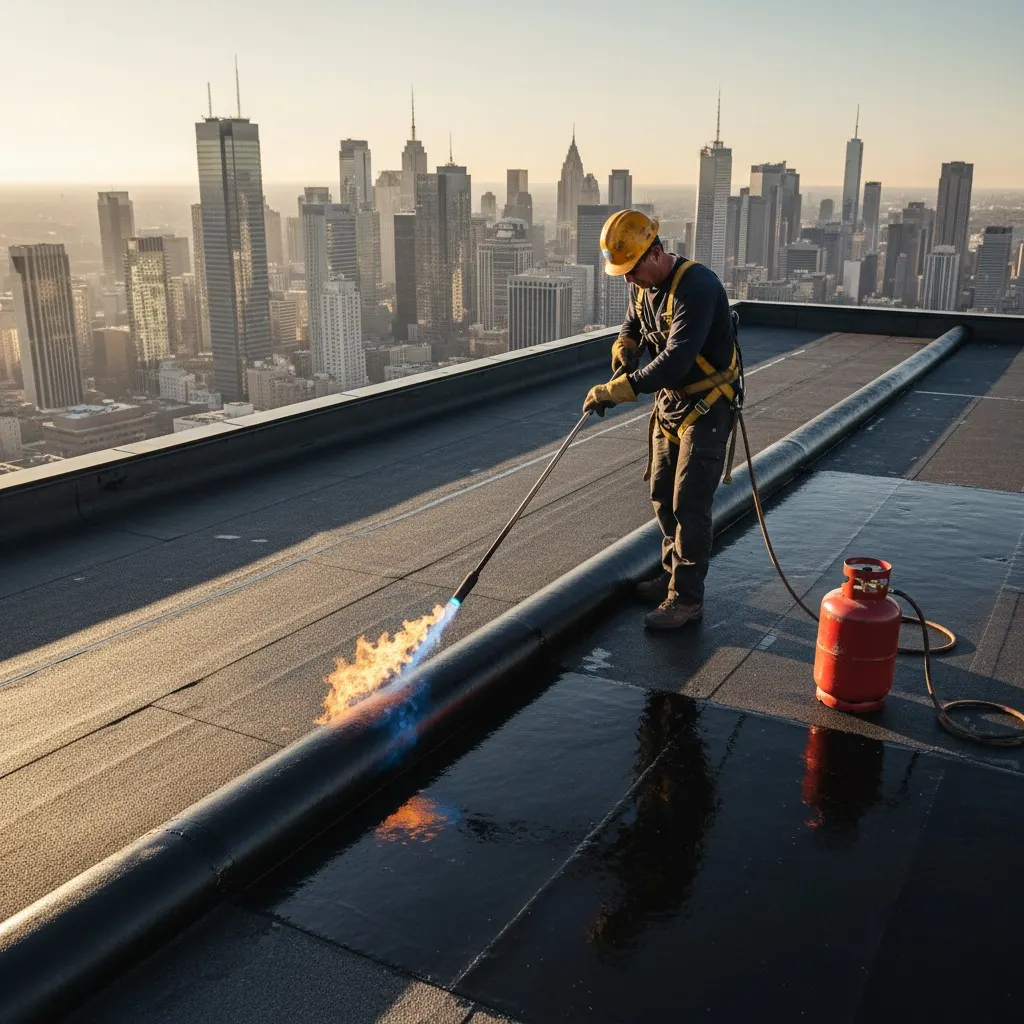
Anatomy of a Perfect Installation: A Case Study of a Springfield Victorian Restoration
We recently took on a historic Victorian near Forest Park that looked like a disaster waiting to happen. The old cedar shingles were rotting, and the complex roofline had been butchered by amateur patchwork over the decades.
To get it right, we stripped the surface down to the original wooden deck to hunt for structural dry rot. This is where amateurs cut corners. If you don't inspect the bones of the house, you are just slapping a bandage on a gunshot wound.
A flawless installation requires more than just shingles. It demands a systematic approach to protecting the building envelope:
- Ice and Water Shield: We installed high-temp underlayment across all eaves and valleys to stop Massachusetts snow melt from backing up into the interior.
- Custom Flashing: Generic aluminum step-flashing is a recipe for leaks. We bent custom copper flashing for every chimney and dormer junction to ensure a watertight seal.
- Precision Ventilation: We calculated the attic volume to ensure the intake and exhaust vents were balanced, preventing the heat buildup that causes shingles to curl prematurely.
Watching this project come together proved that the beauty of a roof is in the installation you cannot see. We didn't just replace the top layer; we rebuilt the entire system to handle the heavy humidity and freezing cycles common to the Pioneer Valley.
The result was a roof that honored the home's architectural heritage while performing like a modern fortress. When you invest in a restoration, you aren't just paying for materials, you are paying for the integrity of the installation process.
Navigating Roof Estimates: Avoiding Hidden Fees and Unnecessary Upselling
Getting a price quote for a roof in Springfield shouldn't feel like deciphering ancient hieroglyphics. When a contractor hands you an estimate, look for line-item transparency rather than a vague "roofing package" total. If the quote doesn't explicitly list the cost of materials, labor, and potential permit fees, walk away.
Many contractors hide profit margins in mystery "disposal fees" or "decking replacement" clauses. You need to know exactly how much they charge per sheet of plywood if they find rotted wood underneath your shingles. Demand a fixed price for specific line items so you aren't surprised when the final bill hits your mailbox.
The Red Flags in a Price Quote
Watch out for these common tactics designed to drain your bank account:
- Excessive "General Conditions" fees that lack a clear explanation of what is being covered.
- The "Buy Now" discount pressure designed to stop you from comparing local bids.
- Unspecified costs for flashing, ridge vents, or drip edge components that should be standard.
- Vague language regarding the quality of underlayment or ice and water shield products.
Remember, the cheapest bid is rarely the best deal, but the most expensive one doesn't guarantee quality either. A contractor who refuses to explain a line item or gets defensive when you ask about hidden surcharges is telling you everything you need to know about their integrity. Protect your home by demanding clarity before a single nail is hammered into your roof deck.
Final Words
At the end of the day, your roof is the primary barrier between your family and the unpredictable New England elements. Choosing the wrong contractor or cutting corners on materials is a recipe for expensive disaster.
Take the time to verify licenses, demand clear quotes, and insist on proper ventilation. If you prioritize quality today, you won't be dealing with water damage in your living room tomorrow.
If you are ready to move forward, we suggest looking into professional Roof Installation services that stand by their craftsmanship. Investing in your home properly means you get to stop worrying about what is happening above your head whenever the wind picks up.
Checklist Before You Hire
- Confirm the contractor has a valid Massachusetts Home Improvement Contractor (HIC) registration.
- Ensure the quote includes all material disposal fees to avoid nasty surprises.
- Ask for proof of worker’s compensation and liability insurance before a single shingle is touched.
- Check if they provide a workmanship warranty, not just a manufacturer warranty on the shingles.
Remember that a cheap price today often leads to a much higher cost down the road. Focus on the long-term value of your investment rather than the lowest bid on the pile.
People Also Ask
How much does a new roof cost in Springfield, MA?
The cost of a roof replacement in Springfield typically ranges between 8,000 and 15,000 dollars depending on the square footage, pitch, and materials chosen. You should always obtain at least three detailed quotes to compare labor costs and project scopes.What is the best roofing material for the Western Massachusetts climate?
Asphalt shingles remain the most popular choice for their cost-effectiveness and durability against heavy snowfall. However, metal roofing is increasingly preferred by local homeowners for its superior ability to shed ice and snow efficiently.Do I need a building permit to replace my roof in Springfield?
Yes, the city of Springfield requires a building permit for most roofing projects that involve structural changes or complete tear-offs. A reputable local contractor will handle the permitting process and ensure all work meets local building codes.How do I know if my roof needs replacing or just repairs?
If your roof is over 20 years old, shows signs of curling shingles, or has persistent leaks, a full replacement is usually the safest investment. Minor damage, such as a few missing shingles or small flashing issues, can often be addressed with professional repairs.How long does a roof installation take?
A typical residential roof installation in Springfield usually takes between two to four days to complete, depending on the weather and the complexity of the roof. Sudden New England weather shifts can sometimes cause minor delays, so it is important to work with a team that has a solid moisture-protection plan.Need Roofing Services?
We deliver fast roof installations and repairs across Springfield, MA and nearby areas (01103, 01104, 01105, 01108, 01109) to keep properties protected from weather damage.
Get Roofing Quote