

⚡ TL;DR: This guide helps Springfield homeowners understand the essential components of a thorough roof inspection while providing practical advice on vetting local contractors to avoid unnecessary service expenses.
📋 What You’ll Learn
When searching for a roof inspection in Springfield, MA, it pays to be informed. We break down the industry secrets that ensure your property remains protected from predatory sales tactics.
- Identify professional inspection standards by learning exactly what a qualified contractor should check, moving beyond a simple visual scan to ensure structural integrity and long-term roof health.
- Spot common sales pressure tactics so you can effectively distinguish between legitimate urgent repairs and unnecessary upselling designed to inflate your final bill during a routine property assessment.
- Evaluate local weather-related risks that uniquely affect Pioneer Valley homes, focusing on how our specific winter freeze-thaw cycles impact shingles, flashing, and overall roof system performance over time.
- Vet contractors with confidence by using our proven checklist to verify the experience and reputation of local roofing professionals before allowing them to access your roof or property.
📖 Reading time: 7 min
✍️ Author expertise: Springfield roofing contractor with two decades of field experience inspecting Pioneer Valley homes.
Most roofing contractors in Springfield treat an inspection like a high-pressure sales pitch designed to empty your wallet before they even climb the ladder. They walk around your property for ten minutes, point at a few loose shingles, and suddenly you are looking at a five-figure quote for a full replacement.
The cold truth is that many of these inspectors are actually commissioned salesmen disguised as experts. They count on you not knowing what to look for, leaving them free to turn minor maintenance into an emergency.
You deserve to know exactly what is happening on your roof without the smoke and mirrors. Here is the insider information that honest professionals wish you understood before you sign any paperwork.
1. The Anatomy of a Truly Professional Roof Inspection
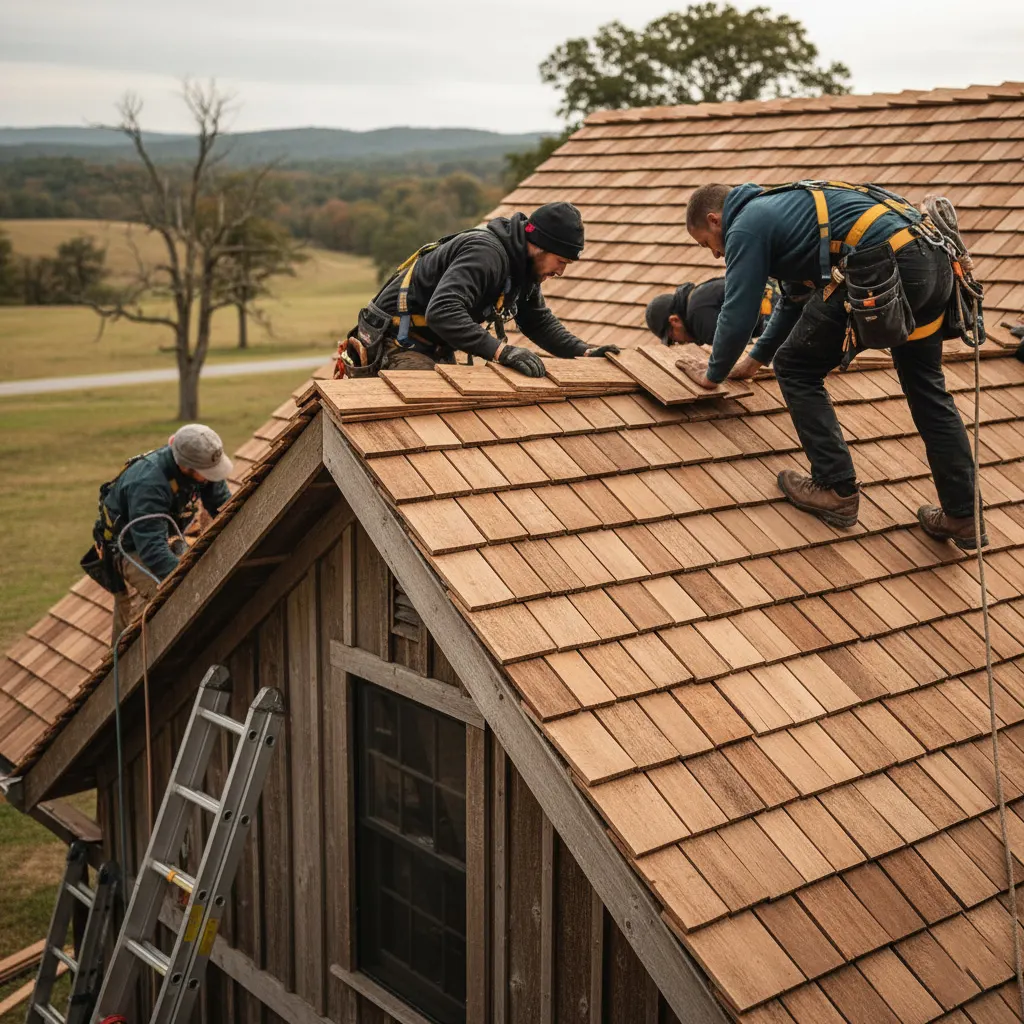
A legitimate roof inspection isn't a quick stroll around your lawn. It is a forensic investigation of your home's first line of defense against the Pioneer Valley elements.
A real pro starts from the bottom up, not the top down. They look for signs of structural stress that aren't visible from the driveway, checking for sagging roof planes, damaged soffits, and clogged gutters that act as ticking time bombs for your foundation.
When an expert performs a proper assessment, they look for these specific indicators:
- Granule Loss: Checking if the asphalt surface is balding or if granules are collecting in the downspouts.
- Flashing Integrity: Inspecting the metal seals around chimneys, skylights, and vents for rust or gaps.
- Pipe Boot Condition: Examining the rubber gaskets around plumbing stacks, which are often the first point of failure for leaks.
- Fastener Performance: Looking for popped nails or loose shingles that could become projectiles during a heavy Massachusetts storm.
The best contractors don't just eyeball your roof; they document it. You should expect high-resolution photos or video footage showing exactly where the damage exists and, more importantly, why it matters.
If your inspector can't point to a specific code violation or a clear path for water intrusion, keep your checkbook closed. True professionals provide you with an objective condition report that explains the health of your roof without forcing you into an immediate, expensive decision.
Red Flags: Identifying High-Pressure Sales Tactics in Springfield
When a roofer shows up at your door in Springfield, pay close attention to how they talk about your home. If they start by creating a sense of false urgency, keep your checkbook closed. High-pressure sales tactics are designed to trigger your fight-or-flight response so you act before thinking.
Watch out for these classic moves used by commission-based roofers in the Pioneer Valley:
- They demand you sign a contract on the spot to lock in a "special discount."
- They claim your roof is an immediate safety hazard that will collapse if not replaced this week.
- They refuse to provide a detailed, itemized report of what they actually found.
- They act as if they are doing you a massive favor by fitting you into their "busy schedule."
Legitimate roofing pros understand that a roof is a major investment. They will never bully you into a decision or threaten you with disaster. If someone is sweating you for a signature, they are looking for a commission check, not the long-term health of your home.
A true professional provides you with the facts and leaves, giving you the time to review your options. They might offer a follow-up call, but they won't treat your living room like a pressure cooker. If you feel uncomfortable, pressured, or ignored, trust your gut and show them the door.

Beyond the Shingles: The Hidden Attic and Ventilation Hazards
If your inspector keeps their feet planted firmly on the roof and never asks to see your attic, stop them immediately. A roof inspection that ignores the underside of your decking is like a doctor diagnosing a heart condition just by looking at your skin. Your attic is the true diagnostic center of your home’s structural health.
Poor ventilation is the silent killer of shingles in Springfield. If hot air and moisture get trapped beneath your roofline, they effectively cook your shingles from the inside out. You end up with brittle, curling edges that look like old age but are actually a symptom of neglected airflow.
What You Need to Check Inside:
- Black mold or water stains on the underside of the plywood sheathing.
- Rusted nail heads which indicate trapped condensation that is actively corroding your fasteners.
- Blocked soffit vents where insulation has been pushed too far, choking off the fresh air supply.
Most roofing sales guys skip this part because it is messy, hot, and doesn't lead to a quick sale. They want the exterior quote because that is where the big commissions live. An honest pro will spend the time to check your insulation levels and intake vents to ensure your roof can actually breathe through our volatile Massachusetts seasons.
When the attic is improperly vented, your roof is working against itself. You could spend thousands on premium architectural shingles, but if the heat has nowhere to go, they will fail long before the manufacturer's warranty expires. Do not let anyone give you a "solution" for your roof until they have confirmed the health of your attic space.
Local Springfield Weather Factors: How Pioneer Valley Winters Damage Your Roof
Living in the Pioneer Valley means your roof is constantly fighting a losing battle against Mother Nature. Between the humid summer heat and the brutal, ice-heavy winters, your shingles go through a cycle of expansion and contraction that destroys structural integrity.
Most homeowners don't realize that it is not just the snow weight that causes failure. It is the freeze-thaw cycle that acts like a slow-motion crowbar prying your roof apart.
Here is what happens to your home when the temperature swings in Springfield:
- Ice Dams: Melting snow refreezes at your gutters, forcing water to back up underneath your shingles and seep into your ceiling.
- Granule Loss: Thermal shock causes asphalt shingles to lose their protective granules, leaving the base material exposed to UV rays.
- Flashing Corrosion: Rapid shifts in temperature cause metal flashing around chimneys and vents to pull away, creating instant entry points for leaks.
You need an inspector who understands that Springfield weather is specific. A contractor from a different climate might miss the subtle signs of ice dam damage because they have never seen how a brutal February in Western Mass can wreck a roof deck.
If your inspector is not climbing into the attic to check for signs of moisture after a winter melt, they are simply guessing. A professional knows that the damage usually starts from the inside out, hidden far beneath the surface layer of your shingles.
Case Study: Saving a Forest Park Home from Unnecessary Replacement
Last spring, a homeowner in Forest Park called us after two different contractors told her the roof was finished. Both companies insisted that the curling edges and dark streaks meant she needed a full tear-off and replacement immediately.
They pushed a $14,000 estimate across the kitchen table before even checking the underside of the decking. It was a classic "scare tactic" move designed to get a signature before the homeowner could think twice.
When our team arrived, we didn't start by looking at shingles. We went straight to the attic to inspect the rafters and the intake vents.
Here is what we discovered during our assessment:
- The roof was only 12 years old, well within its functional lifespan.
- The attic was improperly insulated, trapping excessive heat that baked the shingles from the bottom up.
- The "curling" was simply thermal blistering caused by poor ventilation, not structural failure.
Instead of a massive replacement, we recommended a simple attic ventilation upgrade and a professional roof cleaning. We saved the homeowner over $12,000 by addressing the root cause rather than just the cosmetic symptoms.
Most roofing sales reps won't tell you this because they don't make their commission on attic fans. They want the big ticket item because it hits their monthly bonus targets.
Never take the first estimate at face value. If a contractor hasn't spent time in your attic, they aren't giving you an inspection; they are just guessing so they can get to their next sales call.
How to Vet a Roofing Contractor Before They Step Onto Your Property
Before you let anyone onto your roof, you need to play detective. A professional who respects your home will have no problem proving their credentials because they rely on their reputation, not high-pressure scripts.
Start by verifying the basics. A legitimate Springfield contractor should provide you with proof of a Massachusetts Construction Supervisor License and a current home improvement contractor registration number. If they hesitate to hand these over, show them the door immediately.
Check these specific markers to separate the pros from the predators:
- Insurance Coverage: Ask for a certificate of insurance. Make sure they carry both general liability and workers' compensation. If they don't, you are personally liable if someone gets hurt on your property.
- Local Presence: Avoid companies that pop up overnight after a storm. Look for a physical office in the Pioneer Valley. If you can’t find their shop on Google Maps, you won't be able to find them when a leak appears six months later.
- Specific References: Don't just ask for a list of satisfied customers. Ask for an address of a project they completed in your specific neighborhood at least two years ago. Drive by and look at the workmanship yourself.
Finally, trust your gut regarding the tone of their communication. If the "inspector" spends more time talking about financing options than your actual roof deck or ventilation, they aren't there to help you. A real expert will explain the why behind every recommendation, ensuring you understand exactly what you are paying for.
Final Words
Your roof is the primary defense for your Springfield home, not a bargaining chip for a sales quota. When you decide it is time to schedule a Roof Inspection, demand accountability and insist on documented evidence before agreeing to any major repairs.
If a contractor refuses to show you photos from the attic or tries to rush your decision, show them the door. Trust your gut and keep these red flags in mind to avoid being taken for a ride:
- They demand an immediate deposit before providing a written scope of work.
- The technician ignores the ventilation system and focuses only on surface-level aesthetic issues.
- They suggest a full roof replacement without offering a repair-first alternative.
Remember that a legitimate expert wants to educate you, not manipulate your fear. By taking the time to verify their process, you protect your bank account and secure the long-term integrity of your property against the unpredictable Pioneer Valley climate.
People Also Ask
How often should I get a roof inspection in Springfield, MA?
We recommend scheduling a professional inspection at least once every two years, or immediately following any severe storm. Given the harsh freeze-thaw cycles in the Pioneer Valley, catching minor issues early can prevent costly structural damage.Is a free roof inspection a sign of a scam?
Not necessarily, but you should remain cautious if a company offers a free inspection followed by high-pressure tactics to sign a contract immediately. Legitimate roofing contractors provide free inspections as a way to build trust and offer honest maintenance advice rather than pushing for an unnecessary full replacement.What specific weather damage should Springfield homeowners look for?
Homeowners should watch for ice dams caused by poor attic ventilation and shingle curling due to extreme temperature fluctuations. High winds common in Western Massachusetts can also lift shingles, leading to hidden water infiltration that requires a professional to detect.What is included in a professional roof inspection?
A comprehensive inspection covers far more than the shingles, including the chimney flashing, roof vents, and gutter health. A true professional will also enter your attic to check for moisture stains, mold growth, and light penetration that indicates compromised roof decking.Can I inspect my own roof to save money?
While you can perform a ground-level visual inspection using binoculars to look for missing shingles, it is never safe to climb on your roof. Professional inspectors have the training and safety equipment to identify structural integrity issues that are invisible to an untrained eye.Need Roofing Services?
We deliver fast roof installations and repairs across Springfield, MA and nearby areas (01103, 01104, 01105, 01108, 01109) to keep properties protected from weather damage.
Get Roofing Quote