


⚡ TL;DR: Regular roof maintenance is essential for Santa Rosa homeowners to protect their property from local weather impacts by addressing seasonal inspections, debris removal, and identifying early damage signs.
📋 What You’ll Learn
Protecting your Santa Rosa home starts with proactive care. In this article, you will learn the essential maintenance steps required to preserve your roofing system against our unique North Bay climate.
- Analyze local climate impacts by understanding how Santa Rosa’s specific microclimates and seasonal temperature swings directly affect your roofing materials, leading to faster wear and tear over time.
- Master seasonal inspection techniques so you can identify potential vulnerabilities, like loose shingles or flashing gaps, well before the heavy winter rains arrive in Sonoma County.
- Spot critical roof damage early by learning how to recognize common red flags like granule loss and curling shingles, helping you address minor issues before they become expensive.
- Prioritize debris removal tasks by clearing gutters and valleys to prevent water backup, rot, and structural damage, which are primary causes of premature roof failure for local homeowners.
- Determine when to call pros by knowing the distinct line between manageable DIY upkeep and the complex repairs that require the expertise of a licensed roofing professional.
📖 Reading time: 7 min
✍️ Author expertise: Local Santa Rosa roofing contractor with decades of hands-on experience protecting Sonoma County homes.
Most Santa Rosa homeowners wait until a ceiling stain appears or a drip hits their hardwood floor before they even think about their roof. By then, you are not just paying for a repair; you are paying for the water damage, the ruined drywall, and the premium for an emergency call.
Your roof is the only thing standing between your family and the unpredictable North Bay weather. Ignoring it for another season is a gamble that almost always ends with a heavy hit to your bank account.
The good news is that keeping your home dry does not require a massive investment. Here is how you can catch small problems before they turn into major structural headaches.

1. Understanding the Impact of Santa Rosa’s Microclimates on Your Roofing System
Santa Rosa is not a single weather zone. We live in a collection of microclimates where the coastal fog rolling in from the Pacific hits the heat trapped in the Sonoma Valley. This constant cycle of rapid temperature swings creates a stress test for your shingles that few homeowners truly understand.
When the sun hammers your roof during a hot afternoon and the cool marine layer drops the temperature at night, your roofing materials expand and contract. Over time, this thermal shock weakens the protective bonding agents on your shingles. It is the silent killer of roofing systems in our region.
To keep your home protected, you need to recognize how your specific neighborhood terrain plays a part:
- Valley Heat: Leads to faster asphalt degradation and brittle, cracked materials.
- Coastal Moisture: Encourages moss and algae growth, which eats away at the granules that keep your home waterproof.
- High Winds: Common in ridge-top areas, these gusts work to lift edges of shingles, inviting moisture underneath.
Ignoring these local realities is exactly why roofs in Santa Rosa often fail years before their manufacturer warranty expires. You are fighting a battle against the elements every single day, whether it looks like it is raining or not.
Seasonal Inspection Checklist: What to Look for Before the Rainy Season
Waiting for the first North Bay storm to test your roof is a massive mistake. When the sky turns gray over Santa Rosa, you want to be inside with a glass of wine, not scrambling to find a tarp while water leaks onto your carpet.
You should aim to complete your inspection at least once before the late autumn rains begin. Getting ahead of the curve is the difference between a simple, inexpensive fix and a total roof replacement.
The Pre-Rain Inspection Checklist
Grab a pair of binoculars and a flashlight. You don't necessarily need to climb up onto the roof if you don't feel comfortable, but you do need to be observant.
- Check for loose or missing shingles that may have been damaged by summer sun exposure.
- Look at your flashing around chimneys and vents to ensure the sealant hasn't cracked or pulled away.
- Inspect the attic for any signs of daylight peeking through the roof deck, which is a clear signal of a potential leak.
- Examine your downspouts to make sure they are not clogged with leaves or pine needles from nearby oaks.
Pay special attention to the areas where different roof planes meet, known as valleys. These spots collect the most water during our winter storms and are prime real estate for leaks to start.
If you see any dark streaks or fuzzy growth, that is a sign of algae or moss. While it looks minor, it can hold moisture against your roof surface and accelerate the deterioration of your shingles. Catching these small signals early turns a potential disaster into a quick, routine maintenance chore.
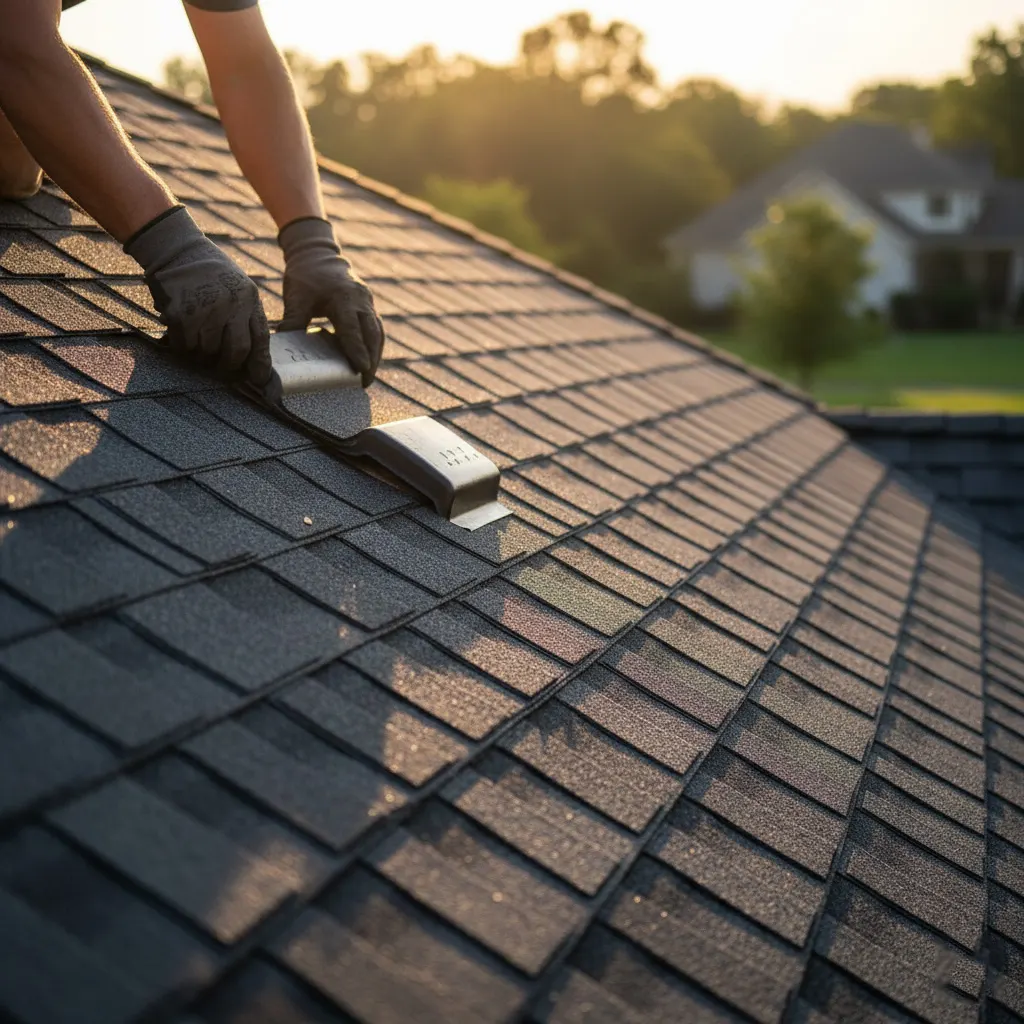
Identifying Common Red Flags: From Curled Shingles to Granule Loss
Your roof talks to you long before a leak starts dripping on your carpet. You just need to know how to listen to the signs of wear and tear.
Walk around your property and look up. If you spot these critical warning signs, your roof is begging for some attention:
- Curled or cupped shingles: When the edges of your shingles start to turn upward or look warped, they have lost their protective seal. This allows wind-driven rain to slide right underneath.
- Granule loss: Check your downspouts after a heavy storm. If you see a pile of gritty, sand-like material, your shingles are shedding their protective coating.
- Bald spots: If you see smooth, dark patches on your shingles where the protective granules have completely worn away, the asphalt core is exposed to the harsh North Bay sun.
Granule loss is particularly sneaky. These granules act like a shield against ultraviolet rays and fire, so when they vanish, your shingles become brittle and prone to cracking.
Don't ignore shingles that look like they are starting to shed or buckle. Once that top layer disappears, the waterproofing integrity of your entire system drops significantly.
If you notice cracked or missing shingles, address it immediately. A single missing shingle acts as an open door for moisture to penetrate your home's structure, turning a cheap repair into a full-blown roof replacement.
The Dangers of Debris: Why Clearing Your Gutters and Valleys is Vital
Think of your roof valleys and gutters as the primary drainage arteries of your home. When leaves, pine needles, and sticks accumulate in these spots, they act like a dam, forcing rainwater to back up underneath your shingles.
In our North Bay climate, this trapped water is a ticking time bomb. It creates localized rot that can compromise your roof deck long before you ever see a leak inside the house.
Keep these problem areas clear to ensure water flows exactly where it belongs: away from your structure. If you let debris linger, you are practically inviting moisture to eat through your roofing materials.
What to watch for during your cleanup:
- Dammed Valleys: Areas where two roof planes meet often trap sediment. Clear these manually to prevent "standing water" zones.
- Clogged Downspouts: If water overflows your gutters during a light sprinkle, your downspouts are likely blocked at the elbow.
- Roof Moss: Damp, rotting debris creates the perfect soil for moss to take root. Moss acts like a sponge, holding moisture against your shingles and accelerating premature decay.
Taking thirty minutes to sweep these areas saves you thousands in wood replacement costs. It is the easiest way to give your roof a fighting chance against the next storm.

Preserving Your Investment: A Case Study on Extending Roof Lifespan in Sonoma County
Consider a classic ranch-style home in the heart of Rincon Valley. The owners followed a strict preventative maintenance schedule for over fifteen years, ignoring the "set it and forget it" mentality that ruins most roofs in our region.
Because they focused on small, proactive repairs, they managed to squeeze an extra decade of life out of their original asphalt shingles. This wasn't luck; it was a disciplined approach to Sonoma County living.
Here is what their maintenance strategy looked like in action:
- They cleared localized moss buildup every spring to stop moisture from rotting the decking.
- They replaced individual cracked shingles the moment they were spotted during a walkthrough.
- They resealed flashing around the chimney every five years to block water from penetrating the attic.
By spending a few hundred dollars a year on simple, targeted fixes, they avoided a complete roof replacement that would have cost tens of thousands. They didn't just save money; they kept their equity intact and their home completely dry through record-breaking North Bay winters.
Most people wait for a leak before they act. This homeowner treated their roof like a high-performance engine that required regular tune-ups. It is the smartest financial move you can make for your property.
When to Call a Professional vs. DIY Maintenance: Knowing Your Limits
There is a fine line between a handy homeowner and a dangerous liability. While you can certainly handle basic tasks like clearing loose debris from a driveway or performing a ground-level visual scan, climbing onto a steep roof is a different beast.
One slip in Santa Rosa can turn a simple gutter cleaning into a life-altering accident. If you aren't comfortable on a ladder or don't own proper fall-protection gear, stay on the ground.
The DIY Zone
You can safely manage a few maintenance tasks if you have the right safety mindset. Focus your energy on these low-risk items:
- Checking your gutters for clogs from the safety of a sturdy ladder.
- Scanning the roof surface with binoculars to spot missing shingles or debris.
- Trimming back overhanging tree branches that scrape your shingles during wind storms.
- Inspecting your attic for light leaks or damp insulation after a heavy rain.
When to Call the Pros
Some jobs require an expert eye and industrial-grade tools. You should call in a roofing contractor immediately if you encounter any of these scenarios:
- You spot cracked or missing flashing around chimneys and vents, which are notoriously tricky to seal correctly.
- You see significant granule loss or structural sagging that indicates hidden rot.
- The roof pitch is too steep for you to walk on safely.
- You have multiple leaks that suggest a systemic failure rather than a single puncture.
Professional roofers possess the technical training to identify underlying issues you might miss. A quick repair now by a pro can save you thousands compared to waiting until the damage forces a full replacement.
7. Final Words: Staying Proactive for Long-Term Peace of Mind
Waiting for a catastrophe to strike is a strategy that only makes your local contractor richer while your wallet stays empty. You do not need to be a professional contractor to see the value in staying ahead of the curve.
Consistent Roof Maintenance is the difference between a minor seasonal checkup and a full roof replacement. Treat your home with respect, and it will keep you dry for decades.
If you want to sleep better during those heavy North Bay storms, keep these habits in mind:
- Walk the perimeter of your house twice a year to spot loose shingles or debris buildup.
- Never underestimate the power of a clear gutter to stop water from backing up under your eaves.
- Trust your gut when something looks off, even if you are not sure what the exact problem is.
Small actions taken today prevent the massive bills of tomorrow. Stay sharp, look up, and handle the small stuff now so you never have to deal with the big stuff later.
People Also Ask
How often should I have my roof inspected in Santa Rosa?
We recommend scheduling a professional roof inspection at least once a year, ideally in late summer or early autumn. This ensures your roof is prepared for Sonoma County's winter rains and identifies potential issues before they become costly leaks.Does the Santa Rosa climate cause specific damage to roofs?
Yes, the fluctuating temperatures between hot, dry summers and wet winters can cause roofing materials to expand and contract, leading to cracking or warping. Additionally, high winds and seasonal moisture can accelerate moss growth and granule loss if the roof is not properly maintained.Is it safe to DIY roof maintenance on my home?
While you can safely perform basic tasks like clearing debris from the ground with an extension tool, climbing onto the roof is dangerous and often voids manufacturer warranties. We suggest leaving structural inspections and repairs to licensed roofing professionals who have the proper safety equipment and training.What are the most common signs that my roof needs repair?
Look for curling or missing shingles, excessive granules in your gutters, and signs of water staining on your interior ceilings. If you notice sagging sections of your roof or daylight peeking through your attic boards, contact a professional immediately to prevent structural damage.How can I extend the lifespan of my roof in Sonoma County?
The best way to preserve your investment is to keep your roof clean of debris, trim overhanging tree branches that cause abrasion, and ensure your attic ventilation is functioning correctly. Regular preventative maintenance prevents small issues from evolving into major failures that require premature roof replacement.Need Roofing Services?
We provide rapid roof repairs and installations to protect homes across Santa Rosa and the surrounding North Bay communities. Our team restores your roof's integrity with efficient, professional service (95401, 95403, 95404, 95405, 95407).
Request Roofing Estimate