


⚡ TL;DR: This guide highlights seven frequent errors during roof replacement in Santa Rosa, providing homeowners with essential insights to ensure project quality and protect their property investment for years.
📋 What You’ll Learn
Replacing your roof is a significant investment that requires careful planning to survive our unique climate. Learn how to avoid common pitfalls that could compromise your home’s structural integrity and value.
- Select the right local contractor by understanding why choosing based solely on the lowest price often leads to hidden costs, poor craftsmanship, and serious long-term reliability issues.
- Ensure proper attic ventilation to protect your investment from Santa Rosa's heat fluctuations, preventing moisture buildup, premature shingle degradation, and expensive energy bills throughout the entire year.
- Demand a detailed scope of work so you can clearly define material expectations and prevent surprise charges, ensuring your project remains on track, within budget, and fully documented.
- Prioritize roof deck inspections to catch underlying wood rot or structural damage before your new materials are installed, which prevents costly failures that could compromise your roof’s warranty.
- Verify manufacturer warranty stipulations so you can guarantee that your chosen materials are installed correctly, preserving your protection against defects and maximizing the lifespan of your roof.
📖 Reading time: 7 min
✍️ Author expertise: Master roofer in Santa Rosa with two decades of local residential repair experience.
You wake up after a heavy Sonoma County storm to find a dripping ceiling and a growing puddle on your hardwood floor. Your stomach drops because you know that a patch job won't cut it this time, and a full roof replacement is standing between you and a dry home.
Most homeowners in Santa Rosa jump into this process with zero experience, trusting the first contractor who offers a low bid. That decision often leads to leaks, voided warranties, and thousands of dollars in repairs down the line.
Don't hand over your hard-earned money until you learn the seven common traps that drain your bank account and ruin your investment. Here is how you protect your roof, your home, and your wallet before the work even begins.

1. Choosing the Lowest Bidder Over Proven Local Expertise
When you see a quote that is significantly cheaper than the others, your first instinct is to save money. That is a trap.
In Santa Rosa, cut-rate contractors often survive by cutting corners that you cannot see until the next big storm hits. They might skip the high-quality underlayment or use a skeleton crew that rushes the installation to move on to the next job quickly.
Choosing a contractor based solely on price is a guaranteed recipe for disaster. You are not just paying for shingles; you are paying for the safety of your family and the integrity of your home structure.
Consider the real risks of hiring the bargain basement bidder:
- Hidden costs that get added once they have already torn your old roof off.
- Lack of local licensing and insurance, leaving you liable for accidents on your property.
- Poor craftsmanship that fails to meet current California building codes.
- No physical office or local reputation to hold them accountable when leaks emerge six months later.
Proven local expertise matters because a contractor who has operated in Sonoma County for years knows the specific challenges of our microclimates. They have a reputation to protect, and they cannot afford to vanish after a bad installation.
Do your homework before you sign. A cheap roof is rarely a bargain; it is usually an expensive mistake you will have to pay for twice.
Ignoring Proper Attic Ventilation and Santa Rosa’s Specific Climate
Santa Rosa weather is a fickle beast. We go from scorching, bone-dry summer afternoons to damp, chilly winter nights, and your roof has to take the brunt of that thermal stress.
Many contractors ignore the attic ventilation system entirely during a replacement. They treat the roof as a solid shell, forgetting that without proper airflow, your home becomes a pressure cooker for moisture and trapped heat.
When your attic can't breathe, you aren't just shortening the life of your shingles. You are inviting a silent disaster inside your walls. Consider what happens when ventilation is neglected:
- Trapped heat causes your shingles to bake from the underside, leading to premature curling and cracking.
- Excess humidity creates the perfect breeding ground for toxic mold and mildew in your insulation.
- During our rainy season, condensation builds up on rafters, often mistaken for a roof leak.
If your roofer tries to sell you on a high-end material but doesn't mention intake or exhaust vents, run the other way. A roof that is sealed too tight is just as bad as one with a hole in it.
You need a balance of soffit vents and ridge caps calibrated to our specific regional building codes. It is the cheapest insurance policy you will ever buy to prevent your plywood decking from turning into mush.
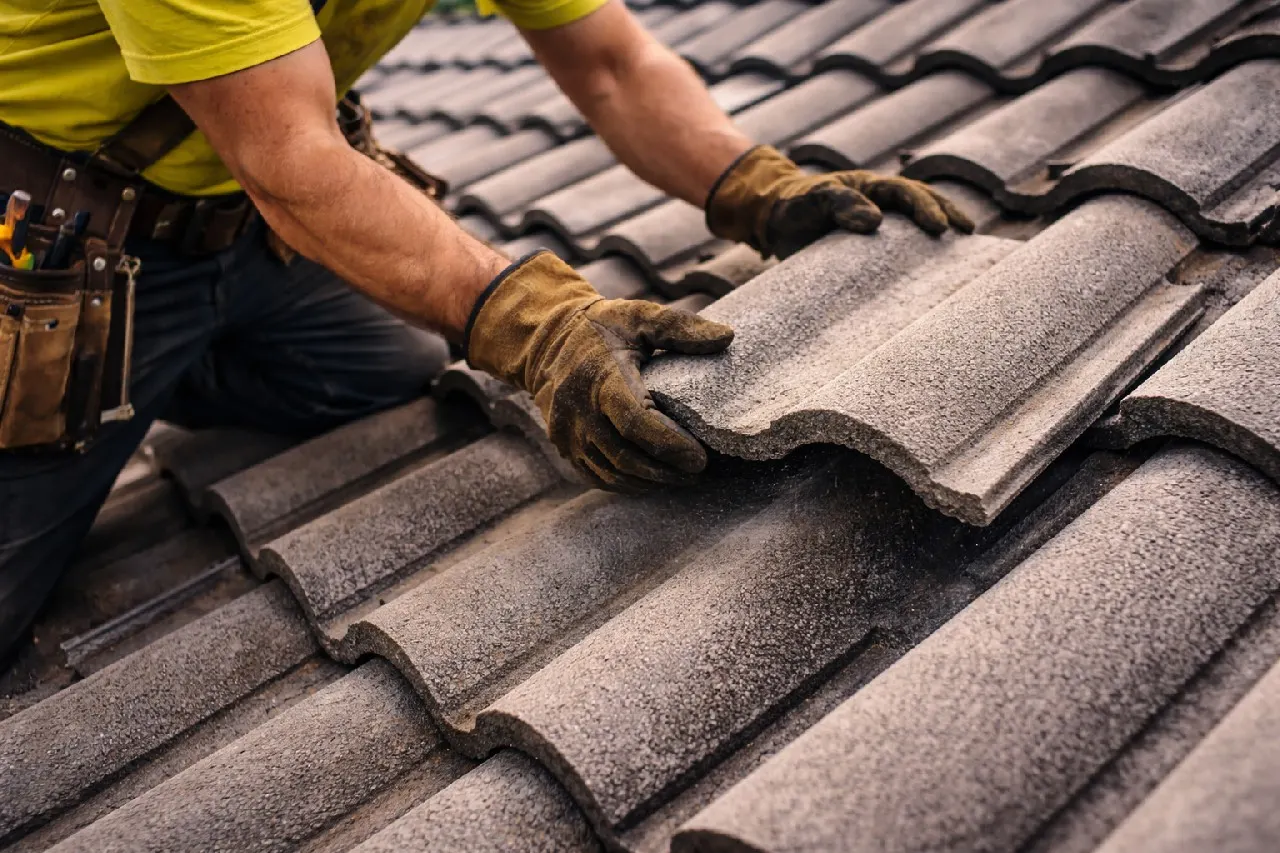
Failing to Require a Detailed, Written Scope of Work
Most roofing disasters start with a verbal agreement and a handshake. When you rely on a vague promise like "replace the roof," you are leaving the door wide open for cost-cutting shortcuts that you won't see until the first major Santa Rosa rainstorm.
A professional contractor provides a document that spells out exactly what they will do and, more importantly, what they won't. If the contract doesn't explicitly state the materials, labor steps, and site cleanup, you have no legal ground to stand on when corners are cut.
Before you sign a single document, demand a written scope of work that includes these specific line items:
- The exact brand, style, and color of the shingles or roofing material being installed.
- The number of layers of underlayment and the specific type of leak barrier for valleys and eaves.
- A detailed plan for flashing replacement, especially around chimneys, skylights, and roof-to-wall transitions.
- Who is responsible for the removal and disposal of the old roofing materials.
- How the crew will handle property protection, such as covering your landscaping and cleaning up stray nails.
If your contractor is hesitant to put these details in writing, walk away immediately. A reputable roofer understands that a clear contract protects both parties and ensures that your home is not treated like a generic job site.
You should never pay for mystery work. Your roof is your home’s primary defense against the elements, so treat the contract like the financial and structural blueprint it actually is.
4. Overlooking Roof Deck Inspections and Rot Repair
Think of your roof deck as the skeleton of your home. If that wooden base is crumbling, rotten, or structurally unsound, no amount of high-end shingles will stop your roof from failing prematurely.
Many contractors skip this step to save time, slapping new roofing material directly over compromised wood. This is a dangerous shortcut that leads to sagging sections, soft spots, and a roof that simply cannot support the weight of a modern system.
Before any new layer is installed, your contractor must perform a thorough inspection of the sheathing. You need to look for these specific red flags during the teardown phase:
- Dark, discolored patches on the underside of the plywood indicating water seepage.
- Soft or spongey areas that move when walked upon.
- Obvious signs of termite damage or insect infestation.
- Delamination where the wood layers have started to peel apart due to moisture exposure.
If you ignore these issues, you are essentially building your house on a foundation of sand. You must insist that any damaged plywood is replaced immediately with new, moisture-resistant decking.
Spending a few hundred dollars now to replace bad wood saves you thousands in future labor costs. Never let a crew hide rot underneath a brand-new, expensive roof.
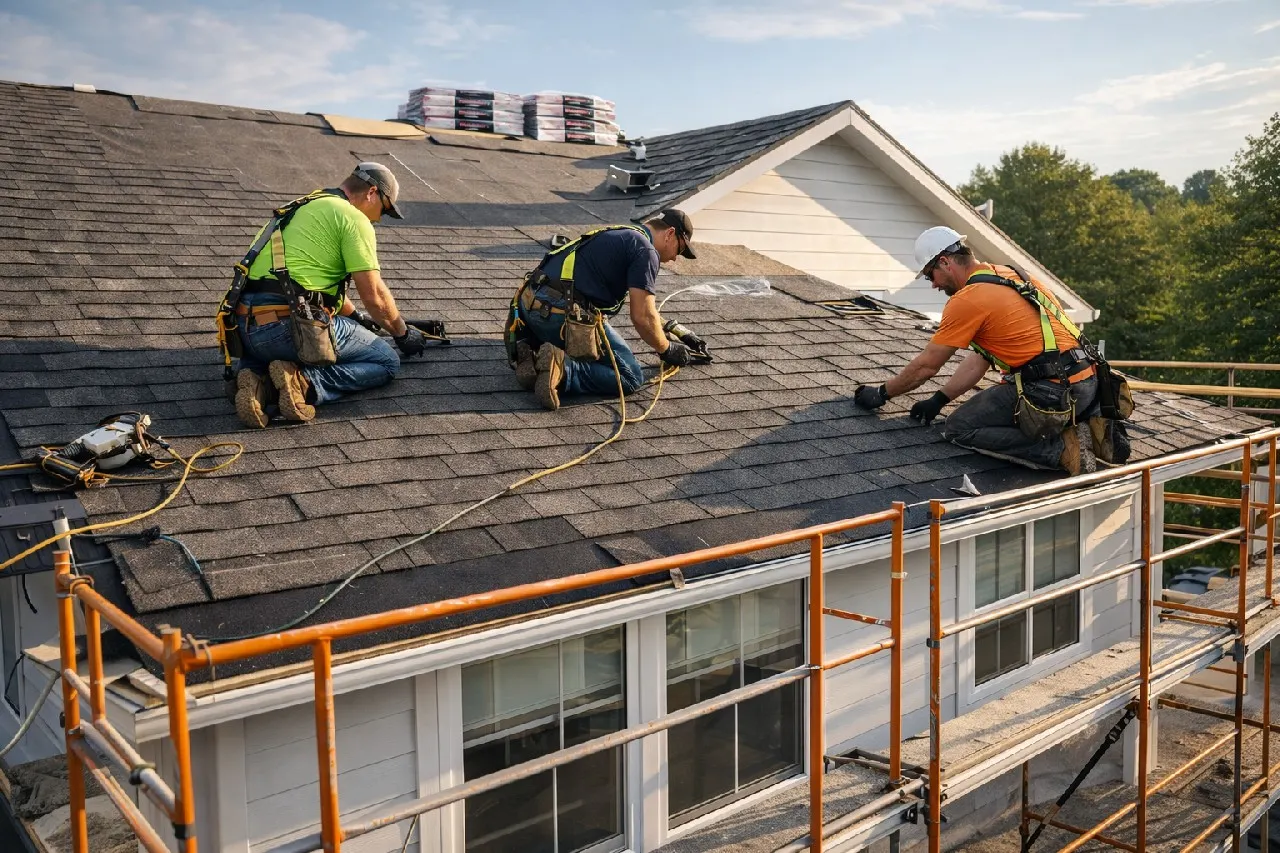
5. A Lesson in Precision: Lessons Learned from a Recent Santa Rosa Roof Failure
I recently walked a site in the Rincon Valley where a homeowner thought they saved five thousand dollars by hiring a "guy with a truck." Less than two years later, that decision cost them double the initial price of a proper install. The failure wasn't just poor luck; it was a total breakdown in execution.
The contractor skipped the critical step of installing a proper drip edge, allowing rainwater to soak the fascia boards. This led to rotting wood that turned a simple roof replacement into an emergency structural repair. You cannot cut corners on the details in Santa Rosa, where our weather shifts from dry heat to intense winter soakings.
Here are the three specific errors we identified that caused this total failure:
- Missing starter shingles: Without these at the eaves, wind-driven rain pushed straight under the roof tiles.
- Improper fastener placement: The installers used too few nails, causing the shingles to slide and buckle during the first high-wind event.
- Ignoring valley flashing: They used cheap sealant instead of metal flashing, which cracked as soon as the sun hit it.
Precision is not an option; it is a requirement. When you look at your quote, if the contractor isn't talking about flashing, underlayment types, or fastener schedules, they are already setting you up for failure. Don't let your home become a cautionary tale for the neighborhood.
6. Neglecting Material Quality and Manufacturer Warranty Stipulations
Cheap materials are the fastest way to turn a brand-new roof into a liability. Many homeowners fall for the bait-and-switch tactics where a contractor quotes a premium brand but installs generic, low-grade shingles that cannot handle the intense UV exposure we get in Sonoma County.
You aren't just buying shingles; you are buying an engineered system. If you mix and match components from different brands, the manufacturer will void your warranty the moment you file a claim.
The Hidden Cost of Warranty Traps
Most roofing warranties are strictly conditional. If your contractor cuts corners on the underlayment, starter strips, or ventilation, the manufacturer won't cover a single penny when the shingles start curling or peeling prematurely.
- Ensure every component, including the flashing and ice-and-water shields, matches the shingle brand.
- Verify that your contractor is certified by the manufacturer to install the specific system you choose.
- Never accept a verbal promise regarding a warranty. Demand the physical warranty registration document sent directly to you by the manufacturer.
If the contractor suggests using "compatible" off-brand materials to save a few bucks, run the other way. You are effectively paying for a roof that is destined to fail long before its time, leaving you without any legal or financial recourse.
7. Final Words: Ensuring Your Long-Term Protection
A new roof is not just a collection of shingles; it is a complex system designed to shield your family from Sonoma County's unpredictable weather. When you invest in a Roof Replacement, you are paying for peace of mind, not just labor and materials.
Your protection starts long before the crew climbs onto your property. It begins with asking the right questions and demanding total transparency from your contractor.
Three Pillars of a Secure Roofing Investment
- Demand documentation: Never settle for a verbal promise when a written agreement is what holds a contractor accountable.
- Verify local credentials: Ensure your roofer carries active California state licensing and comprehensive liability insurance specifically for residential work.
- Prioritize the manufacturer: Opt for high-quality, name-brand materials backed by a solid warranty that the contractor is certified to install.
Do not let your guard down simply because a proposal looks professional on paper. Hold your contractor to the highest standard of quality and craftsmanship throughout every phase of the project.
Your home is likely your biggest financial asset, and the roof is its first line of defense against the elements. Taking the time to get the job done right today will save you from the headache of costly emergency repairs tomorrow.
People Also Ask
How much does a full roof replacement cost in Santa Rosa?
The cost of a roof replacement in Santa Rosa typically ranges from 12,000 to 30,000 dollars depending on the square footage and materials chosen. It is essential to get a professional inspection, as variables like local permit fees and structural repairs can significantly influence the final price.Does my Santa Rosa roof need special ventilation?
Yes, proper attic ventilation is critical in Santa Rosa to prevent moisture buildup and heat damage during our warm summers. Without it, shingles can prematurely curl or crack, and you may face expensive mold issues within your home structure.What should I look for in a local roofing contractor?
Look for a contractor with a proven track record in Sonoma County who provides a detailed, written scope of work and carries valid California state licensing. Ensure they have local references and a clear understanding of the specific building codes required for our region.Is it necessary to replace the roof deck during a reroof?
If the wood decking shows signs of rot, water damage, or structural sagging, it must be replaced to ensure the longevity of your new roofing system. Skipping this inspection can lead to a failed roof installation that voids your manufacturer warranty.How do I verify the manufacturer warranty on my new roof?
To maintain your warranty, you must use a certified installer and strictly follow all manufacturer installation stipulations, such as using matching underlayment and ventilation products. Always request the warranty paperwork directly from the manufacturer upon completion of the project to ensure you are fully covered.Need Roofing Services?
We provide rapid roof repairs and installations to protect homes across Santa Rosa and the surrounding North Bay communities. Our team restores your roof's integrity with efficient, professional service (95401, 95403, 95404, 95405, 95407).
Request Roofing Estimate