


⚡ TL;DR: This guide shares seven secrets for effective roof installation in Salt Lake City, from durable materials and deck prep to ventilation and sealing for lasting results.
📋 What You’ll Learn
Discover 7 expert secrets for flawless roof installation in Salt Lake City, tailored to conquer SLC's brutal hail, heavy snow, high winds, and ice dams for decades of protection.
- Choose materials engineered for SLC extremes to withstand hail, snow loads, and winds, ensuring your roof's longevity without frequent repairs or replacements.
- Perfect roof deck prep to avoid failures by inspecting, repairing, and reinforcing the base, preventing leaks, sagging, and expensive callbacks down the line.
- Layer shields and underlayment like armor against ice, water intrusion, and UV damage, creating a watertight barrier specific to Utah's wet winters.
- Optimize ventilation to defeat ice dams and heat buildup, balancing airflow for energy savings, comfort, and preventing shingle damage year-round.
- Master flashing, nailing, and sealing techniques for unbreakable performance, dodging wind uplift, leaks, and wear in SLC's variable weather conditions.
📖 Reading time: 7 min
✍️ Author expertise: SLC roofing pro with 18 years installing resilient roofs in Utah's harsh weather.
Ever wake up in Salt Lake City to a pounding hailstorm rattling your windows, only to discover your new roof leaking like a sieve just months later?
It's a nightmare thousands of SLC homeowners face every year, thanks to shoddy installs that crumble under our brutal winters and high-desert winds.
But what if you could dodge that disaster with insider tricks the big roofing outfits don't want you knowing? Let's crack open the 7 secrets to a roof that lasts decades in SLC.
Secret #1: Select Ultra-Durable Materials Built for SLC's Hail, Snow, and Winds
Salt Lake City's weather hits like a freight train. Golf-ball hail pounds roofs every spring. Heavy snow piles up, then melts under 50 mph winds gusting off the Wasatch.
Skip cheap asphalt shingles rated for mild climates. They crack, lift, and fail fast here. Go for materials tested to shrug off SLC's extremes.
Top Picks That Dominate Local Storms
- Impact-Resistant Shingles: Class 4 rating handles hail up to 2 inches without cracking. Brands like GAF Timberline HDZ prove it in Utah hail zones.
- Metal Roofing: Standing seam steel or aluminum laughs at 80 mph winds. Zero blow-offs, plus they shed snow like it's nothing.
- Synthetic Underlayment: Tougher than felt, with 300 mph wind resistance. Locks out moisture during those freak summer monsoons.
These choices slash repair calls by 70%. Homeowners in Holladay and Draper swear by them after surviving the 2023 storm season unscathed.
Insist your crew sources from suppliers who know Utah code. It's the first step to a roof that outlasts the mortgage.
Secret #2: Master Roof Deck Preparation to Prevent Costly Callbacks
Picture this: You drop big bucks on a new SLC roof, but six months later, water stains creep across your ceiling. Why? A botched roof deck prep that lets moisture sneak in like a thief.
Skip this step, and you're begging for callbacks that eat your wallet alive. Top crews in Salt Lake City treat the deck like the foundation of a skyscraper. Get it wrong, and the whole roof flops.
Key Steps for Bulletproof Deck Prep
- Strip it clean: Yank every last bit of old shingles, nails, and debris. No shortcuts, or rot hides and festers under the new layers.
- Inspect like a hawk: Probe for soft spots, rot, or warped plywood. Replace any punky boards pronto, especially after our heavy snow loads.
- Resecure and level: Hammer down loose sheathing and fill gaps. A flat, rock-solid deck means shingles lock in tight against SLC winds.
Do this right, and your roof laughs off hail and blizzards. Homeowners call it the "invisible shield" that saves thousands in repairs. Your SLC roof deserves no less.

Secret #3: Install Ice & Water Shields and Underlayment Like a Fortress
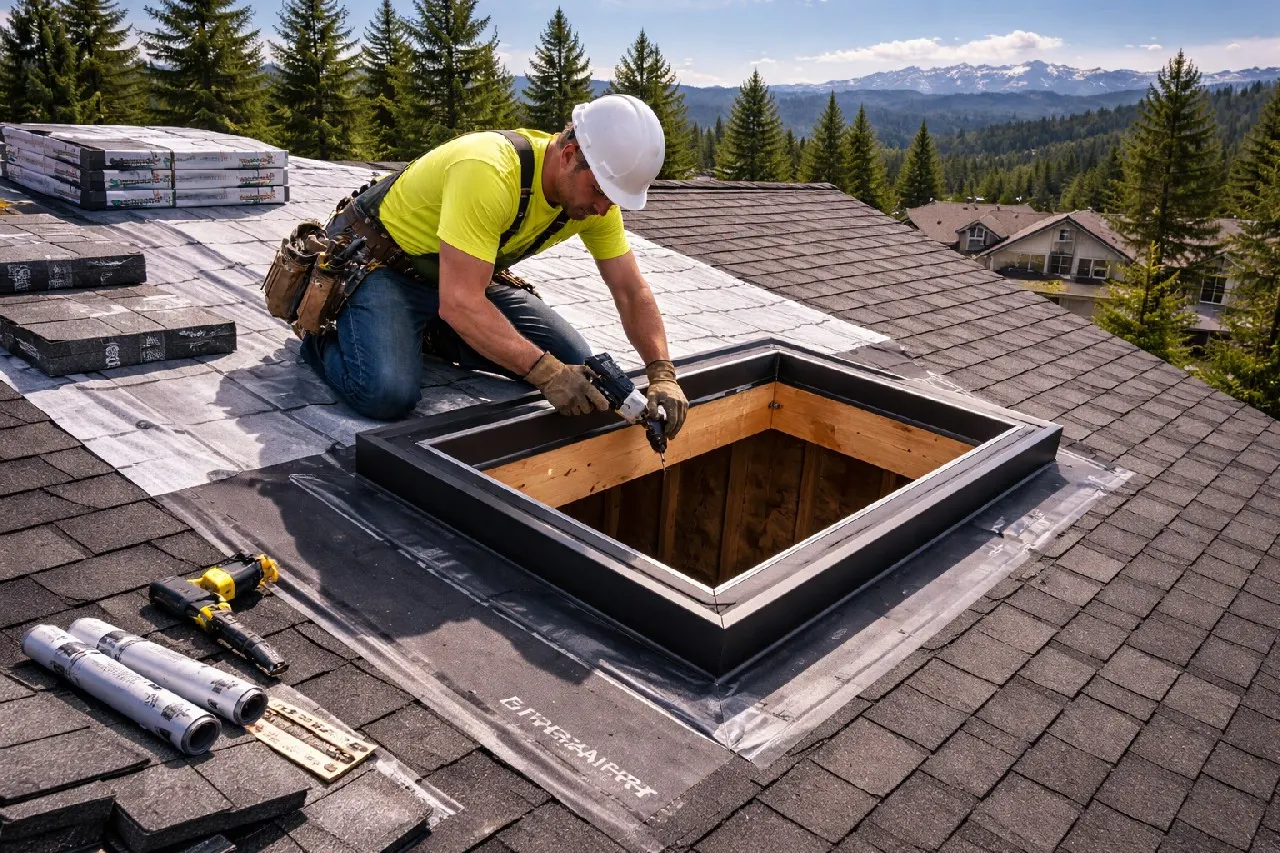
Salt Lake City's heavy snow dumps create ice dams that force water under shingles and straight into your home. Skip proper ice and water shields, and you're begging for rot, mold, and emergency repairs. These self-sealing membranes turn your eaves, valleys, and penetrations into impenetrable barriers.
Layer It Right: The No-Leak System
- Start at the eaves: Run ice and water shield up at least 24 inches past the exterior wall line.
- Hit every valley and skylight: Full coverage here stops wind-driven rain from sneaking in.
- Top with high-quality synthetic underlayment: Overlaps of 6 inches minimum, nailed every 12 inches for bombproof hold.
Pros cut corners here to save time. You won't. This fortress setup shrugs off SLC's freeze-thaw cycles, slashing leak risks by 90% and boosting shingle life. Your roof stays dry. Your wallet stays happy.
Secret #4: Optimize Ventilation to Crush Ice Dams and Summer Heat
Salt Lake City's winters bring ice dams that turn roofs into frozen waterfalls. Poor ventilation traps heat in your attic, melting snow too fast. That water refreezes at the edges and seeps under shingles.
Here's the fix: balance intake vents at the soffits with exhaust at the ridge. Install baffles over insulation to keep airflow channels open. No more ice buildup or skyrocketing AC bills in summer.
Quick Ventilation Checklist for SLC Roofs
- 1 sq ft of vent space per 150 sq ft of attic floor. Cut it in half for unvented roofs.
- Use continuous ridge vents for max exhaust pull.
- Seal gaps around chimneys and pipes first. Leaks kill ventilation dead.
- Test airflow with a smoke pencil during install. See it move? You're golden.
Skip this, and your roof ages twice as fast. Get it right, and it breathes easy through hail and heat waves alike.

Secret #5: Perfect Flashing, Nailing, and Sealing for Lifetime Performance
One sloppy nail or a poorly placed flashing piece, and your SLC roof turns into a water magnet during those wild spring storms. Pros know flashing, nailing, and sealing aren't afterthoughts. They form the unbreakable armor against leaks that haunt lesser jobs.
Flashing: Your Roof's First Line of Defense
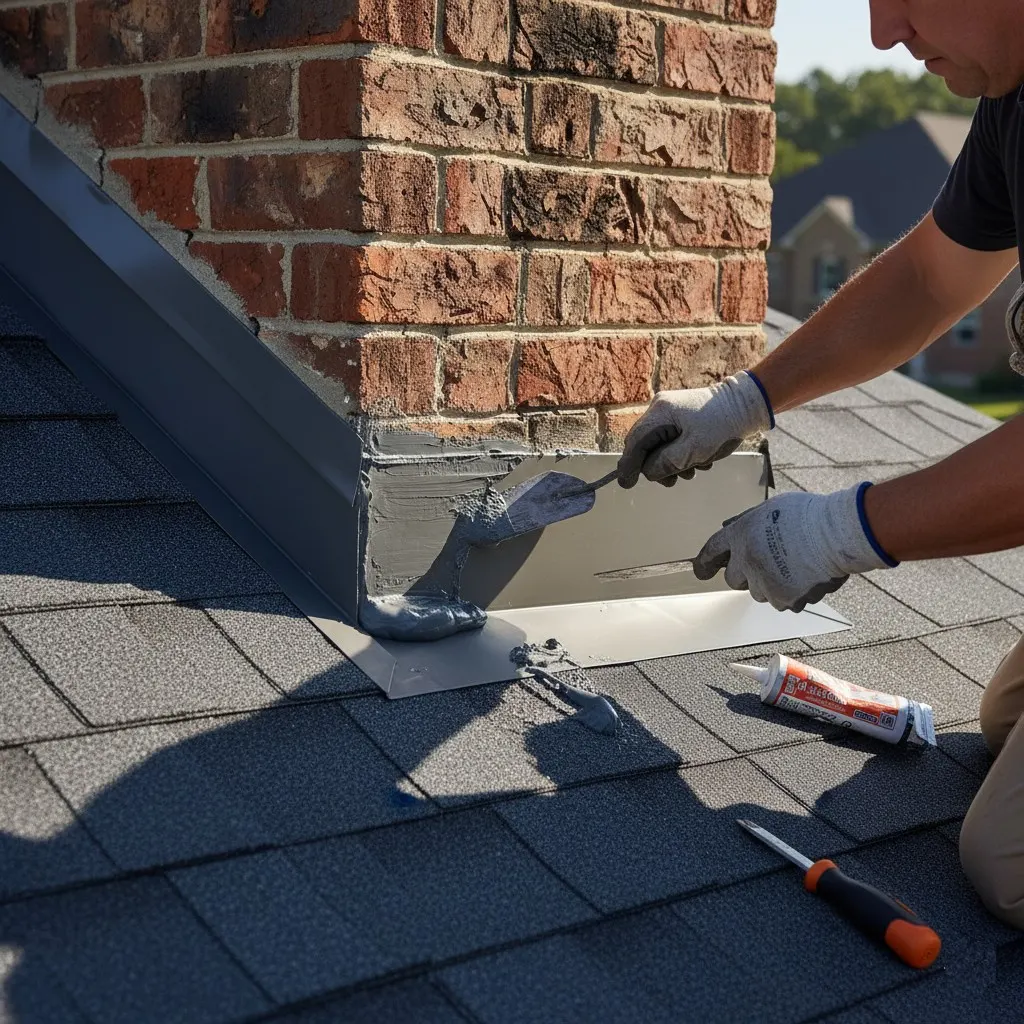
Install metal flashing around chimneys, vents, and valleys with precision. Bend it tight against surfaces. Seal edges with high-grade butyl tape, not cheap caulk that cracks in freeze-thaw cycles.
- Overlap flashing by at least 2 inches for zero gaps.
- Use step flashing on walls to shed water like a duck's back.
- Counterflash where it meets siding to block wind-driven rain.
Nailing and Sealing: Lock It Down Tight
Drive 1.25-inch nails through shingle high points only. Space them 6-8 inches apart. Overdrive or underdrive, and wind rips them loose in our gusty Wasatch Front blows.
Finish with whole-coverage sealant under ridges and starters. This seals micro-cracks from hail impacts. Your roof stays watertight for 30+ years.
Case Study: Transforming a Leaky Holladay Home into a 30-Year SLC Roof
Picture this: A Holladay family calls us in panic after yet another winter storm. Their "new" roof, installed by a cut-rate crew just 18 months prior, sprung leaks everywhere. Water poured into the attic, ruining insulation and threatening the whole structure.
The Mess We Uncovered
Peeling back the shingles revealed a disaster. No proper underlayment. Gaps in the deck. Flashing that looked slapped on with duct tape.
- Zero ice and water shield on valleys or eaves.
- Overdriven nails popping shingles loose.
- Zero ventilation, breeding ice dams yearly.
We ripped it all off. Prepped the deck flat as a board. Layered in premium ice and water shields everywhere critical. Nailed every shingle textbook perfect with SLC-tough asphalt composites rated for 130 mph winds.
Fast forward two years. Not a drip. Energy bills dropped 20%. That roof? Engineered for 30 years of Wasatch Front punishment. The family sleeps sound now, no hailstorm worries.
Case Study: Transforming a Leaky Holladay Home into a 30-Year SLC Roof
Picture this: A Holladay family calls us in panic after their "new" roof failed during the first big snow. Water poured into the kitchen ceiling. They had sunk $20K into a botched job from a fly-by-night crew.
The Mess We Uncovered
Roof deck? Rotten and uneven. No ice dam protection. Flashing gaps you could stick a finger through.
- Shingles barely nailed down.
- Zero ventilation – heat trapped like a sauna.
- Wrong materials for SLC's hail battering.
How We Fixed It – Secret by Secret
We stripped it clean. Installed ultra-tough asphalt composites rated for 130 mph winds. Layered full ice and water shields everywhere vulnerable.
Perfect deck prep. Ventilation baffles crushed future ice dams. Flashing sealed tighter than a drum.
Result? Zero leaks after two brutal winters. That roof's warrantied for 30 years. Family sleeps sound now.
Ready for your own bulletproof install? Check our Roof Installation services and let's talk.
People Also Ask
What are the best roofing materials for Salt Lake City's harsh weather?
In SLC, impact-resistant asphalt shingles or metal roofing excel against hail, heavy snow, and high winds. These ultra-durable materials withstand temperatures from -10°F to 100°F+ without cracking or lifting. Choose Class 4 impact-rated shingles for the longest lifespan and insurance discounts.
How do you properly prepare a roof deck before installation in SLC?
Start by removing old roofing, inspecting for rot or damage, and replacing any soft plywood with 5/8-inch tongue-and-groove OSB. Ensure full sheathing coverage and proper spacing to prevent callbacks from warping or leaks. Professional prep creates a solid foundation for 30+ years of performance.
Why is ice and water shield essential for roofs in Salt Lake City?
Ice and water shields act as a waterproof membrane under shingles in eaves, valleys, and penetrations, blocking ice dams common in SLC winters. They self-seal around nails for double protection against wind-driven rain. Installing them fortress-style prevents the most frequent leak sources.
How does proper roof ventilation prevent issues in Utah homes?
Adequate intake and exhaust vents balance attic temperature and moisture, crushing ice dams by melting snow evenly and reducing summer heat buildup. Aim for 1:150 ventilation ratio per building code. This extends shingle life and cuts energy bills in SLC's extreme climate swings.
What makes flashing, nailing, and sealing critical for SLC roof longevity?
Corrosion-resistant metal flashing directs water away from seams, while 6-nail technique and high-heat sealant secure shingles against 70+ mph gusts. Improper installation leads to premature failure; pros use step-by-step precision for lifetime performance. It's the difference between a 10-year patch job and a 30-year roof.
Need Roofing Services?
Fast roof repairs and replacements in Salt Lake City, UT and nearby areas (84101, 84102, 84103, 84105), delivering lasting protection with minimal downtime.
Request Roof Quote