


⚡ TL;DR: This guide explains how proper roof ventilation installation helps Pasadena homeowners manage local humidity, protect structural integrity, and ensure that attic airflow remains efficient throughout the entire year.
📋 What You’ll Learn
Protecting your Pasadena home from our intense coastal humidity requires a strategic approach to attic airflow. This guide covers everything you need to know about professional roof ventilation and moisture control.
- Master the science of airflow to understand how Pasadena’s unique humidity levels impact your attic insulation, structural wood integrity, and overall home energy efficiency during our long summers.
- Recognize critical warning signs that indicate your roof is lacking proper ventilation, such as premature shingle aging, interior mold growth, or unusually high monthly cooling utility bills.
- Evaluate ventilation system options by comparing intake and exhaust designs to determine which specific configurations best serve your home architecture and local Harris County climate conditions.
- Protect your valuable roof warranty by understanding why professional installation is superior to DIY methods for maintaining structural integrity and meeting strict manufacturer safety requirements locally.
📖 Reading time: 8 min
✍️ Author expertise: Master roofer with two decades of experience installing ventilation systems across Pasadena homes.
If your attic feels like a blast furnace the moment the Pasadena sun hits your roof, you are paying a massive premium for your electric bill. Most homeowners think their shingles are the problem, but the real culprit is usually trapped heat cooking your home from the top down.
When your roof cannot breathe, that sweltering air has nowhere to go, which eventually rots your decking and curls your shingles years before their time. It is a silent profit killer for your wallet and a direct hit to your home’s structural integrity.
I have spent years fixing moisture issues and heat spikes across Harris County, and the fix is rarely as complicated as a total roof replacement. Let us break down exactly how proper attic airflow works and why it is the most aggressive move you can make to protect your investment.

The Science of Airflow: How Pasadena’s Humidity Impacts Your Attic
Living in Pasadena means dealing with a brutal one-two punch: scorching Texas heat and suffocating Gulf Coast humidity. When your roof lacks ventilation, your attic acts like a pressure cooker, trapping stagnant, moisture-heavy air right above your living space.
This trapped air does not just sit there; it creates a micro-climate that wreaks havoc on your home. During the day, temperatures in an unvented attic can soar past 150 degrees, forcing your air conditioner to work double-time to fight the heat radiating through your ceiling.
At night, as the temperature drops, that moisture-rich air condenses on your rafters and decking. This is how you end up with hidden rot and mold growth, even if you never see a single drop of rain leak inside.
Why Passive Airflow is Your Best Defense
To combat this, you need a balanced intake and exhaust system that cycles air continuously. Think of it like breathing; if you only inhale, you eventually suffocate. Your home needs the same constant exchange to keep the structure dry and cool.
A proper system relies on two simple principles:
- Cool air intake: Fresh, drier air enters through soffit vents located at the eaves of your roof.
- Hot air exhaust: As the air warms up, it naturally rises and exits through ridge or gable vents, pulling the moisture out with it.
When this cycle is interrupted by blocked vents or poor design, the structural integrity of your home’s skeletal frame begins to degrade. By keeping the air moving, you effectively turn your attic from a destructive oven into a ventilated space that protects your shingles from curling and your wood from rotting.
Identifying the Warning Signs: When Your Home Is Gasping for Air
Your attic is not supposed to be a sauna. If you are noticing strange things happening inside your house, your roof ventilation is likely screaming for help. You do not need to be a contractor to spot these red flags, but you do need to act fast before the damage spreads to your ceiling joists or drywall.
Watch for these common symptoms that your attic is suffocating:
- High Energy Bills: Your HVAC system is running constantly because it is fighting against the trapped heat in your attic.
- Premature Shingle Wear: If your shingles look wavy, curled, or cracked, the heat from below is literally cooking them from the inside out.
- Musty Odors: A damp, mildew-like smell drifting through your upstairs rooms is a primary indicator of trapped moisture.
- Frost or Condensation: During cooler Harris County nights, check for water droplets on the underside of your roof sheathing.
If you see dark spots on your ceiling or mold growth near your roof vents, the situation has already escalated. Ignoring these warning signs is the fastest way to turn a simple vent repair into a costly structural overhaul. Your home is trying to tell you something; if it feels stiflingly hot or smells damp, your current ventilation system has already checked out.

Evaluating Intake vs. Exhaust Ventilation Options: A Comparative Table
To get your home breathing right, you need to understand the two sides of the same coin: intake and exhaust. Intake vents pull fresh, cooler air from the soffits, while exhaust vents allow that hot, humid air to escape through the ridge or roof deck.
| Vent Type | Location | Function |
|---|---|---|
| Soffit Vents | Under Eaves | Provides cool air intake |
| Ridge Vents | Peak of Roof | Allows hot air escape |
| Static Vents | Roof Slope | Passive air movement |
| Power Vents | Roof Slope | Active, fan driven exhaust |
If you only install exhaust without proper intake, your roof essentially gets choked. It creates a vacuum effect that pulls conditioned air from inside your living space, which actually spikes your power bills instead of lowering them.
For a Pasadena home, the goal is balanced ventilation. You want an equal ratio of air coming in as you have going out. Without this balance, your attic remains a stagnant pool of humidity, which is exactly how mold begins to take root in your rafters.
Key Factors for Choosing Your System
- Climate compatibility: Our high Texas humidity demands consistent, passive airflow rather than relying solely on mechanical fans.
- Roof pitch: Steeper roofs often require more aggressive venting to move air up and out effectively.
- Structural layout: Complex roof lines might prevent traditional ridge vents from doing the heavy lifting alone.
Most successful setups involve a continuous ridge vent paired with screened soffit vents. This combination works 24/7 without needing an electrical connection, making it the most reliable defense against the Pasadena heat.
Strategic Placement: Optimizing Vents for the Harris County Climate
Getting your vents in the right spot isn't just about punching holes in your roof; it is about creating a disciplined path for airflow. In Pasadena, we deal with intense, lingering heat and sudden moisture spikes. If you place your intake vents and exhaust vents incorrectly, you create dead spots where air just sits and cooks.
You need a balanced system that follows the path of least resistance. Cold air from the eaves should naturally push warm, moist air out through the peak or high-ridge vents. If your intake and exhaust aren't properly proportioned, the system chokes and stops working entirely.
Key Placement Rules for Pasadena Homes
- Place intake vents at the lowest point of the roof, ideally under the soffits, to pull in the coolest available air.
- Install exhaust vents as high as possible near the ridge to capitalize on the chimney effect where hot air naturally rises.
- Ensure you have a 50/50 split between intake and exhaust capacity to maintain steady pressure inside the attic.
- Avoid mixing different types of exhaust vents on the same roof slope, as this can cause air to short circuit and trap moisture in hidden corners.
Think of your attic like a lung. If the intake is blocked by thick insulation or debris, or if your exhaust vents are too close to the eaves, you aren't circulating anything. You are just wasting money on parts that fail to perform. Proper geometry ensures that the heavy, humid air of the Gulf Coast gets purged before it ever has a chance to turn into mold or condensation on your rafters.
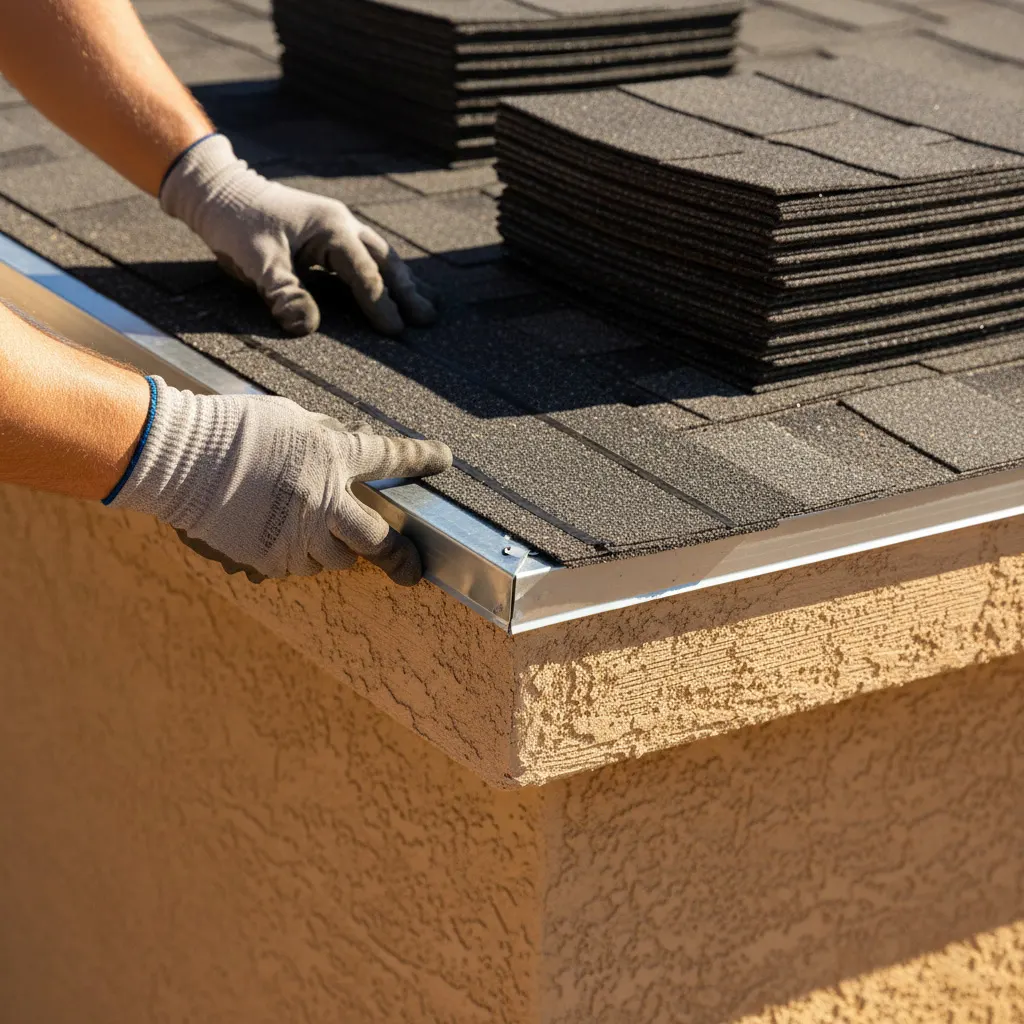
Case Study: Solving Persistent Moisture Damage in a Pasadena Suburban Home
Last summer, a homeowner in a classic Pasadena suburban neighborhood reached out with a strange problem. Every time they turned on the air conditioning, a musty odor drifted down from the ceiling, and they noticed dark, damp patches appearing on their bedroom drywall.
Upon inspecting the attic, the issue was clear. The original builder had installed a few intake vents at the eaves, but the exhaust system was practically non-existent. The moisture from the humid Harris County air was becoming trapped against the wooden rafters, creating a breeding ground for mold and soft spots in the plywood.
The Fix We Implemented
We didn't need a total roof overhaul to save this house. Instead, we focused on calculated ventilation balance to force that stagnant, wet air out and pull fresh, dry air through the intake gaps.
- Removed blocked soffit vents that had been painted over by previous owners.
- Installed a high-capacity continuous ridge vent to provide a direct escape route for hot air.
- Added baffles between the rafters to ensure the insulation wasn't blocking the critical airflow path.
Within two weeks, the musty smell vanished entirely. By simply balancing the intake and exhaust flow, we dropped the attic temperature by fifteen degrees and stopped the moisture buildup cold. It was a textbook example of how small, strategic changes save a roof from a premature death.
Professional Installation vs. DIY: Protecting Your Roof Warranty and Structural Integrity
I see it all the time; a homeowner buys a few ridge vents at the local hardware store and starts hacking away at their roof deck. They think they are saving a few bucks, but they are actually handing the roof manufacturer a golden ticket to void their warranty.
Roofing systems are engineered precisely. If you cut the wrong intake gap or install exhaust vents that clash with your existing airflow design, you create a death trap for your shingles. You might fix the heat, but you will almost certainly invite water intrusion during the next Gulf Coast storm.
The Hidden Costs of the DIY Route
Most folks forget that professional installers carry liability insurance for a reason. If you fall off a ladder or accidentally rip a hole in your decking that leads to a massive leak, you are paying out of pocket for the repairs.
Here is why calling in the pros is the smarter financial move:
- Warranty Protection: Most shingle manufacturers will refuse a claim if they detect improper ventilation work performed by an unlicensed hand.
- Precise Calculations: We calculate the Net Free Vent Area based on your specific attic square footage to ensure you meet code.
- Seamless Integration: We know how to flash vents correctly so they do not leak, which is a specialized skill that takes years to master.
- Code Compliance: Harris County building codes are specific. We ensure your project passes inspection so you do not run into trouble when it is time to sell your home.
Do not let a weekend project turn into a five figure repair bill. Your roof is the primary defense system for everything you own, so leave the heavy lifting to the crew that does this every single day.
Final Words
You have to realize that a roof is not just a collection of shingles and nails. It is a complex mechanical system that needs to breathe to survive the brutal Pasadena heat.
When you ignore your attic, you are essentially paying for your shingles to rot while your air conditioner works double time. It is a losing game for your bank account.
If you want to stop the heat soak, take a hard look at your current Roof Ventilation Installation. Fixing the airflow now prevents the catastrophic repair bills that homeowners in Harris County hate dealing with later.
The Immediate Payoff
Stop guessing if your attic is venting correctly. You need to verify that your system is balanced and sufficient for our local climate.
- Inspect your soffit vents for paint or debris clogs.
- Check if your ridge vent is actually open or just a decorative cap.
- Confirm that bathroom fans are exhausted outside, not into the attic space.
Do not wait for a warped roof deck or mold growth to force your hand. The smart move is to take control of your home climate today, before the next record-breaking Texas summer hits your roof with full force.
People Also Ask
How does humidity in Pasadena affect attic ventilation?
High humidity levels common in the Houston area can cause trapped moisture to condense on wooden roof decking. Proper ventilation cycles this damp air out to prevent mold growth and premature rot in your structural framing.What are the signs that my roof needs better ventilation?
Common indicators include ice damming in winter, premature shingle deterioration, and unusually high energy bills. If you notice a musty odor or visible mold in your attic space, your current system is likely insufficient.Do I really need professional installation for roof vents?
Expert installation is essential to ensure your roof remains watertight and protected against wind driven rain. Improperly sealed vents often void your manufacturer warranty, as explained by the National Roofing Contractors Association guidelines.How much does it cost to install new roof vents in Pasadena?
The total cost depends on the number of vents required and the type of system chosen for your specific roof design. A professional inspection is necessary to provide an accurate estimate based on the square footage of your attic.Which type of roof ventilation works best for Texas homes?
A balanced system using both intake vents at the soffits and exhaust vents near the peak is the most effective setup. This configuration allows natural convection to push hot, humid air out of your attic consistently throughout the year.Need Roofing Services?
We deliver roofing installations and repairs in Pasadena, TX and nearby areas (77501, 77502, 77503, 77504, 77505) to provide lasting structural protection through efficient project timelines.
Get Roof Quote