


⚡ TL;DR: This guide explores why smart Pasadena homeowners choose metal roof installation for better climate resilience and provides essential tips for selecting, installing, and maintaining a long lasting system.
📋 What You’ll Learn
Master the specialized techniques required for successful metal roof installation in Pasadena, TX. Learn why smart locals prioritize climate-specific strategies to ensure their homes remain protected against harsh Gulf Coast weather.
- Understand Gulf Coast climate demands by exploring how metal roofing handles intense heat and severe storms better than traditional asphalt shingles to keep your home cool and secure.
- Master critical ventilation and underlayment requirements that prevent dangerous heat buildup and moisture damage, ensuring your roof structure remains solid and mold-free for many decades to come.
- Compare standing seam versus fasteners to determine which metal profile offers the best aesthetic appeal and structural longevity for your specific home architecture and long-term financial goals.
- Follow professional storm-resilient installation steps by examining a real local project case study that highlights how precise craftsmanship protects Pasadena properties from unexpected high-wind weather events.
📖 Reading time: 7 min
✍️ Author expertise: Pasadena roofing specialist with twenty years of hands-on experience installing durable metal systems.
Pasadena weather doesn't play games, and neither should your roof. You’ve seen those shingle roofs shredded to pieces after a single Gulf Coast storm, leaving homeowners with nothing but a headache and a massive repair bill.
The smartest property owners in town stopped gambling with asphalt years ago. They switched to metal, and they did it in a way that makes their neighbors wonder why their own homes look like they belong in a disaster movie.
There is a specific set of rules these locals follow to ensure their metal roofs don't just survive the heat and wind, but actually pay for themselves over time. If you want to stop throwing money at temporary fixes, here is exactly how the pros are getting it done right.
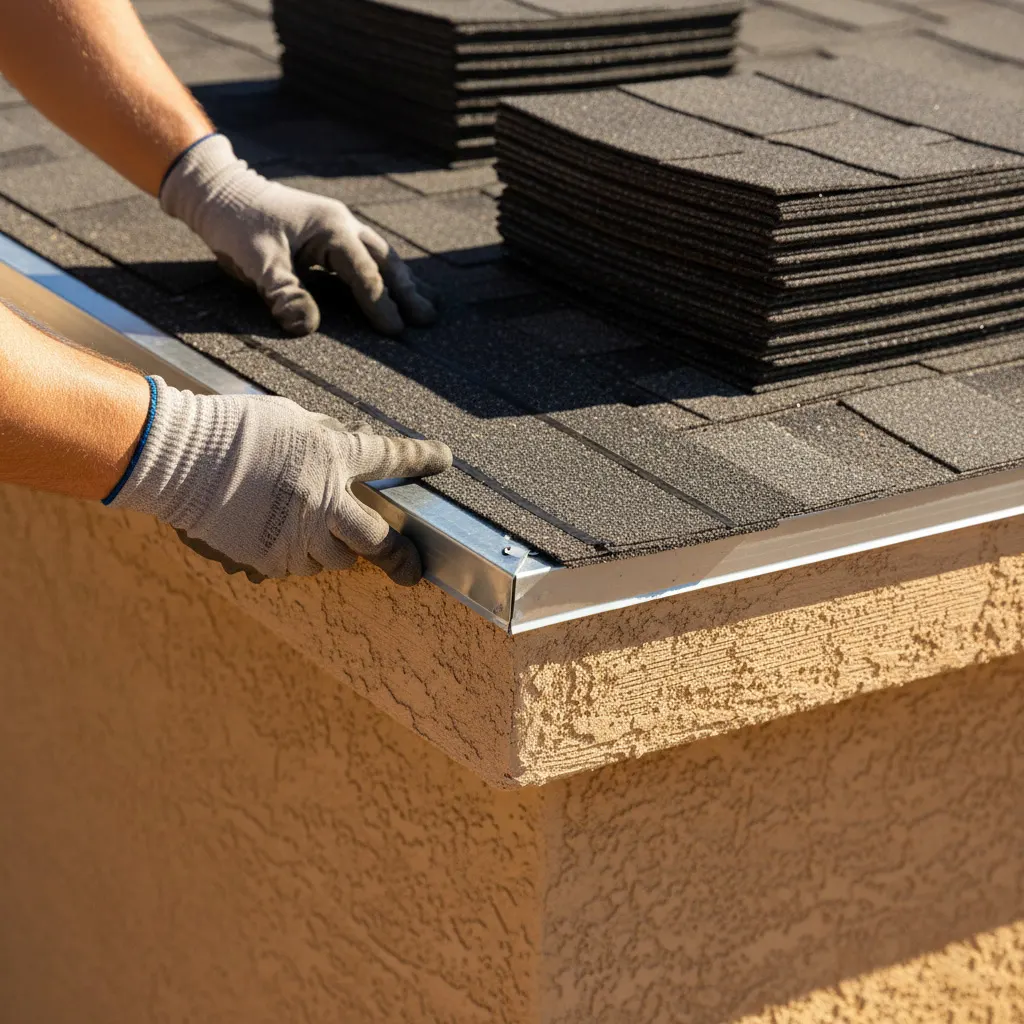
Understanding the Gulf Coast Climate: Why Metal Outperforms Asphalt in Pasadena
Pasadena lives under a relentless sun and a constant threat of high-velocity winds. Traditional asphalt shingles were never built for this environment; they are essentially oil and granules that bake until they become brittle, curling up and blowing away the second a storm front hits the coast.
When you choose metal, you stop fighting against the weather. Metal roofing systems act as a shield, reflecting solar heat instead of soaking it up like a sponge. This simple switch can drop your attic temperature significantly, putting real cash back into your pocket during those brutal Texas summers.
Smart locals prioritize metal for these specific reasons:
- Wind Resistance: Metal systems are engineered to withstand gusts that routinely tear asphalt shingles off their decking.
- Impact Durability: High-quality metal panels are designed to resist hail damage that leaves cheaper materials dented or leaking.
- Fire Safety: Asphalt is flammable, but metal provides a non-combustible barrier that offers superior protection for your family.
- Longevity: While an asphalt roof is a temporary band-aid, a properly installed metal roof is a permanent solution that lasts for decades.
Think about the last major storm that rolled through Pasadena. If your neighbors are dealing with missing shingles and leaking ceilings, they are stuck in a cycle of constant repair. By moving to a metal roof, you are not just buying a new cover for your house; you are insuring your peace of mind against the next big Gulf Coast event.
The Engineering Advantage: How Proper Ventilation and Underlayment Prevent Heat Trap
Most homeowners think metal roofs absorb heat like a frying pan, but that is only true if your contractor skips the science of airflow. In Pasadena, the humidity is the real enemy. If you trap hot air between your metal panels and the roof deck, you are essentially baking your insulation and sending your cooling bills into the stratosphere.
The secret that smart locals rely on is a high temperature synthetic underlayment combined with a vented nail base. This creates a thermal break that prevents the metal from transferring direct heat into your living space. When you let the air move, you stop the heat trap before it even starts.
Key Components of a Cooler Roof
- Radiant Barrier Underlayment: Reflects heat away from the home structure.
- Continuous Ridge Vents: Allows hot air to escape from the highest point of the roof.
- Raised Batten Systems: Creates an air gap between the metal and the deck for natural cooling.
- High Temperature Ice and Water Shield: Protects against the heavy wind-driven rain we get during storm season.
You cannot just slap metal over old shingles and call it a day. A properly ventilated system acts like a chimney, pulling cool air in from the eaves and pushing the furnace-like heat out of the ridge. This simple mechanical advantage makes your home feel like an icebox compared to the sweltering heat of the Pasadena summer.
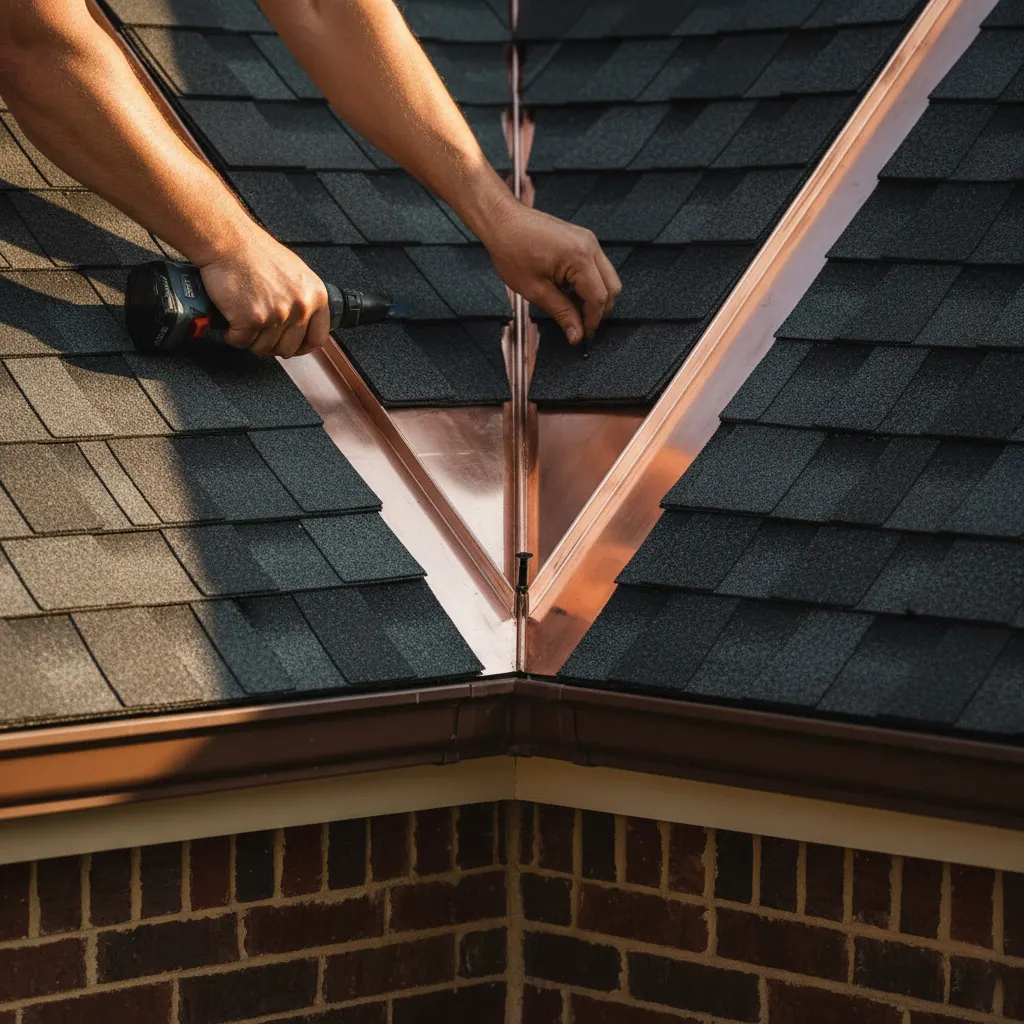
Selecting the Right Metal Profile: Standing Seam vs. Exposed Fastener Systems
When you commit to metal, you have two primary paths: standing seam or exposed fastener systems. Think of standing seam as the heavy-duty, luxury upgrade; the fasteners are hidden beneath the panels, which means there are zero holes punched through your roof. This creates a watertight seal that laughs at the heavy Pasadena rains.
Exposed fastener roofs, often called screw-down roofs, use screws that go directly through the metal panel into your roof deck. While these are usually cheaper upfront, they require more maintenance because those rubber grommets on the screws will eventually dry out and crack in our brutal Texas sun. If you want a "set it and forget it" solution for the next fifty years, the standing seam is the clear winner.
Key Differences for Your Pasadena Home
- Standing Seam: Features concealed clips, allowing the metal to expand and contract as temperatures shift from scorching afternoons to cool nights without buckling.
- Exposed Fastener: Uses visible screws that need inspection every few years to ensure the washers remain tight and prevent leaks.
- Aesthetics: Standing seam offers clean, sharp lines that boost your curb appeal, while exposed fasteners have a more traditional, industrial farm appearance.
- Durability: Hidden clips prevent moisture entry points, significantly lowering your long-term risk of roof failure.
Smart local homeowners choose based on their long-term financial goals rather than just the initial price tag. If you plan to stay in your home for more than a decade, paying the premium for a standing seam roof prevents the inevitable headache of replacing cracked gaskets later on. It is about choosing a reliable shield that actually works when the forecast gets nasty.
Decoding the Investment: A Comparative Cost Analysis Table for Pasadena Roofing Options
Most homeowners look at the upfront price tag and get sticker shock. That is a mistake because a roof is not a purchase, it is a long term financial asset.
You need to compare the cost per year rather than the initial cash layout. Asphalt shingles might seem cheaper today, but they fail fast in the Texas heat.
| Roof Type | Initial Cost | Expected Lifespan | Annual Cost |
|---|---|---|---|
| Asphalt Shingles | Low | 12-15 Years | High |
| Exposed Fastener Metal | Medium | 30-40 Years | Low |
| Standing Seam Metal | High | 50+ Years | Lowest |
Notice how standing seam metal carries a higher entry fee but wins the marathon. You stop paying for repairs, re-roofs, and energy waste once you make the switch.
Think about the hidden savings that don't show up on a quote. Consider these factors that drop your real expenses:
- Reduced homeowners insurance premiums due to wind resistance.
- Lower monthly cooling bills from high solar reflectance.
- Zero maintenance costs compared to replacing cracked shingles every decade.
Stop looking at your roof as a basic household chore. Treat it like a high yield investment that protects your family and your wallet from the inevitable Gulf Coast weather patterns.
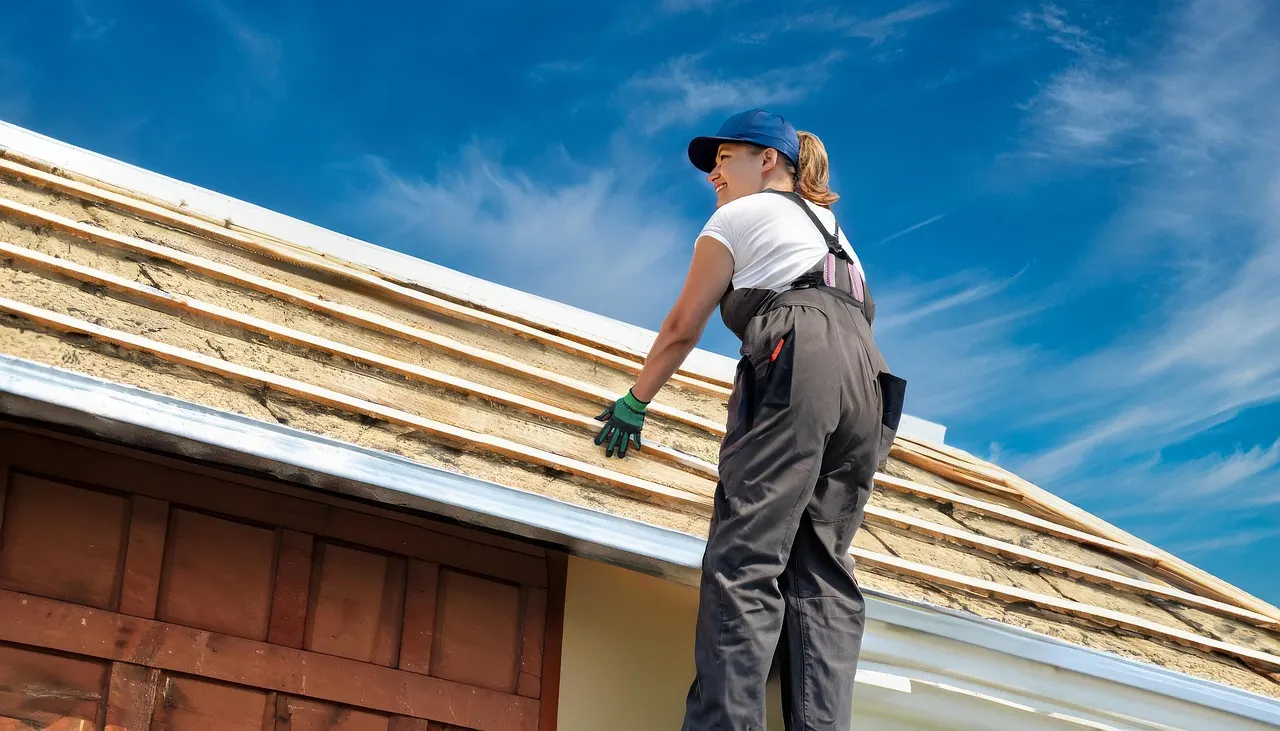
Anatomy of a Perfect Install: A Case Study of a Local Pasadena Storm-Resilient Project
Last season, a Pasadena homeowner faced the reality of our unpredictable Gulf Coast storms with a brand new standing seam installation. Instead of watching shingles fly off like confetti, this roof stayed locked in place while the wind whipped at over 80 miles per hour. The secret wasn't just the metal; it was the obsessive attention to the perimeter detail and the specific way the contractor handled the flashing.
Most crews try to cut corners by using cheap sealants that dry out in our relentless Texas heat. This project utilized a different approach, focusing on mechanical locks and heavy duty clips that allow the metal panels to expand and contract naturally without losing their grip. When the thermal cycle hits, the roof doesn't groan or pop because the fasteners are designed to move with the building.
Key Pillars of a Bulletproof Installation
To mimic the success of this project, your contractor must adhere to a strict set of installation standards that go beyond the basic manufacturer instructions. A proper install acts like a suit of armor for your home, sealing out moisture while allowing the structure to breathe.
- High Temperature Underlayment: Standard felt is not enough for a Pasadena summer. We insist on synthetic, self-adhering membranes that can handle extreme surface temperatures without degrading.
- Custom Flashing Kits: Off-the-shelf flashing often fails at the joints. Every valley, chimney, and vent must have custom-bent metal to ensure water has zero path to the decking.
- Hidden Fastener Systems: By keeping all screws tucked away under the ribs, we eliminate hundreds of potential leak points that would eventually rust or loosen over time.
- Edge-to-Edge Securement: We use extra fasteners at the eaves and rakes, which are the high-pressure zones during heavy wind gusts.
Ultimately, a perfect install is about mastering the tension across the entire roof plane. If the panels are pulled too tight, they buckle; if they are too loose, they vibrate. The pros in Pasadena treat every screw and clip as a vital structural component rather than an afterthought.
Essential Maintenance Practices to Extend Your Metal Roof’s 50-Year Lifespan
Most folks think a metal roof is a set-it-and-forget-it deal, but that is a dangerous myth. Even the toughest steel needs a little love to reach its full fifty-year potential in our salty, humid Pasadena air.
If you ignore basic upkeep, you are leaving the door open for rust or minor leaks to turn into major disasters. Staying ahead of the game is cheap, but ignoring the signs is a bank account killer.
The Maintenance Checklist
You do not need to be a roofer to keep your investment in top shape. Here is the simple routine the pros follow to avoid premature degradation:
- Inspect your panels twice a year, especially after our heavy hurricane seasons.
- Clear away leaves and debris from valleys and gutters to prevent moisture traps.
- Check all exposed fasteners to ensure the rubber washers haven't cracked or dried out.
- Watch for surface scratches that could expose raw metal; touching them up with matching paint stops corrosion in its tracks.
Pay close attention to your roof penetrations, like vent pipes and chimneys. These are the weak spots where water usually finds a way inside. If you see cracked sealant or loose flashing, get it fixed immediately. A quick dab of professional-grade sealant today saves you from a massive water damage repair bill down the road.
Final Words
Choosing to upgrade your home with Metal Roof Installation is not just a home improvement project. It is a calculated move to secure your equity against the unpredictable Pasadena climate.
The difference between a roof that fails in five years and one that lasts half a century comes down to your choices today. Do not cut corners on the underlayment or the contractor, because your roof is the only thing standing between your family and the next Gulf Coast storm.
Here is what you need to remember before you pull the trigger on your project:
- Demand documentation of previous local projects to verify the installer's track record with metal systems.
- Ensure your warranty covers both materials and the specific labor of the install.
- Avoid the temptation of the lowest bid, as it almost always leads to hidden costs down the line.
You have the data now. You know why your neighbors are making the switch and exactly what technical details force a roof to survive where others peel away.
Take control of your home’s long-term resilience. A properly installed metal roof will stop the cycle of repairs and give you the peace of mind that comes with knowing your home is actually built to handle whatever the sky throws at it.
People Also Ask
Is a metal roof a good investment for homes in Pasadena?
Yes, metal roofing is an excellent long term investment because it resists high winds and extreme heat better than traditional shingles. These roofs often last 50 years or more, significantly increasing the resale value of your property.How do metal roofs handle the intense Gulf Coast heat?
Metal roofs reflect solar radiant heat rather than absorbing it, which helps keep your home interior cooler during hot Texas summers. Proper ventilation and reflective coatings allow the structure to release trapped heat, improving overall energy efficiency according to energy standards.What is the difference between standing seam and exposed fastener roofs?
Standing seam roofs feature concealed fasteners that prevent leaks by eliminating exposed screw holes across the surface. Exposed fastener systems are typically more affordable, though they require periodic maintenance to ensure the rubber seals around the screws remain watertight.Do I need a permit for metal roof installation in Pasadena?
Most roofing projects in Pasadena require a building permit to ensure the installation meets local safety and wind load codes. Always consult with a licensed contractor who understands city ordinances to ensure your project remains compliant.How often should I clean my metal roof?
You should inspect and clear your metal roof of debris, such as leaves and branches, at least twice a year to prevent rust and water buildup. Keeping the surface clean helps maintain the protective finish and extends the functional lifespan of the metal panels.Need Roofing Services?
We deliver roofing installations and repairs in Pasadena, TX and nearby areas (77501, 77502, 77503, 77504, 77505) to provide lasting structural protection through efficient project timelines.
Get Roof Quote