

⚡ TL;DR: This guide helps Palm Bay homeowners identify critical warning signs that indicate a need for roof deck replacement to ensure structural integrity against Florida's harsh coastal weather conditions.
📋 What You’ll Learn
Is your roof structure compromised by Florida’s harsh environment? In this guide, we explore how to identify failing roof decks and explain why timely replacement is essential for Palm Bay homeowners.
- Identify early signs of decay by learning how constant exposure to salt air and high humidity silently degrades wood decking beneath your shingles, leading to significant structural instability over time.
- Detect hidden structural damage such as interior staining or sagging lines that indicate your roof deck has lost its integrity and requires a professional assessment to ensure home safety.
- Evaluate the bouncy roof test to determine if soft spots in your decking signal an urgent need for replacement, preventing a complete collapse during heavy Florida storm and hurricane seasons.
- Compare deck material options like OSB and plywood to make informed decisions on which wood products best withstand Palm Bay’s unique climate and offer maximum longevity for your property.
📖 Reading time: 7 min
✍️ Author expertise: Palm Bay roofing contractor with twenty years of hands-on structural deck repair experience.
You bought your home in Palm Bay for the sunshine, but that relentless Florida heat is silently cooking the very structure protecting your family. Most homeowners assume a roof is just shingles, but when the wooden deck beneath them rots, your entire investment is sitting on a ticking time bomb.
Ignoring a soft or sagging roof deck doesn't just invite a leak; it invites a catastrophic collapse that will cost you thousands more than a simple repair. If you have been brushing off mysterious interior water stains or a bouncy feel when walking on your roof, you are already playing a dangerous game with your home insurance policy.
The good news is that catching these structural warning signs early can save your rafters and your wallet. Let’s look at the specific clues your roof is giving you that indicate it is time for a full deck replacement before the next storm season arrives.

The Hidden Impact of Palm Bay’s Humidity and Salt Air on Wood Decking
Living in Palm Bay comes with a trade-off. While you enjoy the coastal breeze, your roof deck is constantly battling a brutal, two-pronged attack from nature: persistent humidity and corrosive salt air.
This moisture doesn't just sit on the surface. It seeps into the porous wood panels of your roof deck, creating a breeding ground for wood-destroying fungi and rot. Over time, this biological decay softens the wood fibers, turning a solid structural foundation into a spongy, compromised mess.
The salt air accelerates this decay by acting as an electrolyte. It speeds up the oxidation of your roofing fasteners, causing them to loosen their grip on the deck panels.
Why Palm Bay homes deteriorate faster:
- High Relative Humidity: Trapped moisture under the shingles prevents the wood from ever truly drying out.
- Salt Corrosion: Airborne salt particles eat away at the protective coatings on nails and screws, leading to "nail pop" and deck shifting.
- Thermal Cycling: Constant expansion and contraction from Florida heat cycles weaken the adhesive bonds in standard wood sheets.
Think of it as slow-motion erosion happening right above your head. Once the structural integrity of these panels is compromised, your roof loses its ability to hold nails during high winds. During a hurricane, it is not just the shingles that fly off, it is often the entire decking sheet because the wood has become too brittle and decayed to stay anchored.
Identifying Visual Indicators: Interior Staining, Sagging, and Exterior Dips
Your ceiling is the first place your home whispers that it is in trouble. Those brown or yellow rings appearing on your drywall are rarely just cosmetic blemishes from a minor drip.
They are the smoke signals of a roof deck that has lost its ability to shed water. When moisture breaches the shingles and settles into the wood, it creates a slow, decaying rot that stains your interior finishes from the inside out.
Do not wait for a steady stream of water to start moving furniture. Look for these subtle, yet undeniable, red flags inside your home:
- Dark, expanding rings on your ceiling or upper wall corners.
- Peeling paint or wallpaper that seems damp to the touch in the attic or top floor.
- A musty, earthy odor in the attic space that indicates trapped moisture and active mold growth.
Once you step outside, look at your roofline from the street during the early morning or late afternoon. You want to look for dips and waves in the plane of the roof that should be perfectly straight.
A healthy roof deck should be rigid and flat. If you notice localized sagging between rafters, it means the wood decking has lost its structural integrity and is essentially buckling under its own weight.
This is not just an aesthetic eyesore. It is a sign that the deck is delaminating or rotting away, leaving your shingles without a solid surface to grip. If your roofline looks like a roller coaster, your home is already compromised.
The "Bouncy" Roof Test: Why Soft Spots Signal Immediate Structural Failure
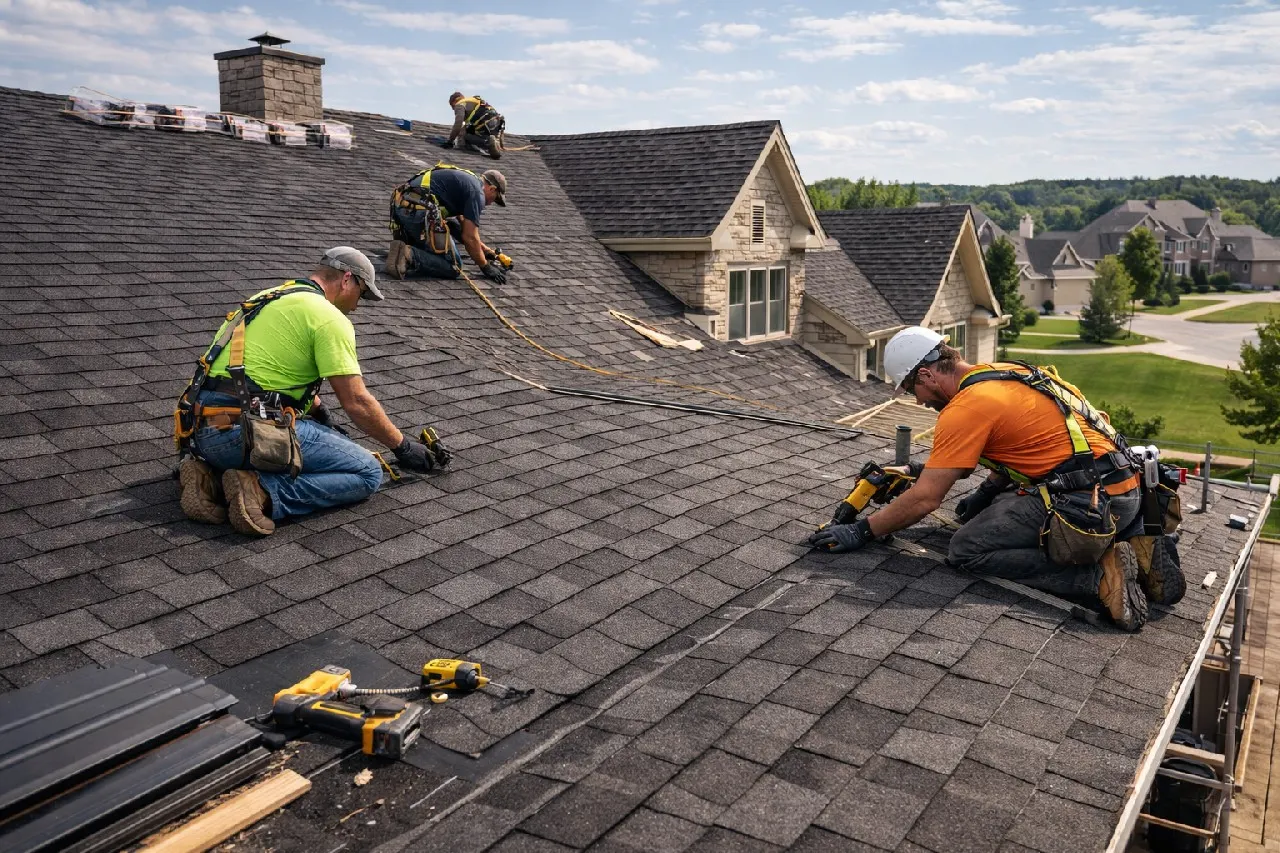
When you walk across your roof, it should feel as solid as a concrete slab. If you notice a spongy or bouncy sensation under your feet, you are not imagining things. That movement is a direct warning that the wood sheathing beneath your shingles has lost its structural grip.
Think of it like stepping on a rotten floorboard. The wood fibers have likely decomposed due to moisture trapped by years of high Palm Bay humidity, leaving the deck unable to support the weight of the roofing materials. If it flexes under your weight, it certainly cannot withstand the high-velocity winds of a Florida hurricane.
What the Bounce Means for Your Home
When the deck gives way, the shingles lose their anchor point. Nails begin to back out, leaving tiny holes that act like funnels for rainwater to enter your attic. You are dealing with imminent failure if you notice these specific issues:
- The decking feels like it is depressing or sinking between the rafters.
- You hear a distinct crunching or cracking sound when walking near the roof valleys.
- The roofline appears wavy or uneven when viewed from the street level.
Ignoring this soft spot is essentially betting your roof against the next tropical storm. That bouncy section is the weakest link in your home defense. Once the structural wood loses its integrity, it acts as a domino that can lead to entire sections of your roof blowing off during heavy gusts.
Why Simple Patching Fails: The Dangers of Neglecting Deck Rot During Re-Roofing
Many homeowners try to save a few bucks by asking their contractor to simply "patch" the rotted sections of the roof deck while installing new shingles. This is a massive mistake that turns a standard home maintenance project into a financial disaster waiting to happen.
When you place new, heavy shingles over wood that has already lost its structural integrity, you are essentially putting a fresh coat of paint on a crumbling wall. The new nails will have nothing solid to bite into, which means your beautiful new roof could blow off during the very next Palm Bay thunderstorm.
The Hidden Risks of Band-Aid Repairs
Patching over existing rot is a recipe for long-term failure. Here is why this shortcut usually backfires:
- Moisture spreads like a virus: Wood rot is biological. If you leave a small patch of decay, it will continue to spread underneath your new shingles and underlayment.
- Voided warranties: Most shingle manufacturers will refuse to honor your warranty if they find out the underlying deck was already compromised during installation.
- Safety hazards: A patchwork deck has uneven nailing surfaces that create weak points. These spots are the first to give way when high winds hit your home.
Think of your roof deck as the foundation for your protection. If the foundation is spongy or water-damaged, the strength of the shingles above it becomes completely irrelevant.
Do not let a contractor convince you that spot-replacing a few boards is "good enough." Once the rot sets in, the board has lost its density and structural connection to the rafters. It needs to go, or you are just throwing good money after bad.
Restoring Structural Integrity: A Palm Bay Roof Deck Replacement Case Study
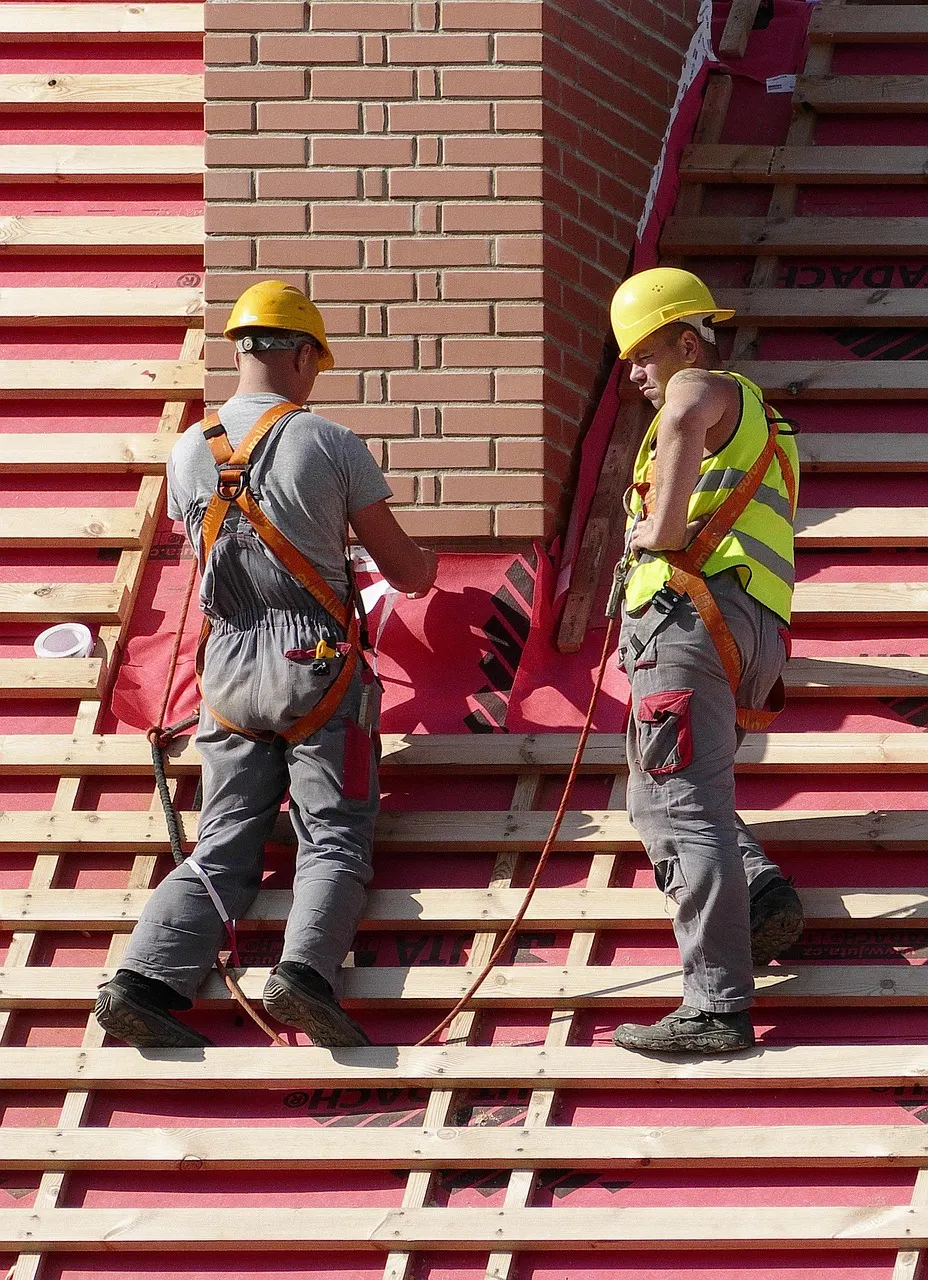
We recently handled a home in the Bayside Lakes area that looked perfectly fine from the curb. The shingles were still grey, but the homeowner felt a noticeable dip near the chimney every time they walked on the roof to clean the gutters.
Upon removing the top layer, we found the plywood was essentially turned into damp, black mulch. Because the original deck had failed, the underlying rafters were starting to show signs of mold and wood rot.
We didn't just slap new wood over the problem. Our team took the following steps to secure the home:
- Stripped the water-damaged sections completely down to the structural truss system.
- Installed high-grade, moisture-resistant decking material to prevent future humidity intrusion.
- Applied a secondary water barrier that exceeds local Palm Bay building codes.
This repair stopped the rot from spreading to the rest of the house frame. By catching the issue early, the owner avoided a total roof collapse that would have totaled their entire interior ceiling.
It is the difference between a controlled upgrade and an emergency insurance claim. Don't wait for a heavy thunderstorm to force your hand; if the deck is compromised, the time to act is now.
Selecting the Right Materials: OSB vs. Plywood for Florida’s Severe Climate
When it comes to replacing your roof deck in Palm Bay, you aren't just buying wood; you are buying structural insurance against the next hurricane. Contractors often push for cheaper materials, but in our humid, salty climate, those shortcuts will haunt you.
Oriented Strand Board, or OSB, is the standard for most new builds because it is inexpensive and uniform. However, OSB acts like a sponge when it gets wet, swelling and losing its structural grip once the edge seal fails.
Plywood, specifically CDX grade, is the superior choice for a home near the coast. It handles moisture cycles far better than OSB and maintains its strength long after the shingles have lost their integrity.
Why Plywood Wins in Palm Bay
- Better Dimensional Stability: Plywood holds nails tighter, which is crucial for high-wind resistance during tropical storms.
- Superior Moisture Resistance: The layered glue structure resists delamination far longer than the wood chips found in OSB.
- Long-Term Value: While plywood costs more upfront, it significantly reduces the risk of deck sagging after just a few years of Florida humidity.
If your roofer suggests using thinner decking to save money, run. We always recommend 5/8-inch thickness for maximum nail pull-through resistance. In the face of 100+ mph wind gusts, you want a deck that won't give an inch.
Final Words: Protecting Your Palm Bay Investment Before the Next Hurricane Season
Hurricane season in Florida is not a suggestion; it is a recurring deadline for your home’s structural health. If your roof deck is compromised, your shingles are merely a decorative layer waiting to be ripped off by the first tropical gust.
Investing in a professional Roof Deck Replacement now is the only way to ensure your home remains a fortress rather than a liability. Waiting for a storm to expose your rot usually results in emergency tarping costs and expensive interior damage.
Protecting your equity comes down to proactive maintenance. Consider these critical steps to keep your home storm-ready:
- Inspect your attic after every heavy rainfall to look for daylight coming through the decking.
- Schedule a professional evaluation if your roof is over 15 years old, as Florida heat accelerates material breakdown.
- Upgrade to impact-resistant materials during your next replacement to satisfy current building codes and potentially lower insurance premiums.
Do not let a soft spot turn into a total structural failure when the wind picks up. Your home is likely your biggest asset, and securing the structure today prevents a financial disaster tomorrow.
People Also Ask
How much does it cost to replace a roof deck in Palm Bay?
The cost of replacing a roof deck in Palm Bay varies based on the total square footage and the extent of underlying water damage. On average, homeowners can expect to pay between $3 and $6 per square foot for decking materials and labor, though severe rot may increase these costs.Can I just patch my roof deck instead of replacing the whole thing?
While patching small, isolated areas of rot is possible, it is often a temporary fix that fails to address the root cause of the damage. If your roof deck has widespread moisture issues or structural weakness, a full replacement is the only way to ensure your home remains safe during Florida hurricane seasons.How do I know if my roof decking is rotten?
Look for interior signs such as water stains on your ceilings, sagging roof lines, or a spongy feeling when walking on your roof. You may also notice dark, discolored patches in your attic where moisture has penetrated the wood, signaling that the deck integrity is compromised.Does homeowners insurance cover roof deck replacement?
Homeowners insurance typically covers roof deck replacement if the damage is caused by a sudden, covered peril like a hurricane or a fallen tree. However, insurance generally does not cover damage resulting from long-term wear and tear, wood rot, or poor maintenance.What is the best material for roof decking in Florida?
For Florida’s climate, high-quality plywood or OSB treated with moisture-resistant resins is generally recommended. Many local experts suggest 5/8-inch thick plywood for superior nail-holding power and better resistance against the extreme wind uplift conditions we experience in Palm Bay.Need Roofing Services?
We deliver roofing repairs and replacements in Palm Bay and nearby areas to restore property protection through timely project handling. (32905, 32907, 32908, 32909)
Get Roofing Quote