
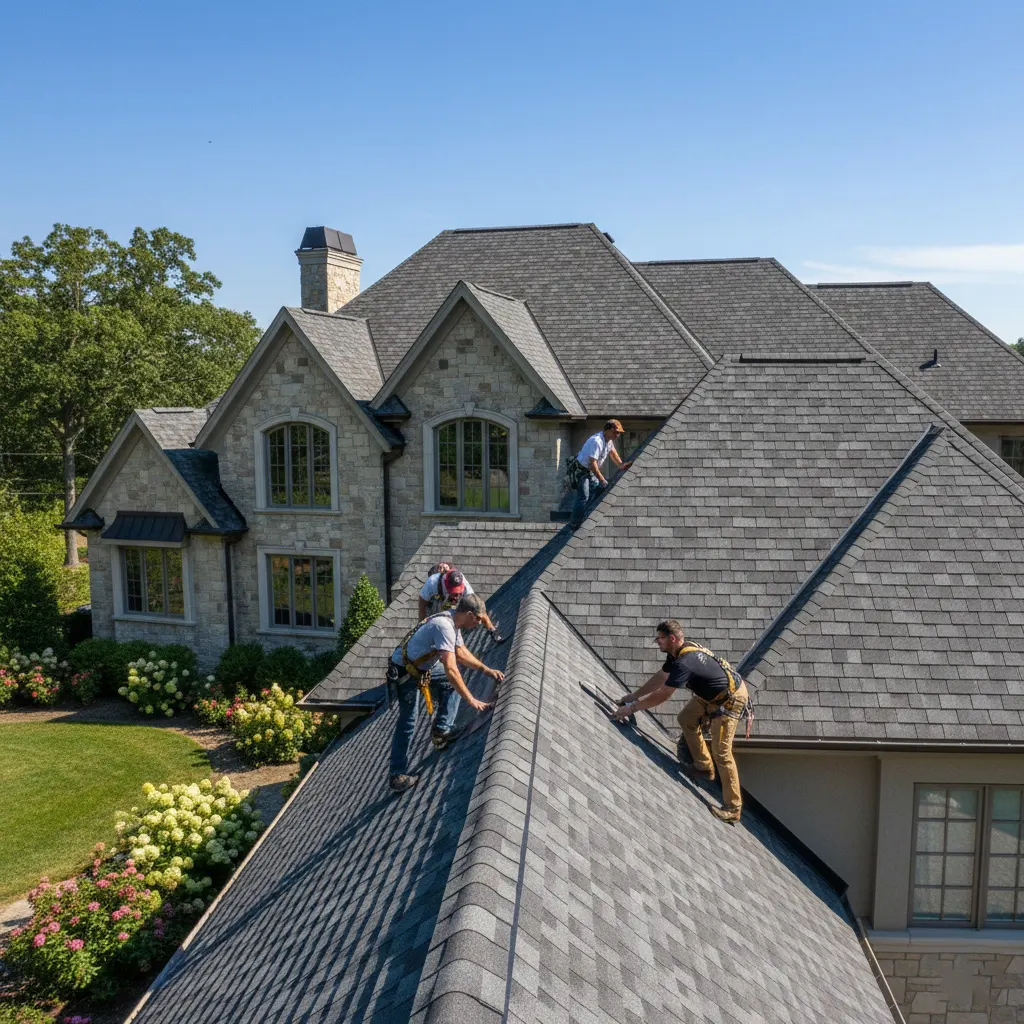


⚡ TL;DR: This guide reveals essential tips for navigating roof replacement in Oceanside, focusing on coastal material selection, proper attic ventilation, and understanding contract details to protect your property investment.
📋 What You’ll Learn
Navigate the unique challenges of coastal roofing with this insider guide, designed to help Oceanside homeowners avoid common contractor pitfalls and ensure their new roof survives the harsh Pacific salt air.
- Master the coastal climate challenges by understanding why standard roofing materials fail quickly in Oceanside and which specific products are engineered to withstand high humidity and salt corrosion.
- Detect hidden contractor cost-cutting tactics regarding cheap underlayment and poor ventilation techniques that often lead to premature roof failure and interior water damage within just a few years.
- Analyze complex roofing project estimates by learning how to spot inflated labor margins and vague line items that allow dishonest roofers to increase your final bill without warning.
- Secure comprehensive long-term protection by identifying the essential warranty clauses that actually safeguard your investment against manufacturing defects and poor workmanship in our unique seaside environment.
📖 Reading time: 8 min
✍️ Author expertise: Master roofer with two decades of experience installing durable coastal systems in Oceanside.
Your roof is the only thing standing between your living room furniture and the harsh reality of the salt-heavy air and relentless sun here in Oceanside. Most homeowners think a roof replacement is just about slapping on some new shingles, but that mindset is exactly how you end up paying for a second roof before the first one even hits middle age.
The local roofing industry is built on secrets that keep your wallet light and their profit margins heavy. They rely on you not knowing what happens behind the scenes once the dumpster hits your driveway.
I have spent years watching the mistakes that turn a simple project into a multi-thousand dollar headache. Read on to discover the specific trade tricks you need to know before you sign a single contract.
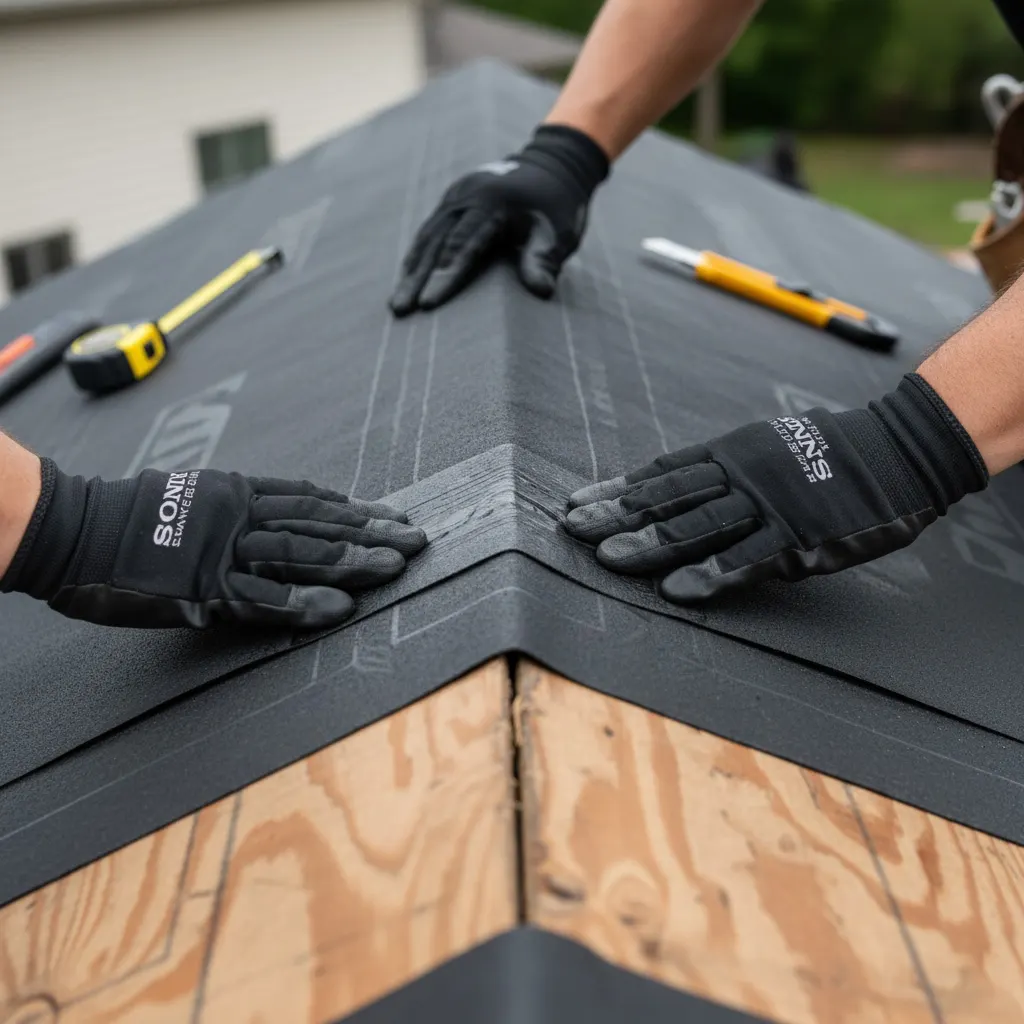
The Oceanside Microclimate: Why Standard Shingles Fail Near the Coast
Oceanside isn't just another Southern California beach town. We deal with a specific brand of environmental warfare: heavy salt spray from the Pacific meeting high UV intensity throughout the year.
Most roofing contractors treat your home like it is located in the inland desert. They install standard architectural shingles that are simply not designed for the constant moisture cycles and corrosive salt air we face right here on the coast.
When you ignore the microclimate, you pay the price in premature degradation. Here is what happens to cheap materials in our backyard:
- The salt air accelerates the breakdown of the asphalt granules that protect your shingles.
- Consistent morning dew creates a moisture trap under shingles, leading to moss and algae growth.
- Thermal shock from ocean breezes hitting a sun-baked roof causes materials to expand and contract rapidly, leading to cracking and curling.
If your roofer tries to sell you a "one-size-fits-all" shingle product, they are ignoring the reality of the Harbor and South Oceanside corridors. Standard isn't enough when your roof is essentially acting as a giant sponge for coastal salt.
To survive here, you need high-impact, marine-grade materials. Anything less is just a ticking time bomb for leaks and rot that will surface within a few short years.
Underlayment Deception: The Hidden Layer Where Most Contractors Cut Costs
Most homeowners focus entirely on the shingle color, assuming the roof is only as good as the material they can see. This is the oldest trick in the book. Contractors know you will never climb up there to inspect the critical barrier underneath the shingles.
By skimping on the underlayment, they pad their profit margins while leaving your home exposed to the damp, salty marine layer that drifts off the Pacific. If they choose cheap, asphalt-saturated felt, it will turn brittle and crack before your shingles even begin to wear out.
What They Don't Want You to Know About Underlayment
To avoid a catastrophic failure, you need to demand high-performance synthetic materials. Here is why the cheap stuff is a trap:
- Cheap felt paper absorbs moisture, which causes the wood deck to warp and rot from the inside out.
- Standard felt has poor nail-sealability, meaning water leaks right through every single staple hole.
- Synthetic underlayment is virtually tear-proof and provides a secondary water-shedding barrier that lasts for decades.
Before you sign, force them to write the specific brand and weight of the underlayment into your contract. If they push back or claim "it is standard industry practice," walk away. They are simply trying to protect their bottom line at the expense of your roof's longevity.
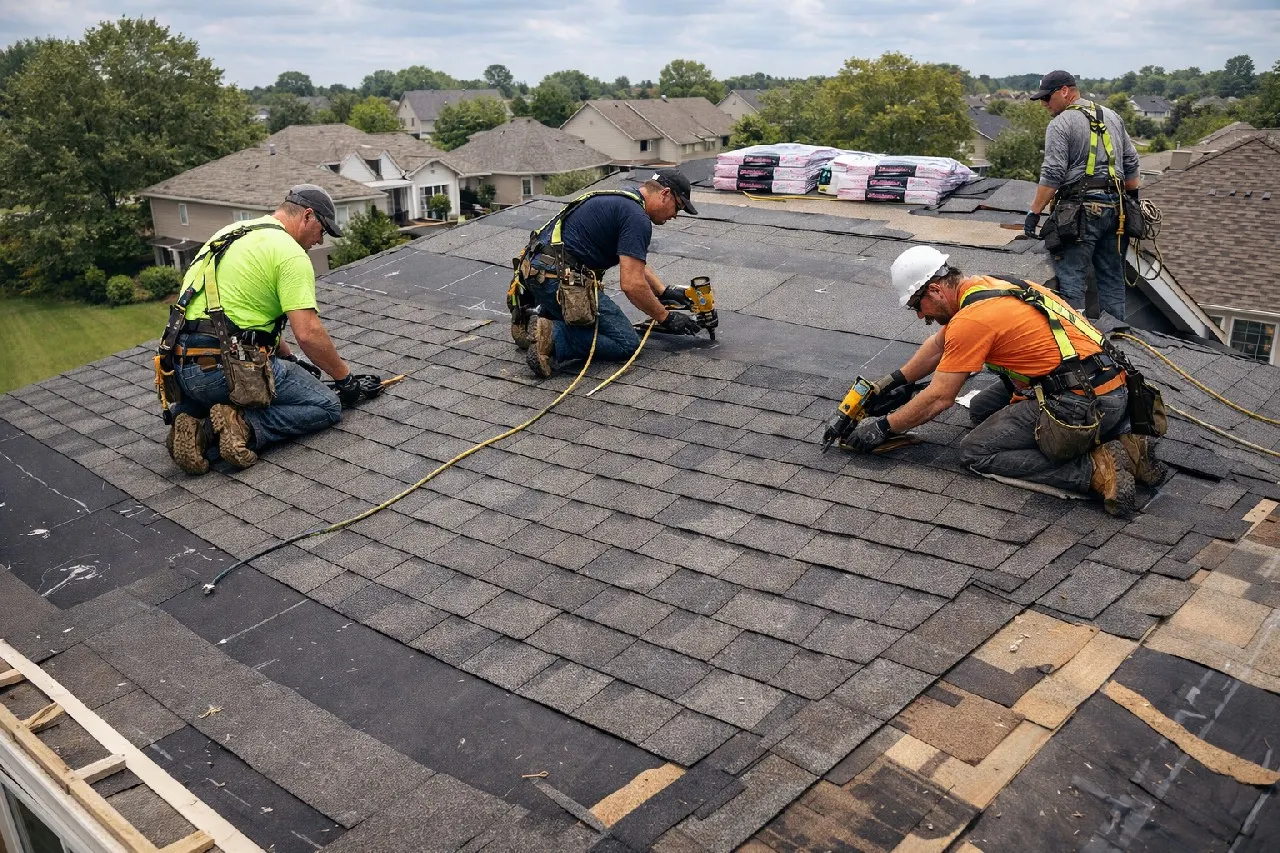
The Truth About Ventilation: How Improper Attic Airflow Cooks Your Roof
Most Oceanside contractors treat ventilation as an afterthought, but your attic is a pressure cooker. If that trapped heat has nowhere to go, your shingles are essentially being baked from the underside while the sun hammers them from above.
This is called thermal degradation. It is the silent killer of roofing materials, causing your shingles to warp, crack, and lose their granular protection years before the manufacturer claims they should.
Here is what the shady operators ignore:
- Intake Vents: Without proper soffit venting, your roof cannot pull in cool air to displace the hot air.
- Exhaust Vents: If the ratio of intake to exhaust is unbalanced, your roof will not "breathe," leading to moisture buildup.
- Blocked Channels: Many installers shove insulation right up against the eaves, effectively suffocating the roof intake.
When I inspect a roof that failed prematurely, I almost always find a lack of balanced ventilation. If you do not have a clear path for air to travel from your eaves to your ridge vents, you are just paying to trap heat against your own rafters.
You should demand that your contractor performs a formal ventilation calculation before they touch your property. If they tell you that "the shingles are fine on their own," show them the door.
Anatomy of an Estimate: Spotting Hidden Fees and Inflated Labor Margins
Most roofing estimates are designed to be confusing on purpose. If the line items are vague, the contractor has room to wiggle their profit margins upward once the job begins.
Always demand an itemized breakdown of the materials and labor. If you see a line for "Miscellaneous Site Fees" or "Project Overhead," start asking direct questions. These are often padding, pure and simple.
Warning Signs of a Padded Estimate
- A single lump sum price without a breakdown of costs per square.
- Excessive disposal fees that exceed local Oceanside landfill rates.
- "Permit fees" that don't match the city of Oceanside's actual current schedule.
- High-pressure tactics that insist you sign right now to avoid a phantom price hike.
Look closely at the labor margin. If the labor cost looks abnormally low, they are likely trying to make up the difference by inflating material costs or using cheap, sub-standard products that won't survive our salt air.
A transparent contractor will have no problem explaining every dollar on the page. If they get defensive or tell you the details are "too complicated for the average homeowner," hand them their hat and show them the door.
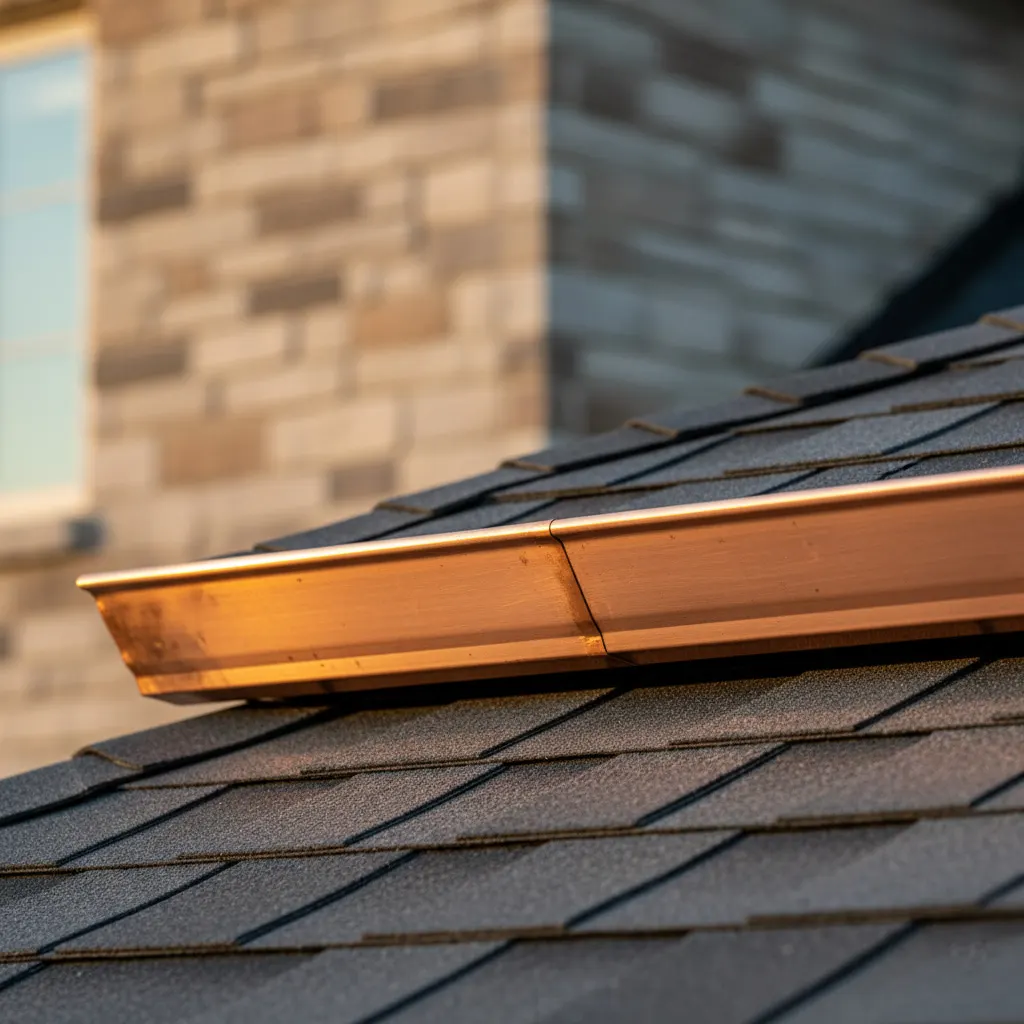
Coastal Durability in Practice: A Case Study of a Harbor-Area Roof Restoration
I recently audited a project near the Oceanside Harbor where the homeowner was quoted for a standard architectural shingle install. The contractor tried to push a basic felt underlayment, which is a death sentence in our salt-mist environment.
We stepped in to show the client how a true coastal-grade system looks. We swapped the cheap felt for a synthetic, moisture-resistant barrier that actually stands up to the constant wind pressure coming off the Pacific.
Here is what we implemented to stop the salt rot:
- Corrosion-resistant fasteners: We used stainless steel nails instead of standard galvanized ones. Standard nails rust out in months when the salt air gets under the shingles.
- High-temp ice and water shield: We wrapped the entire roof deck, not just the valleys. This creates a monolithic seal against wind-driven rain.
- Strategic flashing upgrades: We installed custom-bent copper flashing around chimneys and vents. Copper doesn't just look better; it lasts decades longer than cheap aluminum in a sea-spray zone.
The result? A roof that won't show its age when the next Santa Ana wind hits. Most of your neighbors are settling for off-the-shelf materials that start degrading the moment they are nailed down. If you want your roof to survive the Oceanside humidity, you have to build for the environment, not for the minimum code requirements.
Beyond the Contract: Essential Warranties That Actually Protect Your Investment
Most homeowners sign a contract without realizing they are getting a worthless piece of paper instead of actual coverage. Roofing companies often brag about a "Lifetime Warranty," but read the fine print and you will find it only covers the materials, not the labor. If that roof fails in three years, you are stuck paying a crew to rip it off and put it back on again.
You need to demand a system warranty that ties the manufacturer to the installation process. This ensures that the company providing the shingles also stands behind the work of the contractor who put them there. If the installer goes out of business, the manufacturer remains on the hook.
Look for these specific red flags in your warranty paperwork:
- The warranty is prorated, meaning it loses value every single year after installation.
- The coverage excludes "coastal exposure," which is a death sentence for any home here in Oceanside.
- The fine print requires you to pay for the shipping and disposal of the defective materials if a claim is filed.
Always ask for the Manufacturer’s Certified Contractor credentials before signing anything. Companies with these status levels undergo strict training and offer extended non-prorated warranties that protect your home for decades. Do not let a general contractor convince you that their "in-house guarantee" is just as good as a factory-backed policy.
An in-house guarantee is only as good as the company's ability to stay in business. If they fold or change their name, your protection vanishes into thin air. Always prioritize manufacturer-backed coverage because it survives even if your specific roofing crew decides to close their doors.
7. Final Words
At the end of the day, your roof is not just a building material; it is a financial asset. If you treat it like a commodity you can buy at a discount store, you will get the exact level of performance you paid for.
Do not let a charming sales pitch distract you from the technical realities of living by the Pacific. A high-quality Roof Replacement is a marriage of superior materials and obsessive attention to detail.
Before you commit, keep these three non-negotiables in mind to keep contractors honest:
- Demand a documented inspection of your existing roof deck before a single shingle is laid.
- Insist on seeing the specific underlayment brand and weight listed on your contract, not just a generic description.
- Verify the ventilation calculations based on your attic square footage, not just the contractor's gut feeling.
You have the power to demand better. If a company hesitates to show you their work or refuses to explain their ventilation strategy, walk away.
The smartest homeowners in Oceanside are the ones who ask the uncomfortable questions. Stand your ground, watch the details, and you will end up with a roof that actually outlasts the warranty.
People Also Ask
Is a roof replacement in Oceanside more expensive due to the salt air?
Yes, coastal environments require premium, corrosion-resistant materials and specialized fasteners to withstand salt spray. While the initial investment may be higher, using standard materials will lead to premature failure and costly repairs within a few years.How often should I replace my roof in a coastal climate like Oceanside?
While asphalt shingles typically last 20 to 25 years, the harsh salt air and intense UV exposure in Oceanside can cut that lifespan significantly if the roof is not properly ventilated. Regular inspections every three to five years are essential to identify salt-related degradation before it causes leaks.What is the best roofing material for homes near the ocean?
Metal roofing, clay tile, and high-grade synthetic slate are the best options for coastal homes because they resist salt corrosion and wind uplift. These materials offer superior longevity compared to traditional asphalt shingles when installed with high-quality, marine-grade underlayment.How can I tell if a roofing contractor is cutting corners on my estimate?
Look for vague line items, missing details regarding underlayment brands, and a lack of specific information about attic ventilation requirements. A professional contractor will clearly list the exact materials and provide a detailed scope of work that accounts for the specific challenges of the Oceanside microclimate.Does proper attic ventilation really affect my roof's lifespan?
Absolutely, as poor ventilation traps heat and moisture, which causes shingles to blister and rot from the underside. In Oceanside, effective airflow is the secret to preventing thermal shock and extending the life of your roofing system by years.Need Roofing Services?
We provide rapid roof repairs and installations to secure your property in Oceanside and the surrounding North County communities. Our team delivers durable, weather-resistant roofing solutions with efficient turnaround times (92054, 92056, 92057, 92058).
Request Roof Estimate