


⚡ TL;DR: This guide highlights critical mistakes to avoid during asphalt shingle installation in Oceanside, ensuring your roof withstands the local coastal climate while maintaining long-term structural integrity and performance.
📋 What You’ll Learn
Installing asphalt shingles in the unique coastal climate of Oceanside requires expert precision. Learn how to avoid costly installation errors that threaten your home's structural integrity and long-term roofing investment.
- Identify specific coastal climate risks by understanding how salt air and intense solar exposure require high-quality underlayment and precise material choices to prevent premature shingle deterioration and decay.
- Master proper decking and ventilation to ensure your attic breathes correctly, which prevents trapped moisture from causing shingles to curl or decking to rot during humid weather.
- Implement correct nailing and fastener patterns to secure your roof against high coastal winds, ensuring every shingle stays locked in place rather than blowing off during a storm.
- Seal vulnerable roof transition points by applying professional-grade flashing techniques that effectively block water intrusion around chimneys and vents, keeping your interior dry throughout the rainy season.
📖 Reading time: 7 min
✍️ Author expertise: Master roofer with over twenty years installing durable systems across Oceanside coastal neighborhoods.
You dropped tens of thousands of dollars on a fresh roof, expecting peace of mind and curb appeal. Instead, six months later, you find cracked shingles and water spots blooming on your ceiling like a bad rash.
It is a gut-wrenching scenario that happens far too often in Oceanside, where the coastal breeze is beautiful until it catches a poorly secured shingle and peels it back like a sardine can.
Most homeowners think a roof is just a roof, but the secret to a twenty-year lifespan lies in the hidden details your contractor might be cutting corners on. Ignoring these common installation traps is a fast track to wasting your hard-earned money.
Before you sign a contract or let a crew tear off your old shingles, read through these common errors to ensure your home stays dry and protected for the long haul.
The Coastal Challenge: Understanding Why Oceanside’s Climate Demands Precision
Oceanside isn't just another zip code. We deal with a relentless cocktail of high humidity, heavy salt air, and sudden temperature shifts that turn cheap roofing materials into brittle junk in record time.
Most roofing contractors treat a home in the hills exactly like a home on the beach. That is a dangerous mistake. When your roof sits only a few miles from the Pacific, it faces a unique set of atmospheric pressures that demand specialized installation protocols.
Without adjusting for our local environment, your asphalt shingles will fail long before the manufacturer's warranty expires. Consider what your roof is fighting every single day:
- Salt-Air Corrosion: The salt content in our coastal breeze acts as a catalyst for oxidation, breaking down metal flashings and fasteners prematurely.
- Thermal Shock: Rapid cooling during our misty marine layer mornings forces shingles to expand and contract, causing them to lose granular adhesion.
- High-Velocity Winds: Oceanside gusts are aggressive. If your shingles aren't sealed with the correct bead and nail placement, they become airborne projectiles.
Precision is your only defense. If your installer isn't accounting for these specific marine factors, they are essentially setting your budget on fire.
The Foundation Failure: Why Improper Decking and Underlayment Compromise Your Roof
Think of your roof deck as the skeleton of your home. If the wood underneath is rotten, warped, or improperly secured, your beautiful new asphalt shingles are sitting on a ticking time bomb.
Many budget contractors skip the inspection of the underlying plywood or OSB board. They simply nail new shingles over old, rotted, or water-damaged decking, essentially putting a band-aid on a broken bone.
Ignoring soft spots or structural decay is a recipe for disaster. Once the fasteners lose their grip in rotten wood, the shingles have nothing to hold onto when the coastal winds kick up.
The Critical Role of Quality Underlayment
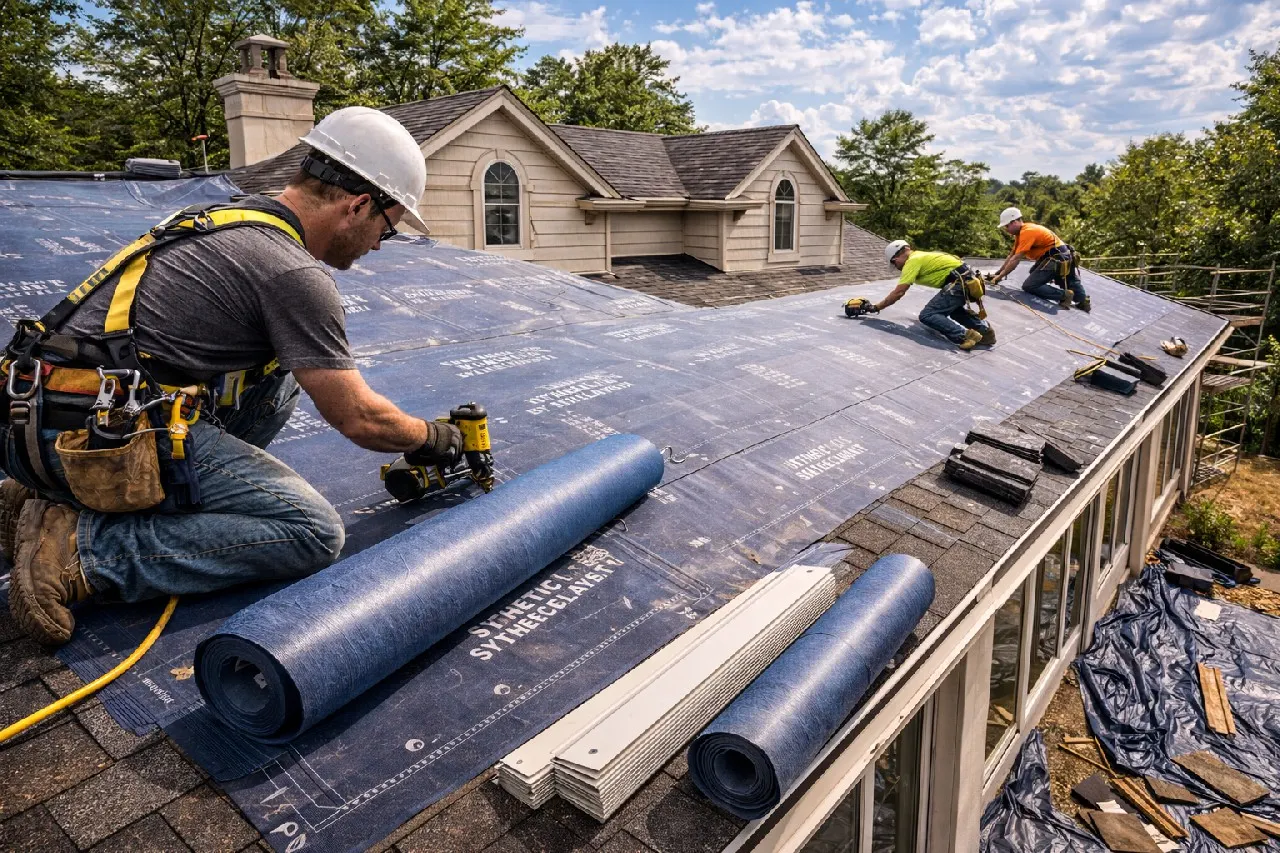
Your underlayment is the final line of defense against the salt air and moisture typical of Oceanside. Without a high-quality barrier, water trapped beneath your shingles will migrate directly into your attic.
We often see crews use cheap felt paper that tears during the install or breaks down after only a few years. When the underlayment fails, the wood deck swells, shingles buckle, and your roof loses its structural integrity.
To avoid these costly pitfalls, ensure your roofer performs these steps:
- Inspect every square foot of the exposed decking for signs of moisture, mold, or "spongy" areas.
- Replace any compromised plywood immediately before laying down new materials.
- Install synthetic, moisture-resistant underlayment that provides a superior waterproof seal against the marine layer.
Don't let a contractor rush the prep work. Proper decking prep is not an optional upsell; it is the absolute foundation of a roof that actually lasts.
Ventilation Oversights: Preventing Moisture Build-up and Premature Shingle Curling
Most folks in Oceanside think a roof just keeps the rain out. They forget that a roof is actually a breathing system for your entire home.
When your attic lacks proper airflow, trapped heat creates a sauna effect directly underneath your shingles. During the summer, those internal temperatures can skyrocket, effectively cooking your shingles from the inside out.
This trapped heat forces the oils out of the asphalt, making the material brittle and prone to premature curling. Once those edges start to lift, your roof loses its ability to shed water and becomes a magnet for wind damage.
The Consequences of Stagnant Air
Poor ventilation does more than destroy your shingles. It creates a breeding ground for problems that move from your attic into your living room:
- Excessive condensation that rots your roof decking from beneath.
- The growth of mold and mildew that ruins your insulation.
- Skyrocketing energy bills as your AC unit fights to cool a heat-soaked attic.
Proper intake and exhaust vents work in harmony to keep the attic temperature close to the outside ambient air. If your contractor ignores the attic intake vents or blocks them with insulation, the entire system fails immediately.
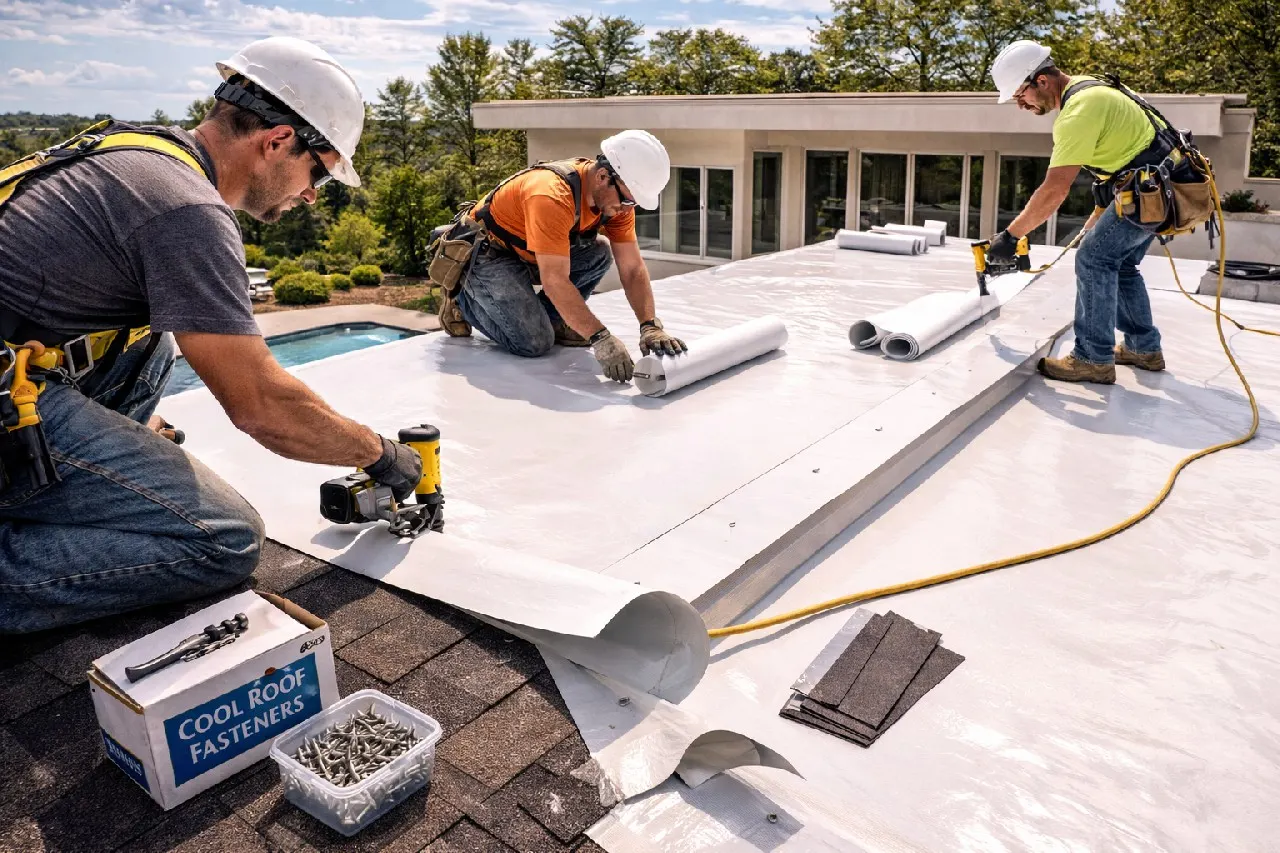
You need a calculated balance of soffit vents and ridge vents to push stale, hot air out of your home. Without this airflow, you are essentially paying for a roof that is destined to fail long before its time.
Improper Fastener Techniques: How Incorrect Nailing Patterns Lead to Wind Damage
You might think a nail is just a nail, but in the roofing world, the placement and depth of that fastener are the difference between a roof that lasts and a pile of debris in your front yard. When a crew is moving fast to hit their daily quota, they often rush the nailing process.
If the nail is driven too high or sits at an angle, the shingle loses its structural integrity immediately. This creates a weak link that Oceanside’s afternoon winds are more than happy to exploit.
To keep your shingles anchored against the coastal gusts, pay attention to these critical installation details:
- Nail Placement: Fasteners must be driven into the nail line—not too high, where they miss the underlying shingle, and not too low, where they remain exposed to the elements.
- Proper Depth: The nail head should be flush with the shingle surface. If it is driven too deep, it slices through the material, effectively turning your shingle into a loose flap.
- Consistency: Using the right number of nails per shingle is mandatory. Skimping on fasteners to save time is a shortcut that puts your entire home at risk during a storm.
Think about the sheer force of wind hitting your roofline. If your shingles are held down by "lazy" nailing, the uplift pressure will pull them right off the deck.
You are not just paying for shingles; you are paying for the security of the seal. Don't let a contractor treat your roof like a race against the clock when precision is the only thing standing between you and a leaking ceiling.

Flashing and Sealing: Protecting Your Home’s Most Vulnerable Transition Points
Your roof is not just a flat plane of shingles. It is a complex system of intersections where the roof meets chimneys, skylights, and walls.
In Oceanside, these vulnerable transition points are where the ocean air and driving rain look for an easy way inside. If your contractor cuts corners here, you are essentially inviting water to rot your roof deck from the inside out.
Most leaks do not happen in the middle of a shingle. They happen because of lazy flashing work or cheap sealant that turns brittle under the relentless California sun.
To keep your home bone-dry, keep an eye on these critical failure points during installation:
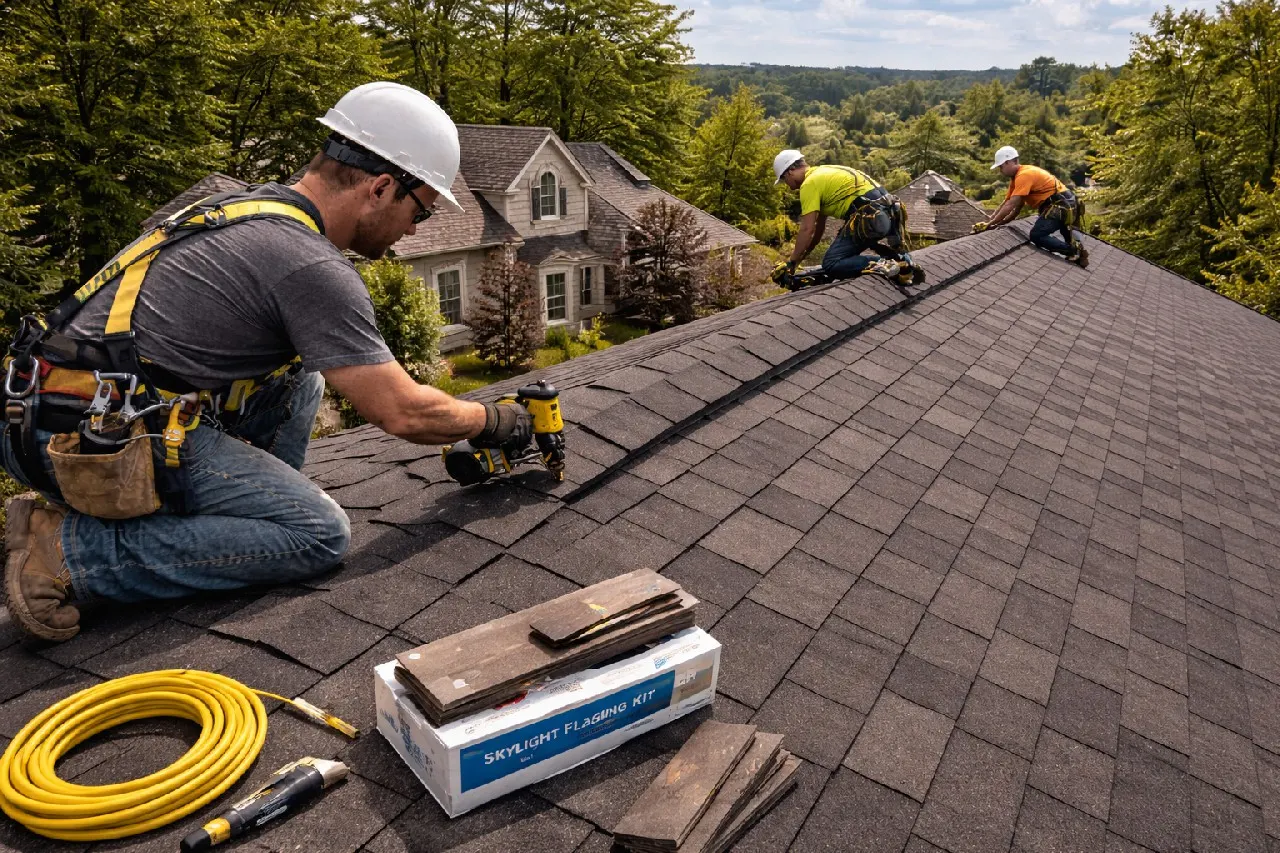
- Step Flashing: This should be woven into every single course of shingles rather than just laid on top. If a contractor tries to save time by skipping the weave, water will eventually work its way behind the metal.
- Counter-Flashing: The metal must be properly embedded into masonry or siding. Relying solely on a bead of caulk to hold flashing against a chimney is a guaranteed recipe for failure.
- Pipe Boots: These rubber gaskets around plumbing vents are the first things to crack. High-quality roofing pros often use lead or heavy-duty metal collars to ensure the seal lasts as long as the shingles.
Never let a contractor use an excessive amount of roofing cement to hide a bad cut. That thick, black goop is a temporary bandage, not a long-term fix.
If you see your roofer relying on tar instead of proper metal integration and underlayment overlapping, stop the job. You are paying for a professional install, not a DIY patch job that will fall apart after the first storm.
6. A Case Study in Reliability: Correcting Previous Installation Errors for an Oceanside Residence
Last spring, we were called to a home near the Oceanside pier that had been re-roofed only two years prior. The homeowner was furious because heavy coastal gusts had already torn off an entire section of the western slope. What we discovered under the surface was a masterclass in how not to install a roof in a beach town.
The previous crew had essentially ignored the high-wind protocols required for our local climate. By using the incorrect nail placement, they left the shingles floating rather than locked into the sealant strip. The damage was entirely preventable if they had simply followed the manufacturer’s high-wind installation guidelines.
Here is what we found during our teardown:
- A total lack of starter shingles along the eaves, which allowed the wind to grab the bottom edge of the shingles.
- Nails driven at an angle rather than flush, which prevented the shingles from sitting flat and bonding together.
- Improperly spaced fasteners that missed the structural rafters entirely, creating a weak point that acted like a sail.
We tore off the mess and replaced it with a system designed to handle the specific pressures of our coastal environment. We used six-nail patterns instead of the standard four to lock every single shingle in place. By the time we finished, the roof wasn't just aesthetic; it was armored against the next Pacific storm.
Final Words: Ensuring Long-Term Value Through Professional Installation Standards.
Your roof is the most expensive piece of equipment on your home. When you invest in professional Asphalt Shingle Installation, you are paying for the expertise to handle the nuances of our unique Oceanside climate.
Cheap labor is never cheap in the long run. If a contractor suggests skipping steps to save a few bucks, run in the other direction.
True quality comes down to a few non-negotiables that separate the pros from the weekend warriors:
- Manufacturer Certification: Always verify that your installer is certified by the shingle manufacturer to ensure the best warranty coverage.
- Documented Process: A reputable company will document their progress with photos of the decking and underlayment before the shingles even touch the roof.
- Clear Communication: You should know exactly what materials are being used and why they are the right fit for a beachside property.
Don't just look for the lowest bid on a piece of paper. Look for accountability and a proven track record of handling jobs right the first time.
When you prioritize craftsmanship over shortcuts, you stop worrying about the next storm. You gain the peace of mind that comes from knowing your home is sealed tight against the elements.
People Also Ask
What are the most common asphalt shingle installation mistakes in coastal areas like Oceanside?
The most common mistakes include improper nail placement, insufficient ventilation, and failing to use corrosion-resistant materials. In a coastal climate, these errors lead to premature shingle lifting, moisture trapping, and salt-air corrosion of roofing components.How does the salt air in Oceanside affect shingle roof installation?
Salt air accelerates the corrosion of fasteners, flashing, and metal valleys if high-quality materials are not used. Roofing professionals in Oceanside must prioritize marine-grade materials to prevent premature structural decay and leaks.Why is ventilation critical for asphalt shingles in Southern California?
Proper ventilation prevents heat and moisture from becoming trapped in your attic, which causes shingles to curl and deteriorate from the inside out. Without adequate airflow, your roof structure can also suffer from mold growth and premature rot during periods of high humidity.Can improper nailing patterns cause my shingles to blow off during high winds?
Yes, incorrect nailing patterns or using the wrong type of fastener will significantly reduce the wind uplift resistance of your shingles. Following the manufacturer’s specific nailing schedule is essential to ensure your roof can withstand Oceanside's occasional high-wind events.Is professional roof inspection necessary after a DIY shingle installation?
It is highly recommended because professional inspectors can identify hidden issues like improper flashing seals or inadequate underlayment overlaps. Correcting these installation mistakes early prevents costly water damage that often stays hidden until the roof has already begun to fail.Need Roofing Services?
We provide rapid roof repairs and installations to secure your property in Oceanside and the surrounding North County communities. Our team delivers durable, weather-resistant roofing solutions with efficient turnaround times (92054, 92056, 92057, 92058).
Request Roof Estimate