


⚡ TL;DR: Proactive roof maintenance helps Lakewood homeowners protect their properties from harsh local weather, effectively preventing expensive structural damage and extending the overall service life of their residential roofing.
📋 What You’ll Learn
Protecting your Lakewood home from Colorado’s unpredictable weather requires more than just luck. In this guide, you will learn how consistent roof maintenance prevents expensive damages and secures your property’s future.
- Identify early warning signs by learning how to spot subtle wear, such as shingle curling or granule loss, before Lakewood’s intense seasonal storms turn minor issues into structural failures.
- Master seasonal gutter management to ensure proper water runoff, which prevents ice dams and moisture buildup from compromising your roof’s integrity during our long, freezing winter months in Colorado.
- Implement proactive inspection routines that help you catch hidden leaks early, ultimately saving you thousands in potential interior water damage, mold remediation, and complete roof replacement project costs.
- Maximize your roof’s total lifespan by following professional maintenance strategies that keep materials durable against high winds and extreme hail, protecting your financial investment for many years ahead.
📖 Reading time: 7 min
✍️ Author expertise: Master roofer providing expert repairs and maintenance to Lakewood homeowners for fifteen years.
Most Lakewood homeowners treat their roof like a spare tire, only thinking about it once it blows out on the side of the road. By the time you notice a leak dripping onto your carpet, the damage has already moved deep into your rafters and insulation.
Waiting for a catastrophe to strike isn't just stressful, it is a massive drain on your bank account. You are essentially setting fire to thousands of dollars that could have stayed in your pocket with a little bit of proactive care.
The good news is that keeping your home dry and secure doesn't require a miracle or a fortune. Here are seven proven ways to stop roof decay in its tracks and protect your investment for years to come.

1. Combatting Colorado’s Harsh Climate: Why Lakewood Roofs Face Unique Stress
Living in Lakewood means your roof is constantly taking a beating from the high-altitude sun and sudden weather shifts. We experience intense UV radiation that bakes roofing materials, making them brittle and prone to cracking much faster than in lower elevations.
Then, the weather turns on a dime. We go from scorching heat to sudden hail storms or heavy, wet snow loads that put immense pressure on your structural supports. Your roof isn't just sitting there; it is working 24/7 to defend your home from these punishing conditions.
Consider these specific threats that target Lakewood homes every single season:
- Extreme Thermal Cycling: Materials expand during the hot, sunny days and contract sharply when the temperature drops at night, which loosens nails and creates gaps.
- Wind-Driven Debris: Our frequent high-wind events pick up branches and sediment that act like sandpaper, scouring the protective granules off your shingles.
- Ice Dams: When snow melts on a warm roof and refreezes at the cold eaves, water gets forced back under your shingles, leading to interior rot before you even see a single drip.
Ignoring these factors is a recipe for an early roof replacement. By understanding that your roof is in a continuous battle with the Colorado climate, you can start treating maintenance as a tactical advantage rather than a chore.
Spotting the Hidden Signs of Wear Before They Become Structural Failures
Most Lakewood homeowners think their roof is fine as long as they don't see water dripping on their kitchen floor. That is a dangerous way to look at it.
By the time you see active leaks, your roof has already been compromised for months. You need to catch the "silent" killers before they rot your plywood and destroy your ceiling drywall.
Keep a sharp eye out for these red flags that scream for professional attention:
- Curling or brittle shingles: When the edges start to turn upward or look like potato chips, they have lost their weatherproofing oils.
- Granule loss in gutters: If you see a pile of sand-like grit in your downspouts, your shingles are shedding their armor and becoming vulnerable to UV rays.
- Stains on the underside: Check your attic during a sunny day. If you see streaks or dark patches on the wood decking, moisture is sneaking in.
Don't wait for a major storm to prove you have a problem. Those small, easy-to-miss details are the difference between a simple preventative repair and a complete, multi-thousand-dollar roof replacement.
Think of these signs like a check engine light in your car. If you ignore them, you are simply waiting for the engine to seize up, and in this case, the engine is your home's only line of defense against the Colorado elements.
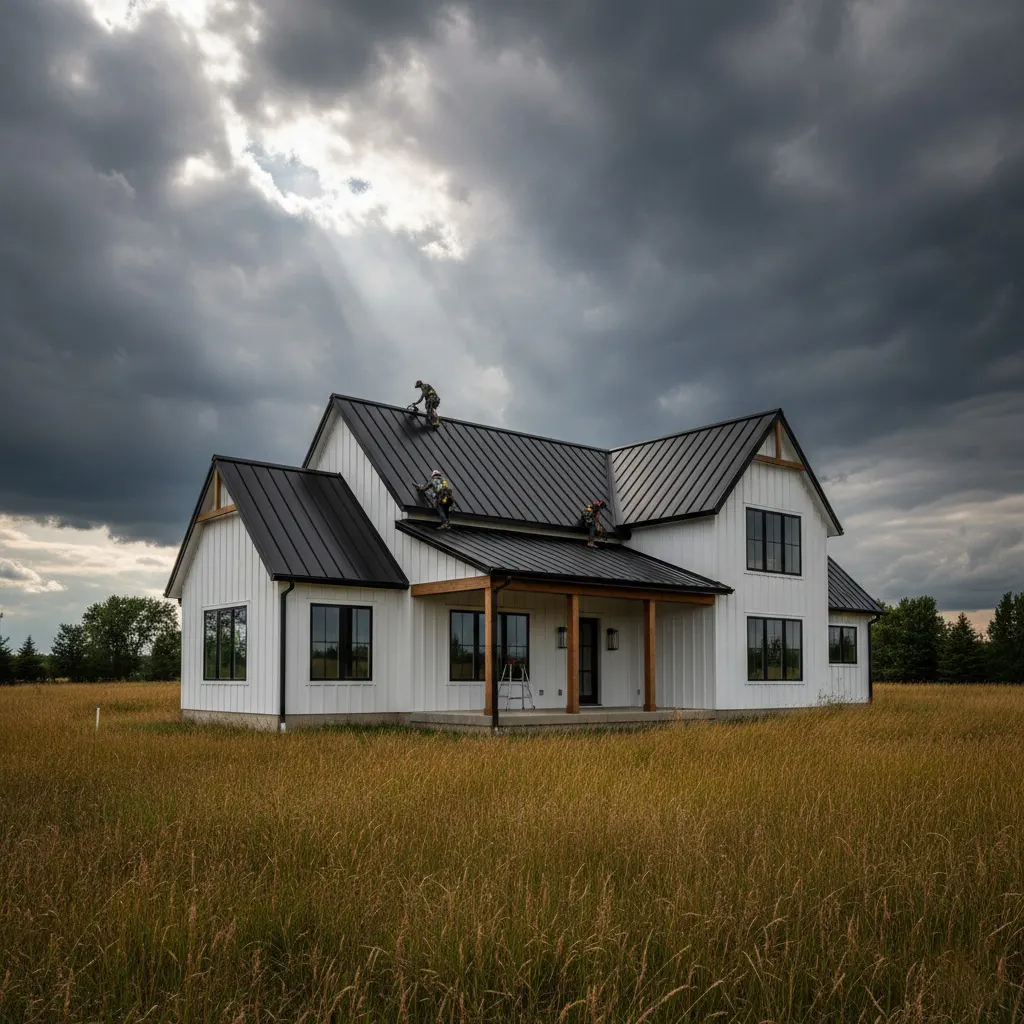
3. Clearing Debris and Managing Lakewood’s Seasonal Gutter Challenges
Lakewood’s unpredictable weather patterns bring more than just hail. When autumn leaves, pine needles, and mountain debris pile up in your gutters, you are essentially building a dam that directs water back under your shingles.
Standing water is the silent assassin of a sturdy roof. When the flow stops, wood rot starts to fester in your fascia boards and roof decking before you even realize there is a problem.
You need to keep those channels clear to ensure water moves away from your structure. Ignoring this simple chore is a fast track to expensive water intrusion that hits your wallet hard.
The Hidden Dangers of Clogged Gutters
- Ice Dams: During Colorado winters, backed-up debris causes snowmelt to refreeze at the roof edge. This pushes water underneath the shingles, leading to significant interior leaks.
- Weight Stress: Heavy, wet debris adds unnecessary pressure to your gutter spikes and hangers. Eventually, the entire system can pull away from the wood, damaging your roofline in the process.
- Pest Havens: Piles of damp organic material create a perfect home for insects and rodents. These pests will eventually chew through your soffits to find a way into your attic.
Think of gutter cleaning as a cheap insurance policy for your home. Taking thirty minutes to clear the muck twice a year prevents thousands of dollars in structural repair costs down the road.
4. How Proactive Inspections Prevent Costly Water Damage and Mold Growth
Most Lakewood homeowners have no idea what is happening on their roof until it is too late. A tiny, hairline crack in a shingle might look harmless, but it acts like an open invitation for moisture to seep into your decking.
Once that water sneaks past your shingles, it starts a slow-motion wrecking ball inside your house. You aren't just dealing with a roof repair anymore; you are fighting a war against rot and toxic mold.
Professional inspections stop this nightmare before it starts by catching these silent killers early:
- Identifying degraded flashing around chimneys and vents, which is the number one entry point for leaks.
- Detecting hidden moisture traps where shingles have curled or blistered.
- Spotting early signs of attic condensation, a common Lakewood problem caused by poor ventilation.
When an expert spots these issues during a routine check, the fix is usually quick and inexpensive. If you wait for the ceiling stains to appear, you are looking at replacing ruined drywall, wet insulation, and potentially structural wood supports. Don't gamble with your home's integrity just to save a few bucks on an inspection.

5. Roof Longevity in Action: A Lakewood Residential Restoration Case Study
Consider a typical ranch-style home we serviced in the Green Mountain area last year. The owners assumed their roof was fine because they didn't see any visible shingles missing from the street.
Upon our first professional inspection, we uncovered a different story. Trapped moisture was silently rotting the plywood decking, all because of a small, unsealed pipe boot that had gone unnoticed for three years.
Had they waited for a major interior leak, the repair bill would have topped $15,000. Instead, we caught the issue during a routine maintenance visit. Our intervention focused on:
- Replacing the degraded pipe flashing before water could infiltrate.
- Re-securing loose shingle tabs that were vulnerable to Colorado wind gusts.
- Clearing packed debris from the roof-to-wall transitions to prevent future pooling.
The total cost for this preventive work was a fraction of a full replacement. By taking action early, these homeowners added an estimated eight years of life to their existing roof system. It was the difference between a minor maintenance invoice and a financial disaster that could have wiped out their savings.
The Long-Term Financial Advantages of Investing in Routine Professional Maintenance
Think of professional roof maintenance as a high-yield insurance policy for your biggest asset. When you pay for a small inspection now, you are effectively buying your way out of a twenty-thousand-dollar nightmare later.
Most homeowners don't realize that a minor shingle repair costs pennies compared to a full roof replacement. Deferred maintenance is the most expensive way to own a home because it turns simple fixes into structural emergencies.
By catching issues early, you drastically extend the service life of your roofing materials. Consider the financial breakdown of being proactive versus reactive:
- Routine Inspections: Cost a few hundred dollars and identify loose flashings or grit loss before leaks start.
- Emergency Repairs: Involve 24/7 call-out fees, tarping costs, and the expense of repairing interior drywall and mold.
- Early Replacement: Occurs when a roof fails 10 years ahead of schedule due to lack of care, costing you tens of thousands in capital that could have been saved.
Professional care keeps your roof under the manufacturer's original warranty as well. Many warranty claims are denied because homeowners failed to provide documentation of regular, professional cleanings and check-ups.
Don't be the person who loses thousands because they skipped a simple maintenance visit. Keep your money where it belongs—in your bank account, not in a dumpster filled with prematurely discarded roofing materials.
7. Final Words: Securing Your Lakewood Home’s Future Through Consistent Care
Think of your roof as the primary shield protecting everything you own. When you commit to a consistent care schedule, you aren't just doing chores; you are actively extending the lifespan of your largest financial asset.
Most homeowners lose money because they react to problems instead of preventing them. You can break that cycle today by prioritizing regular Roof Maintenance before the next Colorado storm season hits.
The ROI of Preventive Action
Small, ignored issues like a missing shingle or a clogged downspout grow into expensive interior repairs. By staying ahead of the weather, you keep your hard-earned money in your bank account rather than handing it over to emergency contractors.
Consider these simple rules for long-term roof health:
- Schedule professional inspections every spring and autumn.
- Clear roof debris immediately after high-wind events.
- Address minor surface damage the moment you spot it.
Your home is built to shelter your family for decades, but only if you provide the necessary upkeep. Take control of your home’s durability right now, and you will rest easy knowing your shelter is ready for whatever Lakewood weather brings next.
People Also Ask
How often should I have my roof inspected in Lakewood, CO?
Due to Colorado’s volatile weather, including hail and heavy snowfall, we recommend professional inspections at least once a year. Additionally, it is wise to schedule a quick check-up immediately following any major wind or hail storm to catch damage early.Does routine roof maintenance really extend the lifespan of my roof?
Yes, proactive maintenance identifies minor issues like cracked shingles or loose flashing before they escalate into major problems. By addressing these small concerns regularly, you can often add several years to the overall life of your roofing system.What are the most common causes of roof damage in Lakewood?
The most frequent culprits in our area are high-velocity winds, severe hailstorms, and the freeze-thaw cycles of winter. These elements can degrade roofing materials over time, leading to leaks and structural stress if not properly managed.Is professional roof maintenance covered by homeowners insurance?
Generally, basic maintenance is considered a homeowner’s responsibility and is not covered by insurance. However, if a professional inspection uncovers damage caused by a specific covered event, such as a storm, your insurance policy may cover the necessary repairs.What happens if I ignore minor roof leaks?
Ignoring small leaks often leads to significant water intrusion, which causes structural wood rot and dangerous mold growth inside your attic. Over time, these neglected repairs turn into expensive full-roof replacements that could have been avoided with routine care.Need Roofing Services?
We complete roof repairs and replacements quickly across Lakewood and nearby areas to restore full protection against weather and extend the life of your property. Serving 80214, 80215, 80226, 80227.
Get Roofing Estimate