


⚡ TL;DR: This guide highlights essential factors for asphalt shingle roof installation in Lakewood, focusing on climate-specific ventilation and material quality to ensure your home remains protected during harsh winters.
📋 What You’ll Learn
Navigating the unique climate challenges of Lakewood requires specialized roofing knowledge. This guide reveals the essential installation secrets you need to ensure your new asphalt roof withstands Colorado's extreme weather patterns.
- Master the high-altitude climate impact by understanding how Denver’s intense UV rays, fluctuating temperatures, and sudden hailstorms actively degrade standard asphalt shingles over their typical expected lifespan.
- Identify critical installation components beyond the shingles, such as premium underlayment, proper flashing techniques, and high-quality fasteners required to maintain structural integrity during intense mountain wind events.
- Prevent common winter roof damage by implementing advanced ventilation and ice dam mitigation strategies that protect your attic from moisture buildup and prevent costly structural water leaks.
- Vet local contractors with confidence by asking the right technical questions that expose substandard labor practices and ensure your investment is handled by verified, experienced roofing professionals.
📖 Reading time: 7 min
✍️ Author expertise: Licensed Lakewood roofing contractor with over fifteen years of local field installation experience.
Most Lakewood homeowners think their asphalt roof is just a basic layer of shingles protecting them from the occasional Colorado hail storm. They assume all roofs are built the same and that the cheapest quote is the smartest move for their wallet.
That assumption is a recipe for a leaky disaster that will cost you thousands in hidden repairs within a few short years. The harsh reality is that our local altitude and extreme weather cycles demand more than just a standard installation job.
If you want to stop flushing money away on premature replacements, you need to understand the specific tricks contractors often keep quiet. Let’s pull back the curtain on the secrets that separate a roof meant to last from one destined for failure.

The High-Altitude Factor: How Denver’s Climate Impacts Shingle Longevity
Living in Lakewood means you are sitting at over 5,000 feet above sea level. This thin air doesn't just make your lungs work harder; it creates a brutal environment for your asphalt shingles.
At this altitude, the atmosphere offers significantly less protection against ultraviolet radiation. The sun essentially bakes your roof with intense, unfiltered UV rays all day long.
This solar intensity accelerates the breakdown of the asphalt binder holding your shingles together. Without that binder, your shingles turn brittle, lose their protective granules, and eventually curl up like potato chips.
Beyond the UV exposure, you have to deal with the Colorado temperature rollercoaster. It is not uncommon for your roof to see a 50-degree swing in a single day.
This constant cycle of expansion and contraction creates stress that would destroy a lesser roof in just a few seasons. If your materials weren't specifically rated for the Front Range, they will crack under the pressure.
Why Standard Shingles Fail in Lakewood:
- Granule Loss: UV rays strip the protective coating, leaving the base mat exposed to the elements.
- Thermal Shock: Rapid shifts from freezing nights to hot, sunny days cause shingles to lose their adhesion.
- High Wind Exposure: The thin air doesn't dampen wind gusts, which puts constant strain on the seal strips of every shingle.
Most roofing companies will try to sell you the same shingles they use at sea level. That is a strategic error that leaves your home vulnerable to premature failure.
You need to ensure your contractor is selecting impact-resistant materials designed to handle the specific atmospheric conditions found right here in the Rockies.
Anatomy of a Colorado-Grade Installation: Beyond the Shingle
Think of your shingles as the skin of your house. By themselves, they are defenseless against the brutal Lakewood weather cycles.
A true "Colorado-grade" installation relies on a hidden support system that sits underneath those shingles. If your contractor is just slapping shingles onto bare plywood, they are setting your home up for a total system failure.
You need a comprehensive roofing assembly that functions as a single, integrated machine. Here is what your installation must include to survive our specific climate:
- High-Temp Ice and Water Shield: This must be installed at all eaves and valleys to prevent meltwater from backing up under your shingles.
- Synthetic Underlayment: Forget old-school felt paper. Modern, tear-resistant synthetic layers provide a critical moisture barrier that breathes while locking out leaks.
- Corrosion-Resistant Fasteners: In our high-altitude environment, cheap nails rust and pull through shingles within months. Use heavy-gauge, galvanized or stainless steel fasteners only.
- Starter Strips: These specialized strips seal the edge of your roof, preventing wind uplift during our notorious Front Range gales.
Every single component above acts as a failsafe for the layer above it. When you skip these elements to save a few bucks, you are effectively deleting the structural integrity of your roof.
Don't let a contractor tell you these extras are optional. In Lakewood, they are the difference between a home that stays dry and a home that rots from the attic down.
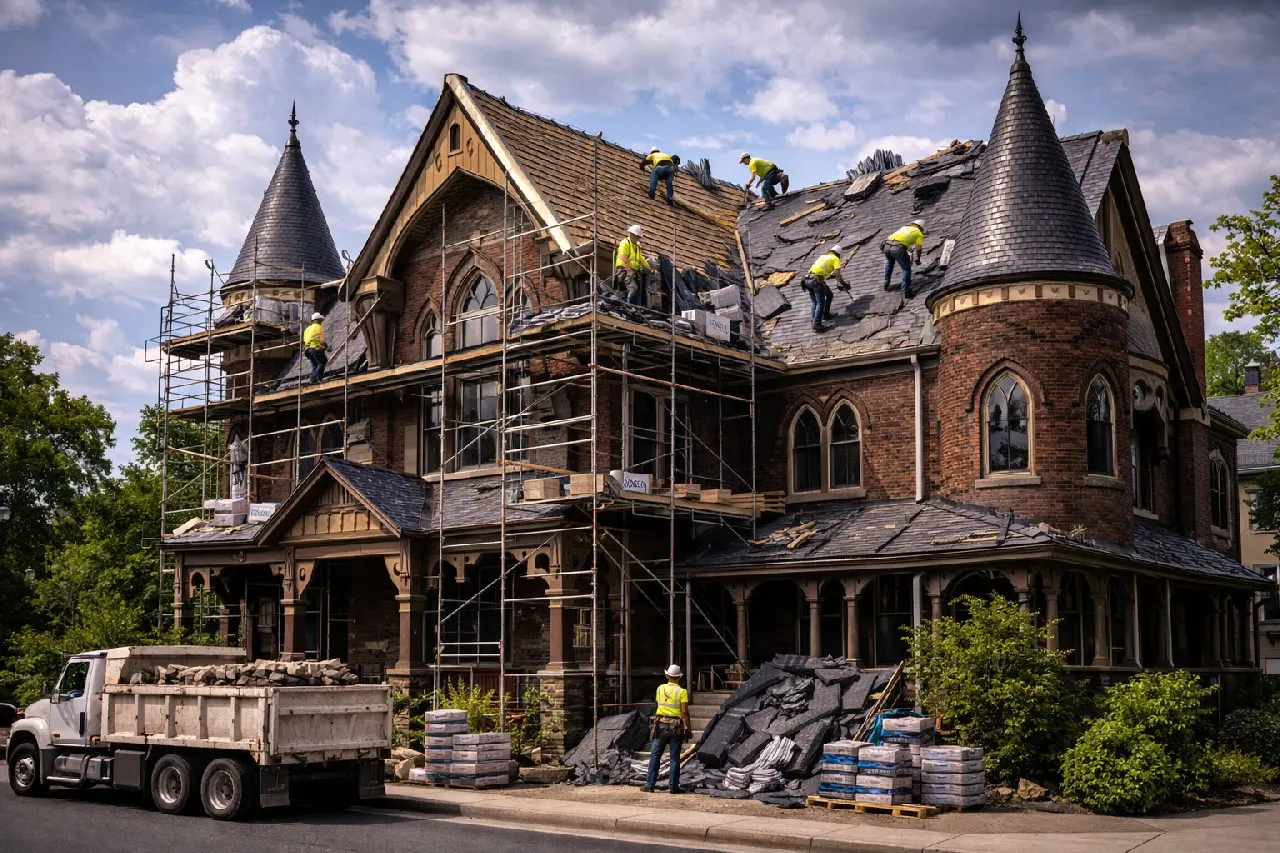
The Hidden Cost of "Cheap" Roofing: Identifying Substandard Materials and Labor
When a contractor hands you a rock-bottom quote, they aren't performing a miracle. They are likely cutting corners on the components you cannot see from the street.
Many discount installers skip the critical high-temp ice and water shield at the eaves. They might also use generic, off-brand felt paper that tears like wet tissue under our brutal Colorado sun.
Here is what you actually pay for when you chase the lowest price:
- Thin-gauge flashing that rusts or cracks within two seasons.
- The reuse of old, brittle roof jacks instead of installing new, reinforced seals.
- Using a nail gun with the air pressure set too high, which shreds the shingle instead of anchoring it.
- "Fast-track" labor crews paid by the bundle rather than by the quality of the finished seal.
These shortcuts create a false sense of security. You might save three thousand dollars today, only to shell out ten thousand in interior water damage and premature re-roofing costs by the time the next major storm hits.
Remember that a roof is a system, not just a pile of shingles. If the underlayment is subpar or the installation technique ignores the unique slope of your home, the shingles themselves become irrelevant.
Never let a contractor rush the inspection process. If they seem eager to skip the walkthrough of your attic ventilation or the condition of your roof deck, you are likely looking at a predatory shortcut in the making.
Ventilation and Ice Dams: Critical Strategies for Lakewood Winters
Lakewood winters are notorious for a freeze-thaw cycle that turns your roof into a potential disaster zone. When heat escapes your living space and warms the roof deck, the snow melts and trickles down to your freezing eaves. This refreezing process creates ice dams, which force trapped water back under your shingles and straight into your attic insulation.
To stop this cycle, your roof requires more than just shingles. You need an aggressive ventilation strategy that keeps the roof deck cold and consistent. Proper intake and exhaust airflow prevents heat buildup, keeping the roof surface temperature uniform across the entire plane.
Key Components for Winter-Proofing
- Continuous Soffit Vents: These allow cool, dry air to enter the attic space from the bottom of the roof edge.
- Ridge Vents: The peak of your roof must be open to let warm air escape, maintaining a neutral temperature.
- High-Temp Ice and Water Shield: This waterproof underlayment creates a critical barrier at your eaves, where water is most likely to back up.
If your attic feels like a sauna while it is snowing outside, your current ventilation setup is failing. Don't wait for a ceiling stain to realize your roof is "breathing" incorrectly. An expert installation ensures your roof deck temperature matches the outside air temperature, effectively killing ice dams before they ever get the chance to grow.

From Failing to Fortified: A Lakewood Residential Case Study
Take the recent project we managed in the Green Mountain area. The homeowners were tired of paying for constant "patch jobs" after every heavy spring storm, only to find new water spots appearing on their ceiling months later.
They assumed the roof was simply worn out by age. When we peeled back the surface, we discovered the ugly truth: the original installers had skipped the high-temperature underlayment and ignored the flashing details around the chimney.
It was a textbook example of a roof that looked fine from the street but was a ticking time bomb underneath. To turn this failing structure into a fortified shield, we took a different path:
- We replaced the standard felt paper with synthetic, high-grade underlayment that can handle the drastic temperature shifts common in Lakewood.
- Our crew installed ice and water shields in all valleys and eaves to prevent the creeping damage that Denver winters cause.
- We added high-profile ridge vents to ensure the attic could actually breathe, preventing the moisture buildup that rots shingles from the inside out.
The result was night and day. By ditching the shortcuts and focusing on the mechanical integrity of the roof, we stopped the leaks permanently. This family didn't just get a new roof; they bought peace of mind, knowing their home could handle anything the Front Range threw its way.
This isn't about luxury; it’s about applied physics. When you install a roof the right way, you don't spend the next decade worrying about what happens when the wind picks up or the snow piles deep on your roof deck.
Selecting the Right Contractor: Questions That Force Expert Transparency
Finding a roofer in Lakewood is easy, but finding a craftsman who understands our unique mountain-adjacent climate is a different story. Most fly-by-night operations will give you a glossy brochure and a smile, but you need to pin them down with specific, technical questions. If they squirm or provide vague answers, you have found a contractor who will cut corners on your dime.
Start by asking these questions to see who actually knows their business:
- What specific underlayment system do you use to prevent moisture trapped by our rapid temperature swings?
- How do you calculate the net-free vent area required for my specific roof pitch and attic volume?
- Do you use hand-nailing or pneumatic guns, and how do you ensure the nails aren't driven through the shingle?
- Can you provide a list of three local jobs you completed over five years ago that I can drive by today?
A true professional will appreciate these questions because they prove you are an educated buyer who values quality over a bargain. If a contractor gets defensive or tries to brush you off with a line about how they have done it that way for twenty years, walk away. You want a partner who prioritizes your roof's longevity over closing a quick sale.
7. Final Words: Investing in Your Home’s First Line of Defense.
Your roof is not just a collection of building materials. It is the only thing standing between your family and the unpredictable Lakewood elements.
When you cut corners on your Asphalt Shingle Roof Installation, you aren't saving money. You are effectively betting against the Colorado climate, and the house eventually wins.
High-quality installation is an insurance policy against future headaches. Do it right once, and you can stop worrying about every thunderstorm that rolls off the Rockies.
Protecting Your Biggest Asset
Think of your roof as the chassis of a high-performance vehicle. If the foundation is weak, the engine doesn't matter.
Investing in superior materials and experienced labor pays off in three specific ways:
- Increased Property Value: Prospective buyers check the roof condition immediately. A new, expertly installed roof is a massive selling point.
- Reduced Energy Consumption: Proper ventilation and high-grade shingles keep your cooling costs down during our brutal summer heatwaves.
- Peace of Mind: Sleep soundly knowing your home is sealed against moisture, rot, and structural damage.
Stop looking for the bottom-barrel price. Start looking for the lasting value that keeps your home safe for decades to come.
You have the knowledge now to spot the difference between a amateur job and a professional masterclass. Use it to protect your home's integrity.
People Also Ask
How long do asphalt shingle roofs last in Lakewood, Colorado?
While standard asphalt shingles often carry 30-year ratings, the high altitude and intense UV exposure in Lakewood typically reduce their lifespan to 15 to 20 years. Consistent maintenance and proper attic ventilation are essential to helping your roof reach the upper end of that estimate.Are architectural shingles better for Colorado weather?
Yes, architectural or dimensional shingles are superior for Colorado because they are thicker and more wind-resistant than traditional three-tab shingles. Their multi-layered design provides better protection against the frequent hail and high-speed wind gusts common in the Denver metro area.What is the best time of year to install a new roof in Lakewood?
The optimal time for a roof installation in Lakewood is during the late spring, summer, or early autumn months. You want to avoid the freezing temperatures of winter, as asphalt shingles require heat to seal properly and remain flexible enough to install without cracking.Do I need impact-resistant shingles for my Lakewood home?
Investing in Class 4 impact-resistant shingles is highly recommended in Lakewood due to the frequent hail storms that plague the Front Range. Many insurance providers in Colorado also offer significant premium discounts for homeowners who choose these durable, high-rated materials.How do I know if my roof needs replacing or just repairs?
If you notice curled edges, missing granules, or leaks after a storm, it is time for a professional inspection. A roof nearing its 20-year mark with widespread damage usually requires a full replacement to ensure your home remains protected against Colorado’s unpredictable climate.Need Roofing Services?
We complete roof repairs and replacements quickly across Lakewood and nearby areas to restore full protection against weather and extend the life of your property. Serving 80214, 80215, 80226, 80227.
Get Roofing Estimate