


⚡ TL;DR: This guide reveals essential secrets for high-quality roof replacement in Kansas City by highlighting critical installation practices that protect your investment against harsh local weather and structural decay.
📋 What You’ll Learn
Navigating a roof replacement in Kansas City requires more than just picking a color. This guide reveals the professional secrets to ensuring your investment survives our volatile Midwestern weather patterns effectively.
- Identify hidden material compromises that contractors often use to cut costs, specifically focusing on low-grade underlayment that can lead to premature failure and costly interior water damage later.
- Master the science of ventilation to understand how improper attic airflow prematurely cooks your shingles, drastically shortening the expected lifespan of your new roof in the Kansas heat.
- Master critical flashing techniques that prevent the most common leaks at chimneys, valleys, and roof-to-wall transitions, which are frequently neglected during rushed, low-bid residential roofing installations across KC.
- Navigate Kansas City climate demands by selecting impact-resistant materials designed to withstand our specific regional threats, including golf-ball-sized hail, localized wind gusts, and severe temperature-induced thermal expansion.
- Spot contractor red flags before signing a contract by learning the exact questions to ask that expose sub-par workmanship and ensure you hire a local pro who stands behind.
📖 Reading time: 8 min
✍️ Author expertise: Third-generation Kansas City roofing contractor with twenty years of hands-on structural repair experience.
Most Kansas City homeowners think a new roof is just shingles, nails, and a hefty check written to the first contractor who answers the phone. That is exactly how you end up paying for hidden mistakes that won't show their ugly faces until the next heavy storm hits.
I have spent years watching crews cut corners behind the scenes, leaving unsuspecting families with shortened roof lifespans and voided warranties. There are specific trade secrets the big companies hope you never discover because knowing them puts all the power back in your wallet.
Before you sign a single contract or let anyone strip a shingle off your home, you need to know what is actually happening on top of your house. Here is the truth about the roofing business and how to ensure your investment actually lasts.
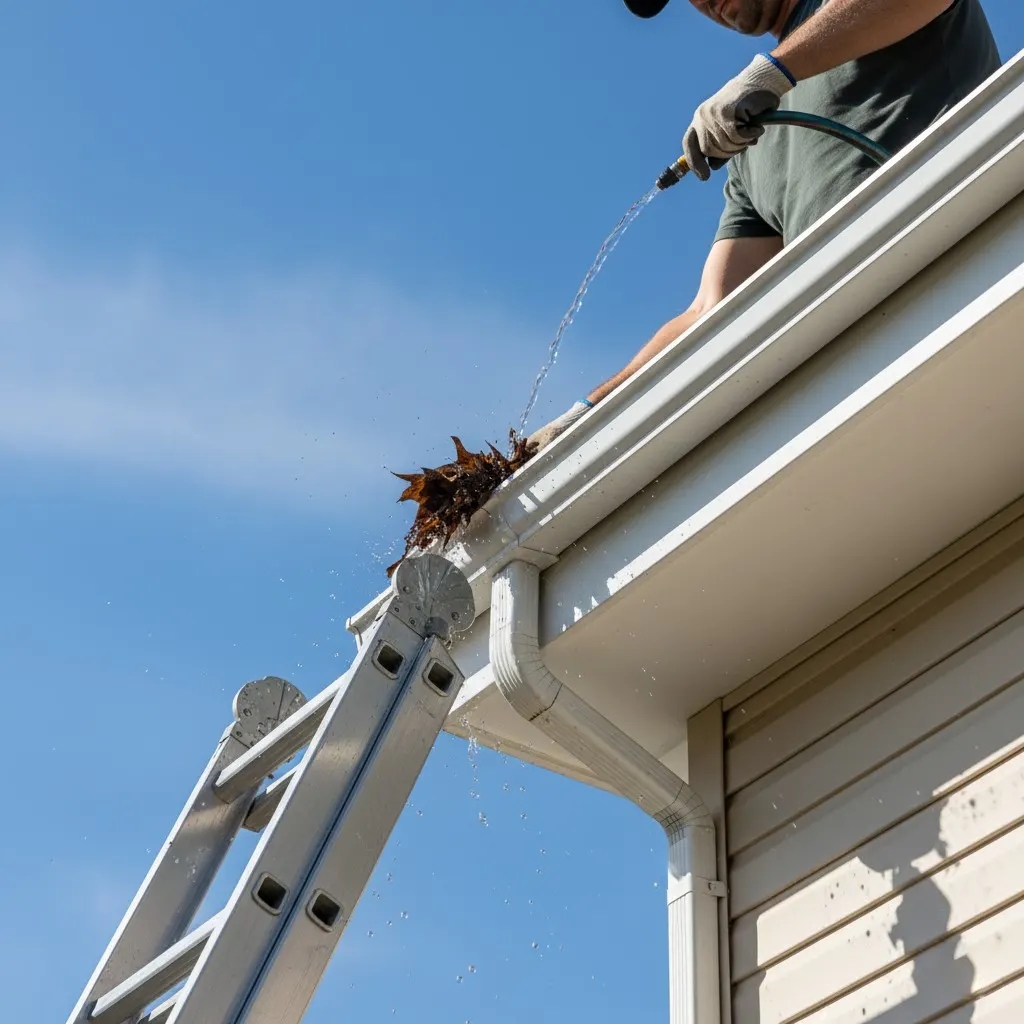
The Underlayment Deception: Why Cheaper Materials Cost You More
Most roofing contractors treat the underlayment as an afterthought because it gets covered up immediately. They view it as a line item to slash to win a competitive bid.
But here is the reality: your shingles are just the outer skin. The underlayment is the actual water barrier that protects your wooden deck when wind-driven rain or ice dams occur.
When a cheap contractor uses low-grade felt paper, they are setting a ticking time bomb. This material becomes brittle in our harsh Kansas City heat cycles and tears during installation.
The Real Cost of "Value" Materials
Cheap felt is porous and thin. It traps moisture rather than shedding it, causing your plywood sheathing to rot from the inside out.
You might save a few hundred dollars today, but you will pay thousands later to replace structural decking that could have stayed dry. Here is why the pro-grade options matter:
- Synthetic Underlayment: It is practically tear-proof and does not absorb water, keeping your deck bone-dry.
- High-Temp Ice and Water Shield: This sticky, rubberized membrane creates a hermetic seal around every single nail you drive into your roof.
- UV Resistance: Premium underlayments can sit exposed to the elements for weeks without degrading, whereas cheap felt starts crumbling if left uncovered for just a few days.
Do not let them skip this step or substitute it with the thinnest felt available. If you see rolls of cheap, black tar paper being hauled onto your roof, ask questions immediately.
Insisting on high-quality synthetic underlayment is the single most effective way to guarantee your roof survives the next decade. If the contractor pushes back, they are prioritizing their profit margin over the structural integrity of your home.
Proper Ventilation: The Invisible Factor Destroying Your Shingles
Most homeowners assume a roof is just a lid. In reality, your attic is a complex thermal engine that needs to breathe.
If your roof isn't venting correctly, you aren't just trapping heat; you are effectively cooking your shingles from the inside out. When attic temperatures spike during a Kansas City summer, the excessive heat has nowhere to go. This literal oven effect dries out the oils in your shingles, making them brittle and prone to cracking long before their warranty expires.
I see it constantly: a beautiful, brand-new roof that begins curling or losing granules after only a few years. It is rarely the manufacturer's fault. It is a failure of airflow mechanics.
The Signs of a Suffocating Roof
You can check for these red flags yourself before the rot sets in. If you ignore these, you are essentially paying for a premature replacement:
- Frost or ice dams forming on your roof edges in the winter.
- Mold or mildew appearing on the underside of your roof decking.
- Rust appearing on metal fasteners inside the attic space.
- Energy bills that skyrocket during the peak of the season.
A smart contractor will verify your intake and exhaust balance before touching a single shingle. They should calculate your attic square footage to ensure you have enough net-free ventilation area. If they skip this step, they are gambling with your money, not theirs.
Proper ventilation is not an optional accessory. It is the life insurance policy for your roof shingles.
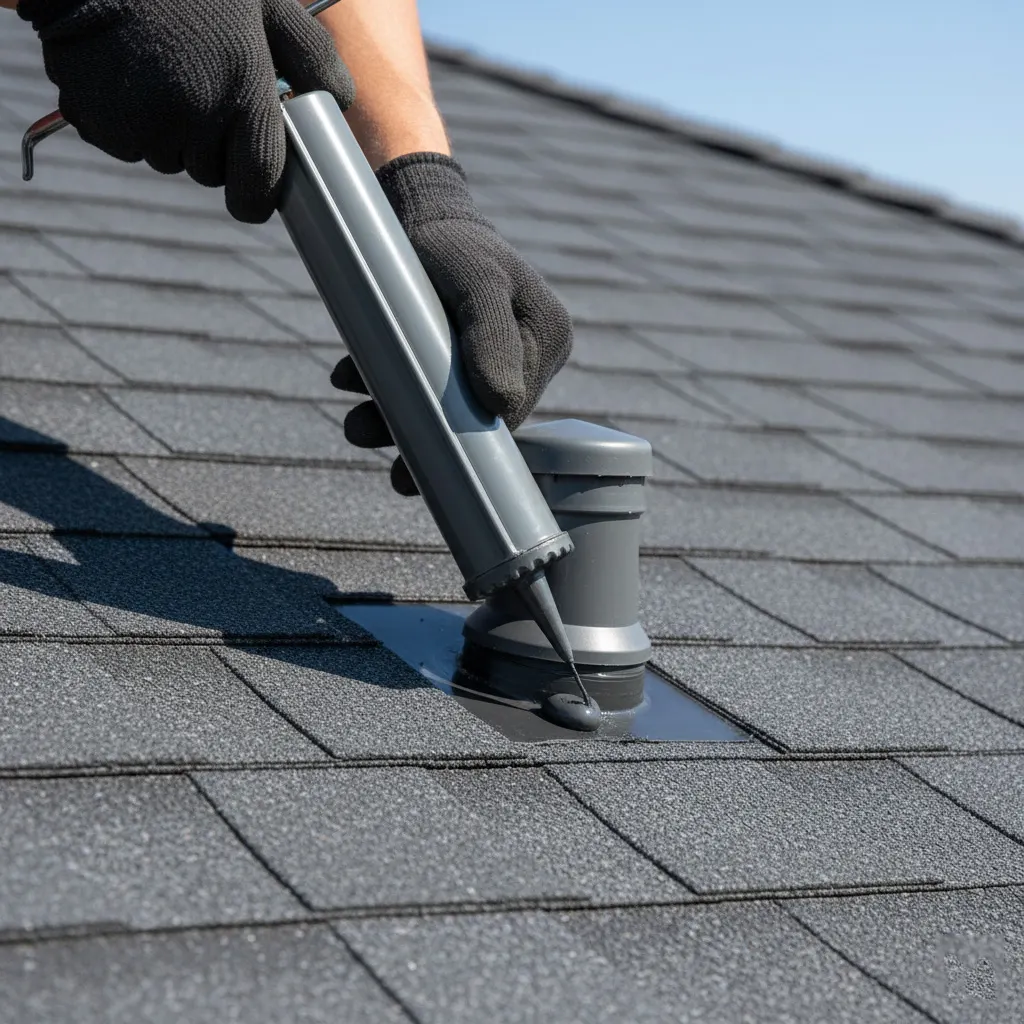
Flashing and Drip Edge: Where Most Leaks Actually Begin
Here is a cold, hard fact most roofers won't tell you: your shingles are not the primary barrier against water. When water gets past the top layer, it relies entirely on the metal components—the flashing and the drip edge—to guide it safely away from your home.
Many contractors skip the drip edge installation or use cheap, thin metal that bends under the weight of a heavy Kansas City downpour. If this metal isn't installed properly under the underlayment, water will drip directly into your fascia board and rafters, causing hidden wood rot that can cost thousands to repair.
You need to watch out for these common installation failures that turn your roof into a liability:
- Skipping the valley flashing: This is where two roof slopes meet. If they just "weave" the shingles together without high-quality metal flashing, your roof will leak within two years.
- Reusing old flashing: Some crews try to save time by keeping the rusted, warped flashing from your old roof. Never let them do this.
- Improper overlap: Flashing must overlap in a way that forces water downward. If the metal pieces aren't layered correctly, water will wick right back inside your attic.
Think of your flashing and drip edge as the skeletal system of your roof. Even if you have the most expensive, heavy-duty shingles on the market, your home is wide open for water damage if these metal pieces aren't installed with precision. Inspect the perimeter of your roof; if you see gaps or metal that isn't sitting flush against the wood, you are looking at a ticking time bomb for your ceiling.
The Kansas City Climate Challenge: Protecting Your Roof From Hail and High Winds
Kansas City weather is not just unpredictable; it is downright aggressive. One minute you have sunshine, and the next you are bracing for a storm that could punch holes through subpar roofing materials.
If your contractor is installing standard, entry-level shingles, they are setting you up for failure the moment the first Missouri thunderstorm rolls through. You need a roof rated for the local reality, not the bare minimum code requirements.
The Real Risks to Your Roof
- Hail impact resistance: Standard shingles often shatter during our regional hail events. You should demand Class 4 impact-rated shingles to survive the ice.
- Wind uplift: Kansas City wind gusts can rip shingles right off the deck if they are not installed with the correct nail pattern.
- Thermal cycling: Our rapid temperature swings cause materials to expand and contract, which cracks brittle components.
Most big-box companies rely on bulk-order materials that simply cannot handle these extremes. They bank on the fact that your roof will look fine for the first two years, right until the manufacturer warranty expires or the next major storm hits.
Do not let them treat your home like a generic cookie-cutter project. Demand high-wind rated starters and double-check that every shingle is fastened according to high-velocity wind specifications. It is the only way to ensure your roof stays attached when the sirens go off.

Case Study: Correcting Structural Failures in a Historic KC Neighborhood
I recently stepped onto a job site in a historic Kansas City neighborhood where the homeowner was fighting a persistent leak. Previous contractors had slapped new shingles over a sagging, rotting deck, ignoring the root cause of the failure.
The rafters had bowed over decades of Kansas City heat cycles, turning the roof into a literal sponge. Because the previous crews skipped the structural inspection, they installed expensive architectural shingles on a foundation that was doomed to collapse.
When we opened the deck, we didn't just find a leak; we found a disaster. We had to perform a total structural reset before a single new sheet of plywood touched the frame.
Here is what we discovered during the teardown:
- Compromised rafters that had lost their integrity due to prolonged moisture exposure.
- Incorrect ventilation baffles that acted as funnels for trapped condensation.
- A lack of proper bracing, which made the roof deck bounce under the weight of our crew.
This situation serves as a wake-up call for anyone owning an older home in the metro area. You cannot simply cover up structural neglect with shiny new materials.
If your roof feels squishy when you walk on it, or if you see internal sagging, do not wait for a leak to start. A new roof is only as good as the wood it is nailed into, and ignoring your rafters is a guaranteed way to throw your hard-earned money into the trash.
Vetting Your Contractor: The Red Flags Big Roofing Companies Ignore
Most big-box roofing companies operate like assembly lines. They prioritize speed over substance, often hiring transient labor that lacks the nuance required for a Kansas City roof.
If you want to spot a contractor who is about to cut corners, look for these specific red flags during the initial estimate:
- The "One-Price" Phone Quote: If they offer a price without climbing onto your roof to inspect the decking or flashing, they are guessing. Guessing leads to change orders mid-project that inflate your final bill.
- Pressure to Sign "Right Now": High-pressure tactics are the hallmark of a company that needs your cash more than they need to solve your problem. A quality contractor gives you a detailed proposal and the space to review it.
- Subcontractor Silence: Always ask, "Who is actually climbing on my roof?" If they deflect the question or claim they use their own crews when they actually use day laborers found in a parking lot, run the other way.
A true professional will invite you to see their work, not just hide behind a flashy logo or a radio advertisement. They should provide a clear list of materials, explain the ventilation strategy, and show you exactly how they handle the flashing at your chimneys and valleys.
If the person giving you the quote cannot explain how they handle ice dams or why they choose a specific underlayment, they are just a salesperson in a company shirt. You aren't buying a product off a shelf; you are hiring a craftsman to protect your family’s most valuable asset. If they can't answer the technical questions, they aren't the ones you want touching your home.
Final Words: Ensuring Your Investment Stands the Test of Time.
A new roof is not just a cosmetic upgrade for your curb appeal. It is the literal shield protecting your family and your biggest financial asset from the brutal Kansas City weather.
If you want to stop the cycle of recurring repairs, you have to treat your Roof Replacement project like a high-stakes construction job rather than a home decor choice. Precision beats speed every single time.
The Checklist for Long-Term Performance
Before you sign a contract, confirm that your installer agrees to these non-negotiable standards. If they balk at these requests, walk away immediately:
- Hand-nailing vs. Nail Guns: Demand that shingles are hand-nailed in critical areas to prevent blow-offs during high winds.
- Ice and Water Shield: Ensure high-quality membrane is applied to every valley and penetration, not just the eaves.
- Attic Inspections: A pro must verify that your intake and exhaust ventilation are balanced correctly before installing a single shingle.
Remember, the cheapest bid is almost always a trap. It is a mathematical certainty that if a contractor drops their price significantly, they are cutting costs on materials or labor hours somewhere you cannot see.
Protect your investment by prioritizing integrity over convenience. When you demand transparency and refuse to settle for shortcuts, you end up with a roof that stays dry long after your neighbors are calling for emergency patches.
People Also Ask
How do I know if I need a full roof replacement or just a repair in Kansas City?
If your roof is over 20 years old or shows signs of widespread granule loss, curling shingles, and interior leaks, a full replacement is usually the most cost-effective long-term solution. A professional inspection can determine if the structural decking underneath is compromised, which often necessitates a complete tear-off.Why is local roof ventilation so critical for Kansas City homes?
Kansas City experiences extreme temperature swings that cause trapped heat and moisture to build up in the attic during the summer and winter. Without proper ventilation, this trapped heat prematurely bakes your shingles from the underside, leading to premature aging and costly rot.What specific roofing materials withstand Kansas City hail best?
For our local climate, impact-resistant shingles labeled with a Class 4 rating are the industry gold standard for hail protection. These high-performance materials are engineered to withstand significant force, potentially qualifying you for homeowners insurance discounts in the process.What should I look for when vetting a Kansas City roofing contractor?
Always prioritize contractors who provide local references and carry comprehensive liability and workers' compensation insurance. Be wary of companies that demand full payment upfront or those that skip the essential step of replacing your drip edge and flashing during the installation process.What are the signs of poor roof installation?
Common red flags include visible gaps in the flashing, shingles that do not lay flat, or mismatched colors across the roof plane. Furthermore, if you notice interior ceiling stains or poor attic airflow shortly after a project, your installer likely failed to follow modern building codes.Need Roofing Services?
We deliver durable roofing installations and repairs quickly to protect homes and businesses in Kansas City, KS and nearby areas (66101, 66102, 66103, 66104, 66105).
Get Roofing Quote