


⚡ TL;DR: Avoid common mistakes like poor ventilation and weak sealing when planning asphalt shingle roof installation in Corona so your roof stands up to intense sun and wind.
📋 What You’ll Learn
In this guide to asphalt shingle roof installation in Corona, you'll learn how to avoid the most common mistakes that cause early failure in Southern California's demanding climate.
- Choose shingles rated for intense sun and wind so your Corona roof resists fading, cracking, and blow-offs during extreme Santa Ana wind events.
- Inspect and repair the roof deck before shingling to eliminate hidden damage that leads to leaks and costly structural problems later.
- Install proper ventilation to release trapped heat and moisture, preventing premature shingle deterioration in Corona's hot, dry summers.
- Apply correct flashing and nailing techniques around vents, chimneys, and valleys to block wind-driven rain and ensure long-term leak protection.
📖 Reading time: 7 min
✍️ Author expertise: Corona roofing specialist with 18 years of local asphalt shingle installation experience.
Getting your asphalt shingle roof installed in Corona can turn into a costly headache if the crew skips key steps or cuts corners on materials. Homeowners here deal with intense sun, sudden rains, and those Santa Ana winds that test every seam and nail. One wrong move during installation and you're looking at leaks, early wear, or a full redo before the warranty even kicks in.
Most mistakes happen because crews rush the prep work or ignore how local weather hits these roofs. That leaves gaps in ventilation, poor flashing around vents, or shingles that don't seal tight enough to handle the heat. You end up paying twice when the first storm exposes the shortcuts.
Stick around to see the exact errors that pop up time after time with asphalt shingle roof installation in Corona and how to steer clear of them for a roof that lasts.

Mistake #1: Ignoring Corona's Intense Sun and Wind When Selecting Shingles
Corona hits roofs hard with nonstop UV rays that bake standard shingles until they curl and lose their grip. Santa Ana winds then rip at the edges, turning small cracks into full blow-offs within a couple seasons.
Most crews grab whatever shingles sit cheapest on the truck without checking wind ratings or solar reflectance. That choice leaves homeowners staring at faded patches and leaks right after the first big gust.
Pick shingles rated for at least 110 mph winds and with high solar reflectance to fight the heat. Look for these specs on the label before the crew starts:
- Impact-resistant Class 4 rating for hail and debris.
- Manufacturer wind warranty that matches local gusts.
- Granule loss tests that prove they hold up under constant sun.
Mistake #2: Skipping Proper Roof Deck Inspection and Repairs
Roof deck problems hide under old shingles until they cause real trouble. A quick glance from the ground misses rot, soft spots, or water damage from past storms. Crews that skip this step lay new shingles right over the mess and call it done.
That shortcut shows up fast in Corona heat. Moisture trapped below warps the deck and pushes shingles loose. Leaks start at the weakest points and spread before you even notice.
- Check for soft plywood or OSB during every tear-off.
- Replace damaged sections instead of patching over them.
- Look for nail pops or delamination that signal bigger issues.
Fixing the deck right the first time costs less than a full roof replacement later. Homeowners who insist on this inspection get a solid base that holds up to wind and sun without early failures.

Mistake #3: Inadequate Ventilation That Traps Heat and Moisture
Corona homes bake under relentless sun most of the year. Without enough airflow up there, heat and moisture get stuck between the shingles and deck. That combo cooks the shingles from below and invites rot fast.
Most install crews skip the math on vents because it takes extra time. They slap on a couple of turbines and call it done. Your roof pays for it with warped boards and shortened life.
Watch for these common shortcuts
- Too few intake vents at the eaves
- No ridge vent running the full length
- Blocked soffits from insulation or debris
Fix the ventilation right the first time and your shingles stay cooler. They seal tighter and hold up against the next heat wave. Skip it and you replace the roof years early.
Mistake #4: Flashing Shortcuts Around Vents, Chimneys, and Valleys
Flashing around vents, chimneys, and valleys often gets rushed with thin metal strips that fail to overlap or seal tight. Water sneaks under the shingles the first time heavy rain combines with those Santa Ana gusts. Your attic ends up damp before the roof even settles in.
Crews sometimes skip step flashing at chimneys or use a single piece that pulls away under heat. Valleys collect the heaviest runoff, so poor cuts here turn small drips into steady leaks inside walls.
Watch for these red flags during the job:
- Metal that stops short of the ridge line.
- No extra sealant at pipe boots.
- Shingles nailed straight through the valley metal instead of weaving over it.
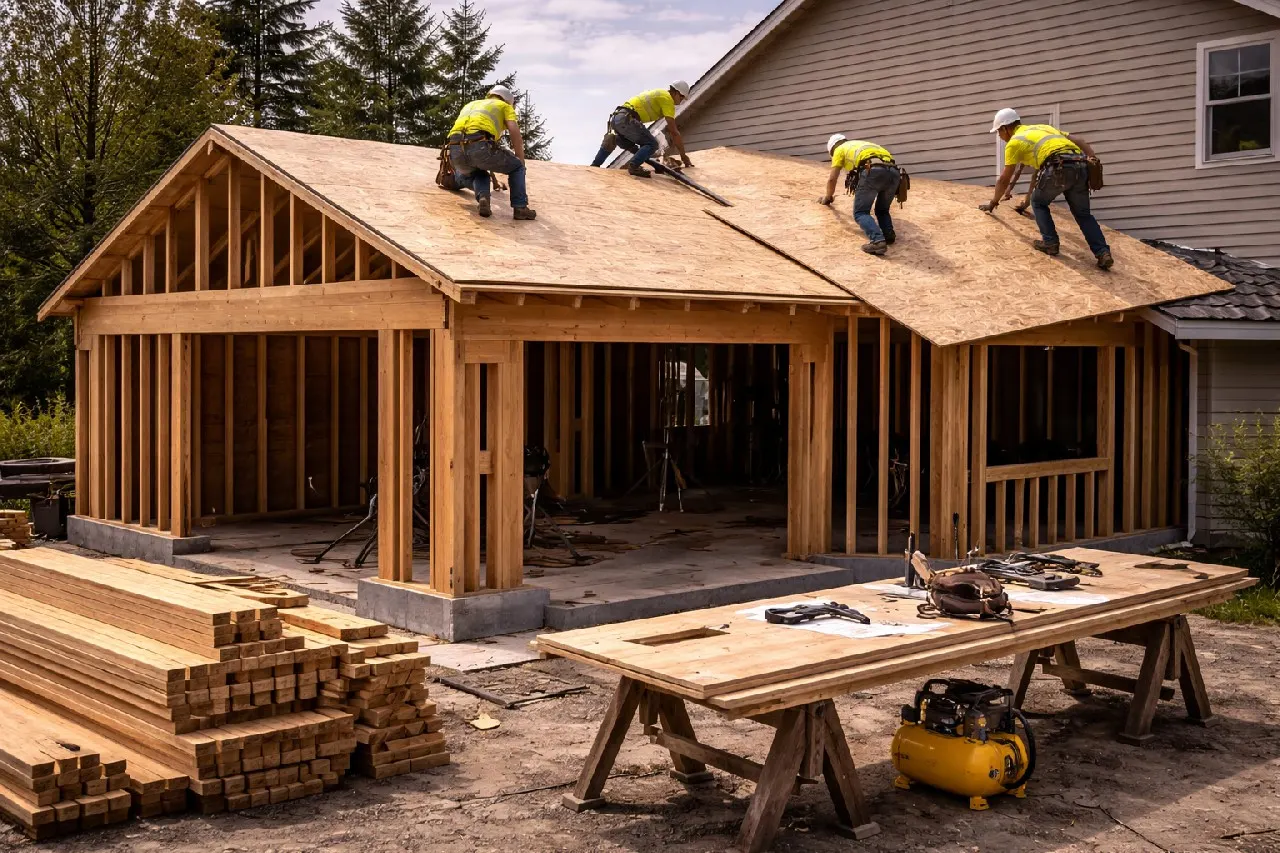
Mistake #5: Poor Nailing and Sealing Techniques That Fail in Santa Ana Winds
Shoddy nailing turns a solid roof into a liability fast when those Santa Ana winds hit Corona. Crews that skip the right nail count or angle often leave shingles flapping loose after one big gust. This mistake shows up as lifted edges and leaks that start small but spread quick.
Proper nailing follows a tight pattern that locks each shingle down against 60-mile gusts.
- Use galvanized nails at least 1.25 inches long.
- Drive them straight with the head flush, never overdriven into the shingle.
- Place four to six nails per shingle in the designated zones.
Sealing gets rushed too, with crews skipping the adhesive strips or using cheap caulk that cracks under heat. Double-check every valley and ridge for full contact so wind can't sneak underneath. Homeowners who insist on these steps see roofs that stay put for decades instead of needing patches after the first storm season.
Case Study: How Proper Installation Prevented Early Failure on a Corona Home
A homeowner on the east side of Corona called us after noticing some neighbors' roofs peeling up after just two seasons. Their place sat right in the path of those Santa Ana gusts, plus full sun exposure all day. The crew started by checking the deck for soft spots and replaced a few warped boards before laying anything new.
They added extra ridge vents and intake soffits to keep air moving, then sealed every valley and pipe with oversized flashing that wrapped under the shingles. Nails went in at the right angle and depth, with sealant dots on the tabs to lock them down tight.
- Deck inspection caught hidden rot early
- Full ventilation upgrade cut heat buildup by half
- Reinforced flashing held through last winter's rains
Three years later the roof still looks solid with zero leaks or lift. The owner saved the cost of a full replacement that hit several nearby houses. Proper steps at install time turned what could have been a short-term roof into one that keeps performing.
Conclusion
These installation slips add up fast in Corona. From picking shingles that can't handle the sun to skimping on deck checks and wind-proof nailing, each shortcut invites leaks and early repairs. A solid crew fixes these before they start.
Focus on ventilation that actually moves air, flashing done right at every joint, and nails driven to spec. That setup stands up to Santa Ana gusts and keeps your roof performing for years instead of months.
Ready to see the full steps laid out? Check our Asphalt Shingle Roof Installation page for the exact process that works here.
We install and repair roofs across Corona and nearby areas (92879, 92880, 92882, 92883) to deliver lasting weather protection through fast project completion.People Also Ask
How does Corona's climate affect asphalt shingle roof installation?
Corona's intense sun and wind require shingles with high UV and wind resistance ratings. Selecting standard shingles without these features leads to faster cracking and lifting. Proper material choice extends roof life significantly in this environment.
Why is roof deck inspection important before asphalt shingle installation?
A detailed deck inspection reveals damaged wood or weak spots that must be repaired first. Skipping this step causes uneven shingle adhesion and hidden leaks over time. Thorough repairs create a stable base that supports long-term performance in Corona homes.
How does inadequate ventilation harm asphalt shingle roofs?
Poor ventilation traps heat and moisture in the attic, leading to shingle blistering and structural rot. Balanced airflow through ridge and soffit vents keeps temperatures stable. This prevents early failure and maintains energy efficiency in hot Corona summers.
What flashing errors cause leaks during asphalt shingle roof installation?
Shortcuts with flashing around vents, chimneys, and valleys allow water intrusion under the shingles. Using proper step and counter flashing creates secure, watertight seals. Attention to these details stops leaks even during heavy rains or Santa Ana winds.
How do poor nailing techniques fail in Corona's high winds?
Incorrect nail placement and depth leave shingles prone to tearing during strong winds. Nails must hit the right zones and be driven flush for maximum hold. Wind-rated shingles installed with professional techniques resist uplift effectively.
Need Roofing Services?