


⚡ TL;DR: This friendly guide outlines everything Corona homeowners need to know about tile roof installation, from site prep and material choices to permits and weather considerations.
📋 What You’ll Learn
In this guide about tile roof installation in Corona, you’ll discover the essential steps, local requirements, and what to expect throughout the entire process.
- Evaluate your existing roof condition thoroughly to identify necessary preparations, ensure structural integrity, and avoid surprises during the tile roof installation project in Corona.
- Select tile materials suited for local heat and wind by exploring durable styles and options that perform reliably in Corona’s climate while boosting curb appeal.
- Navigate permits, codes, and HOA rules successfully to secure approvals quickly, stay compliant with Corona regulations, and keep your project on schedule without setbacks.
- Follow the day-by-day installation process clearly including how weather patterns influence timing and real examples from completed Corona home replacements.
📖 Reading time: 7 min
✍️ Author expertise: Experienced Corona roofing contractor sharing insights from over a decade of local tile roof installations.
Getting a tile roof put on your house in Corona isn't some weekend project you can wing without a plan. Most homeowners get blindsided by the prep work, the weather quirks, and the exact way those heavy tiles lock in place for decades.
You want the job done right the first time so you don't end up with leaks or callbacks that drain your wallet. That means knowing the real timeline, what your crew needs from you upfront, and how the local sun and wind change the game.
Let's lay out exactly what to check before you sign anything and how the whole install rolls out from day one.

Assessing Your Current Roof and Pre-Installation Site Prep in Corona
Start by climbing up or hiring someone who knows tile roofs to poke around your existing setup. Check for soft spots in the decking, old underlayment that's cracking, and any signs of water that snuck in over the years. Corona homes from the 70s and 80s often hide rot under those original tiles, so catch it before the new ones go on.
Once you know the real condition, clear the area around the house. Trim back trees that hang over the roof edges. Move cars, patio furniture, and anything else that could get hit by falling debris or blocked by delivery trucks.
- Mark utility lines and hose bibs so the crew doesn't hit them with ladders or equipment.
- Cover plants and AC units with tarps if they're close to the work zone.
- Confirm driveway access for the heavy tile pallets and dumpster.
Choosing Tile Styles and Materials Built for Local Heat and Wind
Corona summers push roof temps way past what most tiles handle well. Light-colored concrete or clay options with reflective coatings bounce back that sun instead of soaking it up. Your attic stays cooler and the AC does not run nonstop.
Wind gusts hit hard here too, especially those dry fall blows. Interlocking tiles tested for high uplift keep everything locked down tight. Skip light or flat styles that shift or crack under pressure.
Top picks that match these conditions
- Clay barrel tiles for classic strength and shadow lines that aid airflow
- Heavy concrete S-tiles with wind clips for extra hold
- Color options in white or light gray to cut heat absorption
Check the weight rating against your roof structure first. A local crew walks you through samples that fit both the look you want and the weather that actually shows up.
Permits, Codes, and HOA Requirements Every Corona Homeowner Must Know
Start by pulling a building permit from the City of Corona before any tile work begins. Crews must follow the California Residential Code plus local amendments that cover seismic ties and high-wind uplift ratings. Skip this step and you risk stop-work orders plus fines that hit your wallet hard.
Key Requirements to Line Up First
- Submit plans showing tile weight, underlayment, and fastening details
- Check if your lot sits in a high-wind zone that demands extra clips
- Verify HOA approval in writing so the install doesn't get halted mid-job
Many neighborhoods here have strict color and profile rules written into the covenants. Get those signed off early or the association can force a full tear-off later. One call to the permit counter and a quick HOA email usually clears the path so the crew can roll without delays.
Day-by-Day Breakdown of the Full Tile Roof Installation Process
Day one kicks off with the tear-off. Your crew strips the old roof down to the deck, checks for rot or weak spots, and hauls away the debris before anything new goes on.
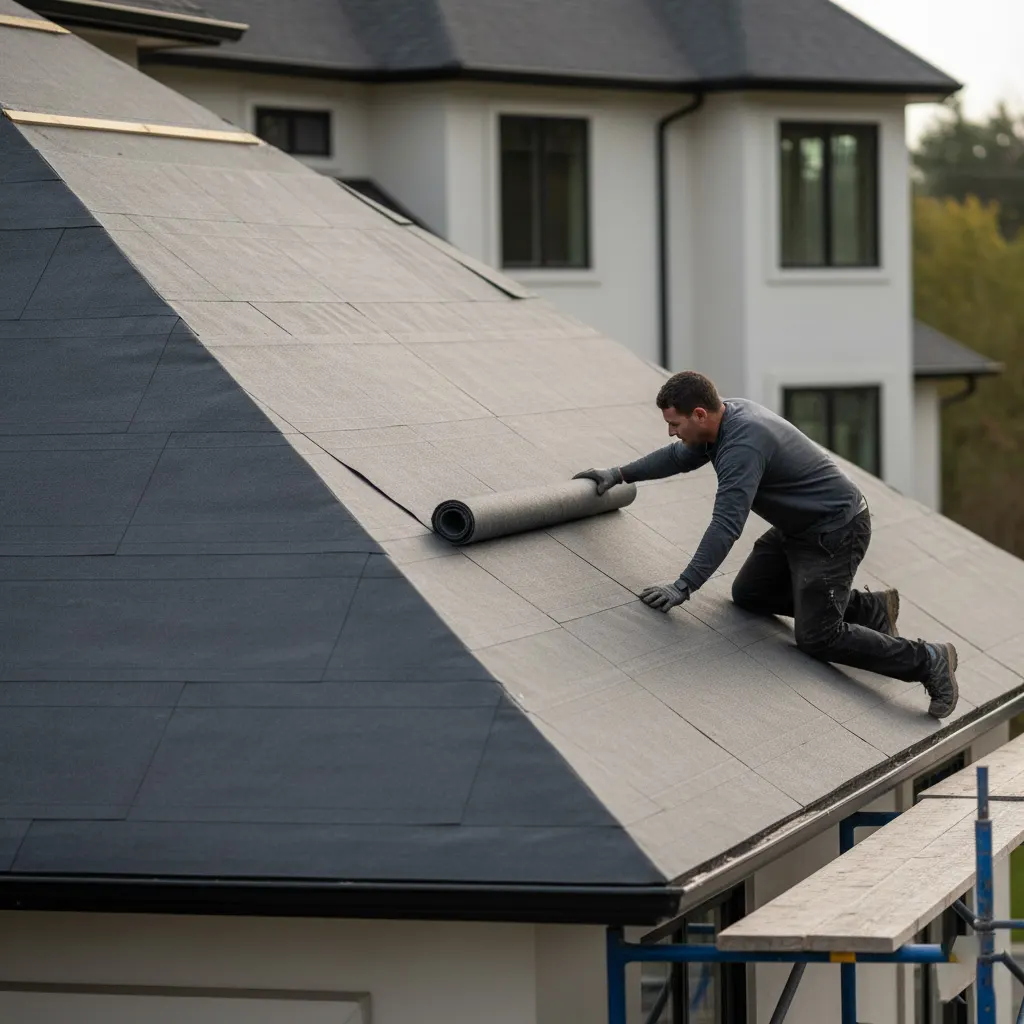
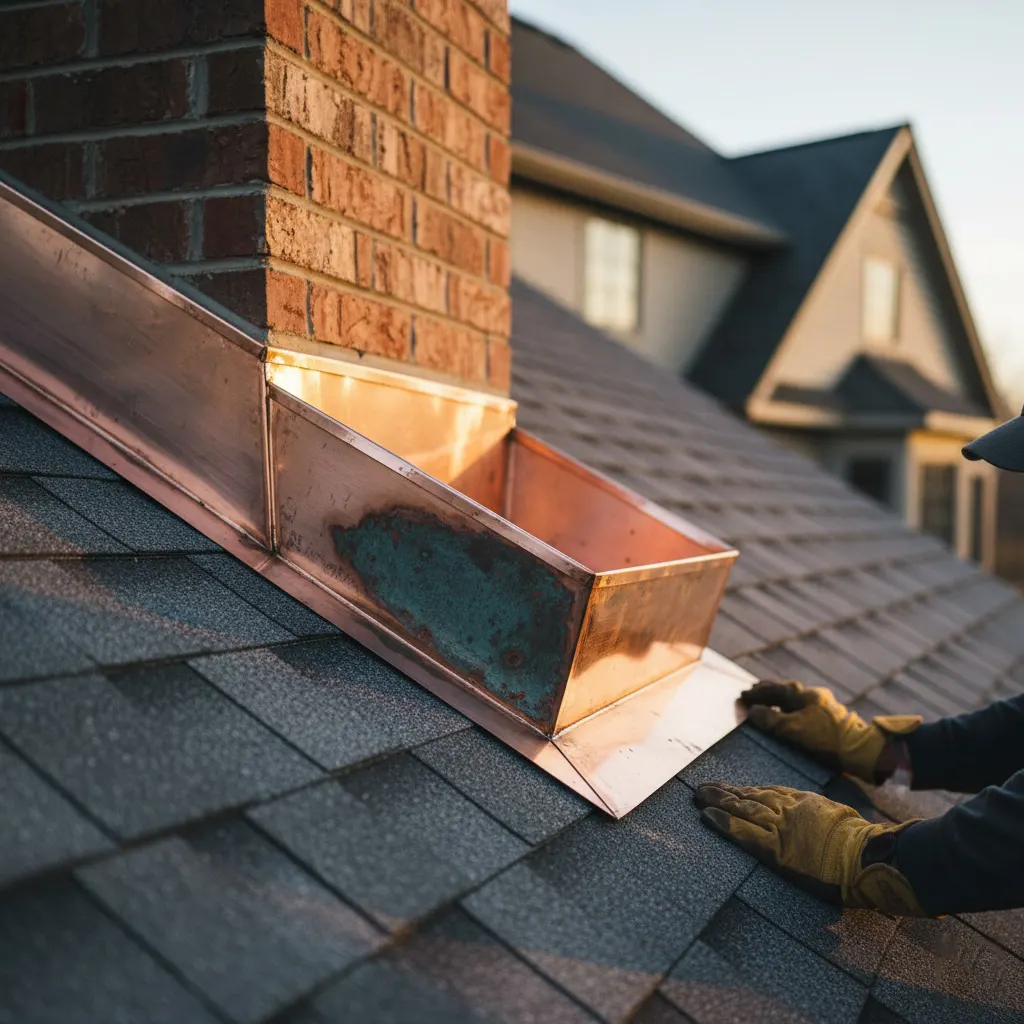
Next comes the underlayment and flashing work. They roll out the synthetic underlayment, seal every seam, and install step flashing around vents and chimneys so water has zero chance to sneak in later.
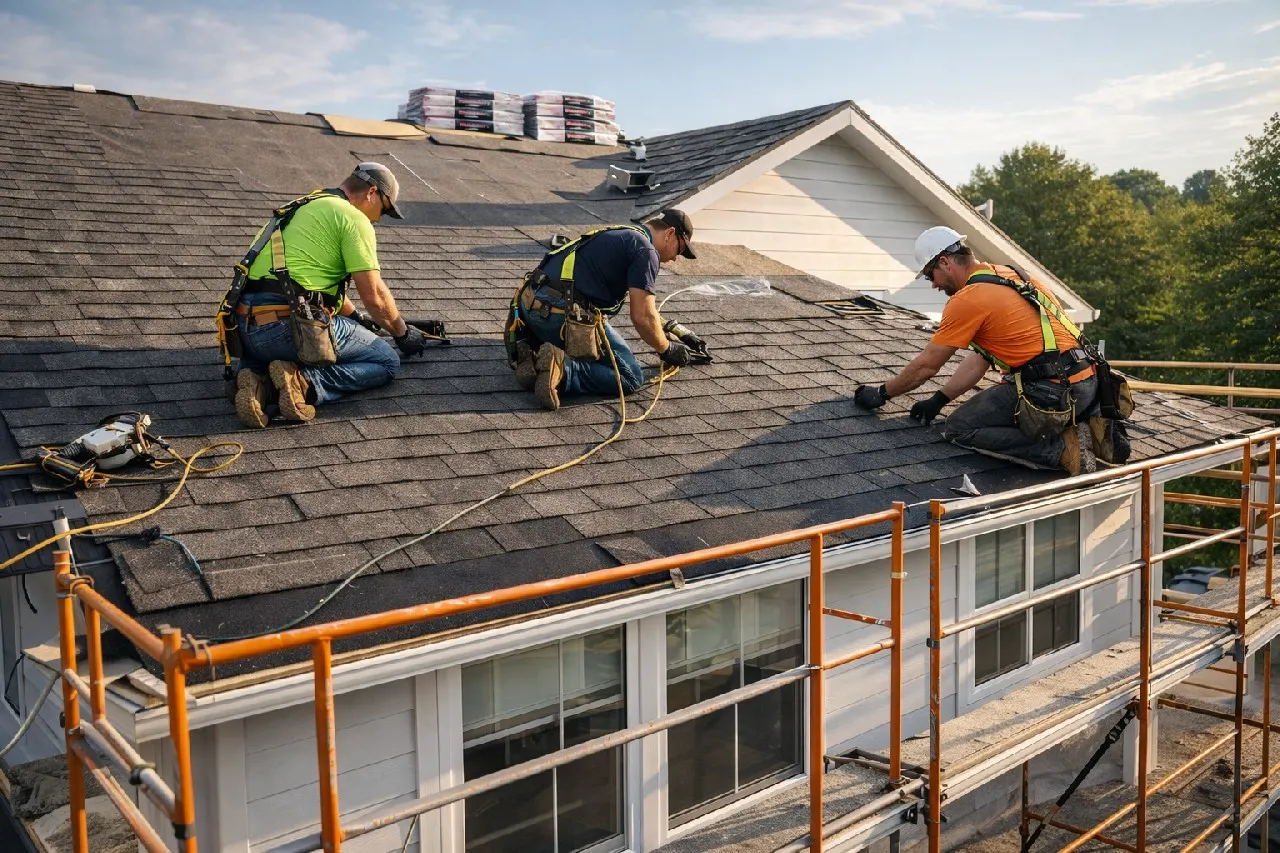
Tile laying starts on day three or four once the base is solid. Crews start at the eaves and work up, nailing or clipping each tile while leaving the right gaps for expansion. Final walkthrough on the last day includes ridge cap install and a full leak test before they pack up.
How Corona Weather Patterns Affect Scheduling and Daily Work
Corona summers crank the heat past 100 degrees most days, so crews start at dawn and wrap by early afternoon. That shift keeps tiles from getting too hot to handle and protects the crew from exhaustion. Rain stays rare but hits hard when it comes, forcing quick tarp covers and at least a full day delay.
Wind patterns here throw another curve. Santa Ana gusts often top 30 mph in fall, which means no work on roof edges until things calm down. Homeowners see these holds pop up on the calendar without warning.
- Check daily forecasts the night before each phase
- Plan heavy lifting for cooler morning hours only
- Keep backup dates ready for wind or sudden showers
Local crews track these swings closely because one wrong move with heat or wind can crack tiles or blow materials around. You stay ahead by asking your contractor how they build weather buffers into the timeline from the start.
Case Study: Complete Tile Roof Replacement on a 1980s Corona Home
The owners of this 1980s Corona property called after spotting cracks in their original clay tiles and water stains inside during heavy rains. Their roof had lasted decades but could no longer handle the constant heat and occasional high winds that hit the area. We started with a full inspection that showed loose underlayment and rotting decking in spots.
Key Steps We Took
- Removed the old tiles and repaired the decking before adding fresh underlayment rated for local wind loads.
- Picked concrete tiles in a lighter color to cut down on heat absorption while meeting HOA color rules.
- Secured permits in under two weeks and scheduled the work around a forecasted dry stretch.
The crew finished the full replacement in six days with no callbacks after the first big storm hit. The new roof now sits tighter and handles the sun without the old cracking issues. Homeowners noticed cooler attic temps right away and stopped worrying about leaks for good.
Final Words.
Tile roofs in Corona hold up for decades when the crew gets the details right from the start. Walk through your site with them. Ask about the underlayment and how they handle the wind loads that hit this area.
Check your schedule against the forecast too. Summer heat can slow the crew down, and a surprise gust might push the job back a day. Get everything lined up so the tiles go on once and stay put.
Ready to see the full process for your home? Visit our Tile Roof Installation page to compare options and book a site visit.
We install and repair roofs across Corona and nearby areas (92879, 92880, 92882, 92883) to deliver lasting weather protection through fast project completion.People Also Ask
How long does tile roof installation take in Corona?
A complete tile roof project in Corona usually requires 5 to 10 working days depending on home size and roof complexity. The timeline includes initial assessment, tear-off, underlayment, and final tile placement. Local weather can extend or shorten daily progress.
What permits are needed for tile roof replacement in Corona CA?
Corona homeowners must secure a building permit from the city before any tile roof work begins. Properties in HOAs may also need additional design approval to meet community standards. Our team manages the entire permitting process to keep the project compliant and on schedule.
Which tile materials perform best in Corona's heat and wind?
Concrete and clay tiles are ideal for Corona's high temperatures and occasional strong winds because they offer superior durability and thermal resistance. We evaluate roof pitch and structure to match the right profile and color for optimal performance. Proper underlayment and fastening methods further protect against local weather conditions.
How does weather affect tile roof installation scheduling in Corona?
Summer heat and Santa Ana winds often require early morning starts and flexible daily planning to maintain quality and crew safety. We monitor forecasts closely and adjust the schedule to avoid extreme conditions. This approach ensures consistent results without compromising materials or workmanship.
Need Roofing Services?