


⚡ TL;DR: This comprehensive guide helps Coral Springs homeowners understand the roof deck replacement process, from identifying material needs to navigating local building codes for long-term structural home integrity.
📋 What You’ll Learn
Replacing your roof deck is a critical investment for your Coral Springs home. This guide explores how to identify structural decay and ensure your property remains resilient against South Florida's climate.
- Identify early signs of deck deterioration caused by our unique humidity and salt air, ensuring you catch hidden moisture damage before it compromises your entire roofing system's structural integrity.
- Compare top-tier material options like plywood and OSB to determine which specific sheathing performs best under the intense heat cycles and heavy rainfall we experience in Coral Springs.
- Understand the full replacement process so you know exactly what to expect when contractors tear off your shingles and expose the vital wood decking underneath during your renovation.
- Navigate local permits and codes with confidence by learning the essential regulatory requirements and quality standards that professional roofing companies must meet within Broward County building jurisdictions.
📖 Reading time: 8 min
✍️ Author expertise: Master roofer in Coral Springs with fifteen years of local structural repair experience.
Your roof is the only thing standing between your living room furniture and a classic South Florida tropical downpour. When that structural foundation starts to rot or sag, your home’s biggest investment turns into a ticking time bomb.
Most Coral Springs homeowners ignore the deck until they see water stains on the ceiling or feel a soft spot under their feet. By then, a simple repair has usually morphed into a bank-breaking emergency that could have been avoided with a few smart decisions.
You do not need a degree in engineering to protect your property, but you do need to know the red flags before calling a contractor. Let’s look at exactly what you need to know about your roof deck so you can make the right call for your home.
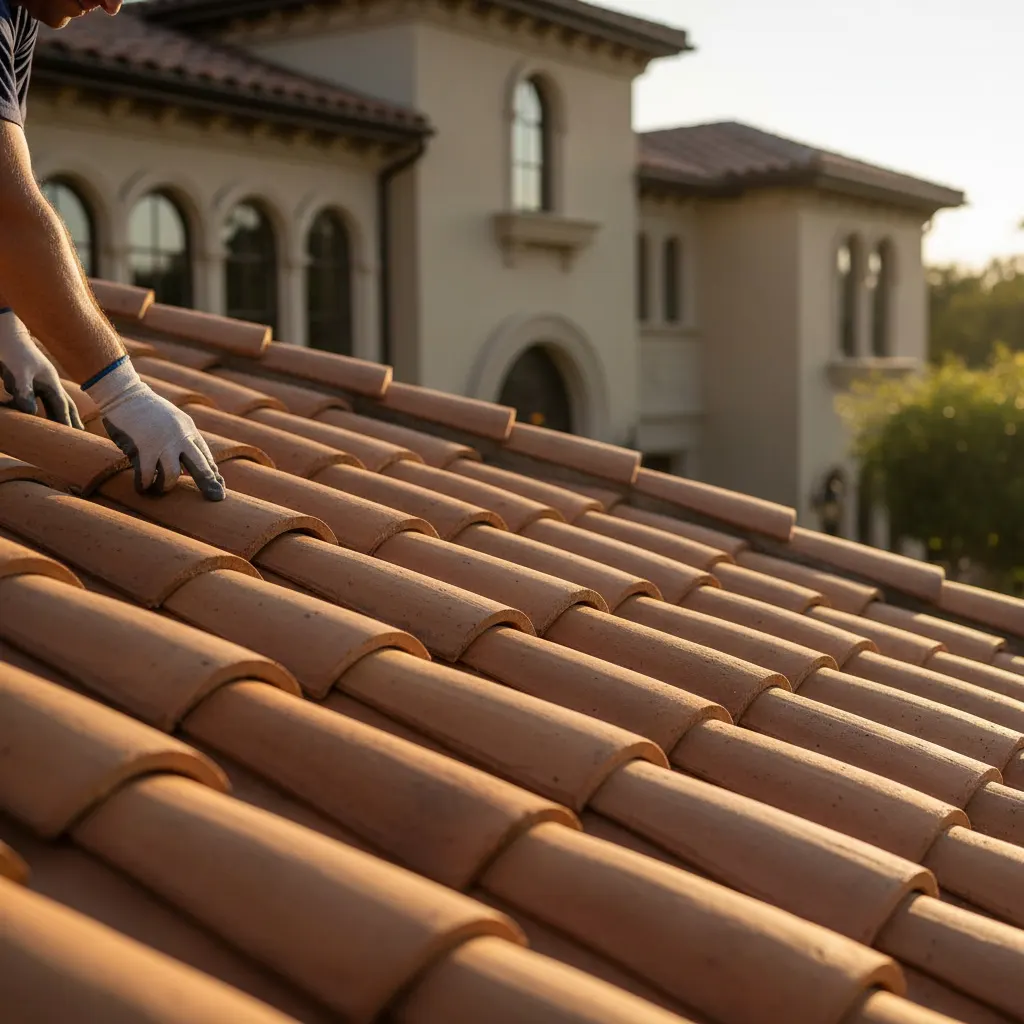
1. Understanding the Roof Deck: Your Home’s Structural Backbone
Think of your roof deck as the skeleton of your home’s top half. While your shingles get all the glory for curb appeal, the decking is the solid layer of wood sheathing nailed directly to your trusses or rafters.
This is the actual surface your roofing contractor fastens your shingles, tiles, or metal panels onto. If this foundation is weak, everything else on top is compromised.
In Coral Springs, this structural layer faces constant pressure. It must be strong enough to hold the weight of your chosen roofing material while standing firm against hurricane-force winds.
Here is what your deck actually does for your house:
- It provides a nailing base for your shingles or tiles to ensure they don't fly off during a storm.
- It acts as a structural diaphragm, tying your roof trusses together to brace your home against lateral wind pressure.
- It serves as the final barrier between the exterior elements and your attic insulation.
When the deck is compromised, your roof loses its structural rigidity. You might notice your roofline looking wavy or feeling spongy when walking on it, which are signs that your home's structural integrity is fading fast.
Recognizing the Signs: How Coral Springs Humidity Accelerates Deck Decay
Living in Coral Springs means your roof is under constant assault from high humidity and intense UV rays. This moisture trapped under your shingles creates a sauna effect that acts as a breeding ground for rot and structural weakness.
When the deck stays damp, the wood fibers soften and lose their grip on your roofing nails. Eventually, the wood simply crumbles, leaving your shingles with nothing to hold onto when the next windstorm hits.
The Silent Killers You Can Spot Today
You do not need to climb on your roof to find problems. Often, the evidence is right there inside your home, screaming for attention.
- Check your attic for damp insulation or a musty, moldy odor that lingers even when it is dry outside.
- Look for sagging rafters or portions of the ceiling that appear to bow downward, suggesting the deck is giving way.
- Watch for light peeking through your attic boards, which is a clear sign that the wood has cracked or shifted due to water damage.
If you notice soft spots while walking on the roof during a routine gutter cleaning, stop immediately. That spongy feeling is a major red flag that the plywood underneath has already turned to mush.
Left unchecked, this decay spreads like wildfire. It weakens the entire structural integrity of your home, potentially leading to a catastrophic collapse during a heavy tropical storm.

Comparing Materials: Plywood Versus OSB for South Florida Climates
When it comes to your roof deck, the material you choose is your first line of defense against the brutal Coral Springs heat. You essentially have two main contenders: Plywood and Oriented Strand Board (OSB).
Plywood is the old-school favorite for a reason. It is made by gluing thin layers of wood veneer together with the grain running in alternating directions, which gives it incredible strength and resistance to moisture expansion.
In our humid climate, plywood tends to handle incidental moisture better than its counterpart. If a small leak happens, plywood dries out more consistently without losing its structural integrity as quickly.
The Case for Plywood vs. OSB
OSB is made of wood strands compressed with resins. While it is often cheaper and more uniform in size, it has one major weakness in South Florida:
- Moisture absorption: If the edges of OSB get wet, they tend to swell like a sponge.
- Slow drying: Once the resin core gets saturated, it takes a long time to dry out, which invites mold and rot.
- Fastening power: While modern OSB is strong, plywood generally holds roof nails and screws with a bit more grip over the long haul.
If you want the best ROI for your roof in a tropical environment, plywood is often the superior choice. It withstands the extreme humidity of Coral Springs far better than budget-friendly board alternatives. Don't let a contractor talk you into the cheaper option just to save a few bucks on the bottom line. You are paying for longevity, and in this weather, quality materials are the only way to sleep soundly during hurricane season.
The Roof Deck Replacement Process: What Happens Under Your Shingles
Think of the roof deck as the skeletal system of your roof. It is the solid layer of wood attached directly to your trusses, providing the actual surface where your shingles or tiles get nailed down.
When we perform a full replacement, we don't just patch the holes. We strip the roof down to the bare bones to see exactly what we are dealing with.
Here is what happens during the actual surgery on your roof:
- Removal: We pull off all existing shingles, underlayment, and flashing to expose the wooden deck.
- Inspection: Our crew checks for soft spots, water damage, or dry rot that might be hidden beneath the surface.
- Replacement: Any wood that has lost its structural integrity gets ripped out and replaced with new, code-compliant panels.
- Nailing Pattern: We ensure the new deck is fastened using the specific high-wind nailing patterns required by Florida building codes.
Most homeowners are shocked when they see their roof naked for the first time. You might assume your deck is fine because the surface looks flat, but moisture often traps itself between the shingles and the wood.
This trapped humidity turns sturdy wood into a spongy mess. We have to address this damage immediately because if you nail new, heavy shingles onto a rotten deck, the entire system will eventually peel off during a heavy storm.
By replacing the compromised sections, we reset the clock on your home's protection. It is not just cosmetic work; it is a structural upgrade that ensures your new roof actually stays put when the wind kicks up.

Lessons from the Field: A Coral Springs Roof Deck Restoration Case Study
We recently worked on a mid-sized home in the Pelican Isles area that looked perfectly fine from the street. The homeowners only called us because they noticed a slight ripple in their shingles during a routine gutter cleaning.
Once we stripped back the asphalt shingles, the truth was impossible to ignore. The original wood had turned into a sponge because of trapped moisture over the last ten years.
Here is what we discovered during that specific inspection:
- Delamination: The plywood layers were separating, meaning the wood had zero structural grip left.
- Mold Growth: Black streaks ran across the joists, indicating that high humidity had been feeding fungal growth for months.
- Fastener Corrosion: The nails holding the deck down were rusted through, meaning the roof could have peeled off during a modest gust of wind.
We had to perform a total deck replacement before the new shingles could go on. This homeowner was lucky that the structural failure was caught before a tropical storm hit the Coral Springs area.
If they had waited another six months, the entire ceiling would have likely collapsed into the kitchen. This project was a stark reminder that what you cannot see is often the most dangerous part of your home maintenance list.
Selecting a Professional Contractor: Navigating Permits and Building Codes
Hiring just any guy with a truck is a recipe for disaster in Coral Springs. You need a contractor who understands the strict Florida Building Code and the specific wind mitigation requirements mandated by our local climate.
Before signing a contract, demand to see their license and insurance. A pro will gladly provide their Certified Roofing Contractor credentials without hesitation.
Always verify their status through the Florida Department of Business and Professional Regulation. If they cannot prove they are properly insured, you are the one who will be left footing the bill for accidents or code violations.
Key Questions for Your Contractor
- Does your quote include the cost of the required building permits?
- Are you familiar with the latest moisture barrier requirements for Coral Springs?
- Can you show me photos of your previous roof deck installations?
- Do you guarantee the inspection process until the final sign-off by the city?
Proper permitting is not just a bureaucratic hoop to jump through. It is your legal protection that ensures the work meets safety standards and maintains your home’s resale value.
Never let a contractor convince you to skip the permit to save a few dollars. Without that final city inspection sticker, your homeowners insurance provider may deny future claims or even drop your coverage entirely.
Final Words: Proactive Maintenance for Long-Term Roof Integrity
You have already invested a fortune into your home, so do not let a neglected roof deck drain your bank account. The smartest move you can make is to treat your roof as a living system rather than just a set-and-forget covering.
When you prioritize consistent inspections, you catch minor moisture issues before they turn into structural rot. Neglect is the primary reason homeowners end up needing an expensive Roof Deck Replacement sooner than anticipated.
Here is your battle plan for keeping that deck solid for years to come:
- Schedule a professional roof assessment every two years, specifically after the intense hurricane season ends.
- Keep your gutters pristine and free of debris, as standing water is the fastest way to invite mold into your attic.
- Look for curling shingles or suspicious granule loss from the ground level, as these are early warning signs that the underlying deck is vulnerable to moisture.
Taking action now is always cheaper than reacting to a catastrophic failure during a storm. If you notice a damp ceiling or a dip in your roofline, do not wait for the next heavy rain to call for help.
Your goal is to stay ahead of the damage rather than chasing it. Consistent care protects your equity and keeps your family dry when the weather takes a turn for the worse.
People Also Ask
How often should a roof deck be replaced in Coral Springs?
A roof deck typically only needs replacement if it has suffered from chronic water intrusion, wood rot, or structural damage. In South Florida, the lifespan of your decking depends heavily on the condition of your shingles and the quality of your underlayment, which prevent moisture from reaching the wood.Does homeowners insurance cover roof deck replacement in Florida?
Insurance policies generally cover roof deck repairs or replacement if the damage was caused by a covered peril, such as a hurricane or storm. However, coverage for deck damage caused by long-term neglect, moisture buildup, or wood rot is rarely included.Can I replace just a section of my roof deck?
Yes, localized repairs are possible if the damage is confined to a specific area, such as around a chimney or a pipe boot. If the damage is widespread due to humidity or poor ventilation, professional roofers usually recommend replacing the entire deck to ensure structural uniformity.How do I know if my roof decking is rotted?
Signs of rotted roof decking include sagging sections between rafters, water stains on your interior ceilings, or a spongy feeling when walking on the roof. If you notice shingles curling or lifting, it could also indicate that the wood underneath has lost its ability to hold fasteners securely.Is OSB or plywood better for a South Florida roof deck?
While both materials meet building codes, exterior-grade plywood is often preferred in South Florida because it handles moisture fluctuations better than OSB. OSB can be prone to swelling if it is exposed to persistent humidity or leaks, which is a common concern in the Coral Springs climate.Need Roofing Services?
We provide fast roof repairs and replacements in Coral Springs and nearby areas (33065, 33067, 33071, 33076) to restore protection and strengthen homes against weather.
Get Roofing Quote