
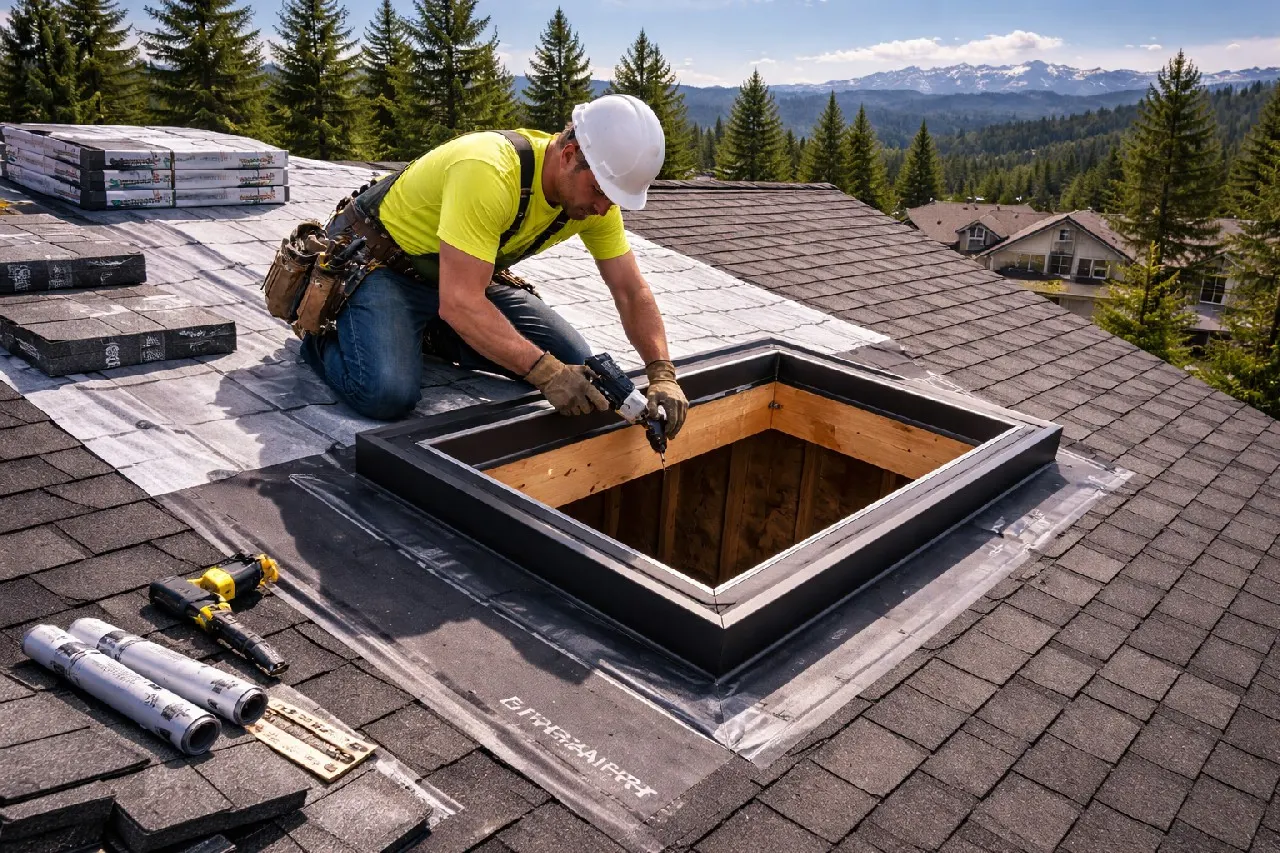


⚡ TL;DR: Discover common tile roof installation mistakes in Chesapeake, VA—like skipping synthetic underlayment and poor fastening—and how to sidestep them for a durable, weather-resistant roof.
📋 What You’ll Learn
In this guide to tile roof installation in Chesapeake, VA, you'll uncover critical errors to sidestep, from humidity-proofing to wind-resistant fastening, for a durable roof that battles local weather extremes.
- Avoid skipping climate-specific underlayment to prevent moisture intrusion in Chesapeake's humid climate, where synthetic options outperform felt against constant dampness and salt air corrosion.
- Master proper flashing techniques around chimneys and vents to seal out Nor'easters and spray, stopping leaks that plague poorly installed tile roofs in coastal storms.
- Assess structural needs for tile weight before installation, avoiding foundation cracks from heavy loads common in older Chesapeake homes unprepared for robust tile systems.
- Design ventilation to fight trapped moisture and tile decay, ensuring airflow combats humidity buildup that shortens roof life in Virginia's muggy environment.
- Choose correct fastening for hurricane winds so tiles stay secure during fierce gusts, preventing costly airborne damage seen in many local failed installs.
📖 Reading time: 7 min
✍️ Author expertise: Chesapeake-based roofing pro with 15+ years installing tile roofs from real coastal job sites.
You're standing on your ladder in the sticky Chesapeake heat, laying those beautiful clay tiles one by one, dreaming of that curb-appeal knockout. Then the first nor'easter hits, and suddenly your dream roof is cracking, leaking, and costing you a fortune to fix.
Tile roofs shine in our salty, stormy coastal climate, but screw up the install and you're staring down disaster faster than a Category 2 hurricane.
We've seen it all here in Chesapeake, from warped underlayment to botched flashing that turns solid homes into sieves. Ready to sidestep the pitfalls that sink most tile jobs? Let's dive into the errors you must avoid.

Skipping Climate-Specific Underlayment: Why Chesapeake's Humidity Demands Synthetic Over Felt
Chesapeake's air hangs heavy with humidity year-round. Skip the right underlayment, and your tile roof turns into a moisture magnet. Felt paper? It warps and rots fast under that relentless damp.
We've ripped off plenty of these jobs after just one wet season. Felt absorbs water like a sponge, leading to blisters, slips, and leaks that punch through tiles. Synthetic underlayments laugh at humidity. They breathe, repel water, and grip tight.
Quick Switch to Synthetic: Here's Why It Wins
- Zero rot risk - Stays flat and strong against salt spray.
- Self-healing seams - Tiny punctures seal themselves in the rain.
- UV protection - Handles months of exposure during installs without crumbling.
One layer of synthetic saves you from callbacks. Nail it down right, and your roof shrugs off Chesapeake's worst.
Botched Flashing Around Chimneys and Vents: Sealing Out Nor'easters and Salt Spray
Flashing keeps water from sneaking into your home at vulnerable spots like chimneys and vents. In Chesapeake, where nor'easters pound relentlessly and salt spray corrodes everything, cheap or sloppy flashing turns into a watery nightmare fast.
Picture this: wind-driven rain blasts your chimney during a late-fall storm. Botched flashing—maybe just bent aluminum instead of copper or step flashing—lets moisture creep under tiles, rotting the decking and inviting mold parties inside your walls.
Spot the Screw-Ups Before They Sink You
- Cracks or gaps wider than a pencil line around the chimney base.
- Rust streaks or peeling sealant after one salty season.
- Water stains inside near vents? That's your flashing failing.
Fix it right with high-grade copper flashing tucked under tiles and sealed with butyl tape. Pros here layer it in steps, overlapping each course by two inches minimum. Skip this, and your tile roof in Chesapeake becomes a leak factory.

Underestimating Tile Weight: Structural Prep Errors That Crack Foundations
Clay or concrete tiles pack a punch. A single square weighs 800 to 1,200 pounds - double or triple what asphalt shingles tip the scales at. Ignore that load in Chesapeake's older homes, and your rafters groan under the strain.
We've ripped off plenty of sagging tile roofs where homeowners skipped the engineering check. Rafters spaced too far apart? Trusses not beefed up? Those "minor" oversights turn into cracked ceilings and shifting foundations after a heavy rain or wind gust.
Spot These Red Flags Before It's Too Late
- Rafer spacing over 24 inches without reinforcement.
- Missing load calculations from a structural engineer.
- Skipping a full attic inspection for rot or weakness.
Call in a pro roofer who knows Chesapeake codes cold. They'll crunch the numbers, reinforce where needed, and save your house from a total rebuild. Cheap skips now mean sky-high bills later.
Poor Ventilation Design: Trapping Moisture and Accelerating Tile Deterioration
Chesapeake's muggy air doesn't play nice with tile roofs. Skip proper ventilation, and you're trapping steam from your attic like a pressure cooker. Those clay tiles start cracking as moisture builds up underneath, turning your roof into a petri dish for mold and rot.
Most botched jobs cramp airflow with tiny ridge vents or blocked soffits. Hurricane-force winds push humid air right into the mix during storms. Result? Tiles pop loose, and your underlayment turns to mush faster than you can say "leak."
Fix It Right: Ventilation Must-Dos
- Install high-capacity ridge vents spanning the full roof peak for nonstop exhaust.
- Pair with oversized soffit vents to pull in cool, dry air from below.
- Calculate at least 1 square foot of net free vent area per 150 square feet of attic space. No skimping.
- Test it post-install: Smoke pencils reveal dead zones before the first rain hits.
Get this dialed in, and your tiles laugh off the humidity. We've fixed plenty of steam-baked roofs here; don't join that club.
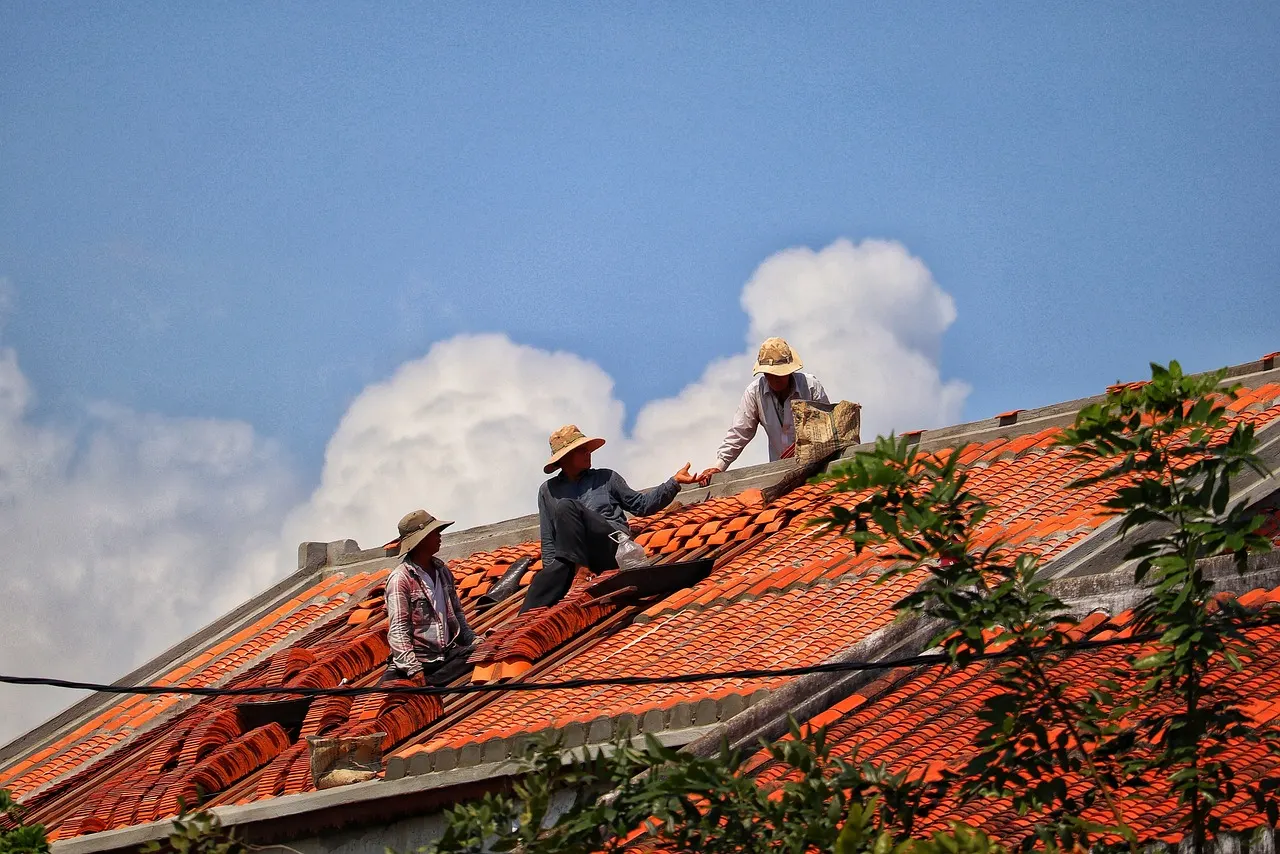
Wrong Fastening Methods: How Loose Tiles Fly Off in Hurricane Winds
Picture this: gale-force winds from a Chesapeake hurricane ripping across your roof at 80 mph. Those loosely nailed tiles pop off like corks from a shaken champagne bottle, leaving your home exposed to pounding rain.
DIYers and cheap contractors love skimping here. They grab standard nails or screws that can't handle the torque. Result? Tiles shift, crack, and launch into your neighbor's yard.
Fastening Fails to Dodge
- Using skinny nails instead of corrosion-resistant tile hooks or screws rated for coastal salt air.
- Skipping two fasteners per tile, thinking one does the trick.
- Ignoring batten-and-hook systems perfect for barrel tiles in our windy bay.
Go pro with stainless steel screws or aluminum clips designed for hurricane zones. In Chesapeake tile roof installation, secure each tile to withstand 130 mph gusts per local codes. Your roof stays put when lesser ones don't.
We've fixed dozens of these wind-wrecked jobs. Nail it right upfront, and sleep easy through storm season.
Case Study: Rescuing a Chesapeake Bungalow from a Failed Tile Install
Picture this: Old Mrs. Harlan's 1950s bungalow in South Norfolk. She hired a cut-rate crew last summer to slap on terracotta tiles. Big mistake. Within months, leaks poured through the ceiling after a thunderstorm.
Root causes hit every pitfall we just covered. Felt underlayment warped in the humidity. Flashing around her brick chimney gapped wide open. Tiles barely nailed down fluttered loose in 50 mph gusts.
The Rescue Mission
We stripped it all off. First job: beefed up the structure with engineered trusses. No more weight worries cracking her joists.
- Swapped to synthetic underlayment – breathes in Chesapeake's muggy air.
- Re-flashed vents and chimney with heavy copper, sealed tight against salt spray.
- Double-nailed tiles with hurricane clips. Locked 'em down for Category 3 blows.
- Added ridge vents for killer airflow. No more trapped steam rotting the deck.
Six months later? Zero leaks. Her electric bill dropped 15% from better venting. And that bungalow? Curb appeal popped like new.
Final Thoughts
Tile roofs can last 50 years or more in Chesapeake's brutal weather. But only if you nail the install from day one. Skip the DIY disasters and call in crews who know our coastal quirks cold.
We've fixed enough leaky nightmares to spot winners from losers in seconds. Your home deserves that bulletproof shield against nor'easters and salt air. Ready for a roof that laughs at hurricanes?
- Insist on synthetic underlayment every time.
- Double-check flashing before the first storm.
- Test ventilation with a pro walkthrough.
Head over to our Tile Roof Installation page. Grab a free inspection today. Beat the next blow before it beats you.
People Also Ask
Why choose synthetic underlayment over felt for tile roofs in Chesapeake, VA?
Chesapeake's high humidity and frequent rain make synthetic underlayment superior because it resists moisture absorption and degradation better than traditional felt. Felt can trap water, leading to mold and rot under tiles, while synthetics provide a tighter seal and longer lifespan. Always opt for high-temperature synthetics rated for tile roofs to handle coastal conditions effectively.
How critical is proper flashing for tile roofs during Chesapeake Nor'easters?
Botched flashing around chimneys and vents allows wind-driven rain and salt spray from Nor'easters to infiltrate, causing leaks and structural damage. Proper step flashing and counter-flashing with corrosion-resistant metals like copper or galvanized steel seals these vulnerable areas. Skipping this step often leads to premature roof failure in Chesapeake's harsh coastal weather.
What structural checks are needed before installing heavy tile roofs in Chesapeake?
Tile roofs weigh significantly more than asphalt shingles, so underestimating this can crack rafters or overload foundations in older Chesapeake homes. Conduct a professional structural assessment to verify truss spacing, rafter size, and overall load capacity before installation. Reinforcements like sistering rafters may be required to prevent costly collapses.
Why does poor ventilation cause tile roof failure in humid Chesapeake climates?
Inadequate ventilation traps heat and moisture beneath tiles, accelerating deterioration, algae growth, and granule loss in Chesapeake's muggy environment. Proper ridge vents, soffit vents, and baffles ensure airflow to keep the roof deck dry and extend tile life. Without it, trapped humidity leads to wood rot and frequent repairs.
What fastening techniques prevent tile roofs from damage in Chesapeake hurricane winds?
Using inadequate nails or clips allows tiles to loosen and fly off during high winds from hurricanes common in Chesapeake. Secure tiles with corrosion-resistant screws or approved clips fastened through the tile into battens or directly to the deck per manufacturer specs. This method provides the uplift resistance needed for coastal wind zones.
Need Roofing Services?
Fast roof repairs and replacements deliver leak-proof, weather-resistant protection for homes in Chesapeake, VA and nearby areas (23320, 23321, 23322, 23323, 23324).
Get Roof Quote