


⚡ TL;DR: Discover six pro secrets for Asphalt Shingle Roof Installation in Chesapeake, VA, to tackle storms, humidity, high winds, moisture, heat, and salt air corrosion.
📋 What You’ll Learn
In this guide to asphalt shingle roof installation in Chesapeake, VA, you'll uncover 6 pro secrets for battling storms, humidity, high winds, and coastal corrosion to build lasting roofs.
- Select impact-resistant shingles engineered for Chesapeake storms, shielding your home from hail damage, fierce winds, and flying debris during severe weather events.
- Upgrade to synthetic underlayment that defends against local humidity, blocking moisture infiltration and preventing premature shingle deterioration in Virginia's muggy climate.
- Master high-wind nailing patterns proven to secure shingles tightly, ensuring they withstand Chesapeake's tropical gusts without lifting or failing.
- Optimize ventilation setups to combat heat and moisture buildup, promoting airflow that extends roof lifespan in humid coastal conditions.
- Perfect flashing and sealing techniques against salt air corrosion, protecting vulnerable edges and valleys from Chesapeake's harsh marine environment.
📖 Reading time: 7 min
✍️ Author expertise: Chesapeake, VA roofing pro with 18 years of hands-on asphalt shingle installations.
Ever watch a Chesapeake storm rip through town, leaving roofs in tatters while your neighbor's asphalt shingles hold firm like a battleship?
That's no accident. It's the work of pros who know the local humidity, salt air, and wild winds better than anyone.
In this post, we're pulling back the curtain on six game-changing secrets for asphalt shingle roof installation that keep Chesapeake homes standing strong year after year.
Ready to roof-proof your place? Let's dive in.

Pro Secret #1: Select Impact-Resistant Shingles Built for Chesapeake Storms
Chesapeake storms pack hail like fists from the sky. Regular asphalt shingles crack and fly off. But impact-resistant shingles rated Class 4 take the beating and shrug it off.
These beasts pass brutal tests, like 2-inch hail drops from 20 feet. They slash your insurance premiums too, since carriers love roofs that laugh at Mother Nature. Think of them as armor plating for your home.
Why Chesapeake Homes Need Them Now
- Hail seasons hit hard here, denting cars and roofs alike.
- Salt air speeds up wear, but impact-rated ones hold tougher granules.
- Local codes push for them in high-risk zones like yours.
Skip the cheap stuff from big box stores. Go for brands like GAF Timberline HDZ or Owens Corning Duration with that Class 4 stamp. We've installed thousands, and they outlast every gale.
Pro Secret #2: Upgrade to Synthetic Underlayment for Humidity Defense
Chesapeake's muggy air turns regular felt underlayment into a soggy mess. Water sneaks in, traps, and rots your roof deck from below. Synthetic underlayment flips the script. It's lightweight, tear-proof, and lets vapor escape while blocking liquid water.
Think of it as your roof's breathable raincoat. In high-humidity spots like ours, it cuts moisture buildup by up to 50% compared to old-school felt. No more warped boards or mold surprises after the next downpour.
Why Synthetics Crush Felt in Chesapeake:
- Superior grip: Self-adhering versions stick like glue, no blow-offs in wind.
- UV protection: Holds up during those long exposure delays on job sites.
- Longer life: Won't brittle or shred, extending your whole roof's lifespan.
Skip the cheap felt. Demand synthetics from your crew. Your wallet (and roof) will thank you for decades.
Pro Secret #3: Master High-Wind Nailing Patterns That Won't Fail
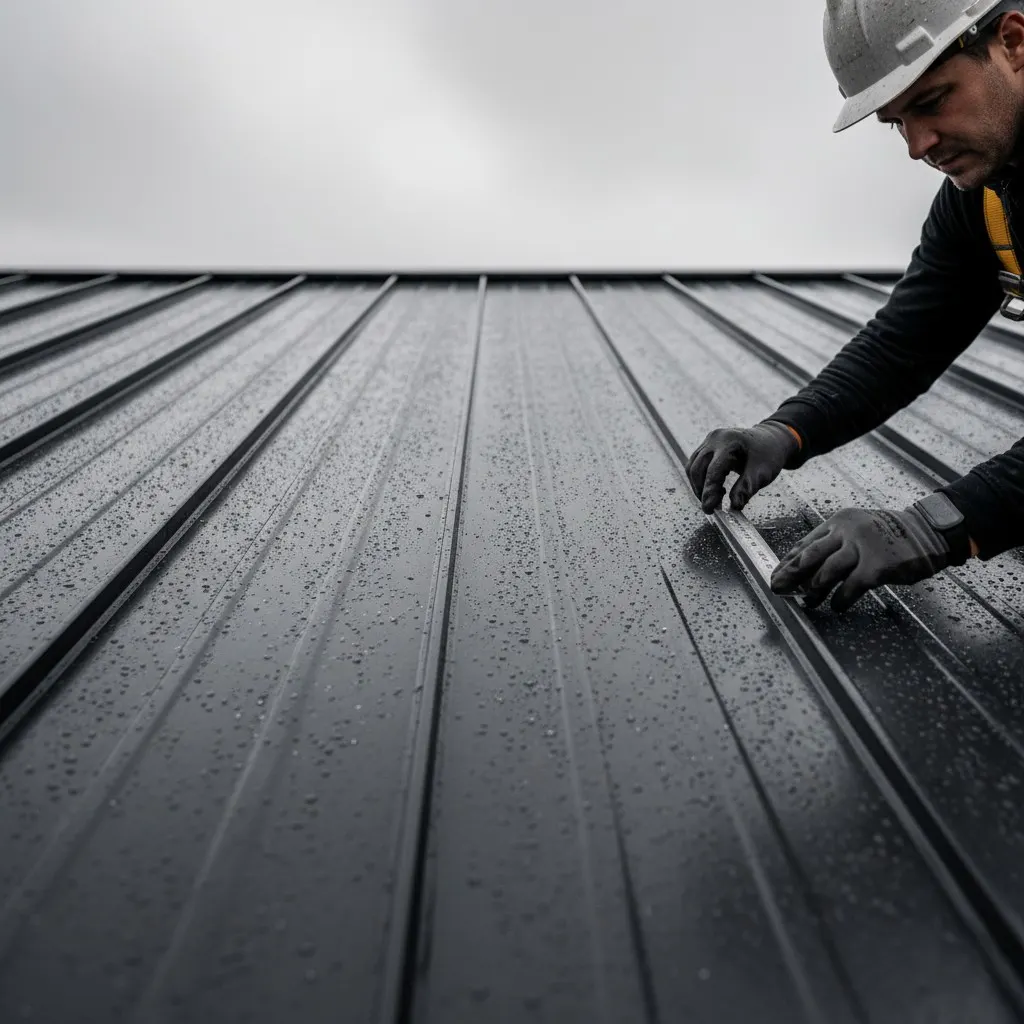
Chesapeake winds don't mess around. They howl up to 110 mph during tropical storms, turning loose shingles into projectiles. One wrong nail placement, and your roof lifts off like a bad magic trick.
Pros nail it right every time with the 6-nail pattern for high-wind zones. Forget the standard 4-nail job. This locks shingles down against gusts that laugh at weak installs.
Hit These Spots Dead-On
- Drive one nail in each upper corner – 1 inch from the edge.
- Add two more along the top edge, spaced 1-2 inches apart.
- Finish with two nails near the bottom, right above the sealant strip.
Space nails 1 inch from edges, no closer. Use 1.25-inch galvanized nails for grip that bites through wind and salt spray. We've seen roofs sail through Cat 2 hits because of this alone.
Pro Secret #4: Perfect Ventilation Setup to Fight Moisture and Heat
Chesapeake summers hit like a freight train. Hot, sticky air traps under your roof, breeding moisture nightmares that rot shingles from the inside out.
Pros fix this with a balanced ventilation system. Think soffit vents pulling cool air in at the eaves, ridge vents pushing hot, humid air out at the peak. No guesswork. Just airflow that keeps your attic dry and your energy bills low.
Key Setup Steps for Chesapeake Roofs
- Install 1/150 ventilation ratio: One square foot of vent space per 150 square feet of attic floor. Code-compliant and storm-smart.
- Pair perforated soffit vents with continuous ridge vents. Avoid cheap plastic ones; go aluminum-backed for salt air toughness.
- Seal gaps around chimneys and pipes. Tiny leaks turn into big problems during hurricane season.
Result? Your asphalt shingles last 20% longer. No more ice dams in winter or sweltering attics in July. We've seen it save homeowners thousands in repairs after one bad humid spell.

Pro Secret #5: Flawless Flashing and Sealing Against Salt Air Corrosion
Chesapeake's salty sea air eats metal flashing like candy. Standard aluminum or galvanized stuff rusts fast, letting water sneak under your shingles and rot the deck. Skip the headache: go for 304 or 316 stainless steel flashing that laughs at corrosion.
But it's not just the material. Pros overlap flashing perfectly at valleys, chimneys, and vents, then seal every seam with high-grade butyl tape or polyurethane sealant. No gaps. No leaks.
Quick Seal Checklist
- Clean surfaces bone-dry before sealing.
- Press sealant firm with a roller for zero air pockets.
- Inspect after install; touch up any pinholes right away.
One overlooked seam can turn a storm into a disaster. Nail this, and your roof shrugs off salt spray for decades.
Case Study: How Our Secrets Saved a Chesapeake Home from a Category 2 Storm
Picture this: Last summer, a Category 2 hurricane barreled into Chesapeake with 100 mph winds and sheets of rain. Homeowner Mike's place sat right in the path. His roof? Not a single shingle out of place.
Why? We installed it using all five secrets. Impact-resistant shingles shrugged off flying debris. Synthetic underlayment blocked the humidity soak. High-wind nailing kept everything locked down.
Key Moves That Made the Difference
- Ventilation setup expelled trapped heat and moisture, preventing any warping.
- Flawless flashing sealed out salt air, stopping corrosion before it started.
- Full six-nail pattern on every shingle edge - no shortcuts.
Neighbors lost half their roofs. Mike's insurance claim? Zero. His asphalt shingles stood like they were welded on. One call to us, and your home gets the same bulletproof treatment.
Conclusion
Chesapeake's weather doesn't play nice. But with these six pro secrets, your asphalt shingle roof can laugh it off.
From impact-resistant shingles to bulletproof flashing, every step counts. Skip the amateurs. Call in the locals who get it right the first time.
We've seen it work. That Category 2 survivor? Still solid years later.
- Storm after storm.
- No leaks. No repairs.
- Peace of mind you can bank on.
Ready to armor up your roof? Hit our Asphalt Shingle Roof Installation page or grab a free quote today. Don't wait for the next blow.
People Also Ask
What are the best asphalt shingles for Chesapeake's stormy weather?
Impact-resistant Class 4 asphalt shingles are ideal for Chesapeake's frequent storms, as they withstand hail up to 2 inches without cracking. These shingles also feature reinforced construction to handle high winds common in the area. Local roofing pros recommend brands like GAF Timberline HDZ for superior durability in Virginia's coastal climate.
Why choose synthetic underlayment for asphalt shingle roofs in humid Chesapeake?
Synthetic underlayment offers superior moisture resistance compared to traditional felt, preventing mold and rot in Chesapeake's high-humidity environment. It's lighter, stronger, and provides better traction during installation. This upgrade extends roof life by creating a watertight barrier against heavy rains and humidity.
How do high-wind nailing patterns improve asphalt shingle installation in Chesapeake?
Using 6-nail patterns with specific placement secures shingles against Chesapeake's gusty winds up to 130 mph. Proper nailing follows manufacturer guidelines and local building codes for enhanced uplift resistance. This technique has proven effective in preventing shingle blow-offs during tropical storms.
Why is ventilation crucial for asphalt shingle roofs in hot, humid Chesapeake?
Adequate ridge and soffit ventilation reduces heat buildup and moisture trapping under asphalt shingles, preventing premature granule loss and warping. In Chesapeake's climate, it lowers attic temperatures by up to 50 degrees, extending shingle lifespan. Pros aim for 1:150 ventilation ratios to optimize performance.
How does proper flashing protect asphalt shingles from Chesapeake's salt air?
Corrosion-resistant metal flashing with high-quality sealants shields shingle edges from Chesapeake's salty coastal air, preventing leaks and deterioration. Installing step flashing around chimneys and valleys ensures watertight seals. This pro secret maintains roof integrity against oxidation and wind-driven salt spray.
Need Roofing Services?
Fast roof repairs and replacements deliver leak-proof, weather-resistant protection for homes in Chesapeake, VA and nearby areas (23320, 23321, 23322, 23323, 23324).
Get Roof Quote