


⚡ TL;DR: This overview breaks down the real costs, energy savings, and common challenges of solar roofing installation in Charleston, guiding local homeowners toward informed decisions.
📋 What You’ll Learn
In this guide about solar roofing installation in Charleston, you’ll learn the key factors that affect costs, savings, climate challenges, and selecting the right local installer for lasting results.
- Understand solar systems designed for coastal conditions by learning how Charleston’s humidity, salt air, and storms impact roofing materials and installation methods for lasting performance.
- Break down the real costs involved in solar roofing installation by examining equipment prices, labor rates, local permits, and available tax credits for South Carolina homeowners.
- Calculate potential energy savings and ROI to see how solar roofing can reduce monthly bills and provide long-term returns for properties in Charleston’s sunny climate.
- Avoid common installation pitfalls and shortcuts by learning how to select trusted local professionals who understand historic homes and coastal requirements in downtown Charleston.
📖 Reading time: 7 min
✍️ Author expertise: Local roofing specialist in Charleston with over a decade of hands-on solar installation experience.
Charleston roofs take a beating from salt air, storms, and blazing summers, so slapping solar panels on top feels like it could either slash your power bills for good or turn into a costly headache down the road.
Plenty of local homeowners get sold on the idea of free energy and fat tax credits, only to hit surprise repair bills or weak performance once the first big wind hits. The real question comes down to whether the math works in our specific climate and what shortcuts some installers try to hide.
Here is exactly how the costs, savings, and headaches stack up for solar roofing right here in town so you can skip the regrets.
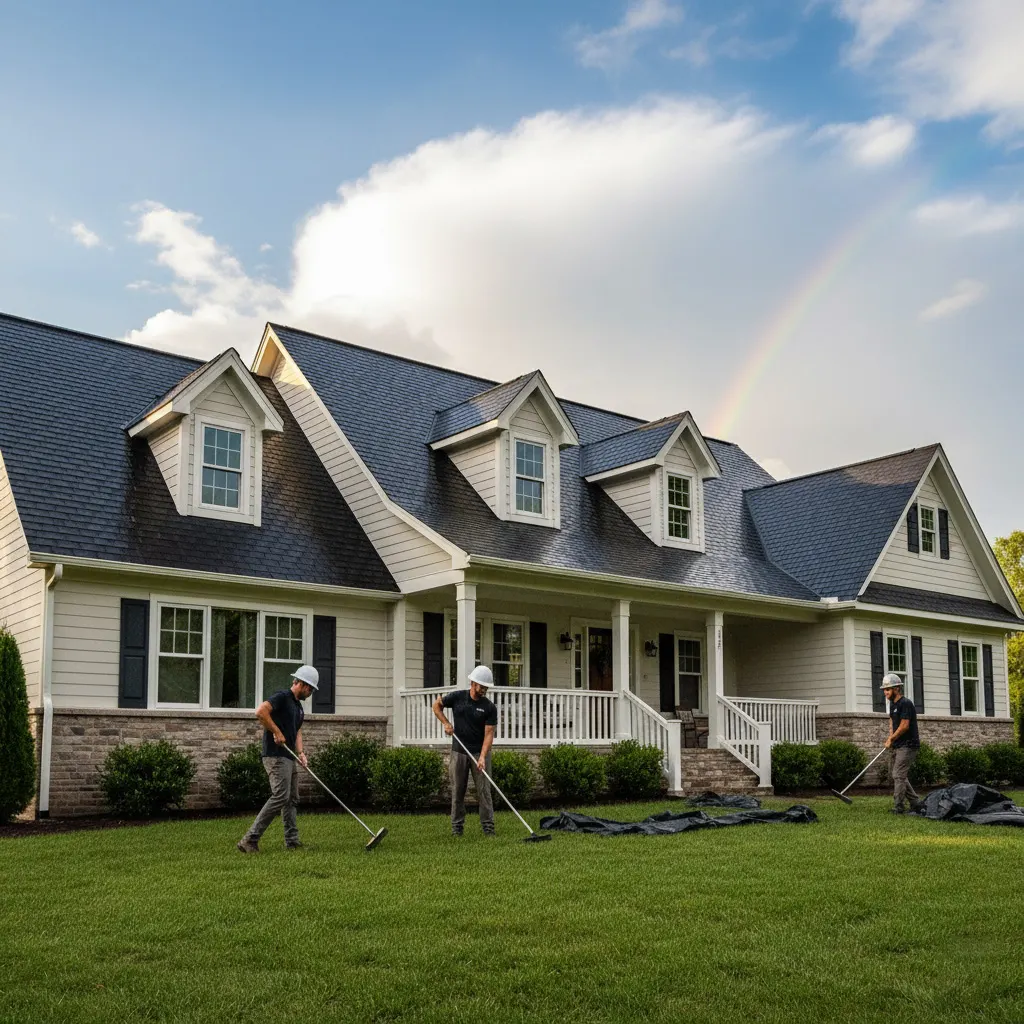
Understanding Solar Roofing Systems Built for Charleston's Coastal Climate
Charleston's salt air and constant humidity chew through ordinary solar setups fast. Standard panels and mounts start corroding within a few seasons if they lack proper marine-grade coatings.
High winds from summer storms demand frames rated for at least 140 mph gusts. Sealed underlayments and edge flashing stop water from sneaking under the array during heavy downpours.
Here are the key features that actually hold up down here:
- Stainless steel or anodized aluminum hardware that fights rust
- Panels with tempered glass rated for salt spray tests
- Integrated flashing that ties into your existing shingles without gaps
Breaking Down the True Costs of Solar Roofing Installation in Charleston
Most quotes start around $18,000 for a basic setup on a standard home. That covers the panels, inverters, and basic mounting gear.
Charleston adds layers most folks miss at first glance. Salt air demands coated hardware that resists corrosion. Storm codes push for reinforced rails and extra fasteners.
What Actually Shows Up on the Invoice
- Equipment and labor: $12,000 to $25,000 depending on roof size and pitch.
- Permits and inspections: $800 to $2,500 because of coastal wind rules.
- Electrical upgrades and roof prep: $3,000 to $7,000 when older wiring or decking needs work.
- Annual maintenance checks: $300 to $500 to keep salt buildup from killing output.
These numbers climb fast if your roof faces the harbor or sits in a historic district. Skip the prep work and you pay double later when leaks show up after the first hurricane season.
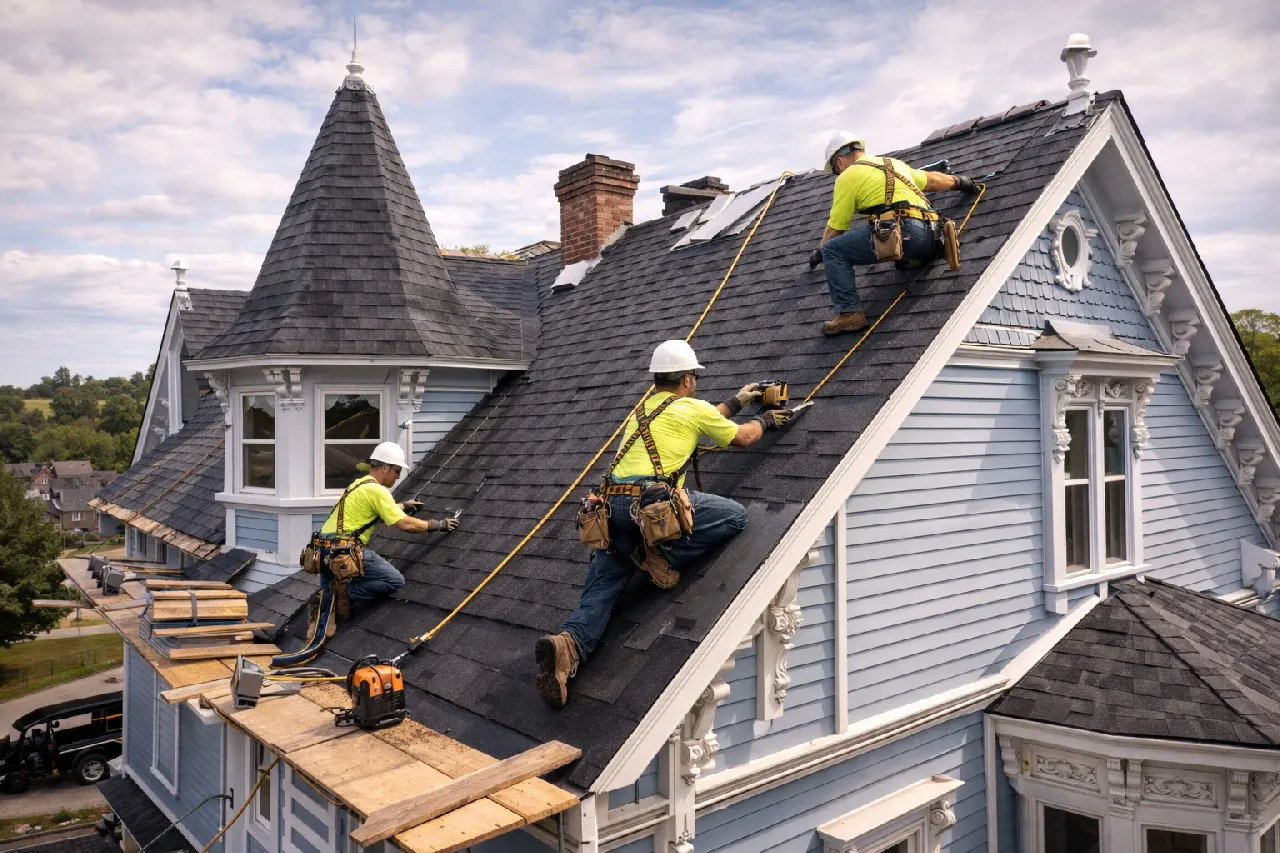
Calculating Realistic Energy Savings and ROI for Local Homeowners
Charleston homes sit under plenty of sun, with over 210 clear days a year on average. That means a properly sized solar roof can knock 60 to 80 percent off your monthly electric bill, depending on your usage and roof angle. Homeowners here report dropping from $180 a month to under $60 once the system kicks in.
Payback comes down to simple math. Factor in the 30 percent federal tax credit plus any state rebates, and most installs recover costs in six to nine years. After that, the power flows for free until the panels hit their 25-year mark.
Key Numbers That Shape Your Return
- Average system cost after incentives: $18,000 to $25,000 for a typical three-bedroom house.
- Monthly savings range: $90 to $140 once production stabilizes.
- Panel output drop: about 0.5 percent per year, so plan for gradual decline.
Storm damage and salt buildup can cut output faster than expected, so add a small buffer for occasional cleaning and checks. Track your actual production for the first year to see if the numbers hold. Adjust your expectations before you sign anything.
Common Pitfalls That Turn Solar Roofs Into Expensive Repairs
Plenty of Charleston homeowners end up with leaks and repair bills because installers skip the basics for our salt-heavy air and high winds. They slap panels on without checking how the roof actually handles moisture over time.
Weak Seals and Rusty Hardware That Fail Fast
Cheap mounting brackets corrode within a couple seasons down here. Water sneaks in around the edges and rots the decking before you notice a thing.
- Skip marine-grade screws and you pay for deck replacement later.
- Ignore wind ratings and one storm rips the array loose.
- Use generic flashing and attic insulation soaks through every rain.
Another trap hits when crews skip a full roof inspection first. Old shingles or weak trusses get loaded with extra weight, then crack under the new stress and force a full tear-off sooner than planned.

Case Study: Solar Roofing Installation on a Historic Home in Downtown Charleston
Picture an 1850s single house tucked near King Street. The owners faced sky-high power costs from old wiring and leaky windows yet could not slap on standard panels without losing their historic approval.
What They Did Differently
- Chose solar shingles that match the original clay tiles exactly.
- Reinforced the rafters first to handle extra weight from coastal winds.
- Added marine-grade flashing around every edge to fight salt corrosion.
After the crew finished the job the monthly electric bill dropped by nearly forty percent. Two years later the roof shows zero leaks or panel failures despite two major storms.
The family recovered their out-of-pocket costs in just over six years once tax credits landed. Now they point neighbors to the same crew instead of the big outfits pushing cheap racks.
How to Choose a Trusted Installer and Avoid Costly Shortcuts
Start with proof they have done this work on Charleston roofs before. Ask to see jobs from the last two years that faced the same salt spray and storm loads your house will take.
Call three past customers and ask what broke first, how fast the crew showed up, and whether the power output matched the pitch they heard at the start.
Questions that separate the pros from the shortcuts
- Are your crews certified for coastal tie-downs and do you carry wind-rated hardware?
- Who handles permits and inspections with the city?
- What exact warranty covers both the panels and the roof membrane underneath?
- Can I see the full material list and the labor breakdown in writing before I sign?
Skip any outfit that pushes one price over the phone or refuses to put the details on paper. Those moves usually mean corners on flashing, cheap fasteners, or skipped inspections that show up as leaks inside six months.
Conclusion: Weighing the Numbers for Solar Roofing in Charleston
Local roofs face salt air and heavy storms that can cut solar panel life short if the install skips proper sealing. Homeowners who run the real math often see payback stretch past ten years once you factor in occasional fixes from wind damage.
Compare these points before signing any contract:
- Upfront install runs thirty to fifty grand after credits for a typical Charleston home.
- Yearly power savings hit one to two thousand dollars in most cases, but only with south-facing exposure and solid panels rated for coastal winds.
- Repairs from poor flashing or weak mounts add two to five thousand every few years for shortcuts taken by low-ball crews.
Check out full details on Solar Roofing Installation to match system types against your roof age and storm history. Pick a crew that shows past coastal jobs with photos and references instead of rushing the bid.
We deliver fast roofing repairs and replacements across Charleston, SC to restore protection and prevent further damage. Serving 29401, 29407, 29412, 29414, 29492.People Also Ask
How much does solar roofing installation typically cost in Charleston SC?
Solar roofing installation in Charleston usually ranges from $15,000 to $35,000 depending on roof size and system capacity. Local factors such as coastal wind ratings and permitting add to the total while federal tax credits can reduce upfront expenses by up to 30 percent. Homeowners should obtain detailed quotes from certified installers to avoid hidden costs.
Can solar roofing withstand Charleston’s hurricane winds and salt air?
Modern solar roofing systems rated for 130 mph winds and marine-grade coatings hold up well in Charleston’s coastal climate. Proper installation with reinforced mounting and corrosion-resistant hardware prevents damage during storms. Regular inspections help maintain performance and protect your investment over time.
What energy savings and ROI can Charleston homeowners expect from solar roofing?
Most Charleston homes see 40 to 70 percent reductions in monthly electric bills after solar roofing installation. With current incentives and average system output, payback periods typically fall between six and ten years. After the break-even point, the roof continues generating free power for decades.
Are there local incentives or permits required for solar roofing in Charleston?
South Carolina offers a 25 percent state tax credit alongside the federal incentive, and Charleston requires specific coastal construction permits. Working with a licensed local roofer ensures all paperwork and inspections are handled correctly. This approach speeds approval and keeps the project compliant with city codes.
Need Roofing Services?