


⚡ TL;DR: Discover how a thorough roof inspection in Charleston uncovers hidden damage from humidity and storms so homeowners can spot issues early and build a smart maintenance plan.
📋 What You’ll Learn
In this guide about roof inspection in Charleston SC, you’ll uncover the hidden risks local weather creates and learn how to catch damage before it leads to major repairs.
- Discover how humidity and storms conceal roof issues longer than in drier climates, allowing leaks and deterioration to advance undetected until costly structural problems emerge in your Charleston home.
- Identify the five overlooked inspection points professionals always examine before quoting, including critical details around flashing, vents, and underlayment that homeowners typically miss during evaluations.
- Recognize attic warning signs of hidden leaks and mold growth that reveal structural weaknesses, helping you address moisture damage early before it spreads throughout your Lowcountry property.
- Learn how to spot incomplete inspection reports so you can demand full documentation on drainage, ventilation, and shingle condition before signing any contract with a roofing contractor.
📖 Reading time: 7 min
✍️ Author expertise: Charleston roofing specialist with over a decade of on-site inspection experience across the Lowcountry.
Charleston storms hit hard, and too many homeowners learn the hard way that a roof can look solid from the street while hiding leaks, weak spots, and years of hidden damage right above their heads.
Local roof pros know exactly where to look during a roof inspection in Charleston SC, yet they often skip telling you about the small issues that turn into big bills if left alone. They check flashing, attic signs, and drainage points most owners never think about, then quote repairs only after the damage spreads.
Stick around and I will lay out the exact shortcuts and overlooked details these inspectors rarely share upfront.
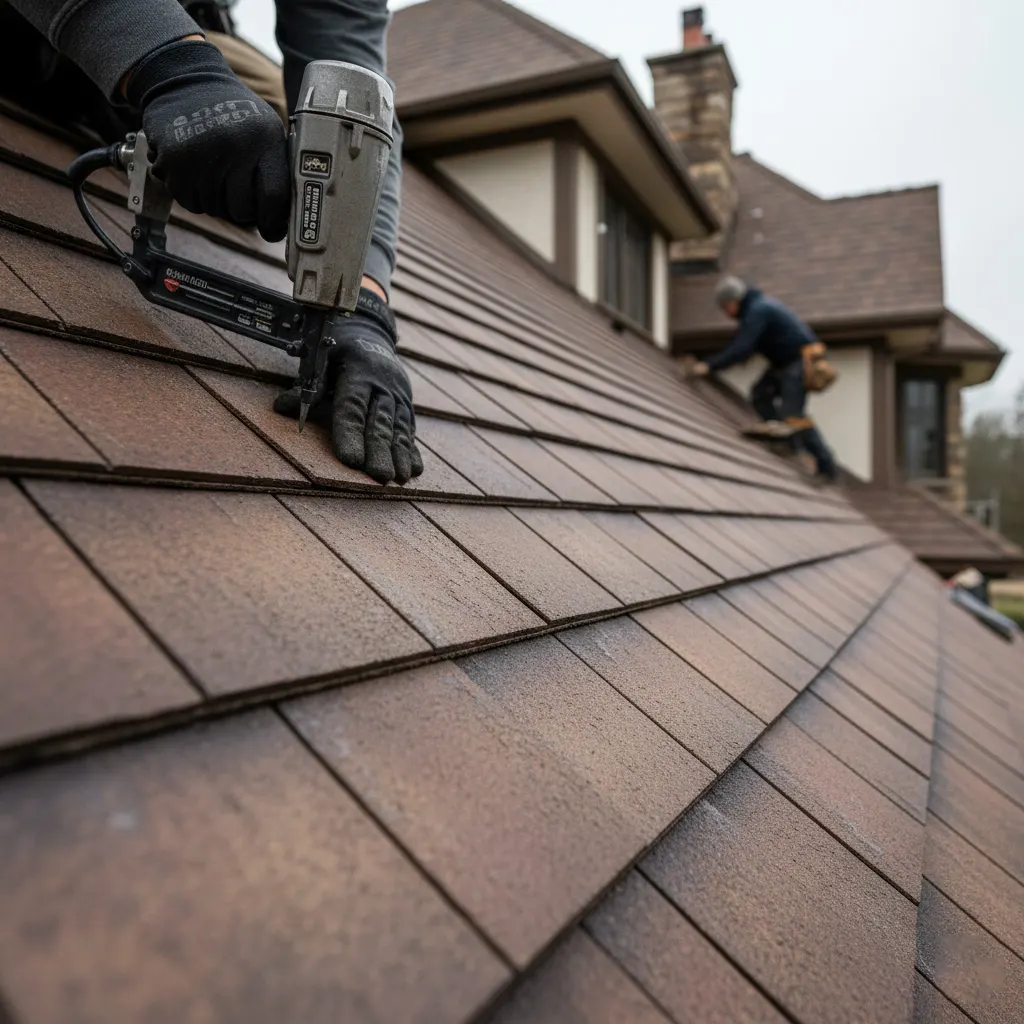
Why Charleston’s Humidity and Storm Patterns Hide Roof Damage Longer Than Most Climates
Charleston humidity sticks around long after the rain stops. This traps moisture under shingles and in the underlayment. Small cracks stay wet and spread without showing water stains inside your home right away.
Storms roll through with wind that drives rain sideways into flashing and vents. Most owners only notice once the ceiling starts to sag or paint bubbles. By then the rot has already set in the decking.
- High moisture levels slow evaporation so leaks hide for months.
- Salt air eats at metal edges bit by bit without loud warning signs.
- Frequent light storms add up without triggering obvious interior damage.
The Five Overlooked Inspection Points Pros Check Before Writing Any Quote
Charleston roofs take a beating from salt air and sudden downpours. Most homeowners miss the small details that decide whether a repair stays cheap or turns into a full replacement.
Pros start every job by checking these five spots first. They know each one can hide problems that spread fast in our humidity.
Key spots they examine right away
- Flashing around chimneys and skylights where water sneaks under layers during heavy storms.
- Underlayment tears near valleys that let moisture rot decking before any shingles lift.
- Nail pops and sealant cracks on vents that grow bigger with every temperature swing.
- Ridge vent openings clogged by debris that trap heat and speed up shingle wear.
- Soffit and fascia gaps that allow pests and wind-driven rain to reach the attic edge.
They measure and note each issue on site. This keeps quotes accurate instead of padded with surprise costs later.
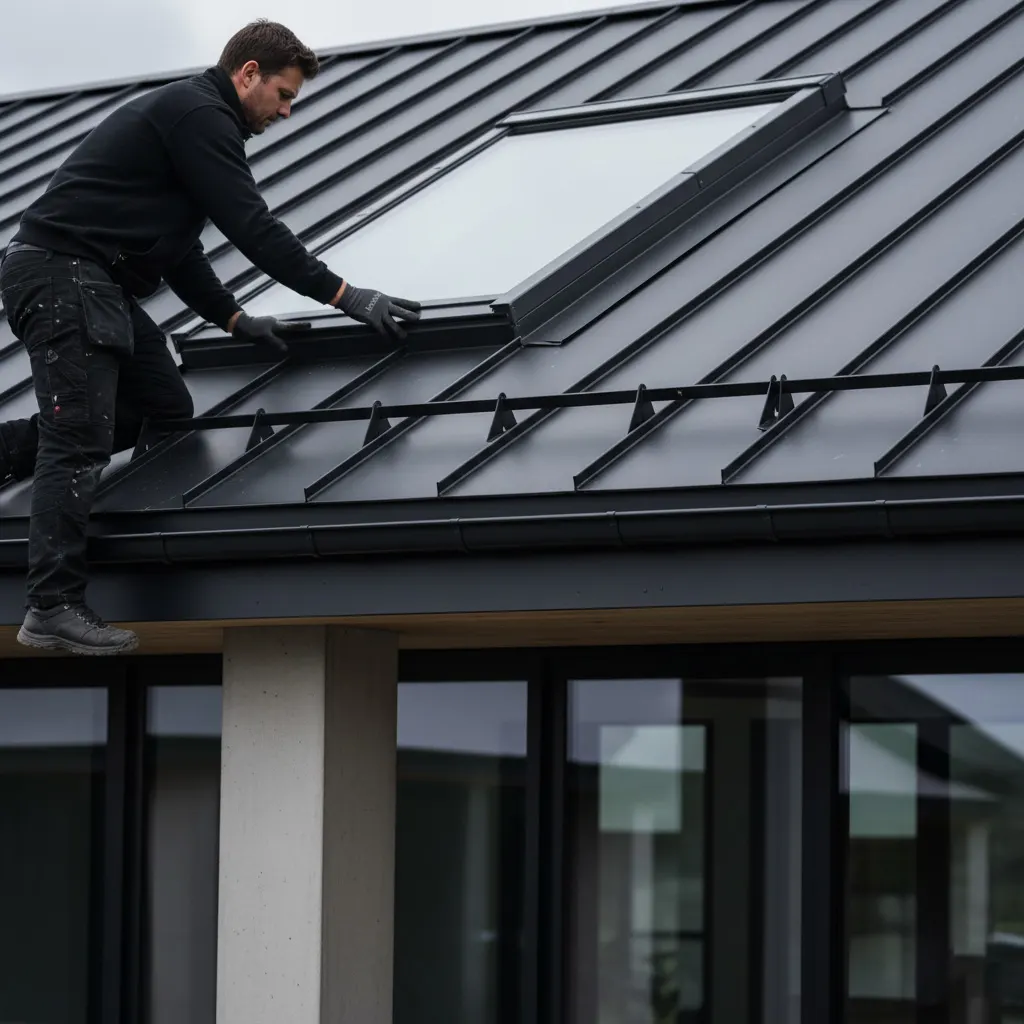
Attic Warning Signs That Reveal Hidden Leaks, Mold, and Structural Weakness
Start in the attic during any roof check in Charleston. Light streaks on the underside of the decking point to water sneaking through shingles or flashing. Dark patches along rafters often signal mold taking hold from trapped moisture.
Watch for these clues that pros catch early:
- Soft or sagging beams where water has weakened the wood over time.
- Stale, musty air that lingers even after ventilation runs.
- Discolored insulation clumps near the eaves.
These signs show up before ceiling stains ever appear downstairs. Spot them now and you avoid bigger structural repairs later. A quick attic walk-through reveals what street-level looks miss every time.
Case Study: How a Single Missed Flashing Detail Cost a James Island Homeowner $14,800
Take the case of a James Island couple who called in a local inspector for their 12-year-old roof. The guy walked the perimeter, snapped a few photos, and signed off with a clean bill. Six months later water started dripping through their kitchen ceiling after a typical Charleston downpour.
The real problem sat right at the base of a chimney where the flashing had pulled loose just enough to let rain sneak under the shingles. By the time they brought in a second crew, mold had spread across the attic joists and the decking needed full replacement. That quick skip on one detail stacked up to a $14,800 repair bill that could have stayed under $800 with early attention.
Here is what went wrong in plain steps:
- Flashing nails had backed out from heat expansion.
- No sealant was reapplied at the overlap.
- Attic inspection never happened to catch the first stain.

Drainage, Ventilation, and Shingle Granule Loss—Details Inspectors Rarely Explain Upfront
Charleston rains dump water fast, and poor drainage turns small roof slopes into pools that eat away at shingles over time. Most inspectors skip the talk on how clogged downspouts or blocked scuppers force water back under layers you cannot see from the ground.
Ventilation problems hit hard in this humidity because trapped air cooks your attic and speeds up rot. Watch for these signs during any check.
- Blocked ridge vents that cut airflow by half.
- Soffit intakes stuffed with insulation or debris.
- Moisture stains on rafters even when the roof looks dry outside.
Shingle granule loss tells a story inspectors often gloss over until the deck starts to show. When black streaks appear in gutters after a storm, it signals the protective coating is gone and leaks will follow soon. A quick scoop of those granules in your hand shows if the roof has another year or needs action now.
How to Spot an Incomplete Roof Inspection Report Before You Sign Anything
Inspectors often hand over a report that looks complete on the surface. But it leaves out critical spots that lead to surprise costs later.
Flip to the details section first. See what they actually covered during that roof inspection in Charleston SC.
Watch for These Missing Pieces
- No photos or notes from the attic space
- Vague statements instead of specific measurements on granule loss
- Zero mention of drainage slopes or ventilation checks
- Recommendations that skip future timelines or prevention steps
Call them out on any blank spots. Make them redo the report with everything filled in before you sign.
Conclusion: Turning Inspector Secrets into a Proactive Maintenance Plan for Your Charleston Roof.
Start by walking your roof line once a quarter. Spot the same flashing gaps and granule trails the pros hunt for. Catch them early and you dodge the big repair checks that hit most Charleston homes.
Build a simple checklist that covers attic vents, downspout flow, and shingle wear. Roof Inspection pros use this same list every time. Follow it yourself and you stay ahead of humidity-driven rot.
- Photograph problem spots right after every storm
- Clear gutters before fall leaves pile up
- Schedule a full check every two years or after any major wind event
Keep records of every small fix. Those notes turn into proof when insurance questions surface. You control the timeline instead of letting hidden damage call the shots.
We deliver fast roofing repairs and replacements across Charleston, SC to restore protection and prevent further damage. Serving 29401, 29407, 29412, 29414, 29492.People Also Ask
How often should Charleston homeowners schedule a roof inspection?
Charleston’s high humidity and frequent coastal storms accelerate wear that stays hidden for months. Most local roofing pros recommend yearly inspections to catch granule loss, ventilation failures, and flashing gaps before leaks appear. Scheduling after every major storm adds an extra layer of protection for your attic and structure.
What hidden roof problems do inspectors find that homeowners usually miss?
Professionals focus on attic insulation stains, soffit ventilation gaps, and subtle shingle granule patterns that signal moisture buildup. These details often remain invisible from the ground yet lead to mold or structural weakness if ignored. A trained eye spots them quickly during a full Charleston roof inspection.
Does a roof inspection include checking for storm damage in Charleston SC?
Yes, thorough inspections examine impact dents, lifted shingles, and compromised flashing that storms commonly create. Charleston’s wind-driven rain and salt air make these checks essential to prevent interior leaks. Inspectors also review drainage and ventilation to ensure the roof can handle future weather events.
How much does a professional roof inspection cost in Charleston?
Most Charleston roofing companies charge between $150 and $350 for a detailed inspection that includes attic and exterior evaluation. The fee is small compared with the $10,000-plus repairs that hidden leaks or mold can trigger. Many firms apply the cost toward future repairs when issues are found early.
Need Roofing Services?