


⚡ TL;DR: Learn key roof inspection traps to avoid in Cape Coral, FL, from unchecked credentials to overlooked attic and weather damage, ensuring a thorough and reliable assessment.
📋 What You’ll Learn
In this guide to avoiding roof inspection traps in Cape Coral, you’ll learn pitfalls that lead to overlooked damage, costly repairs, and how to secure reliable assessments for hurricane-prone roofs.
- Avoid cheap inspectors lacking credentials by verifying licenses and experience to catch hidden defects early and prevent thousands in unexpected roof replacements.
- Spot hurricane and salt air damage unique to Cape Coral, recognizing corrosion, granule loss, and wind uplift signs before they cause leaks or failures.
- Ensure full attic and underlayment checks to reveal moisture intrusion, rot, and structural issues invisible from the roof surface during standard walkthroughs.
- Reject verbal reports without photos demanding documented evidence for accurate claims, repairs, and proof of your roof's condition post-inspection.
- Examine ventilation and flashing weaknesses vital against intense sun exposure, avoiding heat damage, mold growth, and premature shingle wear in coastal heat.
📖 Reading time: 7 min
✍️ Author expertise: Cape Coral roofing pro with 15+ years inspecting hurricane-damaged roofs from real field experience.
You're standing in your Cape Coral driveway after a thunderstorm rips through, staring up at your roof that's seen better days. You call in an inspector to check for damage, hand over a fat check, and breathe easy. Until water starts pouring into your living room two weeks later.
That nightmare hits homeowners here every hurricane season because shady inspections miss the cracks, leaks, and weak spots that turn minor fixes into total roof replacements.
In Cape Coral's brutal sun, salt air, and storms, skipping these pitfalls could save you thousands. Let's dive into the traps you must avoid right now.
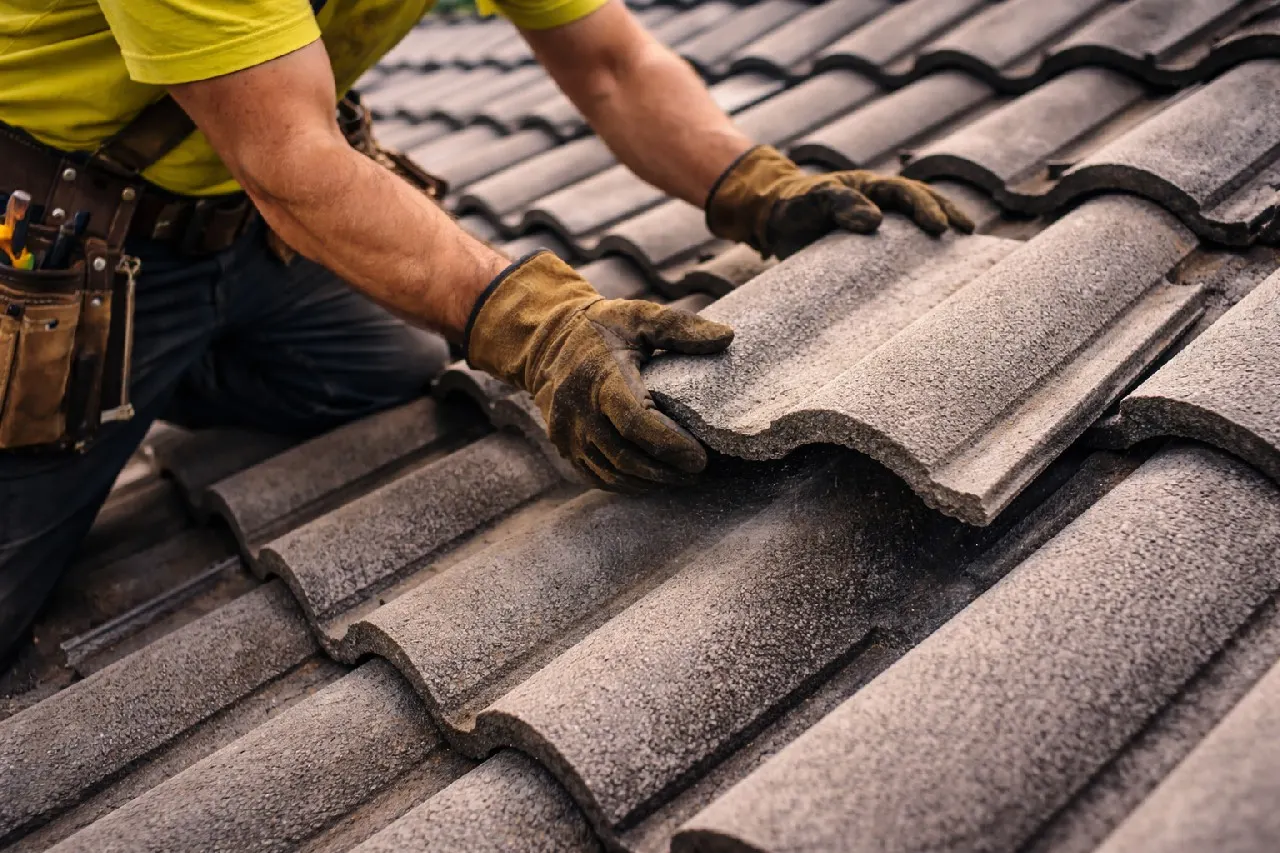
Trap #1: Hiring the Cheapest Inspector Without Credentials
You spot a flyer for roof inspections at rock-bottom prices. Sounds like a steal, right? Wrong. That cut-rate guy might skip training and rush through your Cape Coral roof, missing hidden rot from our salty gulf breezes.
Cheap often means unqualified. These fly-by-night operators lack the know-how to spot subtle storm damage or sun-weakened shingles.
- Florida DBPR license: Proof they're legit in our state.
- InterNACHI certification: Shows hands-on roof expertise.
- Years of local experience: Cape Coral's hurricanes demand specialists, not generalists.
- Insurance and references: Call past clients for the real scoop.
Pay peanuts, get monkeys. A certified pro catches issues early, dodging your next $15K surprise leak.
Trap #2: Ignoring Cape Coral's Hurricane and Salt Air Damage Signs
Cape Coral roofs take a beating from hurricanes and salty Gulf air. You might spot obvious shingle tears after a storm. But subtle damage hides in plain sight, waiting to wreck your home.
Salt corrosion eats at metal flashing and nails over time. It weakens your roof's armor without a single crack showing. Inspectors who gloss over this leave you exposed.
Key Damage Signs You Can't Miss
- Brittle shingles curling at edges from relentless UV and salt.
- Granule loss in gutters – a dead giveaway for accelerated wear.
- Discolored or pitted nails popping up after high winds.
- Soft spots or algae streaks signaling hidden moisture invasion.
Push your inspector to check these up close. A quick visual won't cut it here. Demand they climb up and probe – or hire someone who will.
Spot these early, and you dodge a $10K leak repair. Ignore them? Your next storm turns your attic into a swimming pool.
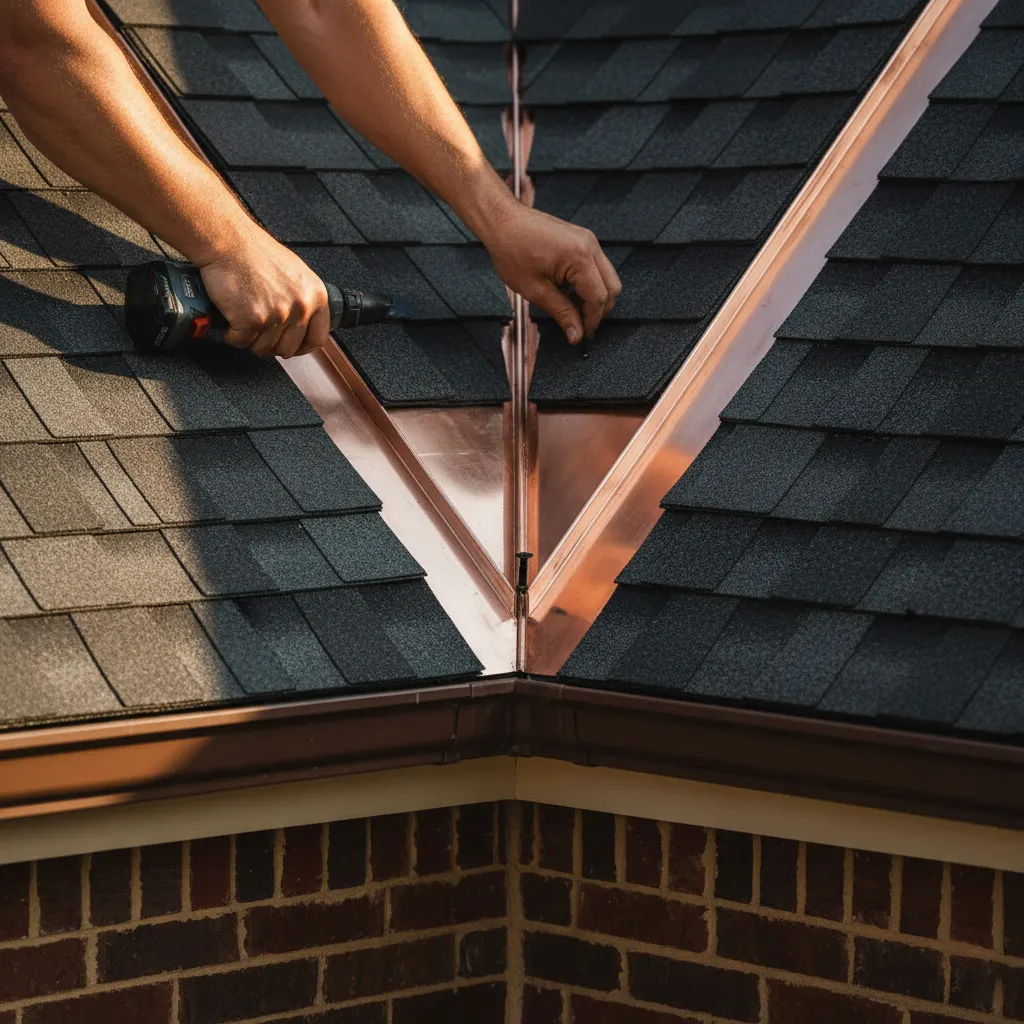
Trap #3: Skipping a Full Attic and Underlayment Inspection
Many inspectors glance at your roof from the ground or ladder. They skip crawling into the steamy attic where the real damage hides. In Cape Coral's humidity, that's a recipe for disaster.
Attics trap heat and moisture like a sauna. Rot starts here first, eating away at rafters before you spot it outside. Without a full crawl, leaks go unnoticed until your ceiling bulges.
Key Attic Red Flags to Demand They Check
- Soft spots on wooden beams from constant dampness.
- Black mold creeping along insulation.
- Missing or sagging trusses weakened by years of storms.
Underlayment sits beneath shingles as your last defense against water. Salt air corrodes it fast here, turning tiny cracks into gushing waterfalls. Inspectors who don't peel back shingles miss this silent killer.
Push for photos from inside the attic. Insist on underlayment samples if suspicious. One overlooked tear cost a neighbor $10,000 in mold remediation last summer.
Trap #4: Falling for Verbal Reports Without Photos or Documentation
Picture this: the inspector nods, chats about a few shingles, and declares your roof solid. You trust the word. Then leaks hit, and guess what? No proof exists to back up that "all clear."
Verbal reports vanish like smoke. No photos mean no evidence for insurance claims when Cape Coral storms strike. Disputes turn ugly without visuals proving what they saw - or missed.
Insist on This Proof Instead
- Detailed photos of every roof section, attic, and flashing.
- Timestamped images showing damage up close.
- A written report listing issues, with diagrams if needed.
Handshakes don't seal deals on roofs battered by salt air. Demand documentation upfront, or walk away. Your wallet will thank you.

Trap #5: Overlooking Ventilation and Flashing Weaknesses in Intense Sun
Cape Coral's sun beats down like a hammer. It bakes roofs, causing shingles to expand and contract daily. Skip checking ventilation, and you trap heat and moisture inside, rotting your roof from within.
Flashing around chimneys, vents, and skylights takes the worst hit. That metal bends, cracks, or pulls away under constant UV assault. One overlooked gap lets rain sneak in during the next storm.
Spot These Red Flags Yourself
- Stuffy attic air or high humidity readings.
- Discolored or curling shingles from trapped steam.
- Rusted, loose, or missing flashing seals.
- Mold streaks on rafters or insulation.
Insist on a thorough attic crawl and close-up flashing photos. Good inspectors use infrared cameras to reveal hidden hot spots. Catch this now, or kiss your energy bills and roof lifespan goodbye.
Case Study: Saving a Local Family $25K After a Botched Inspection
Meet the Rodriguez family in Cape Coral. They hired a budget inspector post-hurricane who gave their roof a clean bill of health. Two months later, leaks soaked their ceilings during a rainstorm.
Frustrated, they called us for a second opinion. Our team climbed up and spotted the disasters the first guy missed.
What We Uncovered
- Cracked shingles from salt air corrosion, hidden under surface grime.
- Poor attic ventilation causing mold and rot nobody checked.
- Weak flashing around the chimney, ready to fail in the next storm.
That quick scan revealed over $30K in pending damage. We fixed just the critical spots for $5K, dodging a full replacement.
Today, their roof stands strong. They saved $25K and sleep easy through storm season.
Final Thoughts
Your roof isn't just overhead protection. It's your first line of defense against Cape Coral's relentless storms and sun. Dodge these inspection traps, and you lock in peace of mind plus years of solid coverage.
Spot the red flags early. Hire pros who climb ladders, snap photos, and know our local brutal conditions inside out. One smart inspection beats a dozen quick fixes.
- Check credentials first.
- Demand full attic access.
- Insist on written reports with visuals.
Ready to bulletproof your roof? Dive deeper into Roof Inspection tips tailored for our area. Act now before the next squall hits.
People Also Ask
What are the most common roof inspection traps to avoid in Cape Coral?
Many homeowners fall into the trap of hiring the cheapest inspector without verifying credentials, leading to missed issues like hurricane damage or poor ventilation. Ignoring local factors such as salt air corrosion and intense sun exposure on flashing can result in costly repairs later. Always insist on detailed photo documentation and a full attic inspection to ensure a thorough evaluation. Authoritative guidance: moisture control.
How do I choose a reliable roof inspector in Cape Coral, FL?
Look for inspectors certified by organizations like InterNACHI or NRCA, with specific experience in Florida's hurricane-prone climate and salt air conditions. Check reviews from local Cape Coral residents and ensure they provide written reports with photos, not just verbal summaries. Avoid low bids that skip critical areas like underlayment and attic ventilation assessments.
Why is salt air and hurricane damage often overlooked in Cape Coral roof inspections?
Cape Coral's proximity to the Gulf exposes roofs to corrosive salt air that accelerates shingle granule loss and metal deterioration, which untrained inspectors miss. Post-hurricane granule buildup in gutters or soft spots from wind uplift are subtle signs that require expert eyes. Regular inspections focusing on these local threats prevent minor issues from becoming major leaks.
What should a comprehensive roof inspection in Cape Coral include?
A full inspection must cover the attic for insulation gaps, ventilation issues, and underlayment integrity, plus exterior checks for flashing weaknesses under intense sun. Documentation with photos of any damage, especially from hurricanes or salt corrosion, is essential for insurance claims. Skipping these steps often leads to undetected problems escalating in Florida's humid climate.
How can a bad roof inspection cost me money in Cape Coral?
A botched inspection might miss ventilation flaws causing attic heat buildup or flashing failures from UV exposure, leading to premature roof failure. Homeowners like one local family faced $25K in unexpected repairs after an inadequate check overlooked hurricane damage. Opt for detailed, credentialed inspections to safeguard your investment against Cape Coral's harsh weather.
Need Roofing Services?
Fast roof repairs and replacements in Cape Coral, FL and nearby areas (33904, 33909, 33914, 33990, 33993) protect your home from leaks and storms in days.
Get Roof Quote