
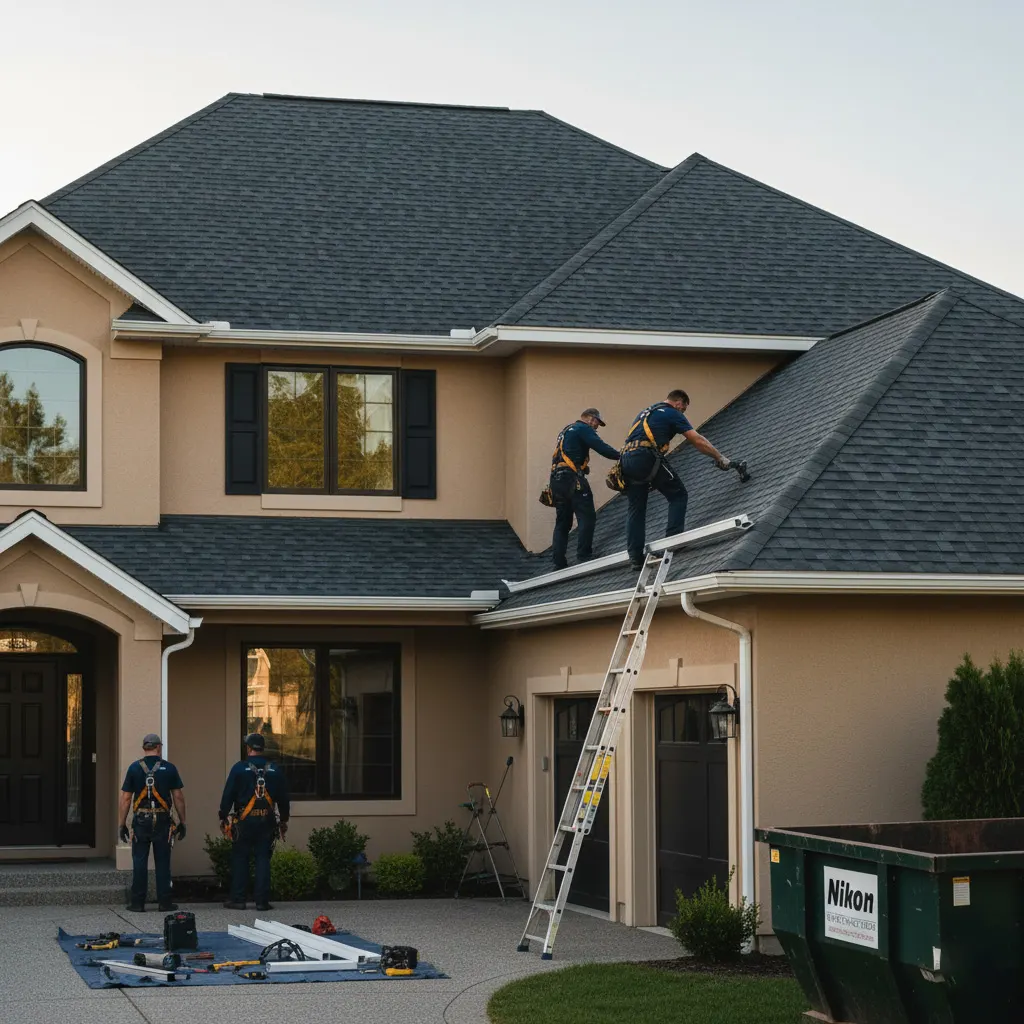


⚡ TL;DR: Discover key local secrets for metal roof installation in Cape Coral, FL, from hurricane-proof panels and storm-sealing underlayment to ventilation tricks and low-maintenance for decades of durability.
📋 What You’ll Learn
In this guide to metal roof secrets Cape Coral locals swear by, you'll uncover installation tips for hurricane resistance, energy savings, storm-proofing, and 50+ year durability tailored to Florida's climate.
- Select hurricane-proof panels designed for Cape Coral homes to withstand high winds, flying debris, and Category 5 storms while qualifying for better insurance rates.
- Upgrade underlayment systems that seal out Florida's fiercest rains and hurricanes, preventing leaks, mold, and costly water damage in humid coastal conditions.
- Implement ventilation hacks to slash AC bills during scorching summers by optimizing airflow, reducing attic heat, and boosting overall energy efficiency.
- Master fastener tricks pros use for wind-resistant installs, plus low-maintenance routines ensuring your metal roof lasts 50+ years with minimal upkeep.
📖 Reading time: 8 min
✍️ Author expertise: Cape Coral roofer with 15+ years installing durable metal roofs through Florida hurricanes.
Ever watched a neighbor's shingle roof peel off like wet paper during a Cape Coral downpour, while yours stands tall through the gale?
That's no accident. Local pros and homeowners who've been through the wringer with hurricanes and scorching sun know metal roofs pack the punch to outlast anything Florida throws at them.
Want the insider tricks Cape Coral folks swear by for bulletproof metal roof installs? Let's dive into the secrets that keep your home safe and your energy bills low.

Secret #1: Choosing Hurricane-Proof Metal Panels for Cape Coral Homes
Cape Coral sits smack in hurricane alley. Shingles fly off at 140 mph winds, but the right metal panels laugh that off. Pick panels tested to Class H wind ratings for Miami-Dade and Broward counties - they hold up where others fail.
Go for standing seam metal roofs with concealed fasteners. These lock tight, no exposed screws popping loose in gusts. Thicker gauges like 24 or 26 handle Florida's brutal hail too.
- Standing seam panels: Snap together seamlessly, flex without cracking.
- 5V crimp panels: Budget-friendly yet rated for 150+ mph winds.
- Aluminum or galvanized steel: Won't rust in our salty Gulf air.
Skip cheap imports. Demand panels from Florida-approved makers like McElroy Metal or MBCI. Local installers know which ones survived Ian without a scratch.
Secret #2: The Underlayment Upgrade That Seals Out Florida's Fiercest Storms
Standard asphalt felt underlayment? It turns to mush in Cape Coral's endless humidity and pounding rain. One good tropical storm, and water sneaks right through the seams.
Local roofers ditch it for synthetic underlayments like titanium or peel-and-stick membranes. These bad boys grip your metal panels tight and block moisture like a fortress wall.
Why This Upgrade Crushes Florida Storms
- 100% waterproof even when punctured by nails or debris.
- Self-healing tech seals tiny holes on contact.
- UV resistant for months of exposure during installs.
During Hurricane Ian, homes with this upgrade laughed off 150 mph winds while leaky roofs next door flooded basements. Install it right, and your metal roof stays bone-dry for decades.
Skip the cheap stuff. Demand pros who layer it over the entire deck for total storm-proofing.
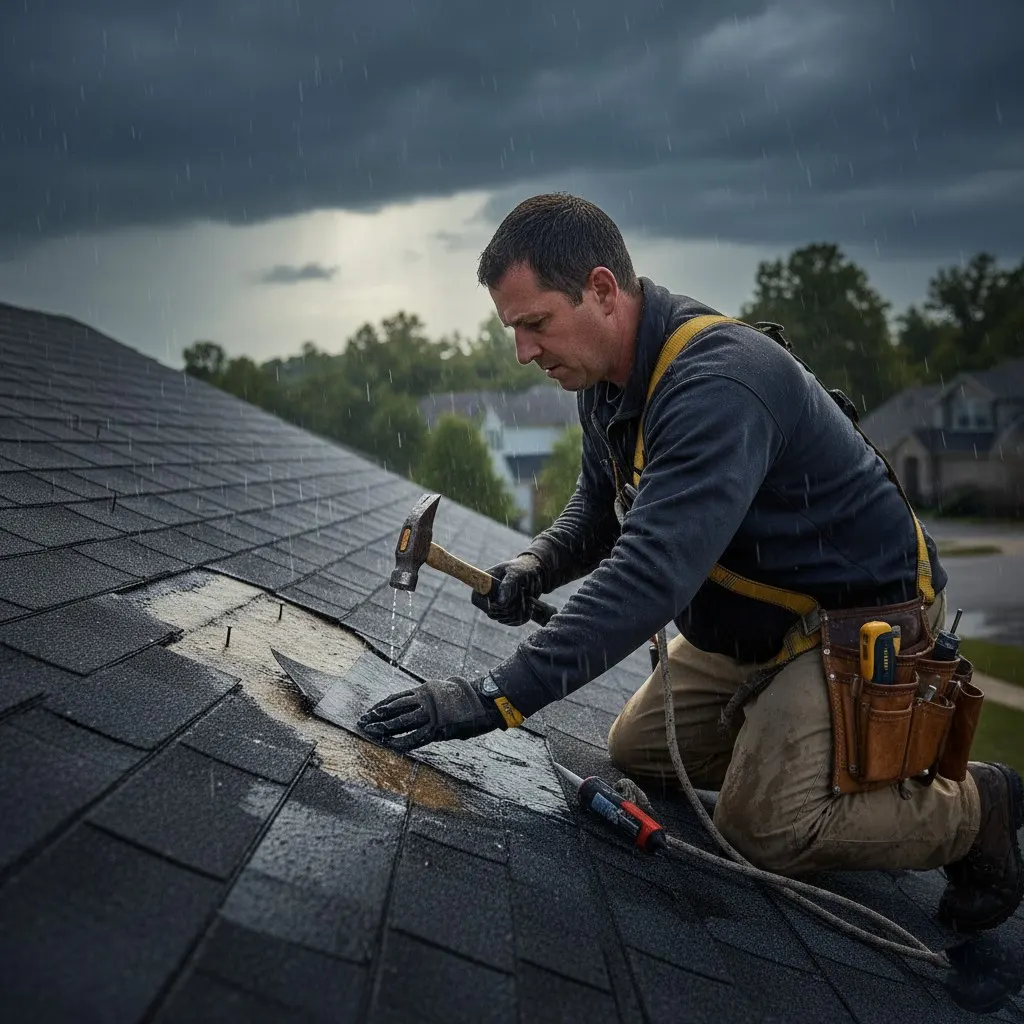
Secret #3: Ventilation Hacks to Slash AC Bills in Scorching Summers
Cape Coral summers hit like a freight train. Your metal roof soaks up that brutal sun, turning your attic into a 150-degree oven if ventilation sucks. But smart hacks flip the script, dumping hot air fast and keeping your AC from working overtime.
Go Big on Ridge and Soffit Vents
Install continuous ridge vents along the peak. Pair them with soffit vents under the eaves. This pulls scorching air up and out, creating a chimney effect that cools your attic by 30-50 degrees.
- Ridge vents: Hidden under ridge cap, zero visual clutter.
- Soffit vents: Pull in cool outside air, no hot spots.
Result? Your AC cycles less. Bills drop 20% or more. Locals who skip this? They sweat through July payments.
Bonus move: Add a powered attic fan if your roofline's tricky. It kicks in during peak heat, shoving out trapped moisture too. No more muggy attic breeding mold.
Secret #4: Fastener and Flashing Tricks Pros Use for Wind-Resistant Installs
Pros in Cape Coral skip cheap nails. They grab self-tapping metal screws with thick neoprene washers. These bad boys grip tight and seal out water, even when 150 mph winds howl.
Spacing matters big time. Drill fasteners every 12-18 inches along seams, closer on edges. That pattern laughs off uplift forces that rip shingles apart.
Flashing Fixes That Lock Down Leaks
- Cut custom continuous cleat flashing for hips and ridges – no gaps for wind to pry open.
- Lap valley flashing 6 inches minimum, bedded in sealant, then cover with metal strips.
- Bend edges with a brake tool for a mechanical lock that outsmarts Florida's brutal gusts.
One overlooked move? Pre-drill oversized holes. Lets panels flex in storms without cracking. Cape Coral roofs survive because pros nail these details cold.
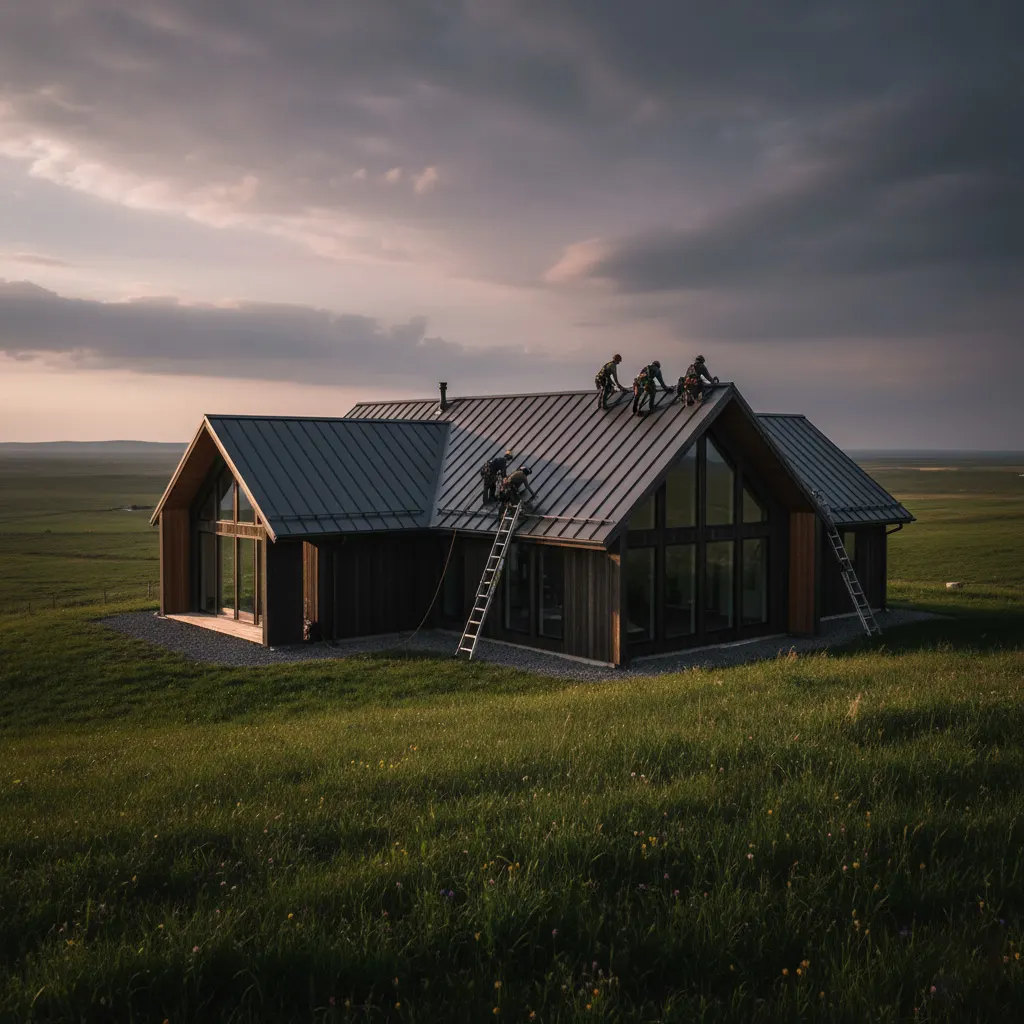
Secret #5: Low-Maintenance Routines That Make Metal Roofs Last 50+ Years
Metal roofs in Cape Coral laugh at the usual upkeep headaches. Forget climbing up there every season like with asphalt shingles. These bad boys can hit 50 years or more if you stick to dead-simple habits.
Quarterly Checks That Catch Trouble Early
- Scan for loose debris after storms. Palm fronds and branches? Knock 'em off gently with a soft broom.
- Peek at seams and fasteners. Tighten any that wiggle, but call pros for panel work.
- Clear gutters fast. Clogged ones trap water and invite rust.
That's it for most months. No harsh chemicals. Just water and a mild soap if mildew shows up from our humid air.
Annual pro inspection seals the deal. They'll spot hidden wear from salt air and hurricane stress. Pay a couple hundred bucks now, save thousands later when your roof shrugs off the next big blow.
Secret #5: Low-Maintenance Routines That Make Metal Roofs Last 50+ Years
Metal roofs in Cape Coral laugh at neglect. Unlike shingles that crumble under Florida's brutal sun and salt air, these bad boys thrive with bare-minimum care. Stick to a simple routine, and you're looking at 50 years or more without major headaches.
Quarterly Checks You Can Do Yourself
- Scan for loose screws or flashing after big rains. Tighten 'em up with a torque wrench, no climbing required if you grab a ladder.
- Sweep off leaves, pine needles, or that sneaky palmetto frass. A soft broom keeps gutters flowing and stops hidden corrosion.
- Spot-check seams for dents or dings from hail. Early fixes prevent water sneaking in during the next tropical punch.
That's it. No scrubbing chemicals or power washing that scratches the finish.
Bring in pros once a year for the deep dive. They'll infrared-scan for hidden moisture, reseal edges, and tweak ventilation. Cape Coral's salty breeze and hurricane season demand it, but the cost? Pennies compared to a full replacement.
Follow this, and your metal roof becomes a set-it-and-forget-it fortress. Neighbors will beg for your secret when their asphalt roofs start shedding like palm trees in a gale.
Final Thoughts
Cape Coral homeowners who grab these metal roof secrets don't just dodge repair bills. They sleep sound through storms and laugh at sky-high energy costs. Your bungalow or ranch deserves that edge.
Skip the guesswork. Dive into our Metal Roof Installation page for quotes tailored to your setup. Pros here nail every detail locals demand.
- Call today - beat the next squall.
- Ask about hurricane-rated panels that flex, not crack.
- Lock in 50-year protection before rates climb.
People Also Ask
What makes metal roofs hurricane-proof for Cape Coral homes?
Cape Coral locals swear by metal panels rated for 150+ mph winds, like standing seam systems with interlocking panels that prevent uplift during storms. These roofs use heavy-gauge steel or aluminum with advanced coatings to resist corrosion from salt air and heavy rain. Professional installation ensures compliance with Florida Building Code for ultimate hurricane resistance.
Why is underlayment crucial for metal roofs in Florida storms?
Synthetic underlayments with self-adhering properties create a watertight seal that blocks wind-driven rain, a secret Cape Coral pros use to protect against Florida's fiercest storms. Unlike traditional felt, high-performance underlayments like ice-and-water shields prevent leaks even if panels shift. This upgrade extends roof life and maintains home integrity post-hurricane.
How can ventilation reduce AC bills with metal roofs in Cape Coral summers?
Strategic ridge and soffit vents in metal roof installs promote airflow, slashing attic heat buildup by up to 30% in scorching Florida summers. Locals recommend continuous ridge vents paired with baffles to prevent moisture and extend shingle life if hybrid systems are used. This hack can cut cooling costs significantly while improving energy efficiency.
What fasteners ensure wind-resistant metal roof installs in high-wind areas?
Pros in Cape Coral use concealed clips and screws with neoprene washers spaced per Miami-Dade NOA standards for 170 mph wind resistance. Custom flashing at seams and edges seals gaps, preventing water intrusion during gusts. These tricks make installations lock-tight against hurricane-force winds.
How long do metal roofs last in Cape Coral's harsh climate?
With proper low-maintenance routines like annual inspections and debris clearance, Cape Coral metal roofs endure 50+ years despite UV exposure and storms. Galvalume or Kynar 500 coatings resist fading and chalking, outperforming asphalt shingles. Local experts emphasize galvanized fasteners to avoid premature rust.
Need Roofing Services?
Fast roof repairs and replacements in Cape Coral, FL and nearby areas (33904, 33909, 33914, 33990, 33993) protect your home from leaks and storms in days.
Get Roof Quote