

⚡ TL;DR: Recognizing key warning signs like shingle damage and structural sagging allows Bellevue homeowners to manage necessary roof replacement projects before small maintenance issues turn into expensive property repairs.
📋 What You’ll Learn
Protecting your home from the Pacific Northwest weather is essential. This guide highlights the critical warning signs that your Bellevue roof requires professional attention before costly structural damage occurs indoors.
- Identify early wear and tear by recognizing signs like curling, cracking, or missing shingles that suggest your roof has reached the end of its reliable service life.
- Detect hidden moisture issues such as granule loss and basement dampness, which act as subtle indicators that your roofing system is failing to protect your home’s interior.
- Evaluate your roof’s structural integrity by watching for sagging areas, which require immediate professional assessment to prevent dangerous collapses or extensive repairs to your home’s framing.
- Analyze energy efficiency drops that signal poor ventilation or failing insulation, helping you determine if a roof replacement is the most cost-effective path to lower monthly bills.
- Navigate Bellevue building codes with confidence by understanding the local regulatory requirements and material standards necessary for a durable roof replacement in the unique Washington climate.
📖 Reading time: 7 min
✍️ Author expertise: Master roofing contractor with decades of experience repairing and replacing roofs across Bellevue.
Most homeowners in Bellevue treat their roof like a distant relative; they only think about it when something goes horribly wrong. By the time you notice water dripping onto your hardwood floors or a dark stain blooming across your ceiling, the structural damage is often already done.
Living in the Pacific Northwest means your shingles are constantly fighting a war against moisture, moss, and aggressive windstorms. Waiting for a catastrophic leak to force your hand isn't just stressful, it is an expensive mistake that eats into your home equity.
You do not have to wait for a disaster to know your home is at risk. Here are five clear red flags that it is time to stop patching problems and start planning your roof replacement.
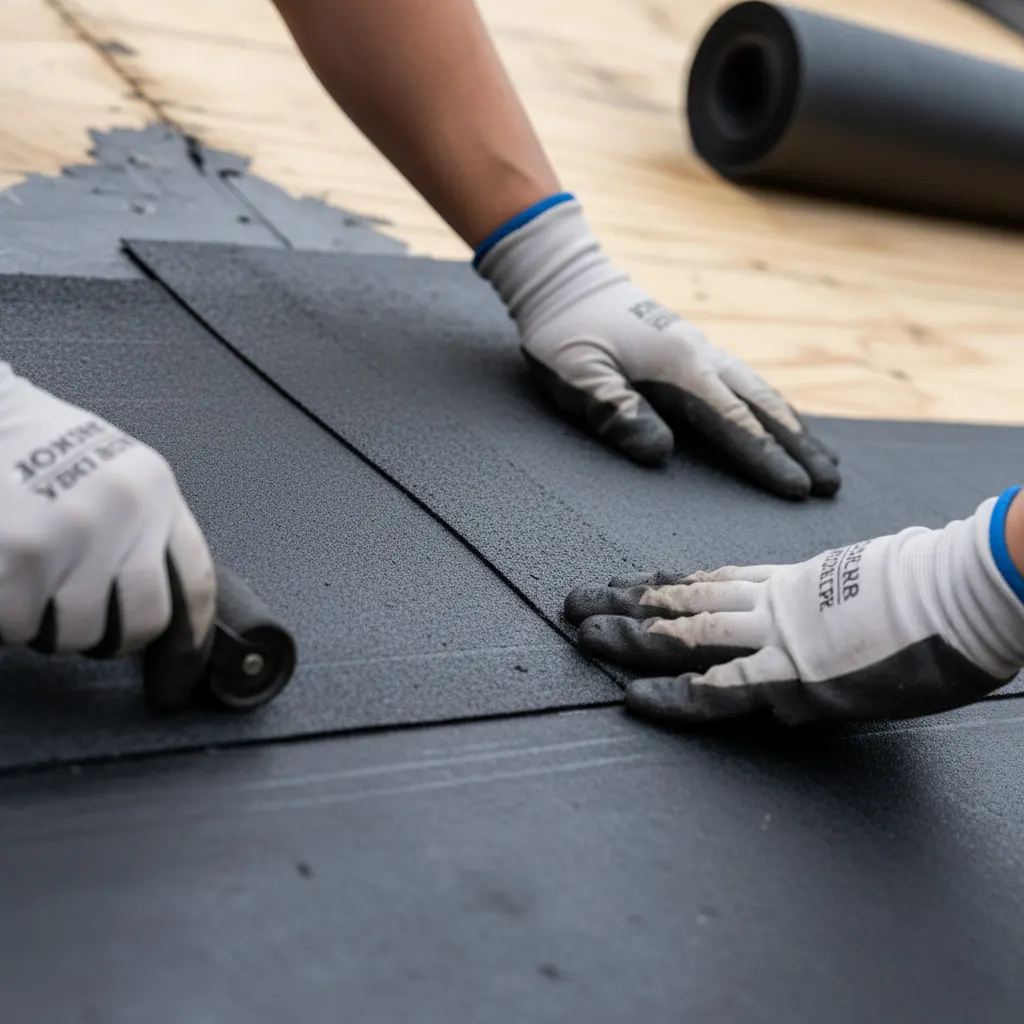
1. Curling, Cracking, and Missing Shingles: Identifying Wear and Tear
Your shingles are the primary line of defense against the relentless Bellevue rain. When they start to fail, they stop acting like a waterproof shield and start acting like a sponge.
Take a walk around your property on a clear day. Look closely at your roofline for these specific warning signs that tell you the material has reached the end of its life:
- Curling: If the edges of your shingles are turning upward or cupping in the middle, they are no longer lying flat. This allows wind-driven rain to slip directly underneath the shingle.
- Cracking: Thermal shock from our fluctuating temperatures causes shingles to snap. Once a crack appears, it is only a matter of time before moisture penetrates your underlayment.
- Missing Shingles: If you see empty spots or patches of exposed felt, your roof is effectively naked. A single missing shingle is often a sign that the adhesive strip has lost its grip across the entire section.
Do not wait for a heavy storm to reveal these gaps. If your shingles look brittle or are literally peeling off into your gutters, the damage is already internal.
Shingles that lose their structural integrity are a liability. When they reach this stage, patching is just throwing money into a hole in your roof.
The Hidden Culprit: Detecting Granule Loss and Basement Moisture
Your shingles are covered in a protective layer of mineral granules that act like sunscreen for your roof. When these start shedding, your roof loses its primary defense against UV rays and fire damage.
If you see a thick layer of sand sitting in your gutters or downspouts after a heavy Bellevue rain, that is a major red flag. Those granules are the only thing standing between your roofing felt and the punishing PNW elements.
Spotting the Signs
- Check your gutters for excessive grit or dark sediment.
- Look for uneven "bald" spots on your shingles where the base material is exposed.
- Watch for shingles that appear smooth or shiny compared to the rest of the roof.
The damage often runs deeper than the shingles themselves. If your attic or basement smells musty or feels damp, moisture has already bypassed your shingle barrier.
When shingles lose their granules, they soak up water like a sponge instead of shedding it. This trapped moisture eventually migrates through your decking and into the very foundation of your home, leading to expensive wood rot and mold growth.
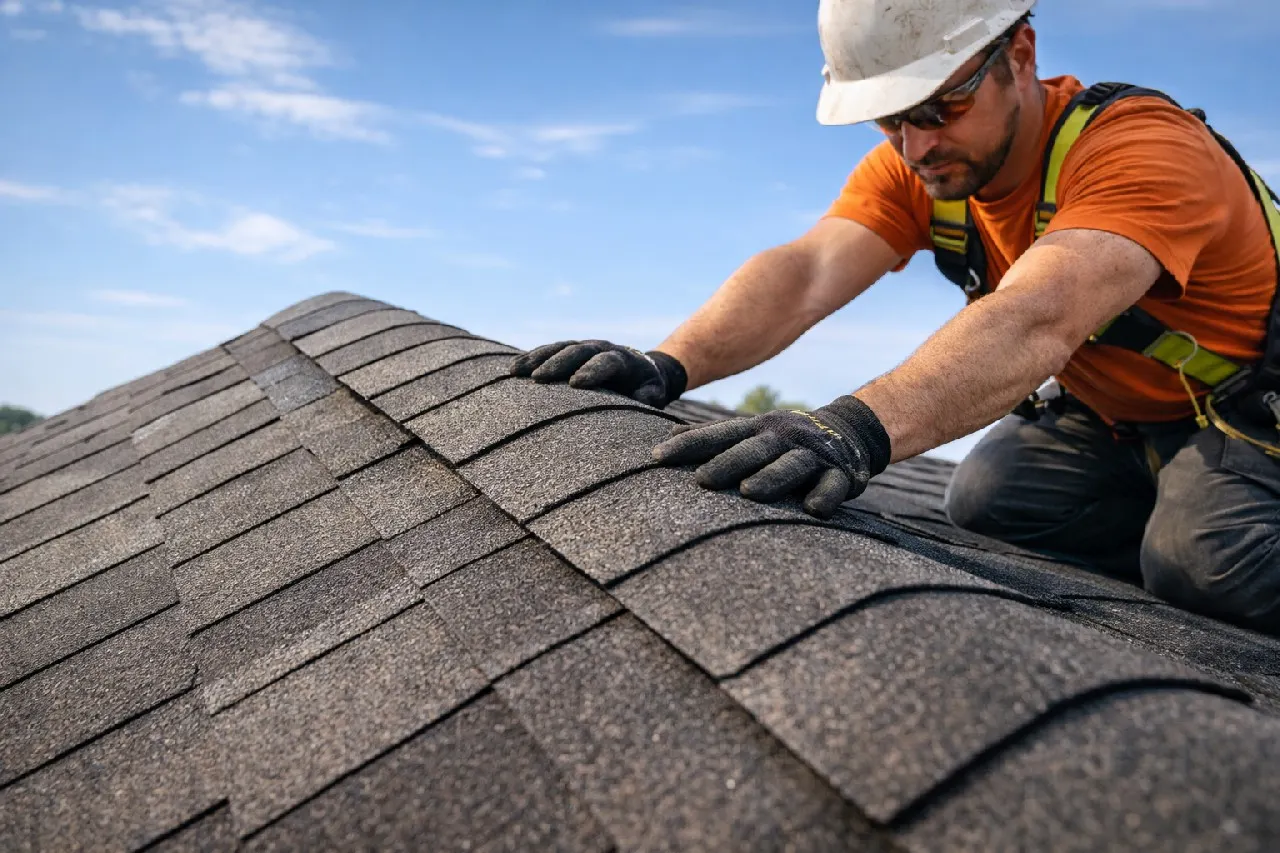
3. Roof Sagging and Structural Compromise: Why Professional Inspections Matter
If your roofline looks like a rollercoaster instead of a straight, sharp edge, you have a major emergency on your hands. A sagging deck is usually the final act of a long, slow decay caused by trapped moisture or support beams that have simply given up.
When wood rot takes hold, the integrity of your entire home is at risk. You aren't just dealing with a few loose shingles anymore; you are looking at potential structural collapse.
The Dangers of Structural Decay
Ignoring a dip in your roof is like ignoring a cracked foundation. Over time, the weight of Bellevue’s heavy rain or localized snow can force that sagging section to cave in, bringing your ceiling drywall down with it.
- Water pooling: Depressions act like buckets, holding stagnant water that accelerates rot.
- Weight load failure: Older structures often lack the bracing needed for modern roofing materials.
- Compromised rafters: Once the internal framing softens, the damage spreads faster than you can patch it.
Professional inspections are the only way to confirm what is happening beneath the surface. An expert roofer can tell if the issue is limited to a localized area or if your rafters are compromised throughout the entire house.
Don’t wait for a rainy night to find out how soft your decking has become. If you see a bow in your roof, call a pro immediately to assess the damage before the next storm turns a repairable issue into a total structural nightmare.
Rising Energy Bills and Poor Ventilation: Symptoms of a Failing System
Your roof does more than just keep the rain off your head. It acts as the primary thermal barrier for your entire house. When that barrier fails, your HVAC system has to work twice as hard to maintain a comfortable temperature in your Bellevue home.
If you have noticed your utility bills creeping up despite using the same amount of electricity as last year, look up. Heat trapped in your attic due to poor ventilation can cause your shingles to bake from the inside out, essentially destroying them before their time.
Here are the common symptoms that your roofing system is silently bleeding money:
- The upstairs rooms feel stiflingly hot during the summer, even with the AC running full blast.
- You notice ice dams forming along your eaves during the winter, which signals uneven roof temperatures.
- The attic space feels damp or smells musty, indicating that moisture is being trapped instead of venting out.
Ignoring these signs is like throwing cash directly into the garbage. A properly ventilated roof circulates air to keep temperatures stable, protecting your shingles and keeping your wallet full. If your house can't breathe, your roof will eventually quit on you.
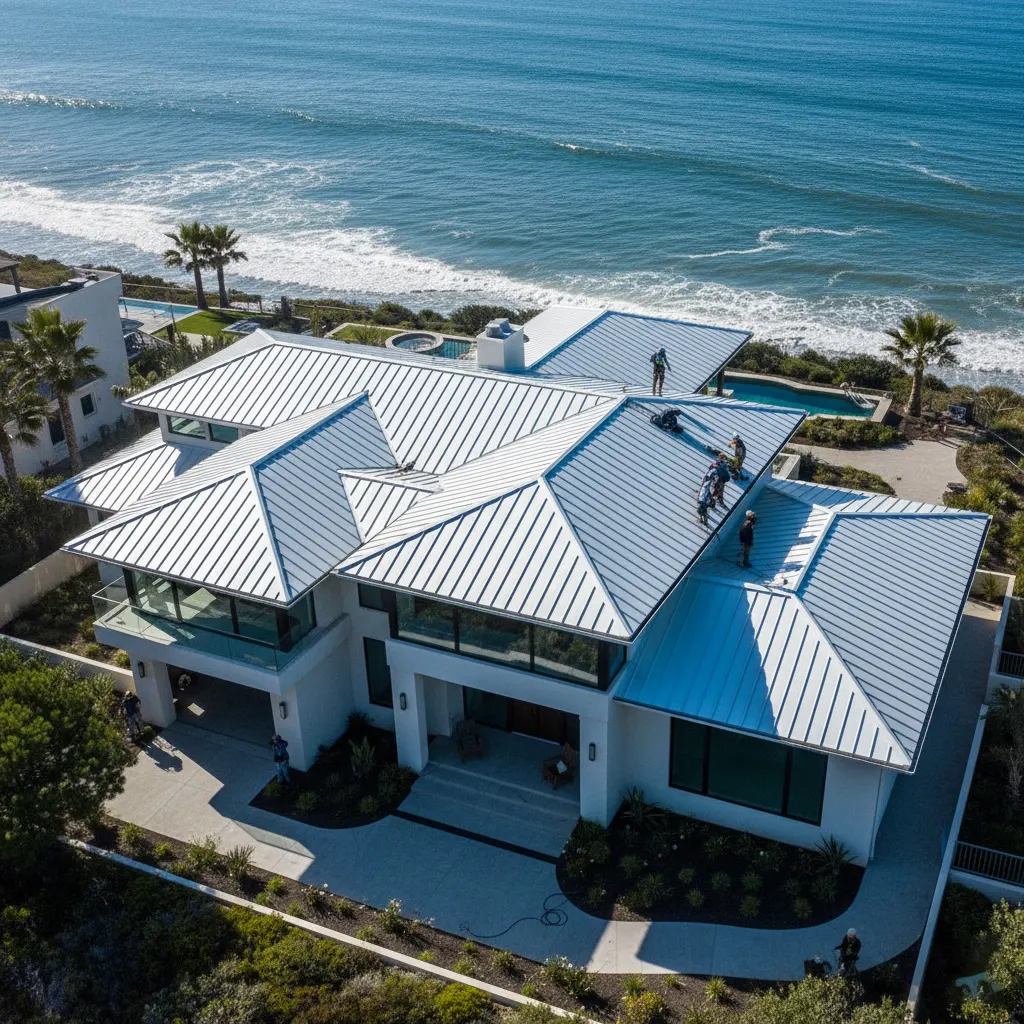
5. Bellevue Homeowner Spotlight: A Case Study in Proactive Roof Restoration
Consider the story of a family living in a classic craftsman near the Bellevue Botanical Garden. For years, they ignored the subtle buildup of moss and the occasional loose shingle, assuming their roof had plenty of life left.
It was only during a routine gutter cleaning that they noticed the decking felt soft and spongy underfoot. That discovery saved them from a total interior collapse.
They chose to act before the winter rains set in, opting for a full replacement with high-performance architectural shingles. By moving quickly, they avoided these common financial traps:
- The massive cost of emergency tarping during a storm.
- Extensive water damage to their custom ceiling drywall.
- The sudden drop in property value due to visible interior stains.
The result was a home that didn't just look better; it was immediately more comfortable. They noticed the house stayed warmer during those cold January mornings, proving that proactive maintenance pays for itself in sheer peace of mind.
They aren't an outlier, just a smart homeowner who stopped treating their roof as an afterthought. Waiting for a drip is a losing strategy that leaves your bank account vulnerable to unplanned repairs.
Navigating Bellevue’s Building Codes and Choosing the Right Materials
Replacing a roof in Bellevue isn't just about slapping on some new shingles. You have to play by the rules set by the City of Bellevue Development Services, which are strictly enforced to handle our unique PNW climate.
Building codes often dictate specific requirements for roof decking, underlayment, and proper flashing techniques. Skipping a permit or cutting corners on materials is a fast track to failing your next home inspection or losing your insurance coverage.
Selecting Materials That Survive the Rain
Choosing the right material is your first line of defense against the constant moisture. Don't let a slick salesperson sell you on aesthetics alone; look for durability and weight ratings that hold up in high winds.
- Architectural Asphalt Shingles: The standard for Bellevue homes, offering a balance of cost and wind resistance.
- Metal Roofing: A premium choice that sheds moss and debris, lasting decades longer than traditional options.
- Composite/Synthetic Slate: Provides a high-end look without the weight and maintenance headaches of real stone.
Always verify that your chosen roofing contractor is licensed, bonded, and deeply familiar with the local building ordinances specific to King County. A professional who understands the local code will ensure your installation is completely up to standard, protecting your warranty and your wallet for years to come.
Final Words: Protecting Your Investment Before the Next Storm
Your roof is the only thing standing between your family and the unpredictable Bellevue weather. When you see the warning signs, you are not just looking at old materials; you are looking at a ticking clock on your property value.
Waiting for the next heavy storm to test your shingles is a gamble you are guaranteed to lose. Proactive maintenance is far cheaper than paying for emergency repairs after water has already compromised your attic insulation and drywall.
If you have spotted any of the issues mentioned above, it is time to take action. Investing in a professional Roof Replacement today prevents the kind of structural rot that forces homeowners into massive, unexpected debt tomorrow.
Three Steps to Securing Your Home
- Schedule a comprehensive roof inspection with a licensed Bellevue contractor immediately.
- Compare high-quality material options that can withstand our specific regional moss and moisture cycles.
- Review your warranty options to ensure your new system is protected for decades to come.
Do not wait for a ceiling stain to wake you up in the middle of the night. A solid roof is an asset that works for you every single day by keeping your home dry, secure, and energy-efficient.
People Also Ask
How often should I replace my roof in Bellevue, WA?
Most asphalt shingle roofs in the Pacific Northwest last between 20 to 25 years. However, given Bellevue’s rainy climate and moss growth potential, we recommend a professional inspection every 3 to 5 years to ensure your roof is still protecting your home.Is roof replacement covered by homeowners insurance in Bellevue?
Insurance typically covers roof replacement if the damage is caused by sudden, accidental events like severe windstorms or falling trees. It usually does not cover damage resulting from long-term neglect, old age, or normal wear and tear.What are the signs that my roof needs replacing rather than repairing?
If you notice widespread shingle curling, significant sagging, or consistent leaks in multiple rooms, a full replacement is often more cost-effective than constant repairs. A professional inspection can help determine if your roof system has reached the end of its functional lifespan.Do I need a permit for a roof replacement in Bellevue?
Yes, the City of Bellevue generally requires a building permit for residential roof replacements. Working with a licensed and reputable local roofing contractor ensures that all work complies with local building codes and safety regulations.How long does a roof replacement take in the Bellevue area?
For an average-sized residential home, a roof replacement typically takes between 2 to 4 days to complete. This timeline can be influenced by the complexity of your roof’s architecture, the size of your home, and the weather conditions during the installation process.Need Roofing Services?
We install and repair roofs across Bellevue and nearby areas (98004, 98005, 98006, 98007, 98008) to deliver lasting protection through efficient project timelines.
Get Roofing Quote