

⚡ TL;DR: This guide provides Bellevue homeowners with essential roof maintenance strategies to manage regional weather impacts, prevent moisture damage, and preserve the long-term structural integrity of their local property.
📋 What You’ll Learn
Living in Bellevue presents unique challenges for your roof, from relentless rain to stubborn moss. This guide provides actionable secrets to extend your roof’s lifespan and protect your home’s structural integrity.
- Master seasonal roof inspections by learning how to spot early signs of wear and tear caused by our local climate, ensuring minor issues are fixed before they become expensive problems.
- Prevent moss and algae damage through proven cleaning and preventative techniques tailored for Pacific Northwest homes, keeping your shingles clean and free from moisture-trapping organic growth all year long.
- Maintain your gutter system by understanding why routine clearing is critical to preventing water backup, ice damming, and severe foundation damage during our heavy rainy seasons in Bellevue.
- Optimize your attic ventilation to regulate moisture and temperature, which effectively prevents premature shingle decay and keeps your home energy-efficient throughout the humid winter and the dry summer months.
- Identify hidden water intrusion using expert-backed observation tactics, helping you catch underlayment failure early and saving your Bellevue property from the devastating long-term effects of undetected moisture rot.
📖 Reading time: 8 min
✍️ Author expertise: Local Bellevue roofing contractor with fifteen years of experience diagnosing and repairing regional roofs.
You wake up to the sound of water dripping inside your living room wall, and suddenly, that quiet rainy night in Bellevue turns into a financial nightmare. Most homeowners treat their roof like an invisible shield, ignoring it until the day it decides to quit.
The truth is, the wet Pacific Northwest climate is brutal on asphalt shingles and cedar shakes alike. If you wait for a leak to show up, you have already lost the battle against rot and mold.
I have spent years fixing preventable disasters that could have been avoided with a few simple habits. Here are seven expert secrets to keeping your roof watertight and your wallet intact through every season.
Read on to discover exactly how to protect your biggest asset before the next storm rolls in from the Sound.

1. Mastering the Pacific Northwest Seasonal Inspection Checklist
In Bellevue, your roof fights a constant war against moisture. A casual glance from the driveway won't cut it. You need a systematic approach to spot trouble before it becomes a structural catastrophe.
I recommend checking your roof twice a year, specifically during the transition into autumn and again after the final spring thaw. You are looking for subtle shifts that signal your home is losing its seal against the elements.
Your Seasonal Inspection Checklist
- Missing or curled shingles: Even one cracked shingle acts as an open invitation for rain to saturate your decking.
- Granule loss: If your gutters look like they are filled with gray sand, your shingles are rapidly shedding their protective layer.
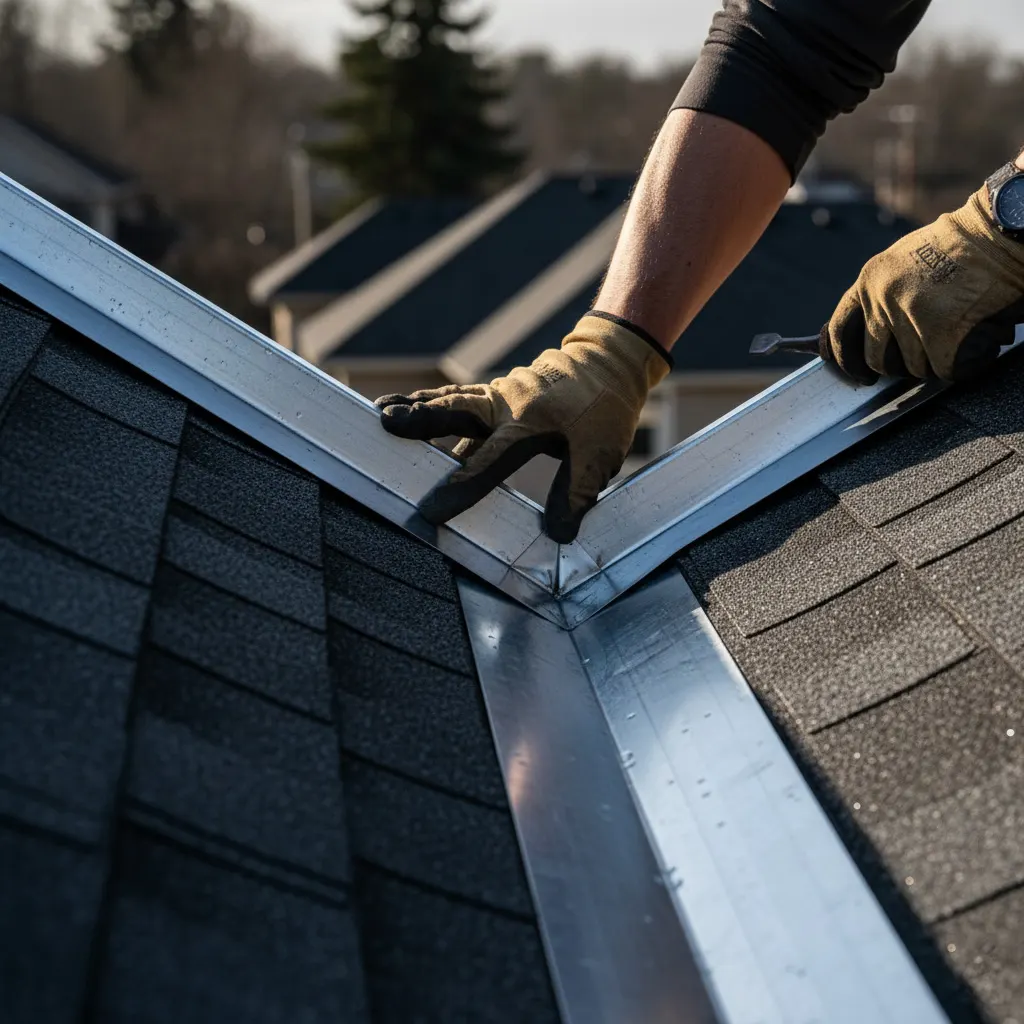
- Flashing integrity: Inspect the metal strips around your chimney and vents for gaps, rust, or loose caulking.
- Interior attic check: Use a flashlight to look for daylight peeking through the roof boards or any signs of dark water stains on the rafters.
Do not wait for a heavy downpour to realize something is wrong. When the sun is out, grab a pair of binoculars and scan the roof from the ground level. If you see dark streaks or sagging sections, call a professional immediately. Prevention is dirt cheap compared to the cost of a full roof tear-off and replacement.
The Hidden Dangers of Bellevue’s Moss and Algae Growth
If you live in Bellevue, you know that lush green hills are part of our charm, but that same moisture turns your roof into a thriving greenhouse. Moss is not just an aesthetic issue for your curb appeal. Those thick, green clumps act like sponges, soaking up gallons of rainwater and holding it directly against your shingles.
Once moisture is trapped, it forces the edges of your shingles to curl and lift. This creates the perfect entry point for water to bypass your defenses and rot the roof decking underneath. Ignoring this growth is a fast track to a total roof replacement.
How to Stop the Growth Cycle
You cannot simply scrape moss off with a wire brush, as that destroys the protective granules on your shingles. Instead, you need a strategy to kill the roots and prevent regrowth. Focus on these steps to protect your investment:
- Trim overhanging tree branches to allow sunlight and airflow to reach the roof surface.
- Install zinc or copper strips along the ridges to release algae-fighting ions when it rains.
- Use a professional, non-corrosive cleaning solution during the dry season to clear existing buildup.
Algae, the dark streaks you often see on older roofs, feed on the limestone filler in asphalt shingles. Don’t let it sit. If you see dark staining, it means your shingles are actively being consumed. A proactive cleaning schedule keeps your roof from becoming a buffet for spores and keeps your home dry throughout our long, gray winters.
3. Clearing Debris: Why Your Gutters Are the Roof’s Best Defense
Think of your gutters as the arterial system for your home. If they get clogged with the pine needles and maple leaves common to our Bellevue neighborhoods, that water has nowhere to go but backward.
When water backs up behind your gutters, it sits against the edge of your roof decking. This is the fastest way to invite wood rot into your eaves, creating a direct path for moisture to enter your interior walls.
You need to keep those channels clear to keep the water moving away from your foundation. Here is what you should check for during your seasonal cleanup:
- Remove buildup of pine needles and damp leaf mulch.
- Ensure downspouts are clear and pointing away from your home.
- Check that gutter hangers are secure and not sagging under the weight of debris.
Ignoring these troughs is a classic rookie mistake that leads to massive repair bills. A clean gutter system keeps the water flowing off your roof and safely onto the ground, exactly where it belongs.
Identifying Early Warning Signs of Underlayment Failure
Most homeowners obsess over their shingles, but the true hero of your roof system hides underneath. The underlayment is your last line of defense against moisture that manages to sneak past your shingles. When this barrier fails, your roof deck becomes a breeding ground for rot.
You do not need to be a professional roofer to spot these red flags. Start by heading into your attic during the next heavy Bellevue rainstorm with a high-powered flashlight. Look for these specific indicators of a compromised barrier:
- Dark, damp patches or localized staining on the underside of your plywood sheathing.
- A distinct musty or mildew-like smell that seems to linger near the roof rafters.
- Nails that appear rusted or show signs of white corrosion, which often happens when moisture gets trapped against the metal.
If you notice the wood decking looking darker than the surrounding areas, do not ignore it. That discoloration is a major alarm bell indicating that water has already bypassed the top layer. Once the underlayment is saturated, the decay accelerates quickly, eventually forcing a costly tear-off rather than a simple repair.

How Proper Attic Ventilation Prevents Premature Shingle Decay
Most Bellevue homeowners think their roof only needs to keep rain out. They forget that the real battle is happening inside their attic, where trapped heat and moisture act like a slow-motion rot machine.
Without a clear path for air to circulate, your attic turns into a sauna during our rare sunny spells. This extreme heat bakes your shingles from the underside, causing them to curl, crack, and lose their protective granules years before they should.
Think of your roof system as a lung. If you clog the airflow, the whole thing suffocates.
The Signs of a Suffocating Attic
You do not need a degree in engineering to spot a ventilation failure. Check your attic for these common red flags that signal your shingles are cooking:
- Frost buildup on the underside of your roof deck during cold Bellevue winters.
- Rust appearing on roofing nails or metal connectors.
- Heavy dampness or mildew-like smells when you climb up to inspect the crawl space.
- Dark, mysterious water stains that appear near chimney flashing or rafters.
When moist air from your showers and kitchen gets trapped under the roof deck, it condenses back into liquid water. This moisture saturates your wood decking, creating the perfect nursery for mold and wood rot. Once that wood weakens, your shingles lose their solid base, leading to sagging sections that catch debris and hold even more water.
Balanced ventilation is your best defense against these silent killers. You need a steady flow of cool, dry air moving from the soffits at the eaves up to the ridge vents at the peak. This constant exchange pushes out hot, humid air before it can settle and wreak havoc on your structural integrity.
Case Study: Rescuing a Bellevue Craftsman from Undetected Water Intrusion
I recently walked into a charming Craftsman home near Meydenbauer Bay that looked perfect from the street. The homeowner thought they had a solid roof, but they were actually living under a ticking time bomb.
Behind the beautiful cedar siding, moisture was silently dismantling the structure. We found a small, hidden puncture in the flashing around a chimney that had been leaking for two years.
Because the water followed the rafters, it never dripped onto the floor where the owner could see it. Instead, it stayed trapped inside the wall cavity, leading to these catastrophic issues:
- Structural rot that turned expensive wood into damp mush.
- Colonies of black mold that started creeping into the bedroom insulation.
- Rusted-out nails that left the roof decking loose and dangerous.
The repair bill ended up being ten times higher than a simple, routine inspection would have cost. We had to tear out entire sections of the wall just to reach the decay caused by that tiny, neglected gap.
Don't be the person who assumes everything is fine just because the ceiling looks dry. Water is a master of disguise, and it will find the smallest path into your home if you give it enough time.
7. Final Words on Protecting Your Bellevue Home for the Long Haul
Your roof is not a set-it-and-forget-it component of your home. Treating it like a passive shield is the fastest way to invite thousands of dollars in structural damage.
Consistency is your greatest weapon against the relentless moisture of the Pacific Northwest. By integrating regular Roof Maintenance into your home care routine, you stop small issues from snowballing into massive repair bills.
Remember that a healthy roof relies on a few core habits to outlast the weather:
- Schedule professional inspections at least twice a year.
- Keep your drainage paths free of heavy debris.
- Monitor your attic for temperature spikes or moisture buildup.
Do not wait for a stain on your ceiling to pay attention to your shingles. A proactive stance means you catch the hairline cracks and loose flashing while they are still cheap, DIY-friendly fixes.
Your house is likely your largest investment. Treat the roof with the respect it deserves and it will keep your family dry for decades to come.
People Also Ask
How often should I have my roof inspected in Bellevue, WA?
Because of our frequent rain and damp climate, you should have your roof inspected at least once a year, preferably in the late spring or early autumn. This ensures you catch damage from winter storms or summer heat before the heavy rains return.Is moss on my Bellevue roof a serious problem?
Yes, moss is more than just an aesthetic issue in the Pacific Northwest. It retains moisture against your shingles and can lift them, creating pathways for water to seep into your roof deck and cause rot.What is the best way to prevent gutter clogs in Bellevue?
To keep gutters flowing, you should clean them at least twice a year, especially during the fall when tree debris accumulates. Installing high-quality gutter guards can also help minimize buildup and reduce the frequency of manual cleanings.Can poor attic ventilation damage my roof?
Absolutely, as poor ventilation allows heat and moisture to get trapped in the attic space. This creates an environment that accelerates shingle decay and can lead to ice dams during the winter months, potentially voiding your manufacturer warranty.How do I know if my roof needs repair or replacement?
Look for signs like curling shingles, missing granules in your gutters, or visible water stains on your interior ceilings. If you notice these symptoms, it is best to consult with a professional roofer to determine if a minor repair can fix the issue or if the roof has reached the end of its lifespan.Need Roofing Services?
We install and repair roofs across Bellevue and nearby areas (98004, 98005, 98006, 98007, 98008) to deliver lasting protection through efficient project timelines.
Get Roofing Quote