


⚡ TL;DR: Discover practical tips for Asphalt Shingle Roof Installation in Toledo, OH, covering shingle types, wind resistance, installation steps, ventilation, and maintenance to handle harsh winters and Lake Erie storms.
📋 What You’ll Learn
In this Asphalt Shingle Guide for Toledo's tough weather, you'll learn durable shingle types, key protective features, proven installation steps, essential underlayment tips, and local maintenance for roof longevity.
- Discover asphalt shingles built for Toledo winters including architectural and impact-resistant options designed to endure heavy snow loads, freeze-thaw cycles, and lake-effect moisture without cracking or curling.
- Understand essential features for protection like high wind resistance, Class 4 impact ratings, and ice dam barriers that shield against Lake Erie's storms, hail, and high winds.
- Master step-by-step installation best practices tailored for local weather, ensuring proper alignment, nailing patterns, and flashing to prevent leaks and boost overall roof performance.
- Learn underlayment and ventilation secrets that extend shingle life by managing moisture, improving airflow, and avoiding attic heat buildup common in Ohio's humid summers and cold winters.
- Explore Toledo-specific maintenance tips plus a real case study of storm recovery to spot issues early, avoid failures, and keep your roof storm-ready year-round.
📖 Reading time: 7 min
✍️ Author expertise: Toledo roofing contractor with 15+ years of hands-on shingle installs in Lake Erie weather.
Toledo winters hit like a freight train—blizzards dumping feet of snow, winds howling at 50 mph, and ice dams that can turn your roof into a waterfall.
Most homeowners watch their asphalt shingles peel away or crack under the onslaught, leading to leaks, rot, and repair bills that sting worse than the Lake Erie chill.
But what if you could pick shingles that laugh off our brutal weather and last decades? Let's dive into the smartest choices for installation right here in Toledo.
Types of Asphalt Shingles Built for Toledo's Harsh Winters
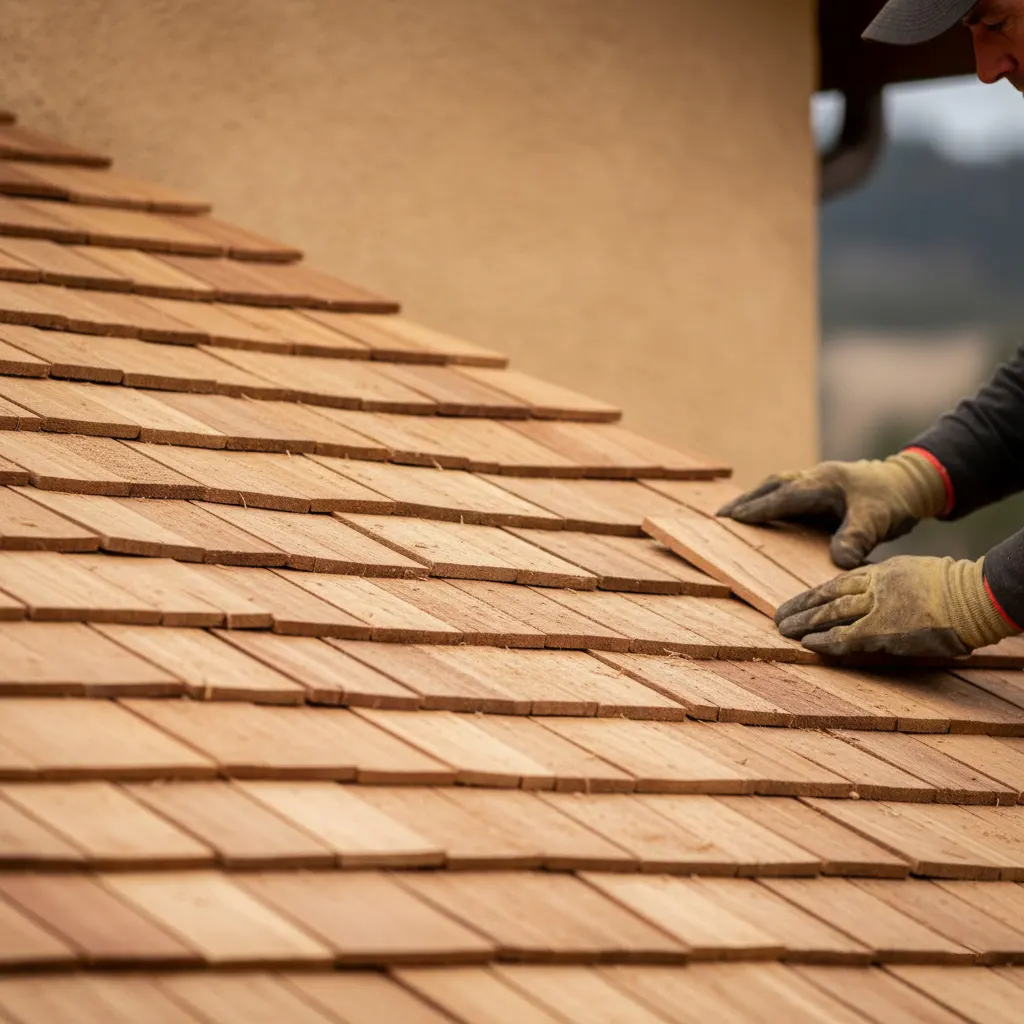
Toledo's winters demand shingles that shrug off heavy snow loads and freeze-thaw cycles. Skip the basic 3-tab shingles; they crack and lift too easily here.
Go for architectural shingles instead. These layered beasts mimic wood shakes but pack fiberglass cores tough enough for 20+ years of abuse.
Top Picks for Lake Erie Brutality
- Laminated architectural: Double-thick for superior wind uplift resistance up to 130 mph. Perfect when those gusts rip through Oregon and Sylvania.
- Impact-resistant Class 4: Hail and ice chunks bounce right off. Owens Corning Duration or GAF Timberline HDZ shine in UL 2218 tests.
- Heavyweight granule designs: Extra grit sheds snow faster and fights algae from our humid summers.
Match shingle weight to your roof pitch. Steeper slopes? Lighter options prevent ice buildup. Flat roofs need the heaviest to handle snow weight without sagging.
Essential Features: Wind Resistance, Impact Ratings, and Ice Dam Protection
Wind Resistance: Lock Down Against 50 MPH Gusts
Toledo's Lake Erie winds don't mess around. They rip standard shingles right off during storms. Go for Class F or H rated asphalt shingles that hold up to 110-130 mph winds.
- Sealant strips activate in heat for a bombproof grip.
- Reinforced edges prevent lift-off in high winds.
- Pro tip: Pair with proper nailing—six nails per shingle minimum.
Skip cheap 30-year stuff. Invest in 50-year architectural shingles built for fury like ours.
Impact Ratings: Hail and Flying Debris No Match
Hailstones the size of golf balls pound roofs here every spring. Class 4 UL 2218 impact-rated shingles shrug it off without cracking. They bounce back, saving you thousands in claims.
These bad boys have thicker mats and tougher granules. Test: Drop a 2-inch steel ball from 20 feet—they laugh.
Ice Dam Protection: Stop Roof Waterfalls Cold
Ice dams form when snow melts and refreezes at eaves. Water sneaks under shingles, wrecking interiors. Choose shingles with thermal-sealing technology and ice-and-water shield compatibility.
- Self-adhering underlayment at edges blocks intrusion.
- Granule-surfaced starters shed ice buildup fast.
- Bonus: Algae-resistant coatings fight black streaks from thaws.
Step-by-Step Installation Best Practices for Lake Erie Weather
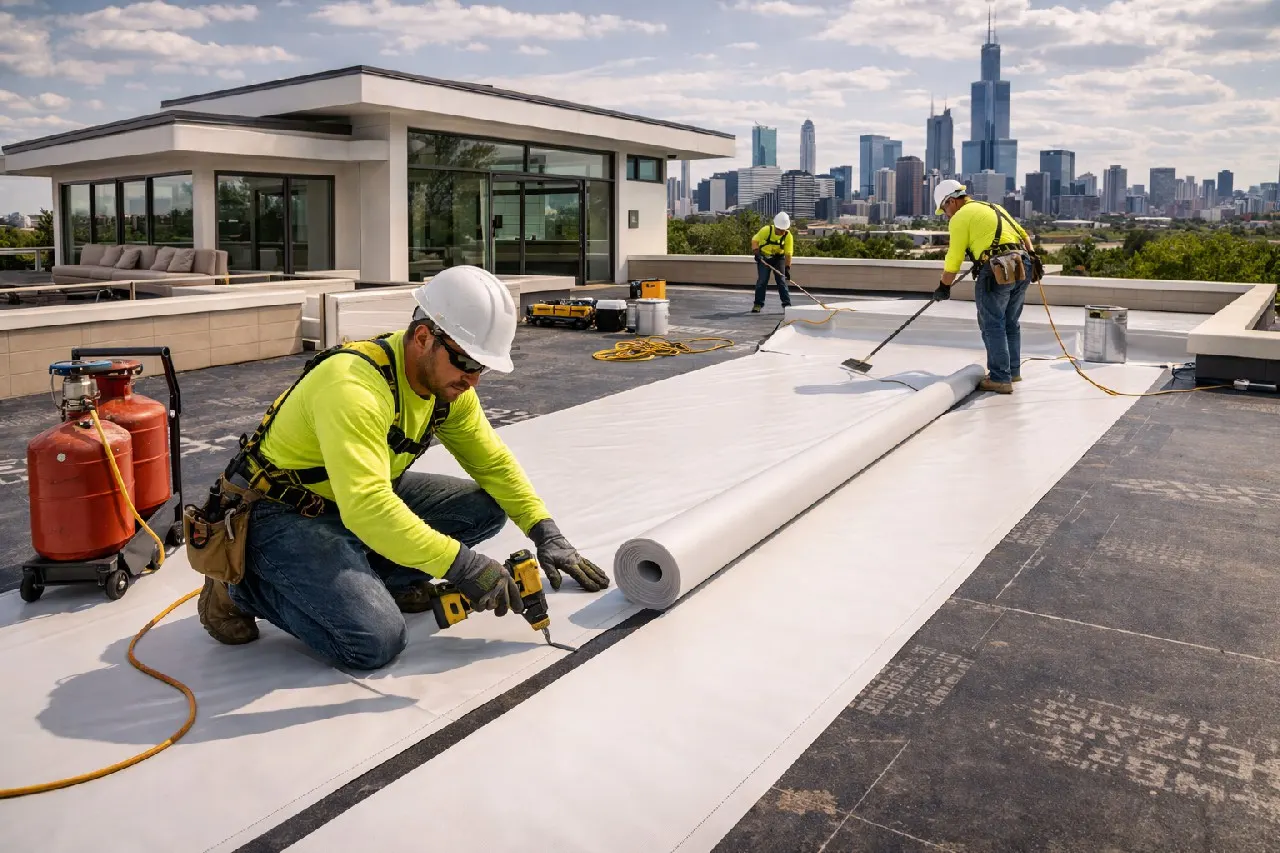
Lake Erie doesn't mess around. Gusts rip at 60 mph, and freeze-thaw cycles crack weak spots. Nail your asphalt shingle install right, or watch it fail fast.
Prep the Deck and Eaves First
Start with a rock-solid roof deck. Rip out any soft plywood or OSB, replace with 5/8-inch tongue-and-groove for Toledo's snow loads.
- Inspect for rot from past ice dams. No shortcuts.
- Lay ice-and-water shield over eaves, at least 24 inches past the gutter line.
- Extend it into valleys and around chimneys. This stops water sneaking under during blizzards.
Next, hit the shingles themselves. Use six-nail pattern for wind resistance. Space nails 1.5 to 2 inches above sealant strip, 1 inch from edges.
Overlap each course by 5 to 6 inches. Stagger seams randomly. Finish ridges with capped shingles sealed tight against howling winds.
Underlayment and Ventilation: Hidden Keys to Shingle Longevity
Skip cheap felt paper. Go for synthetic underlayment or self-adhering ice-and-water shields. These bad boys seal out moisture from Toledo's relentless snowmelt and ice dams.
Why Underlayment Matters in Lake Erie Storms
Standard felt soaks up water like a sponge, then fails fast. Synthetics breathe yet repel water, slashing leak risks by up to 50%.
- Layer it everywhere, but double up on eaves, valleys, and penetrations.
- Extend ice shields 24 inches inside walls for full dam protection.
- Pro tip: Overlap seams 6 inches minimum, nail every 12 inches.
Ventilation: Stop Heat Trapping That Kills Roofs
Poor airflow turns your attic into a sauna. Snow melts prematurely, refreezes at edges, boom—ice dams galore.
Aim for 1 square foot of vent per 150 square feet of attic space. Mix soffit intakes with ridge or gable exhausts.
- Install baffles in rafters to keep vents clear of insulation.
- Check for blockages yearly—bird nests love those spots.
- Bonus: Cuts AC bills in sticky Toledo summers.
Get this right, and your shingles hit 30+ years easy.
Toledo-Specific Maintenance to Prevent Premature Failure
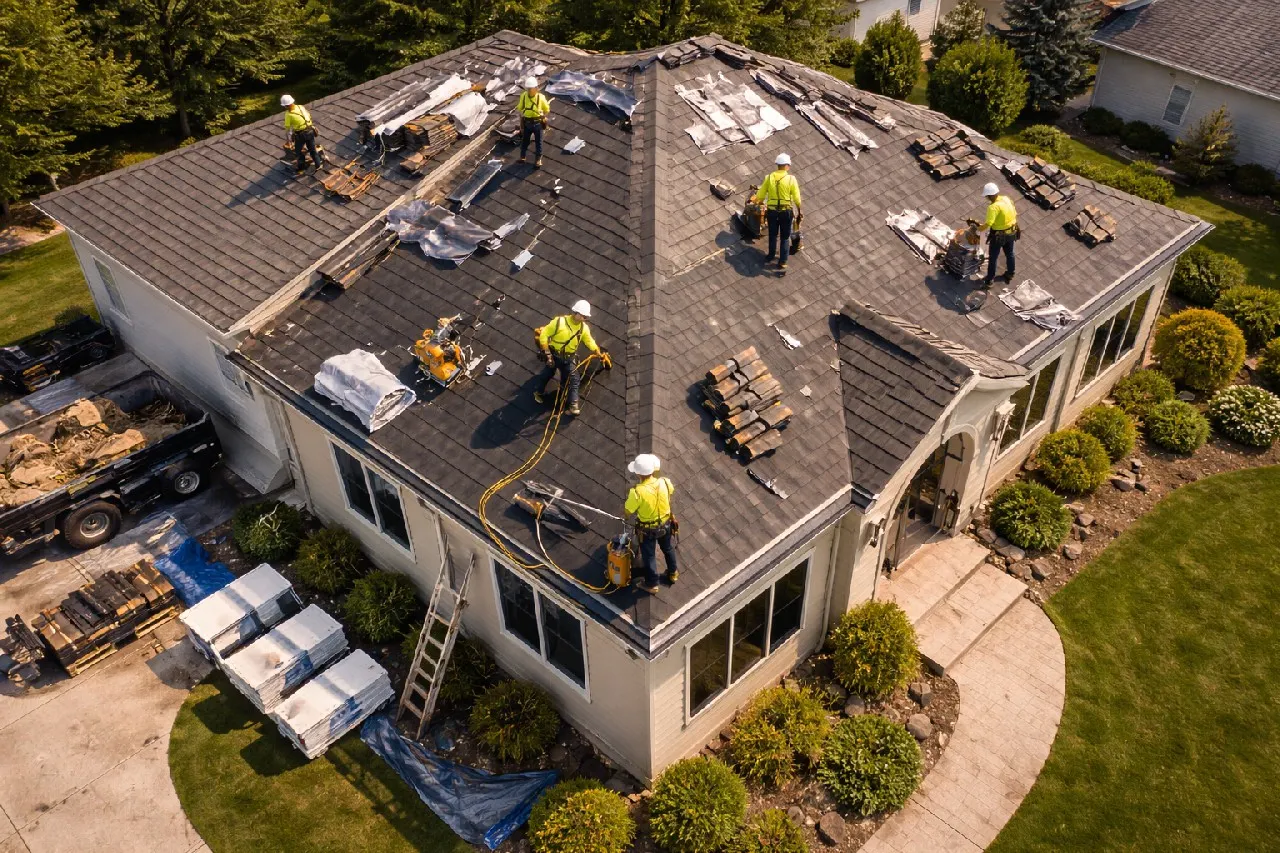
Our Lake Erie snow and freeze-thaw cycles chew up roofs fast if you ignore them. Skip the guesswork. Hit these checks twice a year, especially post-blizzard.
Storm Season Drills
- Inspect shingles after every big wind event. Look for lifted tabs or granule loss on the ground.
- Clear heavy snow buildup from edges carefully. Use a roof rake, never a shovel that gouges shingles.
- Check gutters weekly in winter. Clogged ones breed ice dams that rip shingles loose.
Spring brings the real killer: ice melt seeping under shingles. Spot soft spots or curling edges early. A quick pro tune-up saves you thousands.
Year-Round Habits That Pay Off
- Trim overhanging branches before summer storms. They turn into missiles during 50 mph gusts.
- Flush debris from valleys and ridges annually. Leaves and pine needles trap moisture here.
- Test your attic ventilation. Stuffy air rots the underlayment from inside out.
Owners who stick to this routine see shingles last 25+ years in Toledo. It's not rocket science. Just consistent action beats replacement every decade.
Case Study: Transforming a Storm-Damaged Roof in West Toledo
Picture this: Mike in West Toledo calls us after a nasty Lake Erie nor'easter. His 20-year-old asphalt shingles were shredded. Winds hit 55 mph, ripping off half the roof and flooding his attic.
The Damage Assessment
We climbed up and found chaos. Granules everywhere. Exposed decking rotting from ice dams. Mike faced a $25K nightmare if he waited.
- Shingles Class 4 impact-rated? Gone.
- Wind warranty? Useless after failure.
- Ice and water shield? Barely there.
Our No-Nonsense Fix
We stripped it clean. Installed architectural asphalt shingles with 130 mph wind resistance. Added synthetic underlayment and ridge vents for killer airflow.
Job done in two days. Cost? Half what insurance lowballed.
Fast forward two winters. Mike's roof shrugged off 40 inches of snow. No leaks. No ice dams. He's bragging to neighbors now.
Final Thoughts
Toledo's weather does not mess around. Your asphalt shingles need to be tougher than the blizzards and ice they face. Pick the right ones, install smart, and maintain like clockwork for a roof that holds strong for 30 years or more.
Skip the cheap fixes that fail fast. Go for impact-rated, wind-resistant shingles with proper underlayment. That combo turns potential disasters into non-events.
- Inspect twice a year, especially post-storm.
- Clear debris before winter hits.
- Call pros for ice dam threats—don't climb up there yourself.
Ready to bulletproof your roof? Check our Asphalt Shingle Roof Installation page and get a free quote today. Your home deserves it.
People Also Ask
What are the best asphalt shingles for Toledo's harsh winters?
In Toledo's climate with heavy snow and freeze-thaw cycles, architectural or laminated asphalt shingles with high impact ratings (Class 4) perform best. These shingles offer superior durability against ice dams and wind gusts from Lake Erie. Choose brands like GAF Timberline HDZ for proven longevity in Ohio winters.
How can I protect my asphalt shingle roof from ice dams in Toledo?
Install ice and water shield underlayment along eaves and valleys, and ensure proper attic ventilation to prevent heat buildup. Use heated cables on edges during extreme cold snaps common in Toledo. Regular inspections by local roofers catch issues early, extending shingle life.
What wind resistance rating do asphalt shingles need for Lake Erie weather?
Look for shingles with a minimum Class H (110 mph) or higher wind warranty, ideal for Toledo's gusty Lake Erie storms. Self-sealing strips and proper nailing techniques enhance resistance. Professional installation ensures they meet or exceed local building codes.
How long do asphalt shingles last in Toledo, Ohio?
Quality asphalt shingles in Toledo last 20-30 years with proper installation and maintenance, though harsh winters can shorten this to 15-20 years without care. Factors like ventilation and underlayment play key roles in longevity. Annual inspections help maximize their lifespan against regional weather extremes.
What maintenance is essential for asphalt shingle roofs in Toledo?
Clear debris from gutters twice yearly and inspect for granule loss after winter storms. Trim overhanging branches to prevent damage from wind and ice. Schedule professional tune-ups to address Lake Erie-specific issues like algae growth and shingle curling.
Need Roofing Services?
Fast roof repairs and replacements deliver leak-proof protection and storm resistance in Toledo, OH and nearby areas (43601, 43606, 43613, 43615, 43616).
Get Roof Quote