


⚡ TL;DR: Before starting your solar roofing installation in Sunnyvale, evaluate your roof structure, understand local zoning regulations, and review current net metering policies to ensure a successful long-term investment.
📋 What You’ll Learn
Considering a solar upgrade for your Sunnyvale home? This guide covers the essential technical requirements, local regulatory hurdles, and strategic planning necessary to ensure your installation provides long-term energy efficiency.
- Evaluate your roof’s structural readiness to ensure your existing framing can safely support the added weight of solar arrays while meeting strict local building and safety code standards.
- Navigate Sunnyvale’s specific permitting landscape by understanding the local zoning laws and municipal requirements that every homeowner must satisfy before breaking ground on their new solar project.
- Compare modern solar technology options to determine whether traditional racking systems or sleek, building-integrated solar tiles offer the best aesthetic and functional performance for your unique Sunnyvale property.
- Calculate your projected financial returns under the current NEM 3.0 policies to understand how your specific system size and energy habits impact your long-term savings with PG&E.
📖 Reading time: 8 min
✍️ Author expertise: Sunnyvale-based roofing specialist with fifteen years of experience installing sustainable solar systems locally.
Your monthly PG&E bill is starting to look more like a mortgage payment, and quite frankly, it is burning a hole in your pocket. Sunnyvale averages nearly 300 days of sunshine a year, yet your roof is sitting there doing absolutely nothing to pay you back.
You have heard the hype about solar roofing, but you are smart enough to know that a shiny new roof is a massive investment that requires more than just a slick sales pitch. Installing solar is not just about slapping panels on your shingles, and one wrong move could turn your dream of energy independence into a leaky, expensive nightmare.
Before you sign a single contract or let a crew climb onto your home, there are specific local realities about Sunnyvale codes and roof integrity that you need to master. Here is exactly what you should check before making a move.

1. Assessing Your Roof’s Structural Integrity for Solar Readiness
Before you get excited about energy independence, take a long, hard look at the base holding up those panels. Solar systems add significant weight to your roof, and if your rafters or decking are already showing signs of fatigue, you are asking for a structural failure.
A professional inspection is the only way to confirm your home is truly solar ready. We check for more than just aesthetics; we hunt for hidden problems that could cost you thousands if discovered after the installation is finished.
Here are the non-negotiables we look for during a structural audit:
- Rafter integrity: Are the support beams in your attic sagging or showing signs of water damage?
- Decking thickness: Is the plywood beneath your shingles solid enough to hold the hardware securely, or is it soft and rotting?
- Weight distribution: Can your specific roof design handle the dead load of solar glass, or does it require extra reinforcement?
- Ventilation pathways: Will the panel layout block critical airflow and cook your attic from the inside out?
If your roof isn't structurally sound today, slapping solar on top is like building a Ferrari engine on a rusted-out chassis. Don't skip this step. It is the single most important insurance policy for your home investment.
Navigating Sunnyvale’s Specific Permitting and Zoning Requirements
Sunnyvale isn't exactly the Wild West when it comes to construction. The city has strict building codes designed to protect historic charm and public safety, which means you cannot simply bolt panels down and call it a day.
You must secure the right permits from the Sunnyvale Building Division before your project breaks ground. If you skip this step, the city can force you to tear the entire system down at your own expense.
Here are the primary regulatory boxes you need to check:
- Title 24 Compliance: California’s energy code is rigorous. Your system must meet specific solar mandate requirements for residential structures.
- Fire Safety Setbacks: Sunnyvale fire departments require specific pathways on your roof. These gaps allow firefighters to walk safely if an emergency occurs.
- HOA Approval: If you live in a deed-restricted community, your Homeowners Association might have aesthetic rules. However, California state law generally protects your right to install solar, even if they grumble about the look.
Working with a local contractor who knows the Sunnyvale permit office by name is your best defense against delays. They should handle the submittals, the structural calculations, and the final inspection scheduling so you don't have to deal with the bureaucratic headache yourself.
Always demand to see the stamped permit plans before work begins on your roof. If a installer tells you a permit isn't necessary, show them the door immediately.
Choosing Between Traditional Racking Systems and Integrated Solar Tiles
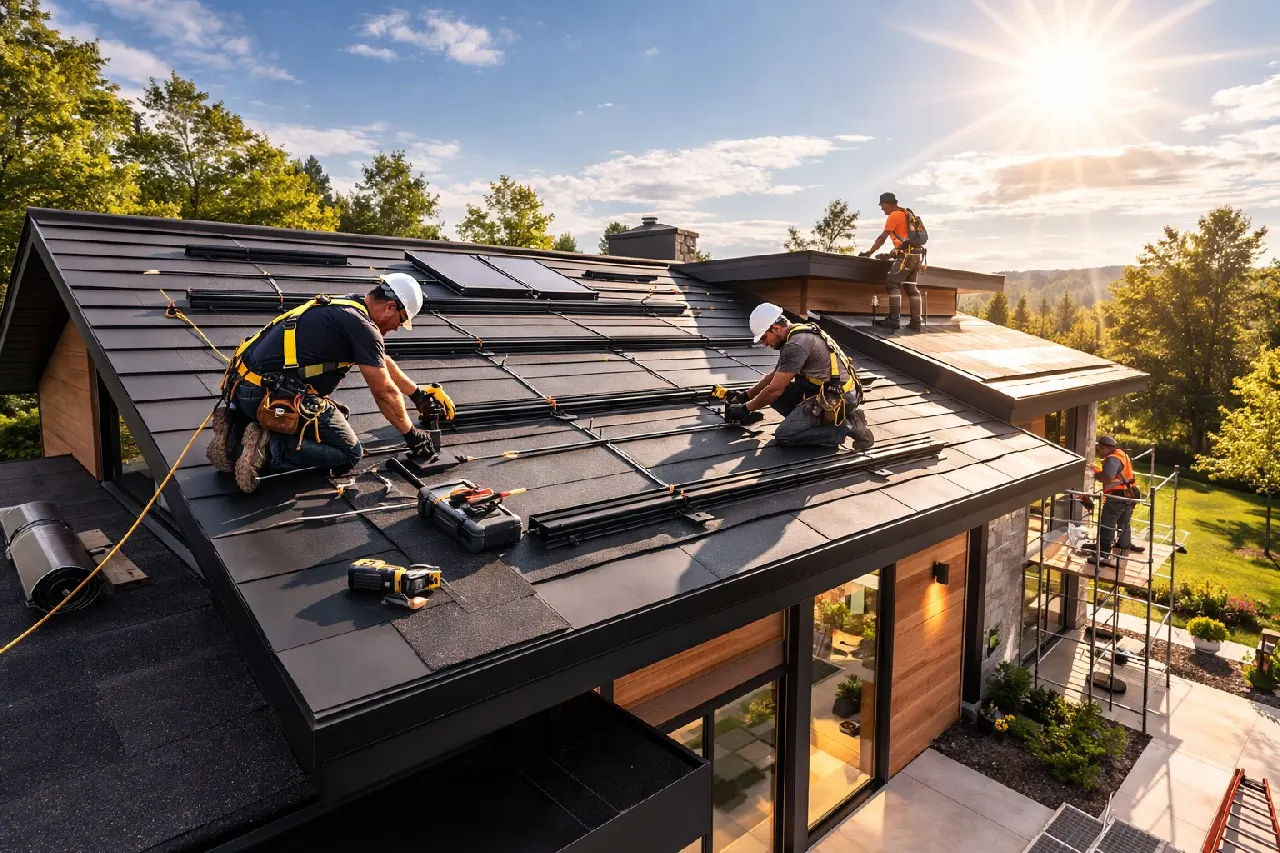
When you decide to turn your Sunnyvale roof into a power plant, you are faced with a classic choice: the workhorse versus the showpiece. Traditional racking systems are the industry standard for a reason. They involve mounting solar panels on metal rails lifted a few inches above your roof surface.
This setup creates a crucial airflow gap. That breeze keeps your panels cool, which actually makes them produce more electricity during those sweltering Silicon Valley afternoons.
Integrated solar tiles, or Building-Integrated Photovoltaics (BIPV), take a different approach. Instead of sitting on top of the shingles, these tiles are the shingles. They provide a sleek, low-profile look that blends perfectly with modern architecture.
However, before you fall in love with the aesthetics, weigh these critical differences:
- Cost: Integrated tiles generally command a premium price tag compared to standard panels.
- Maintenance: If a traditional panel fails, it is easily swapped out. Replacing an integrated tile often requires more invasive work on your roofing membrane.
- Compatibility: Not every roof structure can handle the weight or specific mounting requirements of integrated systems.
Think about your long-term goals for your Sunnyvale property. If you want the absolute highest energy output per square foot, go with traditional racking. If you are protecting a high-end architectural aesthetic or a historic home, the seamless look of integrated tiles might be worth the extra expense.
Why Roof Age Matters: The Risks of Installing Solar on Aging Shingles
Here is a cold, hard truth: Solar panels are built to last 25 to 30 years. If your roof is already 15 years old, you are headed for a massive financial headache.
You cannot effectively maintain or repair a roof once it is buried under a solar array. If your shingles fail five years after the install, you are forced to pay for a costly removal and reinstallation of your entire solar system just to reach the wood deck underneath.
Do the math. That extra labor charge often costs more than the money you saved on your utility bill during those five years.
The Hidden Risks of Ignoring Roof Health
Putting a high-end energy system on a "tired" roof is like building a skyscraper on a swamp. You are inviting trouble that usually manifests as:
- Accelerated shingle decay caused by trapped moisture under the panels.
- Increased risk of structural fatigue from the combined weight of the racking and the panels.
- Voided manufacturer warranties because the roof surface was compromised before the solar equipment was mounted.
If your roof is reaching the end of its lifespan, do it all at once. Replacing your roof and installing solar as a single project ensures that your shingles and your energy system share the same expiration date.
This approach protects your long-term investment and prevents you from paying for the same labor twice. Don't let a "good enough" roof turn into an expensive liability for your home.

Success Story: Transforming a Sunnyvale Eichler Home with Seamless Solar Integration
Sunnyvale’s famous Eichler homes are architectural masterpieces, but their low-slope, post-and-beam construction is a solar installer’s worst nightmare. We recently tackled a project in the neighborhood that required a complete roof replacement before we could even touch the solar layout. The homeowner wanted energy independence but refused to ruin the clean, mid-century aesthetic with clunky, elevated metal racking.
To pull this off, we swapped the failing foam roof for a high-performance, integrated solar tile system. These tiles don't just sit on top of the roof; they are the roof. By replacing the outdated materials with an integrated solution, we achieved three major wins for the client:
- A watertight, durable seal that actually exceeds original structural specs.
- A low-profile look that keeps the home’s historical charm intact.
- A system that generates power even during the partial shade common in tree-lined Sunnyvale streets.
The result was a total transformation that turned an aging relic into a modern power plant. It proves that you do not have to sacrifice the character of your home to get a massive reduction on your utility bill. You just need the right crew who understands that your roof is a unified system, not just a surface for hardware.
Calculating Your True ROI: Navigating PG&E Net Energy Metering (NEM 3.0)
Let’s be blunt: the days of getting a massive credit for every watt you push back onto the grid are long gone. Under NEM 3.0, PG&E has drastically shifted the math, making battery storage almost mandatory if you want a decent return on your investment.
You aren't just selling back power anymore. You are playing a game of energy management where you need to store what you produce during the day and use it when the sun dips below the horizon.
To keep your bank account happy, consider these three reality checks:
- Avoid the peak rate trap: Electricity is most expensive during the late afternoon and evening. Your battery system must be programmed to discharge during these high-cost hours.
- Don't skip the battery: Without storage, you end up selling power at wholesale rates during the day and buying it back at retail prices at night. That is a losing strategy.
- Right-size your system: Bigger is not always better. Aim for a system that covers your consumption rather than one that relies on the utility company to act as your free storage facility.
The real secret to a fast ROI is self-consumption. The less power you pull from the grid, the more you shield yourself from the inevitable rate hikes that keep popping up on your statements.
If you play your cards right and integrate a solid storage strategy, you can turn your roof into a private power plant. Just remember, your installer should be showing you a personalized production model that accounts for these specific PG&E rules, not some generic national average that ignores California reality.
Final Words
Transitioning your Sunnyvale property to solar is not merely a home improvement project; it is a calculated financial move. You are essentially turning your roof into a private power plant, but only if the foundation underneath is built to handle the load for the next twenty years.
Do not let high-pressure sales tactics rush your decision-making process. Take the time to verify your structural readiness, understand your specific PG&E billing status, and confirm your local permit compliance before laying a single panel.
If you are ready to move forward, remember that the quality of your installation is just as critical as the hardware you select. Professional oversight prevents leaks, structural damage, and costly retrofits down the road.
Taking the Next Step
We recommend you start by reviewing our comprehensive guide on Solar Roofing Installation to see how your specific property type stacks up. Choosing a partner who understands the nuances of local ordinances and complex structural requirements ensures your project stays on budget and on schedule.
Before you commit, keep these three non-negotiables in mind:
- Ensure your roof deck is certified for the weight of a solar array.
- Check the age of your underlayment; if it is near the end of its life, replace it now.
- Demand a transparent assessment of how your specific roof orientation affects your NEM 3.0 savings.
Your goal is long-term energy independence, not a quick, poorly planned installation. By treating your roof with the respect it deserves, you secure a reliable asset that produces profit for years to come.
People Also Ask
Is Sunnyvale, CA good for solar roofing?
Yes, Sunnyvale receives an average of over 260 days of sunshine per year, making it an ideal location for solar energy production. Installing solar roofing here significantly reduces monthly utility costs while taking advantage of California’s abundant renewable energy potential.Do I need a new roof before installing solar panels in Sunnyvale?
It is highly recommended to install solar only on a roof that has at least 10 to 15 years of remaining lifespan. If your roof needs replacement soon, installing panels now could lead to costly removal and reinstallation fees when the roof eventually requires service.What is the benefit of solar shingles over traditional panels?
Solar shingles offer a more aesthetically pleasing, low-profile appearance that mimics traditional roofing materials while providing energy. This is particularly beneficial for historic Sunnyvale homes or properties with strict HOA guidelines that prohibit bulky, rack-mounted systems.How does NEM 3.0 affect solar savings in Sunnyvale?
Under NEM 3.0, the export rate for excess energy sent back to the PG&E grid is significantly lower than previous versions. To maximize your ROI, experts now suggest pairing your solar installation with a battery storage system to utilize the power you generate rather than selling it back at a reduced rate.Are there local rebates for solar roofing in Sunnyvale?
While specific local rebates change periodically, Sunnyvale residents can take advantage of the 30 percent federal solar investment tax credit. Additionally, some financing programs and PACE loans are available to help homeowners offset the upfront costs of solar roofing projects.Need Roofing Services?
We deliver fast roofing repairs and installations that restore lasting protection for homes in Sunnyvale and nearby areas (94085, 94086, 94087, 94089).
Get Roofing Estimate