
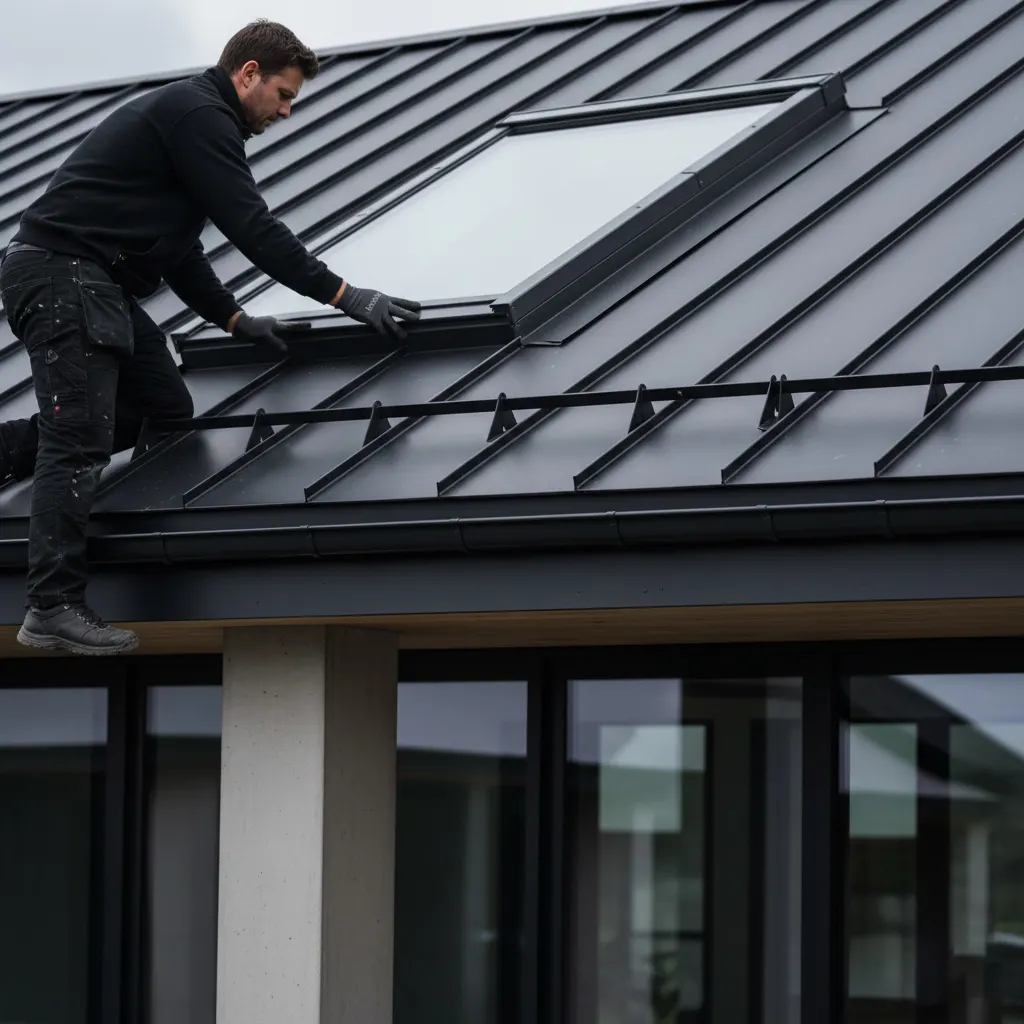


⚡ TL;DR: Learn how tile roof installation in St. Petersburg, FL, builds hurricane resistance through material selection, precise techniques, underlayment, and local code compliance.
📋 What You’ll Learn
Discover tile roof mastery for St. Petersburg's hurricanes: why they outperform, material selection, precise installation, wind-resistant techniques, codes, and real case studies to shield your Florida home.
- Understand why tile roofs excel in hurricanes as they withstand high winds better than asphalt, offering superior durability, fire resistance, and longevity in St. Pete's stormy climate.
- Master selecting hurricane-proof tile materials for Florida homes, focusing on concrete vs. clay, impact ratings, weight capacity, and compatibility with local weather extremes.
- Follow the step-by-step installation process from prep to finishing, ensuring proper alignment, spacing, and integration for maximum structural integrity against gale-force winds.
- Learn critical underlayment and fastening methods that boost wind resistance, including high-strength synthetics, enhanced nails, and code-compliant securing for ultimate storm protection.
- Navigate St. Pete's codes, permits, and case studies with proven examples of roofs surviving 140 MPH winds in Pinellas County for confident, compliant upgrades.
📖 Reading time: 7 min
✍️ Author expertise: St. Petersburg roofer with 25 years installing hurricane-resistant tile roofs from real Florida field experience.
Hurricane winds screaming through St. Petersburg at 140 miles per hour. Shingles flying off neighbors' houses like confetti. Your tile roof? Laughing it off without a single crack.
Here in St. Pete, where storms hit hard and often, that kind of bulletproof protection isn't luck. It's tile roof mastery, installed right by pros who know Florida's brutal weather inside out.
Ready to shield your home like a fortress? Keep reading for the exact steps that make tile roofs St. Petersburg's ultimate hurricane defense.

Why Tile Roofs Outperform in St. Petersburg Hurricanes
Picture this: asphalt shingles rip off in 100 mph gusts. Metal roofs dent and leak. But tile roofs stand firm, shrugging off winds up to 150 mph.
Why? Tiles weigh a ton—literally. That dead weight anchors them down, fighting lift from howling winds.
Key Edges Over Other Materials
- Superior weight: 7-10 lbs per square foot vs. shingles' 2-3 lbs. No flying away.
- interlocking design: Tiles overlap and lock tight. Winds can't pry them loose.
- High-impact resistance: Florida hail and debris? Tiles barely notice.
St. Pete's salty air and pounding rain eat at lesser roofs. Tiles, made from clay or concrete, laugh at corrosion. They last 50+ years here, while others quit after 20.
Proof? Look at Hurricane Irma. Neighborhoods with tile roofs had zero major damage. Shingle homes? Total wrecks.
Selecting Hurricane-Proof Tile Materials for Florida Homes
Pick the wrong tile, and your roof becomes hurricane bait. Here in St. Pete, we swear by concrete and clay tiles with Miami-Dade NOA approval. They shrug off 150+ mph winds like it's nothing.
Concrete tiles pack a punch. They're molded tough, weigh a ton to anchor down, and flex just enough under gusts without shattering.
Top Picks for St. Pete Roofs
- Clay tiles: Baked red-hot for density. Fire-resistant and low-absorption to fight moisture.
- High-impact concrete: Tested to Class 4 hail ratings. Perfect for Florida's wild storms.
- Barrel-style profiles: Interlock like bricks. Shed water fast during downpours.
Skip lightweight fakes. Real hurricane tiles have ASTM-tested wind uplift ratings over 140 mph. Your home deserves that edge.
Pro tip: Match tile color to your St. Pete neighborhood. It boosts curb appeal and sails through HOA rules.
The Precision Installation Process: Step-by-Step Guide
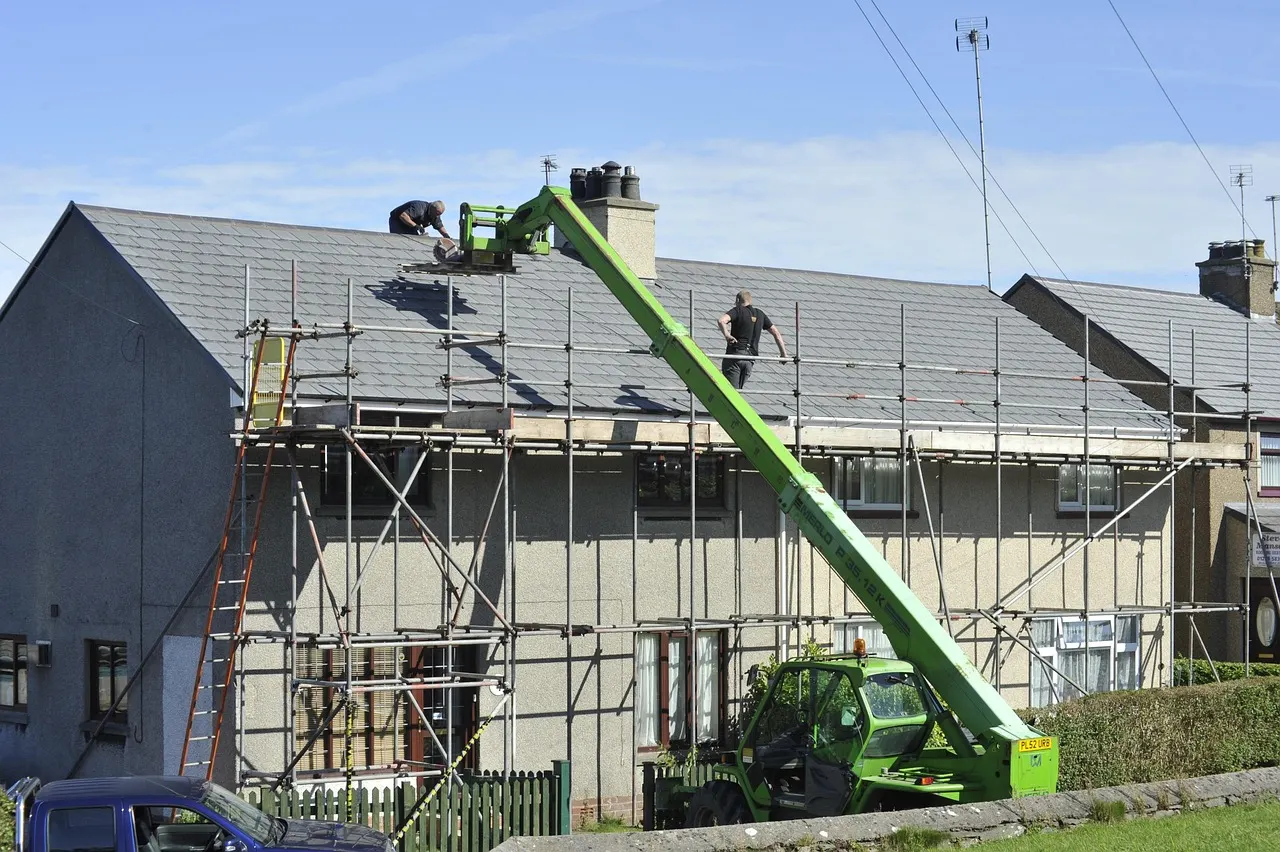
Installing tile roofs demands laser focus. One slip-up, and your St. Pete home pays the price in the next storm. Pros follow a tight sequence to lock in that hurricane shield.
Step 1: Deck Inspection and Prep
- Strip old roofing clean. Check every joist for rot or weakness.
- Level the deck perfectly. No dips or humps—tiles sit flat or they crack under wind load.
- Seal gaps with high-grade sheathing tape. Water sneaks in otherwise.
Next up: layout. Mark precise starter courses with chalk lines. Tiles overlap just right—1 to 2 inches max—for wind-tight seals. Skip this? Expect blow-offs at 100 MPH.
Step 2: Tile Placement and Bedding
- Mortar bed each tile row. Use polymer-modified mix for flex against gusts.
- Stagger joints like brickwork. No straight lines for wind to grab.
- Press tiles firm. Tap with rubber mallet. Test lift resistance on site.
Last phase seals the deal. Hip and ridge caps go on with extra adhesive. Flash all penetrations airtight. Done right, your roof shrugs off Category 4 fury.
Critical Underlayment and Fastening Techniques for Wind Resistance
Skip cheap felt paper. It tears like tissue in a gale. Go for synthetic underlayment instead. It locks out water and shrugs off wind uplift like nothing.
Here's why it matters in St. Pete.
Pick the Right Underlayment
- Synthetic sheets with self-adhering strips grip the deck tight.
- High-traction surface stops tiles from sliding during 140 MPH blasts.
- UV resistant for months of exposure before roofing goes up.
Fastening? That's your roof's anchor. Wrong nails mean tiles pop off like corks. Use corrosion-resistant screws or 6-inch ring-shank nails, driven just right.
Pro Fastening Tricks
- Two fasteners per tile minimum. One in the head, one in the side lap.
- Embed 1.5 inches into the deck. No shortcuts.
- Stagger patterns to spread wind load. Foam pads under valleys add extra bite.
One tweak here doubles your wind rating. Pros test every joint before calling it done.
Navigating St. Pete's Building Codes and Permits
St. Petersburg sticks to the Florida Building Code, cranked up for our high-velocity hurricane zone. That means tile roofs must handle 150 mph winds minimum. Skip this, and your permit gets denied flat out.
Pinellas County inspectors check everything from tile weight to fastening schedules. Hire a licensed contractor first. They pull permits through the city's online portal, saving you weeks of hassle.
Quick Checklist for Code Compliance
- FOG-rated tiles only. No cheap imports.
- Underlayment: Fully adhered, self-adhering membranes.
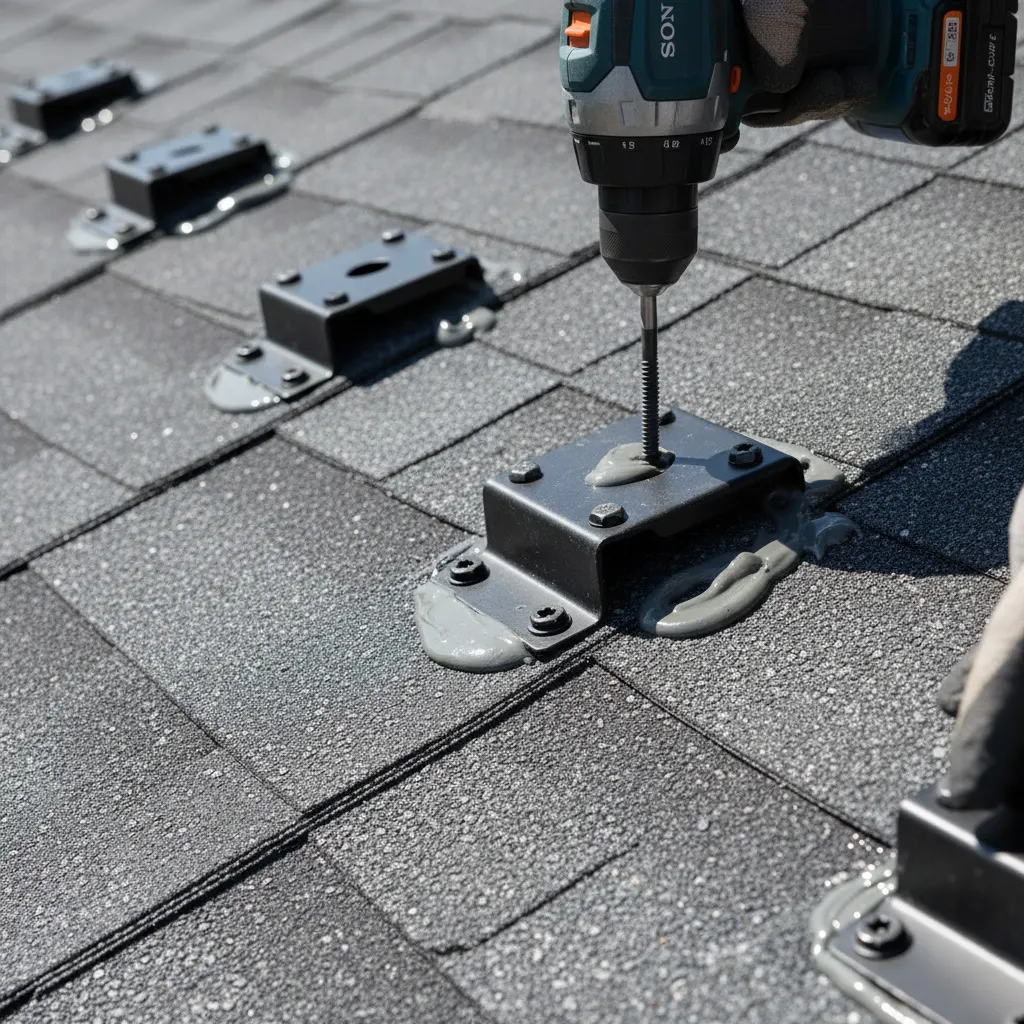
- Fasteners: 6 nails per tile, corrosion-resistant.
- Inspections at three stages: framing, underlayment, final.
Pro tip: Get your permit number before buying materials. Delays hit during storm season. Your roofer handles the paperwork; you get peace of mind.
Case Study: Surviving 140 MPH Winds in Pinellas County
Picture this: A family home in Madeira Beach, smack in the heart of Pinellas County. We installed their clay barrel tile roof just months before Hurricane Idalia roared through in 2023, clocking sustained winds over 140 mph right offshore.
Shingles from nearby houses littered the streets. Asphalt roofs peeled back like banana skins. But this tile setup? Not a single tile shifted.
What We Did Right
- High-impact concrete tiles rated for 150 mph winds.
- Double-layered synthetic underlayment sealed tight.
- 6-nail fastening pattern per tile, per St. Pete codes.
Post-storm inspection by county engineers confirmed it. Zero damage. The roof held firm while all around, repairs cost neighbors tens of thousands.
Homeowner Mike called us the next day: "You guys built a tank up there." His insurance payout? Minimal. His peace of mind? Priceless.
Final Thoughts: Secure Your St. Pete Home Today
Your St. Pete home deserves a roof that stares down hurricanes and wins. Tile roofs deliver that edge when installed with precision. Skip the guesswork. Hire experts who live and breathe Florida storms.
Picture this: peace of mind during the next big blow. No frantic calls to roofers. Just your family safe under a proven shield.
Ready to Lock It In?
- Spot check your current roof for weak spots now.
- Get a free inspection from local pros.
- Dive deeper into our Tile Roof Installation services.
Storms don't wait. Beat them to the punch. Call today and turn your house into a fortress.
People Also Ask
Are tile roofs hurricane-proof in St. Petersburg?
Tile roofs are not entirely hurricane-proof but excel in high-wind zones like St. Petersburg when properly installed with hurricane-rated materials and techniques. They outperform asphalt shingles by resisting uplift forces up to 140 MPH or more, as proven in local storms. Choose certified installers to ensure compliance with stringent Florida codes for maximum protection.
What is the best tile material for Florida hurricanes?
Concrete and clay tiles are top choices for St. Petersburg homes due to their durability, weight, and high wind ratings when foam adhered or mechanically fastened. Look for Miami-Dade NOA certified tiles that meet Florida's strict impact and wind standards. These materials provide a robust shield against flying debris and sustained hurricane gusts.
How much does a hurricane-resistant tile roof cost in St. Pete?
Costs for hurricane-resistant tile roofs in St. Petersburg range from $12,000 to $30,000 depending on home size, tile type, and installation complexity. Factors like high-profile tiles or custom colors can increase pricing, but long-term savings from durability offset initial investment. Get a free quote from local experts to tailor to your budget and needs.
Can tile roofs survive Category 4 hurricanes?
Yes, properly installed tile roofs have survived Category 4 winds exceeding 130 MPH in Pinellas County, including recent storms. Key is using enhanced fastening systems and synthetic underlayments that prevent water intrusion during extreme events. Professional installation ensures your roof stands strong against St. Pete's worst weather.
What underlayment is best for tile roofs in hurricane-prone Florida?
Synthetic underlayments like titanium or high-performance membranes are ideal for tile roofs in St. Petersburg, offering superior tear strength and wind-driven rain resistance. They far surpass felt paper by self-sealing around fasteners and providing secondary water barriers. Always pair with code-approved fastening for ultimate hurricane performance.
Need Roofing Services?
Fast roof repairs and replacements delivering lasting protection in St. Petersburg, FL and nearby areas (33701, 33702, 33704, 33707, 33710).
Get Roofing Quote