
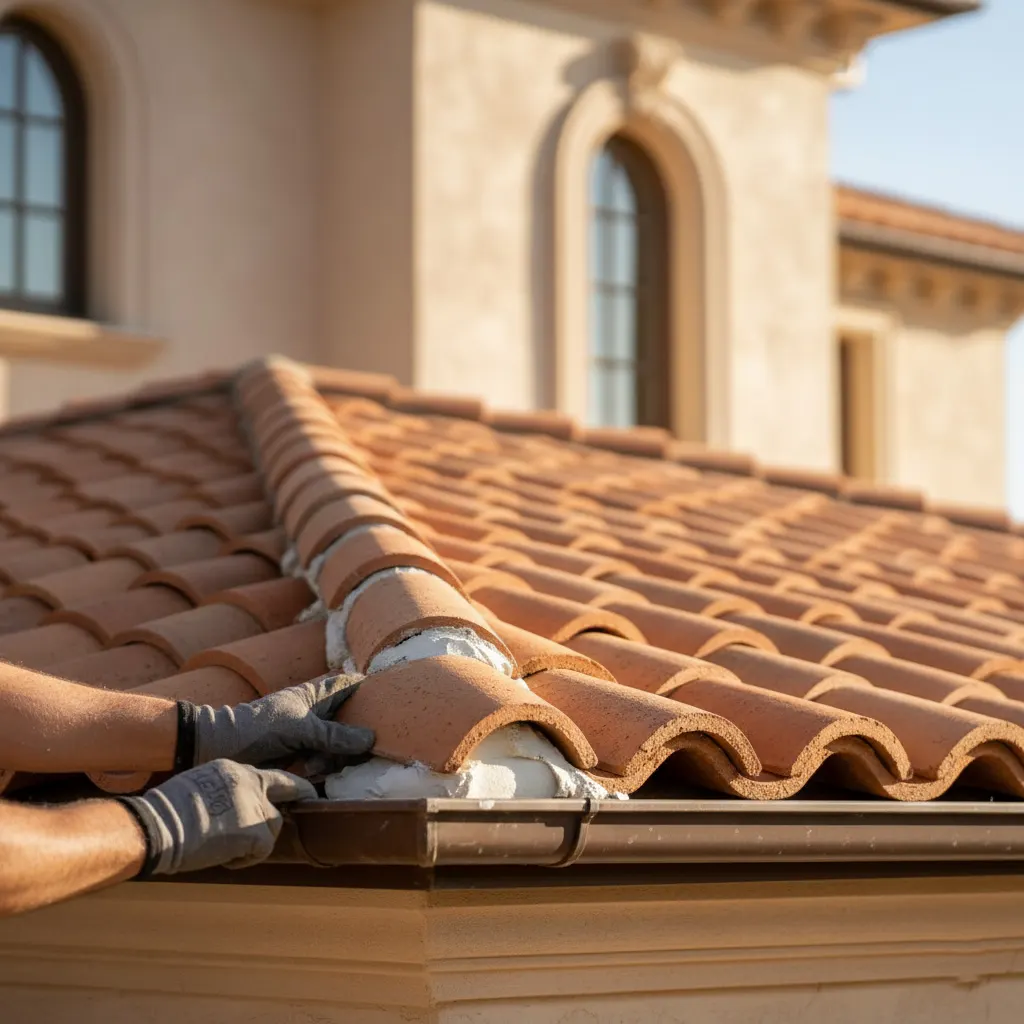


⚡ TL;DR: This guide shares five Sioux Falls weather tips for Asphalt Shingle Roof Installation to protect against hail, winds, heat, blizzards, and leaks.
📋 What You’ll Learn
In this guide on asphalt shingle roof installation in Sioux Falls, you'll learn proven tips to conquer hail, winds, heat, blizzards, and leaks for a durable, weather-resistant roof.
- Choose impact-resistant shingles to battle Sioux Falls hailstorms, safeguarding your roof from dents, cracks, and costly replacements after intense Midwest ice events.
- Boost ventilation strategies to endure scorching summers and ice dams, preventing heat buildup, moisture traps, and premature shingle deterioration year-round.
- Apply wind-resistant techniques for prairie gusts, securing shingles tightly to resist uplift and blow-offs during frequent high-wind storms.
- Layer proper underlayment for blizzard-proof protection, creating a robust moisture barrier against heavy snow, ice, and freeze-thaw damage.
- Master sealing and flashing to stop winter leaks, ensuring watertight edges and valleys that hold up under Sioux Falls' severe cold cycles.
📖 Reading time: 7 min
✍️ Author expertise: Sioux Falls roofer with 15 years of hands-on asphalt shingle installs against local harsh weather.
Ever wake up to the sound of water dripping inside your Sioux Falls home after a brutal winter storm?
That's the nightmare for asphalt shingle roofs hammered by our endless blizzards, scorching summers, and hail the size of golf balls.
Your roof takes the brunt, but it doesn't have to crumble under the pressure.
Discover five dead-simple weather tips tailored for Sioux Falls that make your asphalt shingles tougher than a South Dakota rancher.
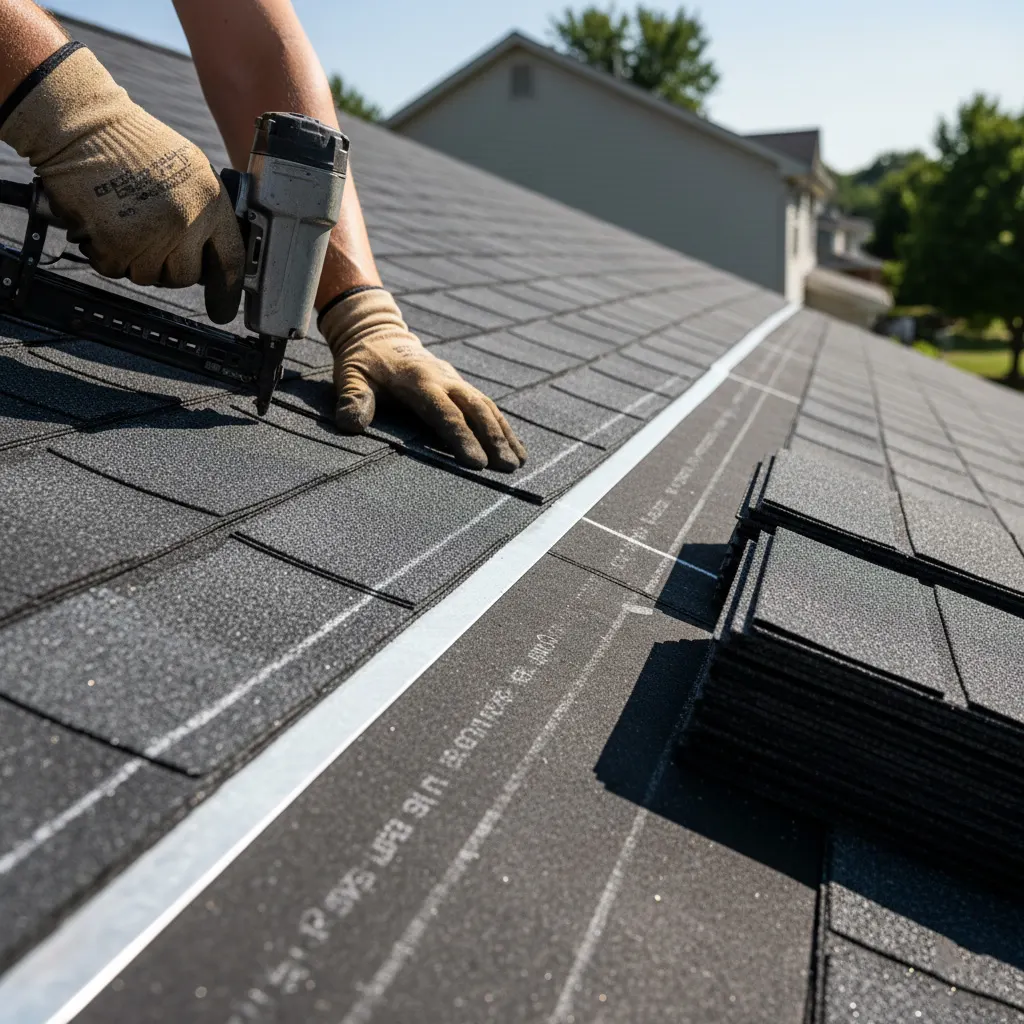
Tip 1: Choose Impact-Resistant Shingles to Battle Sioux Falls Hailstorms
Hail in Sioux Falls hits like a freight train. Those golf-ball-sized chunks can punch holes through standard shingles faster than you can say "roof repair bill." Go for impact-resistant shingles rated Class 3 or 4 under UL 2218 testing.
These bad boys shrug off hail up to 2 inches. They come with a tougher fiberglass mat and thicker asphalt coating. Your roof stays intact, and you might snag insurance discounts too.
- Look for the Class 4 label - it's the gold standard here.
- Avoid cheap knockoffs; they crack under pressure.
- Pair with proper installation for max protection.
Local storms last year wrecked hundreds of roofs. Don't join that club. Spec these shingles, and hail becomes just another Tuesday.
Tip 2: Boost Ventilation to Survive Scorching Summers and Ice Dams
Sioux Falls summers hit like a furnace. Trapped heat bakes your asphalt shingles from the inside out, shortening their life by years.
Poor airflow also spells disaster in winter. Snow melts on a warm roof, then refreezes at the edges, forming ice dams that shove water under shingles and into your home.
Quick Fixes to Supercharge Your Roof's Breathing
- Install soffit vents along the eaves for cool air intake. Pair them with ridge vents up top for hot air escape.
- Add a powered attic fan if your setup needs extra oomph. It pulls heat like a champ during those 95-degree days.
- Check for blockages. Bird nests or old insulation can choke vents faster than you think.
Get this right, and your shingles stay cool in summer, dry in winter. No more warped tabs or surprise attic puddles.

Tip 3: Install Wind-Resistant Techniques for Prairie Gusts
Sioux Falls winds whip across the prairies like a freight train. Those gusts hit 70 mph or more during storms, ripping shingles loose and turning your roof into a sieve. Skip this tip, and you're begging for repairs after every big blow.
Start with shingles rated for high winds. Look for ASTM Class F or H labels. They flex without cracking.
Key Wind-Proofing Moves
- Nail 'em right: Six nails per shingle, driven straight into the deck, not just the edges.
- Stepped flashing at walls: Locks shingles tight against sidewinds.
- Seal the edges: Asphalt sealant under each shingle tab fights lift-off.
- Secure ridge caps: Use factory-laminated ones with extra adhesive.
These tricks held up on a local home during last summer's gale. No shingles flew. Your roof stays put, bills stay low.
Tip 4: Layer Proper Underlayment for Blizzard-Proof Protection
Sioux Falls blizzards dump heavy snow that melts and refreezes into ice dams. Skip proper underlayment, and water sneaks under your shingles. Boom - leaks galore.
Go for ice and water shield in vulnerable spots like eaves, valleys, and around chimneys. This self-sealing membrane sticks tight, blocking ice buildup from reaching your decking.
Quick Install Checklist
- Clean the deck smooth - no nails or debris.
- Roll out the shield from the eaves up, overlapping 6 inches.
- Extend it 24 inches inside exterior walls for full coverage.
- Pair with synthetic underlayment higher up for breathability.
Result? Your roof shrugs off the worst South Dakota snow loads without a drip. Local pros swear by this combo - it saved one client's garage from total flood last January.

Tip 5: Seal and Flash Correctly to Prevent Winter Leaks
Sioux Falls winters hit hard with freeze-thaw cycles that turn tiny roof gaps into gushing leaks. Flashing – those metal shields around chimneys, vents, and valleys – channels melting snow away before it sneaks inside. Skip this, and you're staring at water stains on your ceiling come spring.
Get it right by picking galvanized steel or aluminum flashing that won't rust under snow loads. Slap on high-quality butyl sealant where shingles meet flashing. Pros nail it tight, overlapping layers to block every drip.
Quick Seal Checklist
- Caulk all penetrations with flexible, weatherproof sealant – no cheap stuff that cracks.
- Layer shingles over flashing edges by at least 2 inches.
- Inspect annually; replace warped pieces before the first blizzard.
One overlooked seam can cost thousands in mold repairs. Nail this tip, and your roof laughs off Sioux Falls' wet winters.
Case Study: Reviving a Sioux Falls Ranch-Style Roof After a Brutal Storm
Picture this: a ranch-style home in Brandon, just outside Sioux Falls. Last spring, a hailstorm the size of ping-pong balls pummeled the roof. The owner, Mike, found granule loss everywhere and leaks pooling in his living room.
We inspected and saw classic damage. Shingles were bruised. Ice dams from winter lingered. Prairie winds had lifted edges loose.
The Fix That Saved It
- Swapped in impact-resistant Class 4 shingles to shrug off future hail.
- Added ridge vents for killer airflow, killing ice dams dead.
- Secured with wind-resistant starter strips and sealed every flashing tight.
- Topped with ice-and-water shield underlayment for blizzard armor.
Mike's roof now laughs at storms. No leaks. Energy bills dropped 15%. He slept through the next hail event without a drip.
Final Words
Sioux Falls weather beats down hard on asphalt shingle roofs. But arm yourself with these five tips, and yours stands tall through hail, wind, blizzards, and heat waves.
Skip the guesswork. Hire pros who know Asphalt Shingle Roof Installation inside out for our brutal climate. One wrong move, and leaks return faster than a prairie storm.
Picture this: zero drips, lower energy bills, peace of mind. Grab a free roof check today. Your home deserves a battle-ready shield.
- Call now - spots fill quick after storms.
- Ask about our impact-rated shingle specials.
- Transform that headache into hassle-free living.
People Also Ask
Are impact-resistant shingles necessary for Sioux Falls roofs?
Impact-resistant shingles are highly recommended in Sioux Falls due to frequent hailstorms that can damage standard asphalt shingles. These Class 4 rated shingles can withstand hail up to 2 inches, reducing repair costs and extending roof life. Local roofing experts often see them qualify for insurance discounts in hail-prone areas like South Dakota.
How does proper ventilation prevent ice dams on asphalt shingle roofs?
Adequate attic ventilation keeps roof temperatures balanced, melting snow slowly to avoid ice dams during Sioux Falls winters. Install ridge and soffit vents to promote airflow, reducing heat buildup in summer and moisture in winter. Poor ventilation leads to shingle curling, leaks, and premature failure.
What wind-resistant techniques work best for asphalt shingles in prairie gusts?
Secure shingles with six nails per shingle and use starter strips with adhesive seals to resist winds up to 110-130 mph common in Sioux Falls prairies. Steeper roof pitches and reinforced edges minimize uplift during storms. Professional installation ensures compliance with South Dakota building codes for high-wind zones.
Why is underlayment important for asphalt shingle roofs in blizzards?
High-quality synthetic underlayment provides a secondary waterproof barrier, protecting against heavy snow and ice melt in Sioux Falls blizzards. It prevents water infiltration if shingles are damaged, adding durability in extreme weather. Ice and water shields in valleys and eaves offer extra blizzard-proofing.
How do you seal asphalt shingle roofs to prevent winter leaks?
Proper flashing around chimneys, vents, and valleys, combined with sealant at edges, blocks water entry during freeze-thaw cycles in Sioux Falls. Use high-quality metal flashing and compatible sealants during installation for long-term performance. Regular inspections catch issues early, avoiding costly winter damage.
Need Roofing Services?
Fast roof repairs and replacements delivering durable protection in Sioux Falls, SD and nearby areas. (57103, 57104, 57105, 57106, 57108)
Get Roof Quote