


⚡ TL;DR: This guide offers practical roof maintenance tips for San Bernardino's extreme heat, from inspections and debris clearing to ventilation upgrades and protective coatings.
📋 What You’ll Learn
In this guide to beating San Bernardino's intense heat with roof maintenance, you'll discover how extreme temperatures damage roofs, key inspection steps, cleaning techniques, ventilation fixes, protective coatings, and a local case study.
- Understand heat's toll on roofs from thermal expansion, shingle cracking, premature aging, and granule loss that shorten lifespan and spike repair costs in San Bernardino's brutal summers.
- Master summer inspection checklists to spot cracks, loose flashing, granule erosion, and weak spots before heat worsens them, ensuring your roof stays strong through peak temperatures.
- Clear debris for better reflection by removing leaves, dirt, and algae buildup that traps heat, boosts energy efficiency, and prevents moisture damage under scorching conditions.
- Upgrade ventilation to reduce buildup with attic fans, ridge vents, and soffit improvements that lower interior temps, extend shingle life, and cut cooling bills significantly.
- Apply coatings for lasting protection using reflective sealants and elastomeric products that deflect UV rays, seal vulnerabilities, and resist San Bernardino's relentless sun exposure.
📖 Reading time: 7 min
✍️ Author expertise: San Bernardino roofer with 15 years of hands-on experience fixing heat-damaged roofs.
It's 115 degrees in San Bernardino, and your roof is baking like a forgotten pizza in the oven. One brutal summer afternoon, I watched a neighbor's shingles curl up and peel off faster than you can say "leak disaster."
That nightmare doesn't have to be yours. With the right maintenance moves tailored to our scorching Inland Empire sun, you can shield your home from heat damage and dodge those sky-high repair bills.
Stick around, and I'll hand you the exact tips pros use to keep roofs tough against San Bernardino's relentless blaze.
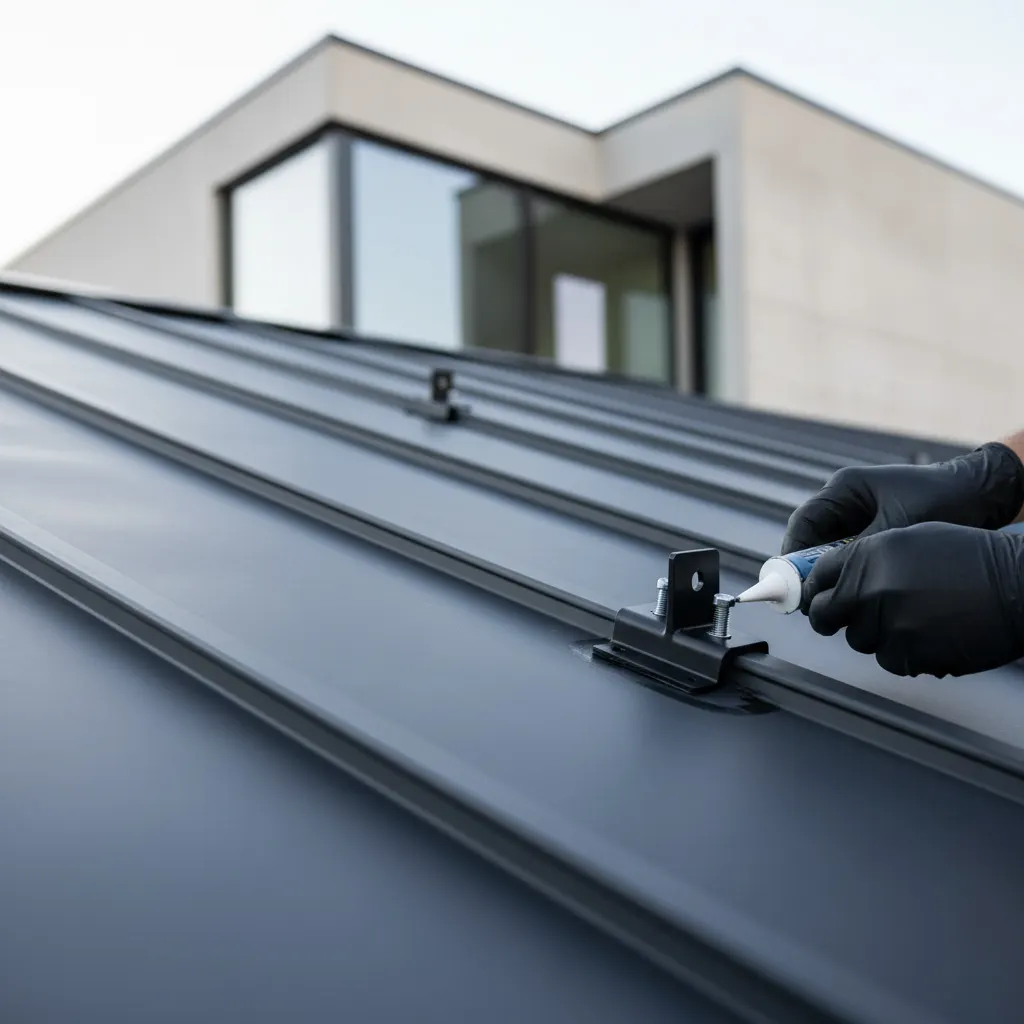
Why San Bernardino's Extreme Heat Damages Roofs
San Bernardino summers hit roofs hard. Temps soar past 110 degrees, turning your roof into a griddle. Materials expand, contract, and crack under that daily punishment.
Think asphalt shingles first. They soften in the blaze, losing granules that protect against UV rays. Curling edges and buckling follow, inviting leaks and rot.
- Expansion cracks sealants, letting water sneak in during rare rains.
- Metal roofs warp from uneven heating.
- Tile roofs slip as mortar bakes and crumbles.
Without action, this heat stress shortens roof life by years. Your energy bills spike too, as trapped heat turns your attic into a sauna. Beat it early, or pay later.
Step-by-Step Roof Inspection Checklist for Summer Prep
Grab a ladder, flashlight, binoculars, and a buddy for safety. Hit the roof early morning before the heat cranks up. This quick check spots trouble before it turns into a five-figure headache.
From the Ground Up: Visual Scan
- Shingles: Hunt for curling edges, cracks, or bald spots missing granules. Heat warps these fast in San Bernardino.
- Flashing: Peek around chimneys, vents, and skylights. Rust or gaps scream leaks incoming.
- Gutters: Clogged? Overflowing? They funnel water that softens shingles under brutal sun.
Climb up if you're steady. Walk the roof ridge-to-eave. Note soft spots or lifted tabs - prime targets for wind and heat combo punches.
Attic Dive: The Hidden Heat Trap
- Check insulation for scorching or compression. Poor airflow cooks your home from above.
- Scan rafters for dark stains signaling roof leaks.
- Feel vents: Weak pull means heat buildup frying your shingles.
Found issues? Snap photos. Jot notes. Call pros like us before summer storms hit.

Clearing Debris and Algae to Boost Heat Reflection
Your roof needs to breathe in this heat. Debris like leaves, dirt, and branches trap moisture and block sunlight reflection. That turns your shingles into heat magnets, cooking your home from above.
Algae loves our humid mornings after those hot days. It darkens your roof, slashing its ability to bounce back rays by up to 30%. Clear it out, and watch your roof stay cooler, slashing energy bills.
Quick Clear-Out Checklist
- Grab a leaf blower or stiff broom. Blast off loose junk from the edges first.
- Scrub algae spots with a bleach-water mix (1:3 ratio). Rinse thoroughly to avoid runoff stains.
- Check gutters too. Clogged ones spill water back onto shingles, speeding up the rot.
Do this twice a year, especially before summer peaks. You'll see shingles perk up and reflect like new. Pros swear by it for dodging those melt-down emergencies.
Ventilation Upgrades to Fight Heat Buildup
Your attic turns into a sauna under San Bernardino's hammer. Trapped heat warps shingles, spikes energy bills, and invites mold. Poor airflow is the silent killer here.
Fix it fast with these upgrades. Start simple, go big if needed.
Top Ventilation Boosters
- Ridge vents along the roof peak pull hot air out like a chimney on steroids.
- Soffit vents suck in cool air from the eaves, creating that crucial pull.
- Powered attic fans kick it up a notch on 100-degree days, slashing temps by 30 degrees or more.
Check yours now. Feel the attic air: if it's hotter than outside, upgrade time. Call us for a free vent audit, and watch your roof breathe easy.

Applying Protective Coatings and Sealants
San Bernardino's sun doesn't mess around. It beats down, cracking shingles and fading colors. Protective coatings act like a shield, bouncing back UV rays and cutting heat absorption by up to 30%.
Sealants plug gaps where heat sneaks in. Think tiny cracks around vents or flashing. Slap on a quality one, and you lock out scorching air while keeping moisture out.
Quick Choices for Max Protection
- Reflective coatings: White or light colors that turn your roof into a heat mirror. Pros spray them on for even coverage.
- Elastomeric sealants: Stretchy stuff that flexes with temperature swings. Perfect for our wild Inland Empire days.
- Silicone-based options: Water-repellent beasts that last 10+ years under brutal sun.
DIY if you're handy, but call in the crew for tile or metal roofs. One bad application, and you're back to square one. Get it right, and watch your energy bills drop next summer.
Case Study: Rescuing a Local Home from Shingle Meltdown
Meet the Garcias on 9th Street. Their asphalt shingles were buckling under last summer's 118-degree assault. Cracks spiderwebbed across the surface. Black streaks from algae trapped heat like a microwave.
The Wake-Up Call
We climbed up for an inspection. Found granules washing into gutters by the bucketful. Roof temp hit 180 degrees on a 110-degree day. Without action, total replacement loomed at $18,000.
- Shingles softened and deformed daily.
- Indoor AC bills spiked 40%.
- Leaks started in two attic spots.
Our Fix in Action
Cleared debris first. Applied reflective white coating to bounce back 80% of that brutal sun. Installed ridge vents for better airflow. Sealed every vulnerable seam.
Cost? Just $4,200. Three weeks later, roof surface stayed 50 degrees cooler. No more melting. Garcias saved their home and their wallet.
Final Thoughts
San Bernardino's heat won't quit. But your roof doesn't have to suffer if you hit these maintenance steps hard right now. Skip the wait, and you'll save a bundle on fixes down the road.
Grab your checklist today. Inspect. Clear. Seal. Ventilate. Watch those shingles stay flat through another brutal summer.
- Spot issues early? Call the pros before leaks hit.
- Need upgrades? Check our Roof Maintenance services for a free quote.
- Act fast. Your home's counting on it.
People Also Ask
How does San Bernardino's heat damage roofs?
San Bernardino's scorching temperatures, often exceeding 100°F, cause asphalt shingles to soften, expand, and crack, leading to premature aging and leaks. Intense UV rays degrade roofing materials, fading granules and weakening the roof's protective layer. Regular maintenance prevents these issues, extending your roof's lifespan significantly.
What are essential roof inspection tips for summer heat?
Start by checking for cracked or curling shingles, loose flashing, and signs of granule loss on the ground. Inspect gutters for blockages that trap heat and inspect attic ventilation for proper airflow. Schedule professional inspections twice a year to catch heat-related damage early.
How can I improve roof ventilation in hot climates like San Bernardino?
Install ridge vents, soffit vents, or powered attic fans to allow hot air to escape and cooler air to enter, reducing heat buildup. Ensure intake and exhaust vents are balanced for optimal airflow. Upgrading ventilation can lower attic temperatures by up to 30°F, protecting your roof and home.
What protective coatings work best against San Bernardino heat?
Opt for reflective elastomeric coatings that bounce back UV rays and reduce surface temperatures by up to 50°F. These sealants also fill small cracks and improve energy efficiency. Choose white or light-colored options certified for high-heat areas and apply them professionally for lasting results.
How often should I clean my roof debris in summer?
Clear debris like leaves and dirt monthly during San Bernardino summers to prevent moisture trapping and algae growth that absorbs heat. Algae darkens shingles, increasing heat absorption and damage. Professional cleaning ensures safe removal without risking shingle harm.
Need Roofing Services?
Rapid roof repairs and replacements deliver leak-free protection fast for homes in San Bernardino, CA and nearby areas (92401, 92404, 92405, 92407, 92410).
Get Roof Quote