


⚡ TL;DR: This guide highlights common mistakes in tile roof installation for Roseville homes and shows how proper techniques prevent leaks and ensure lasting protection.
📋 What You’ll Learn
In this comprehensive guide, discover the common errors in tile roof installation specific to Roseville and learn proven ways to avoid costly repairs and leaks.
- Spot underlayment mistakes quickly before they cause leaks by understanding how improper layers fail against Roseville's intense sun and seasonal rains.
- Fix flashing errors before installation to protect against water intrusion around roof penetrations and maintain long-term waterproofing in California homes.
- Ensure correct tile fastening methods and proper alignment to avoid shifting, cracking, and future repairs on your Roseville property.
- Choose suitable materials and ventilation that match Roseville's climate to prevent overheating, moisture issues, and premature roof deterioration.
📖 Reading time: 7 min
✍️ Author expertise: Experienced Roseville roofing contractor with over a decade installing tile roofs across Placer County homes.
Most Roseville homeowners sign off on a tile roof install thinking they've locked in decades of solid protection, only to watch water stains creep across their ceilings a few seasons later.
Those leaks and loose tiles almost always trace back to the same handful of slip-ups during the job, from bad underlayment choices to rushed flashing work that any experienced crew would flag on day one.
Here's exactly where things go wrong and what to demand instead so your roof actually holds up in Roseville weather.

Underlayment Mistakes That Lead to Premature Leaks
Most tile roof jobs in Roseville start with a flimsy layer of felt paper that tears the first time a crew steps on it during install. That thin stuff fails fast when summer heat bakes the deck and winter rains hit hard. Synthetic underlayment costs more upfront but blocks moisture way better and lasts longer under heavy clay tiles.
Install crews often skip proper overlaps or leave gaps around penetrations like vents and pipes. Water finds those spots quick and soaks straight into the wood below. You end up with ceiling stains before the warranty even kicks in.
- Cheap felt that rips during tile placement
- Seams left unsealed or overlapped too narrow
- No extra layer in high-wind zones common around Roseville
Fix it by demanding a 30-pound synthetic sheet with taped seams and full coverage from ridge to eave. One solid underlayment job stops leaks before they start.
Flashing Errors That Compromise Waterproofing
Flashing stops water from sneaking in at joints around chimneys, vents, and valleys. Skip the right steps and moisture finds its way under the tiles fast during Roseville storms.
Most crews cut corners here in three ways that cause headaches later.
- They skip overlapping layers so rain channels straight to the wood.
- They use cheap sealant that cracks in the heat and lets drips start.
- They forget to extend flashing far enough up the slope.
Fix it by demanding step flashing that tucks under each tile row. Add counter flashing that locks tight against walls. Check every seam twice before the tiles go on top.
Incorrect Tile Fastening and Alignment Issues
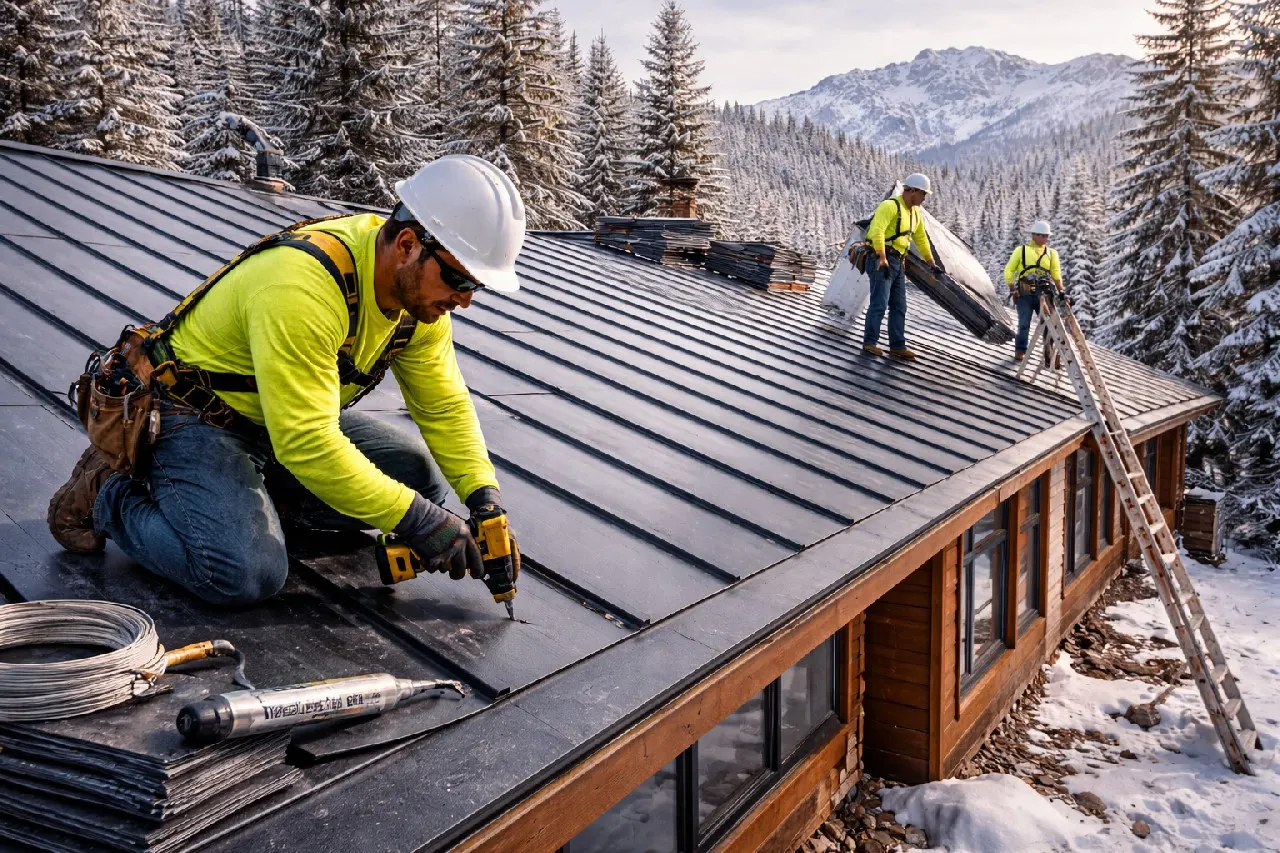
Loose tiles start with sloppy fastening every time. Crews grab the wrong screws or skip the torque settings, so wind in Roseville rips them free after the first big storm.
Alignment slips next and turns small gaps into rivers. One row off by half an inch and water finds the path straight to your ceilings.
- Over-driven fasteners crack the tile right away.
- Under-driven ones leave everything wobbly in high gusts.
- Rows that drift out of straight create low spots that hold water.
Fix it by demanding the right hardware and a level string line on every course. That single check stops most callbacks before they start.
Overlooking Ventilation Needs in Roseville Homes
Roseville heat builds fast under a tile roof. Skip proper attic airflow and you trap moisture that rots wood and pushes tiles loose within a few years.
Most crews cut corners on ridge vents or block soffit openings during the install. That single mistake turns attics into steam rooms every summer.
Check these spots before you sign off:
- Clear soffit intakes so air actually moves
- Install balanced ridge vents sized for your square footage
- Avoid insulation that seals off the path
Choosing Incompatible Materials for Local Weather Conditions
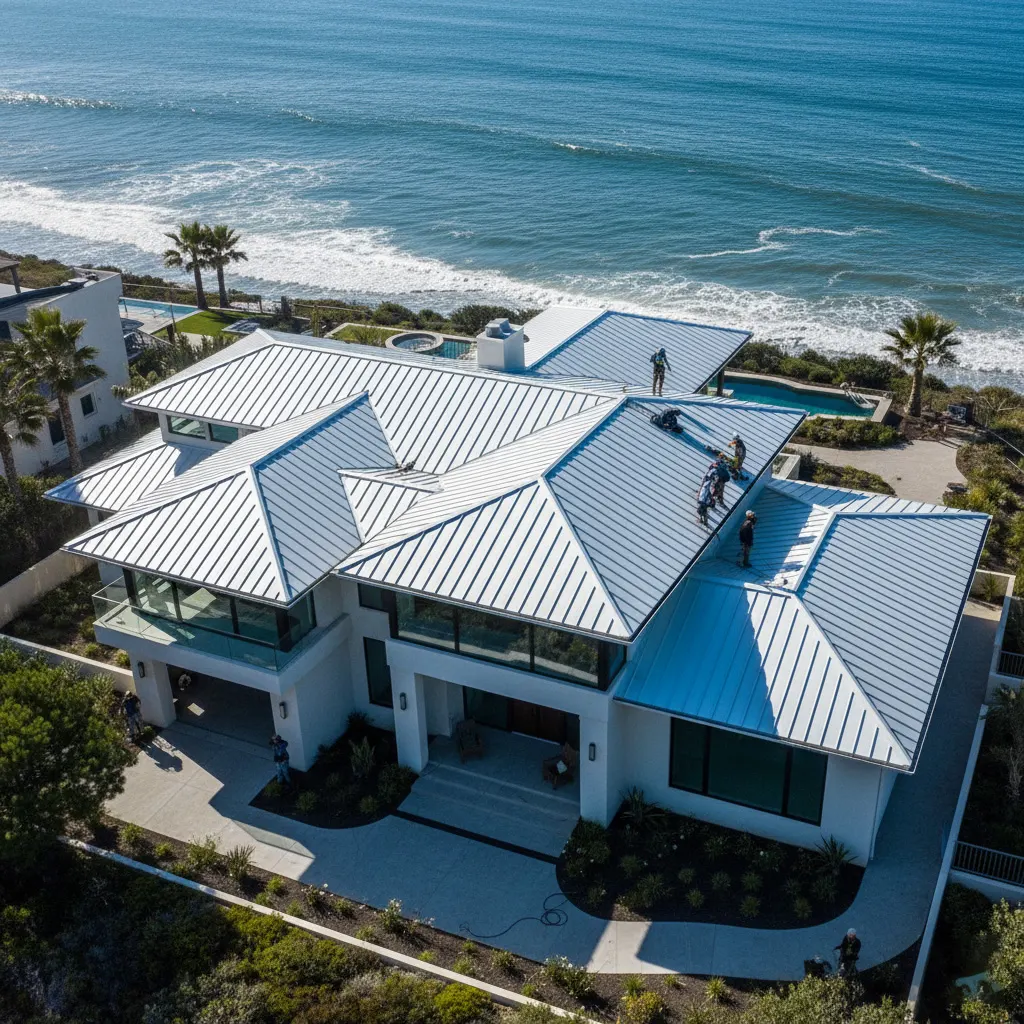
Roseville summers hit hard with intense heat and UV rays that bake standard materials fast. Cheap asphalt felt often cracks and fails within a few years under these conditions while synthetic underlayments hold up better against the expansion and contraction cycles.
Tile color and type matter too since dark options absorb extra heat and raise attic temps while lighter ones reflect it. Mismatched sealants around vents and edges also degrade quicker when they aren't formulated for dry heat mixed with occasional winter rains.
Check these common mismatches before signing off on the job:
- Underlayment without high-temp ratings that melts or dries out
- Porous tiles that soak up moisture during rare storms
- Fasteners prone to rust in the local air exposure
Insist on products tested for California climate zones so the whole system stays solid without early breakdowns.
Case Study: How Proper Installation Saved a Roseville Home from Water Damage
The Smiths on Sierra Boulevard dealt with constant ceiling stains after every big rain. Their old tile roof had failed fast because the previous crew skipped solid underlayment and rushed the edges.
A new crew stepped in and fixed it the right way before the next winter hit. They started with heavy-duty synthetic underlayment rolled out flat and overlapped every seam by six inches.
- Sealed all flashing around chimneys and valleys with extra layers
- Aligned every tile row with proper spacing for expansion
- Added ridge vents to keep air moving and cut moisture buildup
The home took on two solid seasons of Roseville downpours and heat waves without a single drop inside. The family stopped worrying about repairs and kept their ceilings clean.
Final Words.
Roof jobs in Roseville fail when crews skip the basics on underlayment or slap on mismatched flashing. Demand photos of every layer before tiles go down. That single step stops most callbacks cold.
Fastening and vents matter just as much in our heat. A solid crew checks alignment twice and leaves airflow paths open so your attic does not turn into a steam room. Skip that and you trade one leak for warped sheathing down the road.
Local weather beats generic materials every time. Ask your installer straight up how they handle 100-degree days and sudden downpours. For the full breakdown on doing this right, see our Tile Roof Installation page before you sign anything.
Fast roofing repairs and replacements deliver lasting home protection across Roseville and nearby areas (95678, 95661, 95747, 95677, 95650).People Also Ask
How long does tile roof installation take in Roseville?
Tile roof installation in Roseville typically takes five to ten days depending on home size and weather conditions. Proper underlayment and flashing work require extra time to prevent future leaks. Homeowners should plan for professional crews who follow local codes to avoid common errors.
What is the average cost of tile roof installation in Roseville CA?
Tile roof installation in Roseville usually ranges from eight to fifteen dollars per square foot including materials and labor. Costs rise when correcting underlayment or flashing mistakes from prior work. Choosing compatible materials for local heat and wind helps keep long-term expenses down.
How do I know if my tile roof was installed incorrectly?
Signs of poor tile roof installation include visible gaps in flashing, loose or misaligned tiles, and water stains on ceilings. These issues often stem from skipped ventilation or improper fastening during the original job. A professional inspection can identify problems before they lead to major water damage.
Do tile roofs need special ventilation in Roseville homes?
Yes, Roseville homes require adequate ridge and eave ventilation to manage heat buildup under tile roofs. Overlooking this step traps moisture and shortens roof life. Proper ventilation also improves energy efficiency and prevents mold growth in attics.
Can I install a tile roof myself to save money?
DIY tile roof installation often leads to fastening errors and waterproofing failures that cost more to fix later. Professional installers understand Roseville building codes and local weather demands. Hiring experts ensures correct material choices and long-term protection for your home.
Need Roofing Services?